Black-eyed Susan Vine (Thunbergia Alata)
Thunbergia alata, commonly known as Black-eyed Susan vine, is a beautiful flowering plant belonging to the Acanthaceae family. Its botanical name.
What is Thunbergia alata?
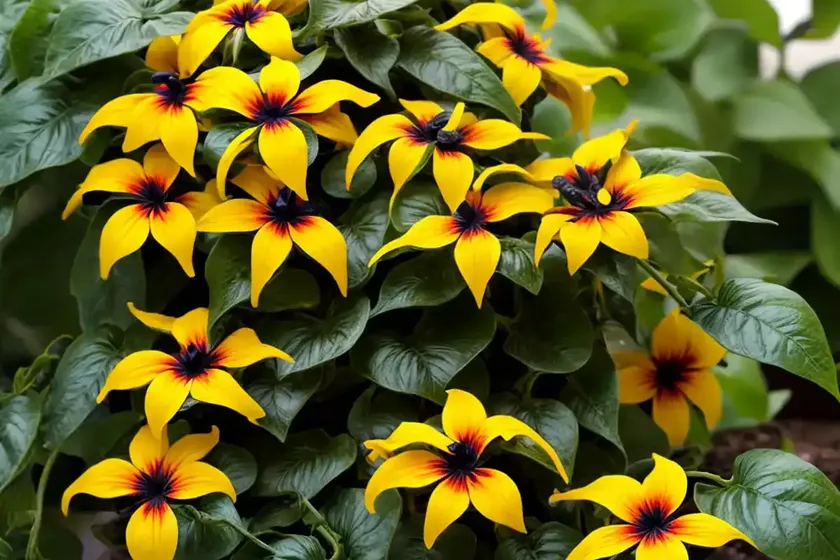
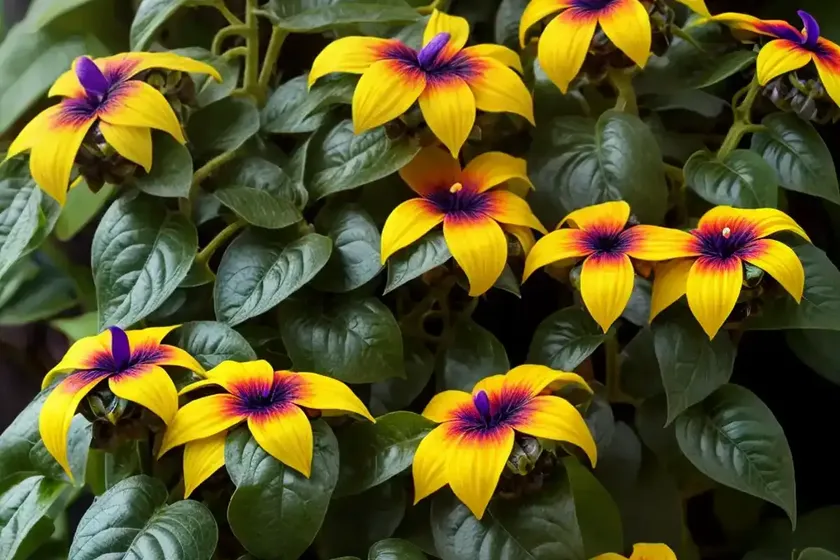
Thunbergia alata, commonly known as Black-eyed Susan vine, is a beautiful flowering plant belonging to the Acanthaceae family. Its botanical name “Thunbergia” is a tribute to Carl Peter Thunberg, a Swedish naturalist and physician, while “alata” refers to its winged seeds. This captivating vine is native to Eastern Africa, precisely Madagascar, and has become a popular choice for gardeners and landscapers worldwide due to its vibrant and cheerful blooms.
The Black-eyed Susan vine is celebrated for its profusion of striking, trumpet-shaped flowers and lush foliage, making it an exceptional addition to gardens, landscapes, and even containers. This versatile plant is loved for its climbing and trailing habits, adding vertical interest and beautiful cascades of color to any setting. Given the right conditions and care, Thunbergia alata can be an abundant bloomer, delighting gardeners with an array of colors from spring through fall.
In this guide, we will delve into the cultural and horticultural aspects of Black-eyed Susan vine, exploring its exquisite characteristics, growth requirements, propagation techniques, maintenance, uses, and much more.
Key Takeaways: Black-eyed Susan Vine (Thunbergia alata)
Thunbergia alata is a delightful and versatile plant that can thrive in a variety of settings, from landscapes to containers. Here are the key takeaways about this enchanting vine:
- Botanical Name: Thunbergia alata
- Common Name: Black-eyed Susan vine
- Family: Acanthaceae
- Native Habitat: Eastern Africa, specifically Madagascar
- Characteristics: Trumpet-shaped flowers, lush foliage, climbing and trailing habits
- Popular Colors: Bright yellow, orange, and red with a dark center
- Growth Season: Spring through fall
- Uses: Ornamental garden plant, hanging baskets, trellises, and ground cover
- Propagation: Seeds, cuttings
- Maintenance: Pruning, fertilization, disease management
- Sunlight: Full sun to partial shade
- Watering: Regular, moderate watering
- Soil Type: Well-draining, fertile soil
- Container Gardening: Well-suited for containers and hanging baskets
Now, let’s explore the detailed aspects of the Black-eyed Susan vine, from its cultural preferences to its propagation and maintenance.
Culture
Sunlight
Thunbergia alata thrives in full sun to partial shade. Providing ample sunlight is crucial for the plant’s vigorous growth and prolific flowering. While it can tolerate some shade, it typically performs best when exposed to at least 6 hours of direct sunlight daily.
Water
Black-eyed Susan vine has moderate watering needs. It prefers consistently moist soil but should not be waterlogged. It’s essential to allow the soil to dry slightly between waterings to prevent issues like root rot. Watering frequency may vary based on factors such as climate, soil type, and container size.
Fertilizer
When it comes to fertilizing Thunbergia alata, a balanced, all-purpose fertilizer can be applied every 6-8 weeks during the growing season. Diluted liquid fertilizer or granular formulations can be used, taking care not to over-fertilize, as excessive nutrients can lead to excessive foliage at the expense of flowers.
Soil
The Black-eyed Susan vine thrives in well-draining, fertile soil. A rich potting mix or garden soil amended with organic matter and compost ensures optimal growth. The soil pH should be slightly acidic to neutral (pH 6.0-7.0). Good drainage is essential to prevent waterlogging, which can lead to root diseases.
Pruning
Pruning plays a vital role in managing the growth and appearance of Thunbergia alata. Regular deadheading of spent flowers promotes continuous blooming and prevents the plant from investing energy in seed production. Additionally, pruning can help manage the vine’s growth, especially if it tends to become unruly or overgrown. Pruning is best carried out in spring or early summer to encourage vigorous regrowth and blooming.
Propagation
Seed Propagation
One of the common methods for propagating Thunbergia alata is through seeds. The vine produces seed pods that dry on the plant and eventually split open, dispersing the seeds. To propagate from seeds:
- Collect the ripe seed pods and remove the seeds.
- Sow the seeds in seed-starting mix, pressing them lightly into the soil surface.
- Keep the medium consistently moist and place the container in a warm, bright location.
- Germination typically occurs within 10-20 days, after which the seedlings can be transplanted once they have developed true leaves.
Cutting Propagation
Another viable method for propagating Black-eyed Susan vine is through stem cuttings. This is typically done in late spring or early summer when the plant is actively growing. The steps for propagating through stem cuttings include:
- Select a healthy, non-flowering stem and cut a 4-6 inch segment just below a leaf node.
- Remove the lower leaves to expose the leaf nodes.
- Dip the cut end in rooting hormone to encourage root development.
- Plant the cutting in a well-draining rooting medium, such as perlite or a mix of peat and perlite.
- Keep the cutting consistently moist and provide gentle bottom heat to expedite root formation.
- Once the roots have established, the cutting can be transplanted into a larger container or into the garden.
Container Popularity
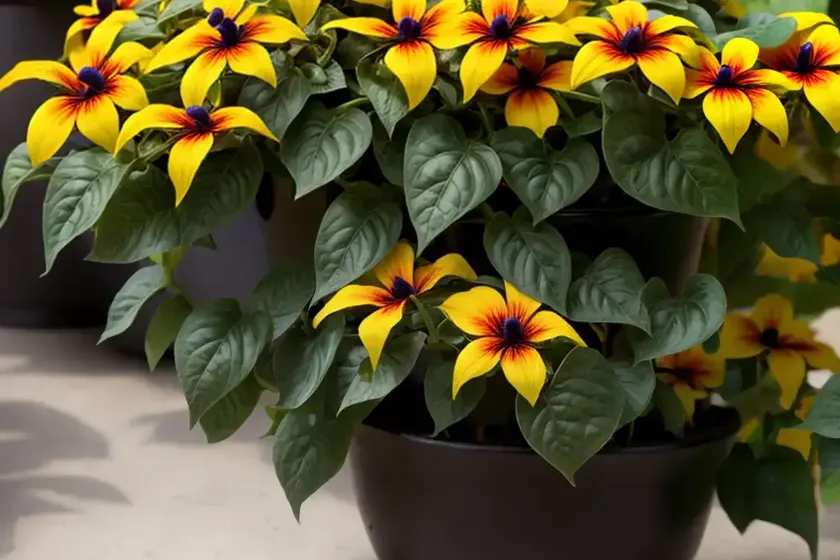
Thunbergia alata is well-suited for container gardening, making it an excellent choice for adding vertical interest to patios, balconies, and courtyards. Its cascading habit also makes it ideal for hanging baskets, where the vines can trail gracefully, adorned with an abundance of flowers. The plant’s adaptability to containers allows gardeners to enjoy its beauty even in limited garden spaces.
Common Diseases
Disease Diagnosis
While Black-eyed Susan vine is relatively resilient, it can be susceptible to certain diseases, including:
- Powdery Mildew: A fungal disease that manifests as powdery white spots on the leaves, typically in conditions of high humidity and poor air circulation.
- Leaf Spot: Caused by fungal pathogens, this disease leads to the development of dark spots with yellow halos on the foliage.
- Root Rot: Resulting from overly wet or poorly draining soil, leading to rotting of the plant’s roots.
Disease Prevention
Preventing diseases in Thunbergia alata involves maintaining good cultural practices, including:
- Providing adequate spacing between plants to promote airflow
- Avoiding overhead watering to prevent foliage from remaining wet
- Regularly inspecting the plant for any signs of disease or pests
- Removing and disposing of any infected foliage to prevent the spread of disease
Common Pests
Thunbergia alata may attract certain pests, including:
- Aphids: Small, soft-bodied insects that cluster on the underside of leaves, sucking plant sap and causing distorted growth.
- Spider Mites: These tiny arachnids can cause stippling and webbing on the foliage, particularly in dry conditions.
- Whiteflies: Small, moth-like insects that feed on the undersides of leaves, leading to yellowing and reduced vigor in the plant.
Botanist’s Tips
Gardening enthusiasts and botany lovers can enhance their experience with Black-eyed Susan vine by considering the following tips:
- Trellis Support: Providing a trellis or support for the vine helps guide its growth and creates an enchanting vertical display.
- Companion Planting: Pairing Thunbergia alata with complementary plants can create visually stunning combinations, such as pairing with blue flowering plants for a striking color contrast.
- Wildlife Attraction: The vibrant blooms of Black-eyed Susan vine can attract pollinators like bees and butterflies to the garden, contributing to the overall biodiversity.
- Seasonal Blooms: Enjoy the continuous display of blooms from spring through fall, adding a touch of color to the garden throughout the growing season.
Fun Facts
- The common name “Black-eyed Susan” is shared with several other plants, including Rudbeckia hirta, which is native to North America. The name is derived from a character in English folklore.
- The flowers of Thunbergia alata are often compared to those of the classic Black-eyed Susan (Rudbeckia) due to their similar appearance, with vibrant petals and a dark center.
As we’ve explored the culture, uses, maintenance, and additional insights about the Black-eyed Susan vine, it’s evident that Thunbergia alata holds a special place in the world of ornamental vines, captivating gardeners and nature enthusiasts alike with its beauty and charm.
Links to External Resources
For additional information about Black-eyed Susan vine and horticultural best practices, consider exploring the following resources:
- Thunbergia alata: A Guide to Growing Black-Eyed Susan Vine
- Black-Eyed Susan Vine: Tips for Growing Thunbergia Alata
- Thunbergia alata Propagation Techniques
- Managing Diseases and Pests in Thunbergia Alata
By delving into the captivating world of Thunbergia alata, we’ve unveiled the numerous facets that make this vine a cherished addition to gardens, landscapes, and containers. Whether adorning trellises with its vibrant blooms or cascading gracefully from hanging baskets, the Black-eyed Susan vine continues to captivate all who encounter its enchanting beauty.