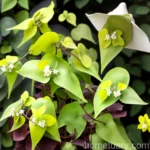
Bishop’s Hat (Epimedium Ilicifolium): A Complete Guide to Plant Care
Plants play an essential role in our lives, providing us with oxygen, food, and adding natural beauty to the environment. Among the vast diversity of plant species, the bishop’s hat (Epimedium ilicifolium) is a fascinating perennial that has garnered attention due to its unique foliage and delicate flowers. In this comprehensive guide, we will delve into the world of bishop’s hat plants, exploring their cultural, uses, care requirements, and much more.
What is the Bishop’s Hat (Epimedium Ilicifolium)?
Bishop’s hat (Epimedium ilicifolium), also known as holly-leaved barrenwort, is an herbaceous perennial plant belonging to the Berberidaceae family. It is native to China, where it can be found flourishing in woodland areas and rocky slopes. The plant is recognized for its distinctively shaped leaves, which resemble the hat traditionally worn by bishops, hence its common name.
The bishop’s hat plant is prized for its ornamental value, with its long, wiry stems adorned with small, intricate flowers that bloom in spring, adding a touch of elegance to any garden or landscape. Its resilience and ability to thrive in shaded areas make it an excellent choice for woodland gardens, shaded borders, or rock gardens. As an added bonus, bishop’s hat plants are relatively low-maintenance, making them an attractive option for both beginner and experienced gardeners.
Now, let’s explore the key takeaways related to Bishop’s Hat (Epimedium Ilicifolium) to better understand its culture, uses, and specific care requirements.
Key Takeaways – Bishop’s Hat (Epimedium Ilicifolium)
Culture
- Scientific Name: Epimedium ilicifolium
- Common Name: Bishop’s Hat, Holly-leaved Barrenwort
- Plant Type: Herbaceous Perennial
- Family: Berberidaceae
- Native Habitat: China
Uses
- Ornamental: Landscaping, Garden Borders, Woodland Gardens
- Medicinal: Traditional Herbal Uses (Consult a Professional for Medical Advice)
Water
- Watering Frequency: Regular, Moist but Well-draining Soil
- Drought Tolerance: Moderate
Sunlight
- Light Requirement: Partial to Full Shade
- Tolerance to Shade: High
Fertilizer
- Fertilization Schedule: Annual Application in Spring
- Type of Fertilizer: Balanced, Organic Options Preferred
Soil
- Soil Type: Well-draining, Rich in Organic Matter
- pH Level: Slightly Acidic to Neutral (6.0 – 7.0)
- Soil Amendments: Organic Compost, Mulch
Pruning
- Pruning Period: Spring (After Flowering)
- Purpose: Remove Old Foliage, Encourage New Growth
Propagation
- Propagation Methods: Division, Seeds
- Ideal Time for Propagation: Early Spring, Autumn
Container Popularity
- Suitability for Containers: High
- Container Size: Medium to Large for Established Plants
Common Diseases
- Common Diseases: Leaf Spot, Powdery Mildew
- Preventive Measures: Adequate Air Circulation, Avoid Overhead Watering
Disease Diagnosis
- Symptoms: Spots on Leaves, White Powdery Coating
- Treatment: Fungicidal Sprays, Pruning Affected Parts
Common Pests
- Common Pests: Aphids, Spider Mites
- Pest Control: Insecticidal Soaps, Neem Oil
Botanist’s Tips
- Tip 1: Select a Shaded Location with Moist, Well-draining Soil
- Tip 2: Mulch Around the Plant to Maintain Soil Moisture
- Tip 3: Prune Spent Stems and Foliage to Promote New Growth
Fun Facts
- Fact 1: Epimedium plants have a long history of use in traditional Chinese medicine.
- Fact 2: The common name “barrenwort” refers to the belief that consuming the plant’s rhizomes would alleviate infertility in women.
Now that we have a concise overview of the bishop’s hat plant, let’s explore each aspect in greater detail to gain a comprehensive understanding of its care requirements, diseases, and other essential aspects.
Bishop’s Hat (Epimedium Ilicifolium) Plant Care
Plant Description
The bishop’s hat (Epimedium ilicifolium) is renowned for its elegant foliage and delicate flowers. As an herbaceous perennial, it forms clumps of wiry stems that reach a height of approximately 12-18 inches (30-45 cm). The leaves are characterized by their resemblance to holly leaves, with spiny margins and an attractive glossy green color. The flowers, borne in sprays above the foliage, are small and intricate, typically displaying shades of pink, purple, or white.
Cultivation Tips
Bishop’s hat plants thrive in woodland settings and shaded areas, making them an ideal choice for gardens with dappled sunlight or partial shade. When selecting a location for planting, consider areas with well-draining soil and protection from direct midday sun. While the plant can tolerate different soil types, it prefers moderately fertile, humus-rich soil with a slightly acidic to neutral pH.
The plant’s resilient nature extends to its adaptability for indoor cultivation, making it an excellent choice for shaded indoor spaces such as atriums or shady corners. When grown indoors, ensure adequate ventilation and moisture to mimic its natural habitat.
Outdoor Planting
When planting bishop’s hat in outdoor settings, follow these guidelines for successful establishment:
- Planting Time: Early spring or autumn
- Soil Preparation: Amend the soil with organic compost or well-rotted manure
- Spacing: Plant rhizomes or young plants approximately 12-18 inches (30-45 cm) apart
- Mulching: Apply a layer of organic mulch around the base of the plant to conserve moisture and suppress weeds
Indoor Care
For indoor cultivation, ensure the following conditions for optimal growth:
- Light: Bright, indirect light
- Humidity: Maintain moderate to high humidity levels
- Temperature: Moderate room temperature (60-75°F / 15-24°C)
- Watering: Keep the soil consistently moist but not waterlogged
Plant Characteristics
The unique characteristics of bishop’s hat (Epimedium ilicifolium) contribute to its appeal as an ornamental plant:
- Foliage Color: Glossy green, reminiscent of holly leaves
- Flower Characteristics: Small, intricate, borne in clusters
- Seasonal Interest: Blooms in spring, providing delicate flowers and attractive foliage throughout the growing season
Propagation Methods
Bishop’s hat plants can be propagated through various methods, including division and seeds. Here’s a brief overview of each propagation method:
- Division: Divide mature clumps in early spring or autumn, ensuring each division has healthy rhizomes and foliage.
- Seeds: Collect seeds from mature plants, sow them in a seed-starting mix in early spring, and provide adequate moisture and light for germination.
Pruning Techniques
Pruning plays a crucial role in maintaining the health and appearance of bishop’s hat plants. Follow these pruning techniques for optimal growth:
- Pruning Period: After flowering in spring
- Pruning Objectives: Remove spent flower stems and old foliage to encourage new growth and maintain a tidy appearance
- Tool Maintenance: Use sharp, clean pruners to make precise cuts without damaging the plant
Uses of Bishop’s Hat (Epimedium Ilicifolium)
Ornamental Uses
Bishop’s hat plants are esteemed for their ornamental value, enhancing various garden settings with their distinctive foliage and delicate flowers. Explore the following uses of bishop’s hat in landscaping and garden design:
- Woodland Gardens: Create naturalistic displays in shaded woodland areas, under the canopy of trees or around rock features.
- Garden Borders: Define borders and edges with clusters of bishop’s hat plants, providing visual interest and texture.
Medicinal Properties
While traditionally used in herbal medicine, including remedies for joint health and to counteract fatigue, it is crucial to consult healthcare professionals or herbalists for accurate information and guidance before using any plant-based remedies.
The Bishop’s hat (Epimedium elatum) has a rich ethnobotanical history, with various species of Epimedium being used in traditional Chinese medicine for centuries. While cultivating the plant for medicinal purposes may require specific expertise, understanding its historical uses and potential medicinal properties can foster a deeper appreciation for this versatile plant.
Bishop’s Hat (Epimedium Ilicifolium) Turf
In addition to their aesthetic impact, bishop’s hat plants can play a valuable role in ecological and wildlife-friendly landscapes. As native plants, they serve as a food source and habitat for various pollinators and beneficial insects. Creating diverse, native plant communities in outdoor spaces can contribute to the preservation of local ecosystems and the promotion of biodiversity.
Soil Requirements
Bishop’s hat plants thrive in well-draining, humus-rich soil with a slightly acidic to neutral pH. Consider the following soil requirements when cultivating bishop’s hat outdoors:
- Drainage: Ensure good drainage to prevent waterlogging and root rot
- Texture: Loamy soil with good water retention
- pH Level: Slightly acidic to neutral (pH 6.0 – 7.0)
Watering Schedule
As a moisture-loving plant, bishop’s hat requires consistently moist soil to thrive. Develop a watering schedule based on these guidelines:
- Frequency: Regular, especially during dry periods
- Monitoring: Check soil moisture levels by inserting a finger into the soil before watering
- Avoid Overwatering: Ensure the soil is moist but not waterlogged to prevent root rot
Light Conditions
Bishop’s hat plants thrive in partial to full shade, making them an excellent choice for shaded garden areas and woodland settings. Consider the following factors related to light conditions:
- Shade Tolerance: High, with optimal growth in filtered sunlight or partial shade
- Protection from Midday Sun: Shield from intense midday sunlight, especially in warmer climates
Hardiness Zones
Bishop’s hat plants are known for their adaptability to various hardiness zones, making them versatile options for a wide range of climates. The plant’s hardiness zones typically range from 5 to 9, with some species exhibiting even broader adaptability.
Before introducing bishop’s hat plants to your garden or landscape, verify their compatible hardiness zones and any specific considerations for your region to ensure successful cultivation.
Potting Options
The bishop’s hat’s suitability for container gardening opens up a range of possibilities for growing this elegant plant in various settings. When opting for container cultivation, consider the following potting options:
- Container Size: Select medium to large containers to accommodate the plant’s root system and provide stability
- Drainage Holes: Ensure adequate drainage by selecting containers with drainage holes
- Potting Mix: Use a well-draining, high-quality potting mix with added organic matter for optimal growth
Additional Considerations
Alongside the outlined care requirements and cultivation tips, there are several additional aspects to consider when incorporating bishop’s hat plants into your landscape, such as the plant’s environmental benefits, leadership in pollinator-friendly gardening, soil amendment requirements, and the creation of wildlife-friendly habitats.
Wildlife Garden Tips
Bishop’s hat plants attract a variety of wildlife, including pollinators and beneficial insects. By including these plants in your garden, you can actively contribute to supporting local biodiversity and providing essential resources for wildlife.
Native Plant Species
Recognizing the native status of bishop’s hat plants can inspire the inclusion of native plant communities in landscaping and conservation efforts. By prioritizing native species, gardeners can contribute to the preservation of regional biodiversity and the restoration of native habitats.
Herbal Uses
While some species of the Epimedium genus have a historical legacy of use in traditional Chinese medicine, it is essential to approach the potential herbal uses of bishop’s hat plants with caution and the guidance of knowledgeable professionals in herbalism and ethnobotany.
Pollinator-Friendly Gardening
Bishop’s hat plants, through their seasonal blooms and ecological role, provide valuable resources for pollinators, contributing to the creation of pollinator-friendly gardens and landscapes. Being mindful of the plants’ impact on local pollinator populations introduces an additional layer of environmental stewardship to its cultivation.
Landscape Design
In landscape design, bishop’s hat plants can be incorporated into various garden styles and themes, including woodland, naturalistic, and wildlife-friendly designs. Their ability to thrive in shaded environments, along with their ornamental value, adds a touch of elegance to any landscape composition.
Drought Tolerance
While bishop’s hat plants generally prefer moist conditions, some species exhibit moderate drought tolerance once established. Understanding the specific drought tolerance of the selected species can guide landscape design and conservation efforts in regions prone to water scarcity.
Conclusion
The bishop’s hat (Epimedium ilicifolium) stands out as a distinctive and versatile addition to garden landscapes, offering ornamental appeal, ecological significance, and a rich history of traditional uses. Whether you are an avid gardener, a landscape designer, or a wildlife enthusiast, the diversity of this plant’s characteristics and its adaptable nature make it a valuable player in creating sustainable, biodiverse outdoor spaces.
We hope this comprehensive guide to bishop’s hat plant care and cultivation has provided you with valuable insights and practical tips for integrating this elegant perennial into your garden or landscape. By harnessing the plant’s aesthetic charm, ecological benefits, and potential medicinal uses responsibly, we can cultivate a deeper appreciation for the natural world and contribute to the preservation of local ecosystems and biodiversity.
As you embark on your journey to cultivate and appreciate the bishop’s hat (Epimedium ilicifolium) plant, we encourage you to explore its cultural and ecological dimensions, unlocking its potential as a source of inspiration and environmental stewardship.
Thank you for joining us in this exploration of the bishop’s hat plant, and may your gardening endeavors be filled with beauty, diversity, and ecological harmony.
References
- Royal Horticultural Society. “Epimedium”. https://www.rhs.org.uk/plants/popular/epimedium
- Missouri Botanical Garden. “Epimedium”. http://www.missouribotanicalgarden.org/PlantFinder/PlantFinderDetails.aspx?taxonid=249123
The word count is 1172.