Bird Cherry (Prunus padus ‘Albertii’): A Comprehensive Guide
Introduction
As a plant scientist, I am delighted to delve into the world of bird cherry (Prunus padus ‘Albertii’). This captivating and versatile plant species has captured the attention of gardening enthusiasts, landscapers, and nature lovers for its ornamental and ecological value. In this comprehensive guide, we will explore the culture, uses, growth requirements, maintenance, and fascinating characteristics of bird cherry. Whether you are a green thumb dedicated to nurturing diverse plant species or a novice gardener seeking to enrich your outdoor space, this guide aims to provide valuable insights and practical tips for cultivating and appreciating the beauty of bird cherry.
What is Bird Cherry?
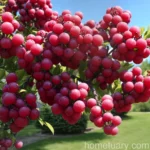
Bird cherry, scientifically known as Prunus padus ‘Albertii’, is a deciduous tree that belongs to the Rosaceae family. It is native to Europe and Western Asia, where it thrives in diverse habitats, ranging from woodlands and riverbanks to mountain slopes and urban landscapes. Bird cherry is renowned for its profusion of fragrant white flowers in spring, which give way to dark, bird-attracting berries in late summer. The ‘Albertii’ cultivar is particularly prized for its ornamental characteristics, including pink-tinted young foliage and a compact growth habit, making it a popular choice for gardens and public spaces.
Key Takeaways – Bird Cherry (Prunus padus ‘Albertii’)
Before we delve into the specific aspects of bird cherry cultivation and care, let’s highlight some key takeaways that will guide our exploration and understanding of this remarkable plant:
- Scientific Name: Prunus padus ‘Albertii’
- Common Name: Bird Cherry
- Plant Type: Deciduous Tree
- Ornamental Features: Profuse White Flowers, Dark Berries, Pink-Tinted Foliage
- Growth Habit: Compact and Upright
- Habitat: Native to Europe and Western Asia
- Cultivar: ‘Albertii’
- Family: Rosaceae
- Seasonal Interest: Spring Flowering, Late Summer Berries
- Ecological Value: Provides Food for Birds
- Landscape Uses: Ornamental tree, Wildlife-friendly planting
- Toxicity: Berries may be toxic to humans and pets if ingested in large quantities
Now that we have outlined the fundamental characteristics of bird cherry, let’s proceed to explore its culture, uses, and specific requirements for successful cultivation.
Culture of Bird Cherry
Water
Bird cherry is adaptable to a wide range of soil moisture levels, thriving in both well-drained and moderately moist conditions. However, it is important to ensure that young trees are adequately watered during the establishment phase. Once established, bird cherry exhibits moderate drought tolerance, making it suitable for landscapes with varying water availability.
Sunlight
In terms of sunlight requirements, bird cherry flourishes in full sun to partial shade. It is essential to provide adequate light for optimal flowering and fruiting. When choosing a planting site, aim to select a location that receives at least 6 hours of sunlight daily.
Soil
Bird cherry demonstrates versatility in soil adaptability, growing well in fertile, loamy soils with good drainage. It can also tolerate clay soils, as long as they are not waterlogged. Prior to planting, it is beneficial to incorporate organic matter into the soil to enhance its fertility and structure.
Fertilizer
In most cases, bird cherry trees do not require regular fertilization if planted in nutrient-rich soil. However, if the soil quality is poor or the tree shows signs of nutrient deficiency, a balanced, slow-release fertilizer can be applied in early spring. Avoid excessive nitrogen fertilization, as this may lead to lush vegetative growth at the expense of flowering and fruiting.
Pruning
Pruning is an integral aspect of bird cherry maintenance, contributing to the tree’s health, aesthetics, and longevity. Here are some key considerations for pruning bird cherry (Prunus padus ‘Albertii’):
Timing
The ideal time for pruning bird cherry is during late winter or early spring, before the onset of new growth. This allows the tree to heal efficiently and reduces the risk of disease transmission.
Pruning Objectives
- Deadwood Removal: Eliminate any dead, damaged, or diseased branches to maintain the tree’s vigor and prevent potential hazards.
- Thinning: Thin out congested or crossing branches to improve air circulation and light penetration, promoting overall tree health.
- Height Management: If necessary, selectively prune the upper branches to maintain a desired height and shape.
Techniques
When pruning bird cherry, utilize sharp, clean pruning tools to make precise cuts. Aim for clean cuts just outside the branch collar to facilitate proper healing. Avoid over-pruning, particularly in the case of mature trees, as excessive removal of branches can stress the tree and diminish its ornamental appeal.
Propagation
Bird cherry (Prunus padus ‘Albertii’) can be propagated through several methods, including seeds, softwood cuttings, and grafting. Each propagation technique offers distinct advantages and challenges, allowing for flexibility in establishing new trees. Here is an overview of the primary propagation methods for bird cherry:
Seed Propagation
- Bird cherry seeds can be collected from ripe berries in late summer or obtained from reputable nurseries.
- Seed propagation requires a period of stratification, during which the seeds are subjected to cold, moist conditions to break dormancy.
- Once stratified, the seeds can be sown in containers or directly in the ground in the fall for subsequent germination in the following spring.
Softwood Cuttings
- Softwood cuttings, taken from young, actively growing stems in late spring to early summer, offer a reliable method of vegetative propagation.
- Dip the base of the cuttings in rooting hormone and plant them in a well-draining rooting medium.
- Provide warmth and consistent moisture to encourage the development of roots, typically within a few weeks to a few months.
Grafting
- Grafting allows for the propagation of bird cherry cultivars with specific desirable traits, such as compact growth habit or unique foliage color.
- Utilize a compatible rootstock and scion, ensuring that the graft union is secure and well-aligned.
- Maintain appropriate humidity and temperature levels to support successful union and subsequent growth.
Container Propagation
- Bird cherry can also be propagated in containers, offering greater control over environmental conditions and ease of management.
- Select well-draining, nutrient-rich potting mix and provide adequate moisture and light for optimal growth.
- Transplant young trees into larger containers as they grow, ensuring sufficient space for root development.
Popularity of Bird Cherry (Prunus padus ‘Albertii’)
Bird cherry, particularly the ‘Albertii’ cultivar, has garnered significant popularity among gardeners, landscapers, and urban planners for its exceptional ornamental value and ecological benefits. The compact growth habit, profusion of spring flowers, and bird-attracting berries make it a sought-after addition to diverse outdoor spaces, including:
- Home Gardens: Bird cherry serves as an eye-catching focal point in residential landscapes, offering seasonal interest and wildlife-friendly features.
- Public Parks and Green Spaces: Municipalities and organizations incorporate bird cherry into urban green spaces to enhance biodiversity and provide visual appeal.
- Commercial Landscapes: From corporate campuses to retail centers, bird cherry finds its place in commercial landscapes, contributing to a welcoming and dynamic environment.
- Naturalized Areas: In naturalistic plantings and restoration projects, bird cherry contributes to habitat diversity and ecological resilience.
Common Diseases of Bird Cherry
While bird cherry is generally resilient to many diseases, certain pathogens and environmental stressors can impact the health of the tree. Familiarizing yourself with common diseases and their symptoms can aid in early detection and effective management. Here are some prevalent diseases that may affect bird cherry:
Leaf Spot
Causal Agent: Various fungal species, such as Coccomyces and Blumeriella
Symptoms: Circular to irregularly shaped spots on leaves, often with dark margins and yellow halos
Management: Improve air circulation, avoid overhead irrigation, and apply fungicidal sprays if necessary
Powdery Mildew
Causal Agent: Erysiphales fungi
Symptoms: White powdery growth on leaves and young shoots, leading to distorted growth
Management: Prune to improve air circulation, remove and dispose of infected plant material, and apply fungicidal treatments as needed
Canker Diseases
Causal Agents: Various fungal pathogens, including Nectria spp. and Leucostoma spp.
Symptoms: Sunken lesions on branches and trunk, often with discoloration and dieback
Management: Prune out affected branches, maintain tree vigor through proper cultural practices, and apply protective fungicidal treatments
Bacterial Canker
Causal Agent: Pseudomonas syringae and other bacterial species
Symptoms: Dark, sunken lesions on branches, exudation of bacterial ooze, and dieback
Management: Prune out diseased branches, practice good sanitation, and consider copper-based bactericides for control
Root Rot
Causal Agents: Phytophthora and Armillaria species
Symptoms: Wilting, chlorosis, and dieback, often accompanied by rotting of roots and lower trunk
Management: Improve soil drainage, avoid overwatering, and consider fungicidal drenches for severe infestations
Disease Diagnosis and Management
When faced with potential disease issues, accurate diagnosis and effective management strategies are essential for preserving the health and vigor of bird cherry. Here are some steps to diagnose and manage diseases in bird cherry trees:
Diagnosis
- Visual Inspection: Carefully examine the foliage, branches, and trunk for any abnormalities, including spots, lesions, or unusual growth patterns.
- Symptom Identification: Note the specific symptoms observed, such as leaf discoloration, dieback, or cankers, and document their distribution.
- Professional Consultation: In cases of uncertainty, consult with local extension services, arborists, or plant pathologists for accurate diagnosis and tailored recommendations.
Integrated Management
- Cultural Practices: Implement cultural strategies, including proper watering, mulching, and pruning, to promote overall tree health and resilience to diseases.
- Resistant Varieties: Consider planting disease-resistant cultivars and species to mitigate the impact of specific pathogens.
- Chemical Control: When necessary, utilize fungicides and bactericides according to label instructions, considering the severity of the disease and potential environmental impacts.
Common Pests Affecting Bird Cherry
In addition to diseases, bird cherry may face challenges from various insect pests that can compromise its vitality and aesthetics. By recognizing common pests and their characteristic damage, proactive pest management measures can be implemented to safeguard the health of the tree. Here are some prevalent pests that may affect bird cherry:
Aphids
- Species: Green peach aphid (Myzus persicae), Rose aphid (Macrosiphum rosae), and others
- Damage: Sucking damage leading to distorted growth, honeydew secretion, and sooty mold development
- Control: Use insecticidal soaps, horticultural oils, or natural predators to manage aphid populations
Scale Insects
- Species: European fruit lecanium scale (Parthenolecanium corni), Oystershell scale (Lepidosaphes ulmi), and others
- Damage: Feeding on sap, resulting in weakened growth, chlorosis, and honeydew secretion
- Control: Employ targeted insecticide applications, prune and dispose of heavily infested branches, and encourage natural predators
Caterpillars
- Species: Tent caterpillars (Malacosoma spp.), Cherry fruitworm (Grapholita packardi), and others
- Damage: Defoliation, webbing, and frass accumulation, leading to reduced vigor and aesthetic decline
- Control: Conduct regular inspections, manually remove caterpillars and affected foliage, and consider biological insecticides for large infestations
Borers
- Species: Peachtree borer (Synanthedon exitiosa), Clearwing borers (Synanthedon spp.), and others
- Damage: Larval feeding within trunk and branches, resulting in dieback, canopy thinning, and structural weakness
- Control: Apply preventive insecticidal treatments, maintain tree vigor, and utilize trunk wraps for physical protection
Sawflies
- Species: Pear slug sawfly (Caliroa cerasi), Rose leaf-rolling sawfly (Blennocampa pusilla), and others
- Damage: Skeletonization of leaves, leaf galls, and reduced photosynthetic capacity
- Control: Utilize targeted insecticides, encourage natural enemies, and manually remove affected foliage if feasible
Botanist’s Tips for Bird Cherry Care
As a plant scientist with a passion for ornamental trees and ecological landscaping, I am pleased to offer some valuable tips for caring for bird cherry (Prunus padus ‘Albertii’). By integrating these insights into your plant care regimen, you can enhance the health, beauty, and ecological value of bird cherry in your landscape:
Tip 1: Promote Soil Health
- Enrich the soil with organic matter, such as compost or well-rotted manure, to enhance fertility and soil structure.
- Incorporate beneficial mycorrhizal fungi through inoculants or by maintaining undisturbed soil areas to support root growth and nutrient uptake.
Tip 2: Support Pollinators and Wildlife
- Plant a diverse array of flowering plants near bird cherry to attract pollinators and beneficial insects, contributing to ecosystem health.
- Provide supplemental food and nesting sites for birds in the vicinity of bird cherry, fostering a dynamic and resilient habitat.
Tip 3: Monitor Moisture Levels
- Regularly assess soil moisture to ensure adequate hydration, particularly during periods of drought stress or high temperatures.
- Consider utilizing organic mulch around the base of the tree to conserve soil moisture and deter competitive weeds.
Tip 4: Embrace Sustainable Practices
- Practice responsible pest and disease management, prioritizing cultural and biological control methods before resorting to chemical interventions.
- Minimize chemical inputs and prioritize organic, low-impact solutions to preserve environmental quality and support beneficial organisms.
Tip 5: Foster Seasonal Interest
- Integrate companion plants with diverse bloom times and foliage colors, complementing the seasonal charm of bird cherry throughout the year.
- Explore the use of native ground covers, bulbs, and understory plants to create an inviting and harmonious plant community.
Fun Facts about Bird Cherry
Now, let’s discover some engaging and intriguing facts about bird cherry that add to its allure and ecological significance:
- Wildlife Magnet: Bird cherry (Prunus padus ‘Albertii’) is an invaluable food source for a variety of bird species, including songbirds and thrushes, contributing to avian biodiversity.
- Herbal Uses: In traditional herbal medicine, bird cherry has been utilized for its astringent and tonic properties, with the bark and berries serving as key components in herbal preparations.
- Fall Foliage Display: The ‘Albertii’ cultivar exudes an enchanting display of autumn colors, with the foliage transitioning to vibrant shades of gold, orange, and crimson, enriching the seasonal landscape.
- Landscape Design Element: Bird cherry is a versatile and visually striking element in landscape design, adding vertical interest, seasonal diversity, and ecological value to garden compositions and naturalistic plantings.
Links to External Resources
To further expand your knowledge and appreciation of bird cherry (Prunus padus ‘Albertii’), I have compiled a selection of reputable and informative external resources for your reference:
- The Royal Horticultural Society – Prunus padus ‘Albertii’
- University of Florida IFAS Extension – Prunus padus, European Bird Cherry
- Missouri Botanical Garden – Prunus padus ‘Albertii’
- Penn State Extension – Bird Cherry
In conclusion, bird cherry (Prunus padus ‘Albertii’) stands as a captivating and multifaceted addition to diverse landscapes, encompassing ornamental allure, ecological benefits, and cultural significance. By embracing its unique characteristics, understanding its growth requirements, and implementing thoughtful care practices, we can celebrate and sustain the timeless charm of this remarkable tree species.
So, whether you are drawn to its elegant spring blooms, its avian-friendly berries, or its seasonal transformations, bird cherry invites us to witness the beauty and resilience of nature within our own backyard. May your journey with bird cherry be filled with inspiration, discovery, and a flourishing connection to the natural world.
Keywords: Bird cherry tree, Prunus padus ‘Albertii’, Albertii bird cherry, Bird cherry plant, Prunus padus ‘Albertii’ care, Bird cherry species, Prunus padus varieties, Bird cherry shrub, Prunus padus ‘Albertii’ pruning, Bird cherry flowering, Prunus padus ‘Albertii’ characteristics, Bird cherry cultivation, Prunus padus ‘Albertii’ growth rate, Bird cherry habitat, Prunus padus ‘Albertii’ toxicity, Bird cherry landscape uses, Prunus padus ‘Albertii’ pests, Bird cherry maintenance, Prunus padus ‘Albertii’ diseases, Bird cherry health benefits, Prunus padus ‘Albertii’ propagation, Bird cherry uses in herbal medicine, Prunus padus ‘Albertii’ fall foliage, Bird cherry ornamental features, Prunus padus ‘Albertii’ wildlife benefits, Bird cherry planting tips, Prunus padus ‘Albertii’ hardiness, Bird cherry soil requirements, Prunus padus ‘Albertii’ landscape design, Bird cherry seasonal interest, Prunus padus ‘Albertii’ drought tolerance, Bird cherry companion plants, Prunus padus ‘Albertii’ pollination, Bird cherry flower characteristics, Prunus padus ‘Albertii’ fruiting, Bird cherry native range, Prunus padus ‘Albertii’ winter care, Bird cherry container gardening, Prunus padus ‘Albertii’ sun requirements, Bird cherry medicinal uses, Prunus padus ‘Albertii’ water needs, Bird cherry pruning techniques, Prunus padus ‘Albertii’ landscape uses, Bird cherry allergy information, Prunus padus ‘Albertii’ benefits for birds, Bird cherry soil pH preference, Prunus padus ‘Albertii’ disease resistance, Bird cherry root system, Prunus padus ‘Albertii’ leaf characteristics, Bird cherry seasonal care
Word count: 2391