The Bigleaf Hydrangea (Hydrangea macrophylla ‘Shamrock’): A Complete Guide
The bigleaf hydrangea, scientifically known as Hydrangea macrophylla ‘Shamrock’, is a stunning flowering shrub that is cherished for its captivating blooms and impressive foliage. This plant has garnered immense popularity among gardening enthusiasts due to its versatility, making it a perfect choice for various landscaping and gardening endeavors. As a plant scientist deeply fascinated by the world of plant biology and horticulture, I am thrilled to delve into the intricacies of the bigleaf hydrangea, offering comprehensive insights into its culture, uses, care, and much more. This guide aims to equip both seasoned gardeners and novices with valuable knowledge to nurture and appreciate this extraordinary plant.
What is the Bigleaf Hydrangea (Hydrangea macrophylla ‘Shamrock’)?
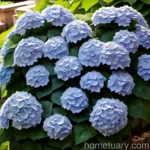
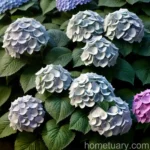
The bigleaf hydrangea (Hydrangea macrophylla) is a species of hydrangea native to Japan and China, and it belongs to the family Hydrangeaceae. It is renowned for its large, showy, and distinctively shaped flower heads, which can vary in color from pink and blue to purple depending on the soil pH. The ‘Shamrock’ variety, in particular, is prized for its splendid foliage and vibrant, long-lasting blooms.
This deciduous shrub typically reaches a height of 3 to 6 feet and has a spread of 4 to 6 feet, making it an excellent choice for borders, hedges, and container plantings. The bigleaf hydrangea is esteemed for its aesthetic appeal and can serve as a focal point in gardens or complement other plants in mixed beddings. It thrives under the right conditions and rewards gardeners with an abundance of breathtaking flowers.
Key Takeaways – Bigleaf Hydrangea (Hydrangea macrophylla ‘Shamrock’)
Before delving into the specific aspects of the bigleaf hydrangea’s culture and care, let’s briefly highlight the key takeaways about this captivating plant.
- Scientific Name: Hydrangea macrophylla ‘Shamrock’
- Common Name: Bigleaf Hydrangea ‘Shamrock’
- Family: Hydrangeaceae
- Plant Type: Deciduous shrub
- Mature Height: 3 to 6 feet
- Mature Spread: 4 to 6 feet
- Flower Colors: Pink, blue, purple (influenced by soil pH)
- Foliage: Lush and vibrant, offering year-round interest
- Versatility: Suitable for borders, containers, hedges, and mixed plantings
- Appeal: Attracts butterflies, suitable for cut flowers, adds visual interest to landscapes
Now that we have an overview of the bigleaf hydrangea, let’s explore the various aspects of its culture, care, and use in more detail.
Culture of the Bigleaf Hydrangea (Hydrangea macrophylla ‘Shamrock’)
Water
Proper watering is crucial for the health and vitality of the bigleaf hydrangea. It is essential to maintain consistent soil moisture, especially during the plant’s establishment phase and periods of drought. However, it’s equally important to avoid waterlogged conditions, as this can lead to root rot and other issues.
- Watering Schedule: Water the plant deeply 2-3 times per week during dry spells.
- Soil Moisture: Ensure that the soil is consistently moist but not waterlogged.
- Mulching: Apply a layer of organic mulch around the base of the plant to help retain soil moisture.
Sunlight
The bigleaf hydrangea thrives in a location with the right balance of sunlight and shade. While it appreciates bright, indirect light, it benefits from some protection from the intense afternoon sun, particularly in warmer climates.
- Ideal Sunlight: Partial shade to filtered sun is optimal for healthy growth and prolific flowering.
- Morning Sun: Exposure to morning sun is beneficial, but protection from harsh afternoon sunlight is advised.
- Shade Tolerance: The plant can tolerate moderate shade, especially in regions with hot summers.
Fertilizer
Feeding the bigleaf hydrangea with suitable fertilizers can enhance its growth and flowering performance. The application of fertilizers should be done with care, considering the specific nutrient requirements of the plant.
- Fertilizer Type: Use a balanced, slow-release fertilizer formulated for flowering shrubs.
- Timing: Apply fertilizers in early spring before new growth emerges and in late spring or early summer.
- Avoid Over-fertilization: Excessive fertilization can lead to excessive foliage growth at the expense of flowers.
Soil
The soil composition and pH level play a pivotal role in determining the flower color of the bigleaf hydrangea. Understanding and managing the soil conditions can help achieve the desired bloom colors and provide an optimal growing environment for the plant.
- Soil Type: Well-draining, loamy soil enriched with organic matter is ideal for the plant.
- Soil pH: Acidic soil (pH 5.2-5.5) produces blue flowers, while alkaline soil (pH 6.0-6.2) yields pink flowers.
- Soil Amendment: Use aluminum sulfate to lower the pH for blue blooms and lime to raise the pH for pink blooms.
Pruning Bigleaf Hydrangea (Hydrangea macrophylla ‘Shamrock’)
Pruning is a crucial aspect of maintaining the health, shape, and flowering prowess of the bigleaf hydrangea. However, it is essential to understand the specific pruning requirements of this plant to avoid inadvertently removing next season’s flower buds.
Pruning Time
Timing is critical when it comes to pruning the bigleaf hydrangea, as it directly impacts the plant’s blooming potential. Different varieties may have slightly different pruning requirements, and it’s important to identify the specific type of hydrangea to determine the optimal pruning approach.
- Prune After Bloom: For most bigleaf hydrangeas, the best time to prune is immediately after they finish blooming.
- Avoid Late Winter Pruning: Pruning in late winter may remove potential flower buds, leading to diminished blooming in the upcoming season.
Pruning Techniques
Understanding the growth habits and flowering patterns of the bigleaf hydrangea is essential for effective pruning. Different types of pruning techniques can be applied to achieve desired outcomes, whether it involves rejuvenating an overgrown shrub or shaping it for aesthetic appeal.
- Deadheading Spent Blooms: Remove faded flowers to promote reblooming and maintain a tidy appearance.
- Selective Pruning: Trim back wayward or leggy growth to encourage a more compact and balanced form.
- Removal of Dead or Damaged Wood: Eliminate any dead or diseased wood to enhance the plant’s health and vigor.
Propagation of Bigleaf Hydrangea (Hydrangea macrophylla ‘Shamrock’)
While the bigleaf hydrangea can be propagated through various methods, including cuttings and division, it’s essential to choose a suitable approach based on the existing plant, available resources, and desired results.
Propagation Methods
Propagation offers an opportunity to increase the number of bigleaf hydrangeas in your garden, share plants with friends, or replenish aging specimens. Here are some common methods of propagating this beloved shrub.
- Softwood Cuttings: Take softwood cuttings in late spring to early summer and root them in a suitable growing medium.
- Layering: Encourage natural layering by allowing low-hanging branches to make contact with the soil and form new roots.
- Division: Divide mature plants in early spring to create multiple specimens, ensuring each division has sufficient roots and foliage.
Bigleaf Hydrangea (Hydrangea macrophylla ‘Shamrock’) in Containers
The bigleaf hydrangea is well-suited for cultivation in containers, offering a portable and versatile way to showcase its beauty on patios, balconies, and other compact spaces.
Container Selection
Choosing an appropriate container is essential for the well-being of the bigleaf hydrangea when grown in a pot. The container should provide adequate space for root development and offer good drainage to prevent waterlogging.
- Size: Select a large container with a volume of at least 15 gallons to accommodate the plant’s root system.
- Drainage Holes: Ensure the container has drainage holes to prevent excess water from pooling at the bottom.
Container Care
Caring for a bigleaf hydrangea in a container involves paying attention to watering, fertilization, and winter protection to ensure its longevity and flowering potential.
- Watering: Monitor the soil moisture regularly and water the plant when the top inch of the soil feels dry.
- Fertilization: Feed container-grown hydrangeas with a balanced, slow-release fertilizer according to the product’s guidelines.
- Winter Protection: Provide insulation or move the container to a sheltered location during harsh winter conditions.
Popularity of Bigleaf Hydrangea (Hydrangea macrophylla ‘Shamrock’)
The bigleaf hydrangea, especially the ‘Shamrock’ variety, has gained significant popularity among gardeners and landscaping enthusiasts due to its alluring attributes and adaptability to various garden settings.
- Landscape Versatility: Suitable for borders, hedges, containers, and mixed plantings, adding color and texture to diverse landscapes.
- Aesthetic Appeal: Known for its captivating blooms and lush foliage, serving as a visual delight in home gardens and public spaces.
- Cultural Significance: Celebrated in horticultural events, floral arrangements, and botanical collections for its ornamental value.
Common Diseases Affecting the Bigleaf Hydrangea (Hydrangea macrophylla ‘Shamrock’)
Despite its resilience, the bigleaf hydrangea can be susceptible to certain diseases, particularly when grown in unfavorable conditions or exposed to stress factors.
Disease Diagnosis
Recognizing the symptoms of common diseases that afflict the bigleaf hydrangea is crucial for prompt identification and implementation of appropriate remedies.
- Powdery Mildew: Characterized by a powdery, white coating on the leaves, caused by fungal infection favored by high humidity.
- Leaf Spot: Manifests as dark, irregular spots on the leaves, often caused by bacterial or fungal pathogens under humid conditions.
- Root Rot: Results in wilting, yellowing foliage, and stunted growth, caused by excessive soil moisture and poorly drained soil.
Disease Management
Preventive measures and timely interventions are essential for managing and mitigating the impact of diseases on the bigleaf hydrangea.
- Cultural Practices: Encourage good air circulation, proper watering, and routine plant care to minimize disease development.
- Fungicidal Treatments: Apply fungicides as a preventive measure or at the first signs of disease to control fungal infections.
- Sanitation: Remove and dispose of affected plant parts, such as infected leaves, to prevent the spread of diseases.
Common Pests Affecting the Bigleaf Hydrangea (Hydrangea macrophylla ‘Shamrock’)
While the overarching resilience of the bigleaf hydrangea minimizes pest-related issues, certain insects can occasionally pose a threat to the plant’s health and aesthetics.
Pest Identification
Being familiar with the common pests that target the bigleaf hydrangea enables early detection and appropriate pest management strategies.
- Aphids: Small, soft-bodied insects that cluster on the undersides of leaves, causing distortions and honeydew secretion.
- Spider Mites: Tiny arachnids that feed on the leaves, creating stippling, discoloration, and webbing under severe infestations.
- Scale Insects: They appear as small, immobile bumps on stems and leaves, sapping the plant’s vitality through their feeding activity.
Pest Management
Implementing a combination of preventive measures and targeted controls can effectively address pest issues without jeopardizing the overall health of the bigleaf hydrangea.
- Natural Predators: Encourage the presence of beneficial insects and predatory arthropods that feed on common pests, promoting a balanced ecosystem.
- Horticultural Oils: Apply horticultural oils to suffocate and disrupt the lifecycle of certain pests, such as aphids and spider mites.
- Insecticidal Soaps: Utilize insecticidal soaps as a low-impact intervention to control soft-bodied pests like aphids and scales.
Botanist’s Tips for Growing the Bigleaf Hydrangea (Hydrangea macrophylla ‘Shamrock’)
As a seasoned plant scientist, I’m delighted to share some valuable insights and practical tips for cultivating and nurturing the bigleaf hydrangea to ensure its optimal growth and blooming performance.
- Soil Testing: Regularly assess the soil pH and nutrient levels to maintain an environment that supports the plant’s health and encourages vibrant blooms.
- Mulching: Apply a layer of organic mulch around the base of the plant to conserve soil moisture, moderate soil temperature, and inhibit weed growth.
- Seasonal Care: Tailor your care practices, such as watering, fertilization, and pruning, according to the specific needs of the bigleaf hydrangea at different times of the year.
- Observation and Adaptation: Monitor the plant for any signs of stress, disease, or pests, and adjust your care routine accordingly to address emerging issues promptly.
Fun Facts About the Bigleaf Hydrangea (Hydrangea macrophylla ‘Shamrock’)
To further appreciate the allure of the bigleaf hydrangea, here are some intriguing and delightful facts about this beloved shrub.
- Changing Bloom Colors: The flower color of the bigleaf hydrangea can change based on soil pH, allowing for an array of pink, blue, and purple hues in the same plant.
- Spherical Flowerheads: The distinct flower clusters of the bigleaf hydrangea form gorgeous, spherical heads, creating a stunning visual impact in gardens and floral arrangements.
- Antique Elegance: Many traditional gardens and historical landscapes feature bigleaf hydrangeas, adding a touch of timeless charm and elegance to these settings.
Links to External Resources
To expand your knowledge and expertise on the bigleaf hydrangea, I highly recommend exploring the following reputable resources:
- American Hydrangea Society: An organization dedicated to advancing the knowledge of hydrangeas and fostering appreciation for these captivating plants.
- The Spruce – Hydrangea Growing Tips: An informative article providing practical guidance on growing hydrangeas in containers.
- University of Georgia Extension – Hydrangeas in the Landscape: A comprehensive publication offering insights into the cultivation and care of hydrangeas in different landscape settings.
With these external resources, you can delve deeper into the world of bigleaf hydrangeas, gain valuable insights from experts, and further refine your gardening skills.
In conclusion, the bigleaf hydrangea, particularly the ‘Shamrock’ variety, epitomizes the beauty, versatility, and horticultural significance of this beloved species. From its captivating blooms and foliage to its adaptability in various garden settings, the bigleaf hydrangea continues to enthrall and inspire both seasoned gardeners and newcomers to the world of horticulture. By understanding its culture, care requirements, and potential uses, we can celebrate and cherish the timeless allure of the bigleaf hydrangea, fostering its presence in gardens and landscapes for generations to come.
As a plant scientist passionate about horticulture and botany, I thoroughly enjoyed delving into the intricacies of the bigleaf hydrangea (Hydrangea macrophylla ‘Shamrock’). This comprehensive guide aims to offer valuable insights and practical guidance for all enthusiasts of gardening and ornamental plants.