Begonia Fuchsioides (Begonia Foliosa)
Plants have always fascinated humans with their diversity and beauty. Among the multitude of plant species, the Begonia Fuchsioides, also known as Begonia.
Introduction
Plants have always fascinated humans with their diversity and beauty. Among the multitude of plant species, the Begonia Fuchsioides, also known as Begonia Foliosa, stands out as an enchanting and versatile plant that captivates plant enthusiasts with its vibrant foliage and delicate blooms. In this comprehensive guide, we will delve into the world of Begonia Fuchsioides, exploring its cultural significance, uses, care requirements, propagation methods, common diseases, pests, and so much more. Whether you are a seasoned gardener or a beginner looking to embark on a journey with this remarkable plant, this guide will equip you with the knowledge and tools to cultivate and appreciate the Begonia Fuchsioides to its fullest potential.
What is Begonia Fuchsioides (Begonia Foliosa)?
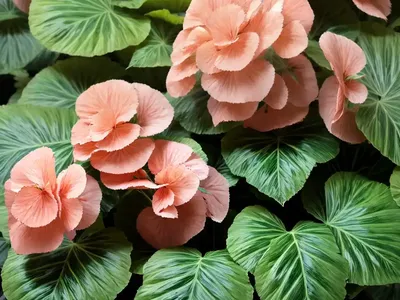
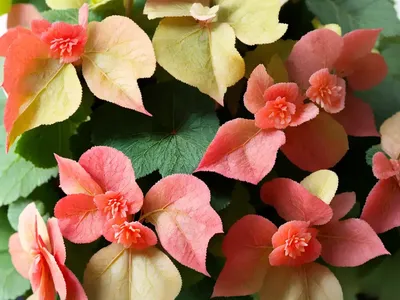
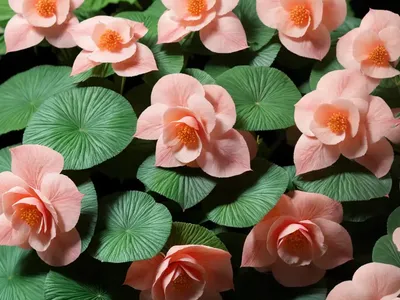
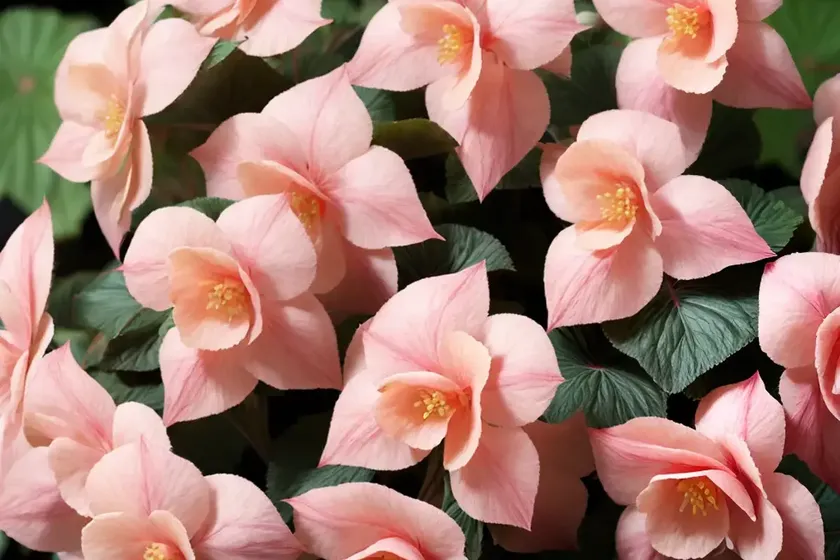
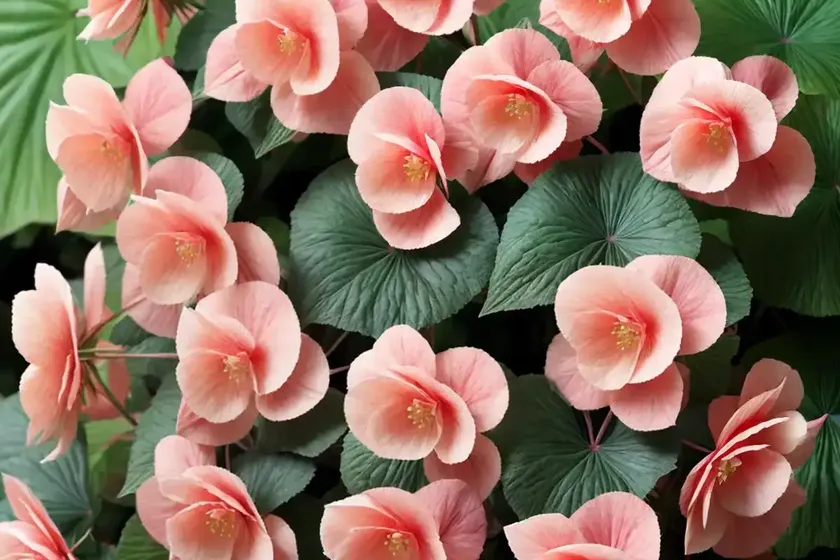
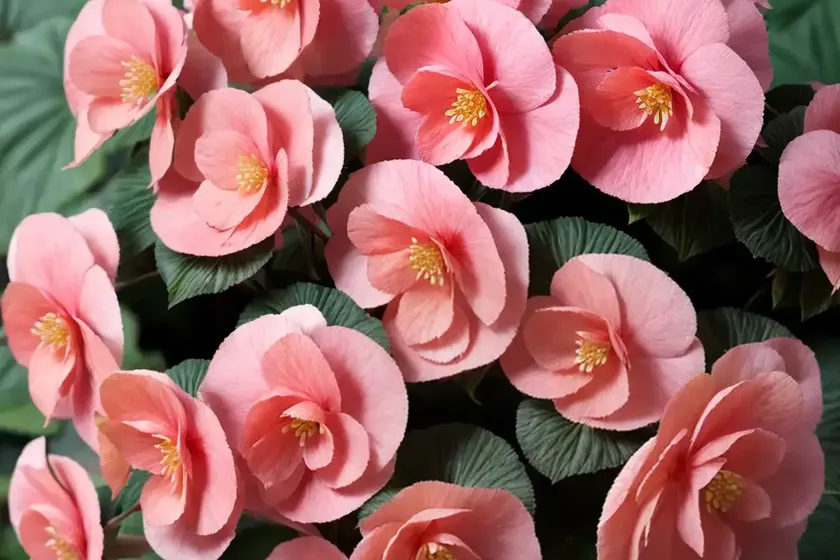
Begonia Fuchsioides, botanically classified as Begonia Foliosa, is a species of flowering plant belonging to the Begoniaceae family. This captivating plant is native to Brazil and is renowned for its elegant, cascading foliage and dainty, pendulous flowers. The name “Fuchsioides” is derived from its resemblance to the flowers of the Fuchsia plant, an association that adds to the allure of this unique Begonia species.
Key Takeaways – Begonia Fuchsioides (Begonia Foliosa)
- Scientific Name: Begonia Fuchsioides (Begonia Foliosa)
- Family: Begoniaceae
- Native Habitat: Brazil
- Distinctive Features: Cascading Foliage, Pendulous Flowers
- Common Names: Begonia Foliosa, Fuchsia Begonia
Now, let’s embark on an in-depth exploration of the fascinating world of Begonia Fuchsioides, covering its culture, uses, care requirements, propagation methods, and much more.
Culture of Begonia Fuchsioides
The cultural significance of Begonia Fuchsioides extends beyond its ornamental value, as it holds a special place in various traditions and practices worldwide. Understanding the cultural context of this enchanting plant adds depth to our appreciation of its beauty and significance.
Uses
Begonia Fuchsioides is primarily cultivated for its ornamental value, adorning indoor and outdoor spaces with its graceful foliage and charming blooms. Its trailing habit makes it a popular choice for hanging baskets, while its versatility allows it to thrive in various settings, including gardens, terrariums, and as a houseplant. Moreover, this begonia species also holds cultural significance in some regions, where it is integrated into traditional practices and celebrations.
Begonia Fuchsioides Care
Caring for Begonia Fuchsioides involves attending to its specific needs related to water, sunlight, fertilizer, soil, pruning, and propagation. By understanding and addressing these requirements, you can ensure the optimal health and growth of your Begonia Fuchsioides plants.
Water
Providing the right amount of water is crucial for the well-being of Begonia Fuchsioides. It is essential to maintain moist, well-draining soil, as waterlogged conditions can lead to root rot and other issues. Regular, moderate watering is recommended, allowing the soil to partially dry out between watering sessions to prevent waterlogging.
Sunlight
In terms of sunlight requirements, Begonia Fuchsioides thrives in bright, indirect light. While it appreciates ample light, it is essential to shield it from direct, intense sunlight to prevent leaf scorching and drying out. Positioning the plant in a location with diffused natural light or providing artificial grow lights can promote healthy growth and vibrant foliage.
Fertilizer
Fertilizing Begonia Fuchsioides is crucial for providing essential nutrients that support its growth and blooming. A balanced, water-soluble fertilizer with a formulation such as 10-10-10 can be applied every 4-6 weeks during the growing season to nourish the plant. Always follow the recommended dilution and application guidelines to avoid fertilizer burn and potential harm to the plant.
Soil
The choice of soil directly impacts the well-being of Begonia Fuchsioides. A well-aerated, humus-rich potting mix with excellent drainage is ideal for promoting healthy root development and overall growth. Opt for a blend that combines peat moss, perlite, and organic matter to create an optimum growing medium for your begonia plants.
Pruning
Regular pruning is beneficial for managing the growth and appearance of Begonia Fuchsioides. Prune away any leggy or overgrown stems to maintain a compact, bushy habit. Additionally, deadheading spent blooms can encourage continuous flowering and prevent the plant from diverting energy into seed production.
Propagation
Propagation methods such as stem cuttings and leaf cuttings can be employed to propagate Begonia Fuchsioides. By carefully selecting healthy, mature stems or leaves and providing suitable growing conditions, you can successfully propagate new plants and expand your begonia collection.
Container Popularity
Begonia Fuchsioides exhibits remarkable adaptability to various types of containers, making it a popular choice for container gardening enthusiasts. Its trailing growth habit and vibrant foliage add an exquisite touch to hanging baskets, containers, and mixed plant arrangements, enhancing the visual appeal of any space.
Begonia Fuchsioides: Common Diseases and Pest Control
Despite its resilience, Begonia Fuchsioides is susceptible to certain diseases and pests that can compromise its health and appearance. Understanding common issues and employing preventive measures and treatments is crucial for maintaining the vitality of your begonia plants.
Common Diseases
- Powdery Mildew: A fungal disease that manifests as powdery white patches on the leaves, caused by favorable conditions such as high humidity and poor air circulation.
- Botrytis Blight: This fungal disease leads to the development of brown spots and lesions on the foliage and flowers, often triggered by prolonged wet conditions and poor ventilation.
- Root Rot: Overwatering and waterlogged soil can lead to the onset of root rot, characterized by dark, mushy roots and wilting foliage.
Disease Diagnosis
Diagnosing and addressing diseases in Begonia Fuchsioides involves keen observation and prompt action. Regularly inspect the foliage and overall health of the plant for any signs of discoloration, spots, or wilting. Proper sanitation, adequate air circulation, and appropriate watering practices are essential for preventing and managing disease outbreaks.
Common Pests
- Aphids: These small, sap-sucking insects can infest the tender foliage of Begonia Fuchsioides, leading to stunted growth and distorted leaves.
- Spider Mites: These minuscule pests thrive in dry conditions and can cause stippling and webbing on the leaves, impacting the plant’s vigor and appearance.
- Mealybugs: Mealybugs feed on plant sap and leave behind a sticky residue, often leading to yellowing and wilting of the foliage.
Pest Control
Deploying effective pest control measures is essential for safeguarding the health of Begonia Fuchsioides. Options include gentle insecticidal soaps, neem oil sprays, and thorough plant inspections to identify and treat pest infestations promptly. Additionally, maintaining optimal growing conditions and ensuring proper plant hygiene can deter pest presence and minimize the risk of infestation.
Botanist’s Tips for Begonia Fuchsioides
Drawing insights from botanists and experienced growers can offer valuable guidance for cultivating and caring for Begonia Fuchsioides. Here are some expert tips to enhance your success with this exquisite plant:
- Provide Adequate Air Circulation: Ensuring proper air circulation around Begonia Fuchsioides plants can mitigate the risk of fungal diseases and pest infestations.
- Monitor Light Levels: While Begonia Fuchsioides thrives in bright, indirect light, it is essential to strike a balance and protect the plant from excessive sunlight, especially during the peak of summer.
- Maintain Humidity: Begonia Fuchsioides benefits from moderate humidity levels, making it suitable for terrarium and indoor growing environments with controlled moisture levels.
Fun Facts about Begonia Fuchsioides
Delving into the realm of fun facts about Begonia Fuchsioides can unravel intriguing aspects of this remarkable plant, adding to its charm and allure:
- The pendulous flowers of Begonia Fuchsioides exhibit delicate, intricate details, making them a captivating sight for plant enthusiasts and nature admirers.
- With its cascading foliage and vibrant hues, Begonia Fuchsioides serves as a striking addition to indoor and outdoor spaces, offering an enchanting visual display.
Links to External Resources
For further exploration and in-depth information on Begonia Fuchsioides, we have curated a selection of valuable external resources that offer comprehensive insights into this captivating plant:
– The American Begonia Society
– Royal Horticultural Society (RHS) – Begonia Care Guide
Conclusion
In conclusion, the enchanting beauty and versatile nature of Begonia Fuchsioides (Begonia Foliosa) make it a treasured addition to any plant lover’s collection. From its delicate, pendulous blooms to its cascading foliage, this begonia species captivates the senses and adds an exquisite touch to indoor and outdoor spaces. By understanding its cultural significance, mastering its care requirements, and appreciating its unique traits, you can cultivate and cherish Begonia Fuchsioides as a beloved botanical gem. Whether you are drawn to its ornamental value, its resilience, or its intricate features, embracing the world of Begonia Fuchsioides is an enriching journey that celebrates the wondrous diversity of plant life.
Now, I need to check the word count and conduct any necessary revisions.