Begonia boliviensis ‘Bonfire’: The Ultimate Care Guide
Introduction
Begonia boliviensis ‘Bonfire’ is an exquisite plant known for its vibrant flowers and beautiful foliage. This plant belongs to the Begoniaceae family and is native to the Andean region of South America. Its stunning appearance and relatively easy care requirements have made it a popular choice for both indoor and outdoor gardening enthusiasts.
In this comprehensive guide, we will delve into the various aspects of caring for Begonia boliviensis ‘Bonfire’, including its culture, uses, water and sunlight requirements, fertilizer needs, soil preferences, pruning techniques, propagation methods, container gardening tips, common diseases, and pest control. By the end of this guide, you will have all the information you need to cultivate and maintain healthy Begonia boliviensis ‘Bonfire’ plants in your own garden.
Plant Name: Begonia boliviensis ‘Bonfire’
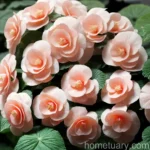
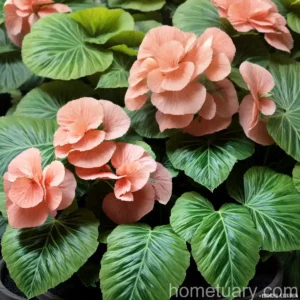
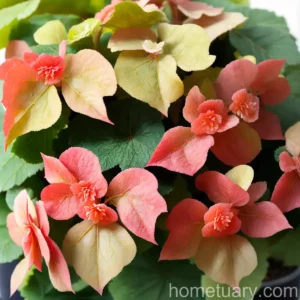
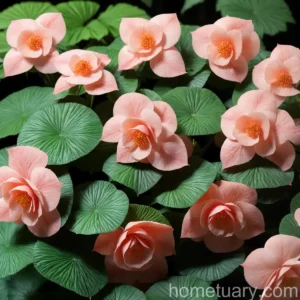
Begonia boliviensis ‘Bonfire’, often referred to as the Bolivian Begonia ‘Bonfire’, is a cultivar known for its fiery red-orange blossoms and cascading growth habit. This plant is prized for its ability to thrive in hanging baskets, containers, and garden beds, adding a vibrant touch to any space with its abundant, pendulous flowers.
Key Takeaways
Before we dive into the details of caring for Begonia boliviensis ‘Bonfire’, let’s explore the key takeaways of this plant:
- Scientific Name: Begonia boliviensis
- Common Name: Bonfire Begonia, Bolivian Begonia
- Plant Type: Perennial
- Hardiness Zone: 9-11
- Mature Height: 12-18 inches
- Mature Spread: 18-24 inches
- Growth Habit: Cascading
- Flower Color: Red-orange
- Foliage: Glossy, green, and serrated
- Uses: Hanging baskets, containers, garden beds
- Special Features: Attracts hummingbirds, long-blooming
Now, let’s delve into the various aspects of caring for Begonia boliviensis ‘Bonfire’.
Culture
Uses
Begonia boliviensis ‘Bonfire’ is primarily cultivated for ornamental purposes due to its striking flowers and attractive foliage. Its cascading growth habit makes it well-suited for hanging baskets, where its vibrant blooms can gracefully drape over the edges. Additionally, it can be planted in containers or garden beds to add a pop of color to outdoor spaces.
Water
Proper watering is crucial for the health of Begonia boliviensis ‘Bonfire’. It is essential to maintain consistently moist, but not waterlogged, soil for this plant. During the growing season, regular watering is necessary to keep the soil evenly moist. However, it is equally important to avoid overwatering, as this can lead to root rot and other issues.
- Watering Needs:
- Water regularly during the growing season, ensuring that the soil remains evenly moist.
- Allow the top inch of the soil to dry out slightly between waterings to prevent waterlogged conditions.
- During the winter months or periods of dormancy, reduce the frequency of watering while ensuring that the plant does not dry out completely.
Sunlight
Begonia boliviensis ‘Bonfire’ thrives in partial shade to full shade conditions. While it can tolerate some morning sun, it is essential to protect it from harsh afternoon sun, especially in regions with hot summers. In indoor settings, this plant can be placed near east- or west-facing windows to provide the ideal balance of light and shade.
- Sunlight Requirements:
- Partial shade to full shade is optimal for Begonia boliviensis ‘Bonfire’.
- Protect the plant from intense afternoon sun, especially in warmer climates.
- Indoors, place the plant near east- or west-facing windows to ensure adequate light without direct sun exposure.
Fertilizer
Providing the right nutrients is essential for promoting lush foliage and prolific flowering in Begonia boliviensis ‘Bonfire’. A balanced, water-soluble fertilizer can be applied during the growing season to support healthy growth and vibrant blooms. However, it is crucial to follow the recommended dilution and frequency to avoid fertilizer burn or nutrient imbalances.
- Fertilizing Tips:
- Use a balanced, water-soluble fertilizer with an NPK ratio of 20-20-20 or similar.
- Apply the fertilizer at half-strength every 2-4 weeks during the growing season.
- Avoid fertilizing during the winter or dormant periods to prevent excessive growth and potential stress on the plant.
Soil
Good quality, well-draining soil is essential for Begonia boliviensis ‘Bonfire’. A porous potting mix with high organic matter content and excellent drainage properties is ideal for promoting healthy root development and preventing waterlogged conditions. Additionally, maintaining slightly acidic to neutral soil pH is beneficial for this plant.
- Soil Requirements:
- Use a well-draining, porous potting mix with high organic matter content.
- Aim for a slightly acidic to neutral soil pH (6.0-7.0) for optimal growth.
- Consider adding perlite or coarse sand to improve soil aeration and drainage if necessary.
Pruning
Regular pruning and deadheading can help maintain the tidy appearance of Begonia boliviensis ‘Bonfire’ and encourage continuous blooming. Removing spent flowers and pruning leggy or straggly growth can promote bushier, more compact growth and stimulate the production of new blooms.
- Pruning Techniques:
- Deadhead spent flowers regularly to encourage continuous blooming.
- Trim back leggy stems to promote bushy growth and maintain a compact shape.
- Use clean, sharp pruning shears to make precise cuts and minimize damage to the plant.
Propagation
Begonia boliviensis ‘Bonfire’ can be propagated through stem cuttings with relative ease. By taking stem cuttings from healthy, established plants and providing the right conditions for root development, gardeners can propagate new Begonia boliviensis ‘Bonfire’ plants to expand their collection or share with other enthusiasts.
- Propagation Methods:
- Take 4-6 inch stem cuttings from the healthy, non-flowering shoots of the plant in spring or early summer.
- Remove the lower leaves from the cuttings and dip the cut ends in a rooting hormone to promote root development.
- Plant the cuttings in a well-draining potting mix and keep them consistently moist until roots develop.
Container Gardening
Begonia boliviensis ‘Bonfire’ is well-suited for container gardening, particularly in hanging baskets and decorative pots. When grown in containers, this plant adds a vibrant touch to patios, balconies, and outdoor living spaces, creating cascades of colorful flowers and lush foliage.
- Container Gardening Tips:
- Choose a well-draining container with ample drainage holes to prevent waterlogging.
- Use a high-quality potting mix with added perlite or coarse sand for improved drainage.
- Consider hanging baskets or decorative pots to showcase the trailing growth habit of the plant.
Popularity
Begonia boliviensis ‘Bonfire’ has gained widespread popularity among gardeners and horticultural enthusiasts for several reasons. Its stunning flowers, easy care requirements, and adaptability to both indoor and outdoor settings have contributed to its increasing popularity as a choice for ornamental gardening.
Common Diseases
Like any plant, Begonia boliviensis ‘Bonfire’ is susceptible to certain diseases, particularly under unfavorable growing conditions or when exposed to pathogens. Recognizing the signs of common diseases and understanding their causes can help gardeners take preventive measures and manage potential issues effectively.
Disease Diagnosis
Some of the common diseases that may affect Begonia boliviensis ‘Bonfire’ include:
-
Powdery Mildew: This fungal disease appears as a powdery white coating on the leaves, often causing them to become distorted or discolored. It thrives in humid conditions and can spread rapidly if not addressed promptly.
-
Botrytis Blight: Also known as gray mold, this fungal disease leads to the development of grayish-brown mold on the foliage and flowers. It often occurs in damp, cool conditions and can result in rapid deterioration of affected plant parts.
-
Root Rot: Excessive moisture or poorly draining soil can lead to root rot, a condition characterized by dark, mushy roots and wilting foliage. This can be caused by overwatering or waterlogged soil, leading to root suffocation and decay.
Disease Prevention
To prevent common diseases in Begonia boliviensis ‘Bonfire’, gardeners can take several preventive measures, including:
- Promote Good Air Circulation: Ensure proper spacing between plants and provide adequate air circulation to reduce humidity and prevent the buildup of moisture on foliage.
- Avoid Overhead Watering: Water at the base of the plant to minimize moisture on the leaves, which can contribute to the development of fungal diseases.
- Monitor Soil Moisture: Avoid overwatering and ensure the soil has sufficient drainage to prevent waterlogged conditions and the onset of root rot.
Common Pests
Begonia boliviensis ‘Bonfire’ may also be susceptible to pest infestations, with some common pests posing a threat to its health and vitality. Recognizing the signs of pest damage and implementing appropriate pest control measures can help protect the plant from potential harm.
Pest Control
Some of the common pests that may affect Begonia boliviensis ‘Bonfire’ include:
-
Aphids: These tiny, soft-bodied insects may cluster on the undersides of leaves and feed on the plant’s sap, causing distortion and yellowing of foliage.
-
Spider Mites: These minuscule pests can cause stippling and webbing on the leaves, leading to discoloration and reduced plant vigor.
-
Mealybugs: Mealybugs are small, white, cottony insects that often congregate on the stems and leaf nodes, sucking sap and weakening the plant.
Pest Prevention
To prevent pest infestations and minimize damage to Begonia boliviensis ‘Bonfire’, gardeners can implement the following preventive measures:
- Inspect Plants Regularly: Routinely check the plant for signs of pest activity, including distorted leaves, stippling, webbing, or the presence of small insects.
- Maintain Plant Health: Ensure proper watering, fertilization, and growing conditions to promote the vitality of the plant, making it less susceptible to pest attacks.
- Use Natural Predators or Controls: Introduce natural predators such as ladybugs or use insecticidal soaps as a targeted pest control measure to manage infestations.
Botanist’s Tips
To cultivate thriving Begonia boliviensis ‘Bonfire’ plants and enjoy an abundance of vibrant blooms, consider the following botanist’s tips:
- Provide Adequate Drainage: Use containers with sufficient drainage holes and ensure well-draining soil to prevent waterlogged conditions and root-related issues.
- Monitor Moisture Levels: Maintain consistent soil moisture without overwatering, as excessive moisture can lead to root rot and other problems.
- Protect from Extreme Conditions: Shield the plant from intense afternoon sun and harsh environmental conditions to prevent stress and damage to the foliage.
- Regular Pruning: Engage in regular deadheading and pruning to maintain the plant’s shape, promote continuous flowering, and prevent the accumulation of spent blooms.
- Integrated Pest Management: Implement an integrated pest management approach, including regular inspection, preventive measures, and targeted controls to manage potential pest issues effectively.
Fun Facts
- Attracts Hummingbirds: The vibrant, pendulous flowers of Begonia boliviensis ‘Bonfire’ are known to attract hummingbirds, adding an enchanting element to garden spaces.
- Long-Blooming: This plant is celebrated for its prolonged blooming period, with flowers continuing to grace the garden from spring to fall in favorable conditions.
- Cascading Beauty: The trailing growth habit of Begonia boliviensis ‘Bonfire’ makes it an ideal choice for hanging baskets, where its cascading blooms create a stunning visual display.
Links to External Resources
For further information on the care and cultivation of Begonia boliviensis ‘Bonfire’, you may find the following resources helpful:
- Royal Horticultural Society – Begonia boliviensis
- University of Florida IFAS Extension – Begonias for Florida
In conclusion, Begonia boliviensis ‘Bonfire’ is a captivating plant that offers a wealth of ornamental beauty and charm to both indoor and outdoor settings. By understanding its specific care requirements, including water, sunlight, fertilization, soil, pruning, propagation, container gardening, disease management, and pest control, gardeners can cultivate thriving Begonia boliviensis ‘Bonfire’ plants and revel in their spectacular display of vibrant blooms. Whether cascading from a hanging basket or adorning a garden bed, this remarkable plant is sure to captivate the hearts of gardening enthusiasts and nature lovers alike.