Beetroot (Beta Vulgaris)
Beetroot (Beta vulgaris) is a versatile and nutritious vegetable that is widely cultivated for its edible root and leaves. This blog post will delve into.
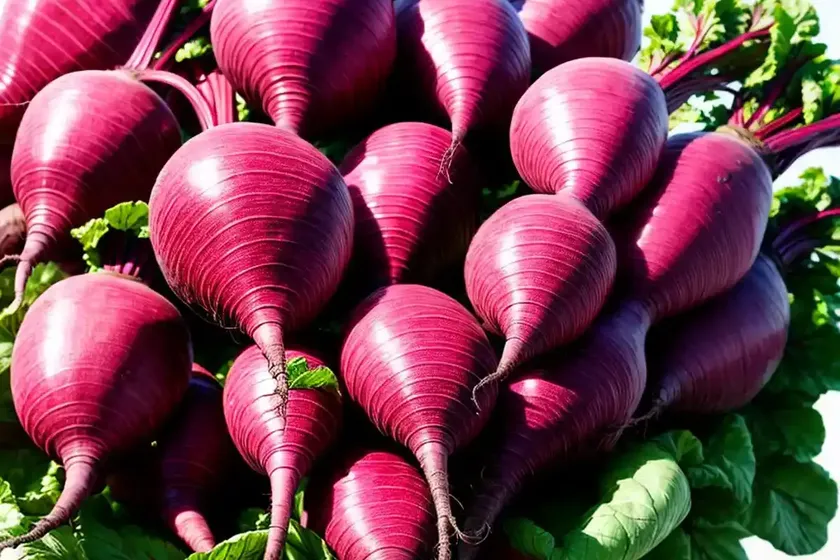
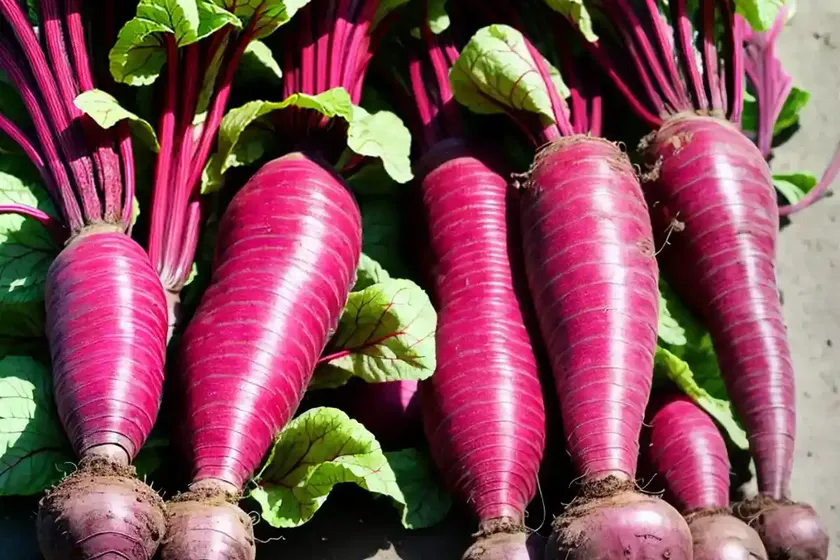
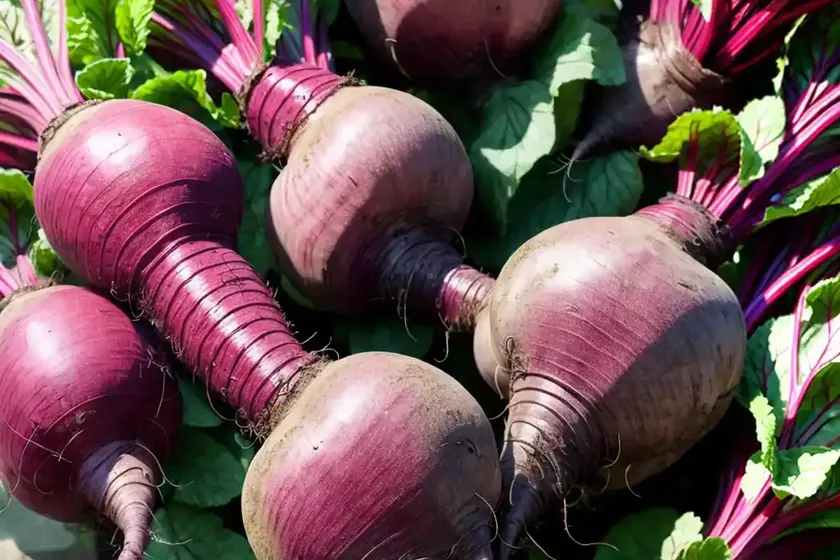
Beetroot (Beta vulgaris) is a versatile and nutritious vegetable that is widely cultivated for its edible root and leaves. This blog post will delve into the various aspects of growing, using, and enjoying this remarkable plant, as well as its cultural practices, uses, and common diseases and pests.
What is Beetroot?
Beetroot, scientifically known as Beta vulgaris, is a member of the Amaranthaceae family, a group of plants known for their edible leaves and roots. It is valued for both its edible roots and its vibrant green foliage. Beetroots are known for their rich, earthy flavor and are often eaten boiled, roasted, or raw. They are also frequently used as a natural food coloring, owing to their deep red hue.
Key Takeaways – Beetroot (Beta vulgaris)
Beetroot is not only a delicious and versatile vegetable but also offers numerous health benefits. Some of the key takeaways about beetroot include:
- Rich in essential nutrients such as vitamins, minerals, and antioxidants
- Can be consumed in various forms including raw, cooked, juiced, and pickled
- Used in traditional medicine for its medicinal properties
- Exhibits potential health benefits related to blood pressure, athletic performance, anti-aging, and more
- Can be grown in containers, making it accessible for urban and small-space gardeners
Now, let’s explore the cultural practices and requirements for growing beetroot, as well as its uses and benefits.
Culture
Water
Beetroots require consistently moist soil to thrive. Adequate water is essential for the development of plump, flavorful roots. However, waterlogged soil should be avoided as it can lead to rot and other issues. Regular watering, especially during dry periods, will help ensure the plants remain healthy and produce quality roots.
Sunlight
Beetroot plants prefer full sun, meaning they require a minimum of 6 hours of direct sunlight each day. A sunny location will promote the growth of strong, healthy plants and aid in the development of flavorful, vibrant roots.
Fertilizer
When cultivating beetroot, it’s important to provide sufficient nutrients for optimal growth. Incorporating well-balanced fertilizer into the soil before planting can help ensure the plants have access to essential nutrients. Additionally, side dressing with nitrogen-rich fertilizer during the growing season can promote robust leaf growth and root development.
Soil
Beetroots thrive in well-draining, loamy soil with a slightly acidic to neutral pH (6.5-7.0). It’s essential to maintain soil fertility and structure for successful beetroot cultivation. Adding organic matter, such as compost, to the soil can enhance its structure and provide essential nutrients for the plants.
Pruning
While beetroot plants do not require extensive pruning, it’s important to thin the seedlings to ensure proper spacing for optimal root development. Thinning the seedlings to 3-4 inches apart can prevent overcrowding, allowing the remaining plants to grow vigorously and produce well-formed roots.
Uses
Culinary Uses
Beetroot is a versatile vegetable that can be used in various culinary applications. Some common uses of beetroot include:
- Roasting: Roasted beetroot offers a sweet, caramelized flavor and can be used in salads, side dishes, or enjoyed on its own.
- Salads: Raw or cooked beetroot can be added to salads, providing a vibrant color and unique flavor profile.
- Juicing: Beetroots can be juiced to create a nutritious and vibrant beverage that is rich in essential nutrients.
- Pickling: Pickled beetroot is a popular preservation method that enhances the vegetable’s flavor and extends its shelf life.
- Soups and Stews: Beetroot can be used to add depth and richness to various soups and stews.
Medicinal Uses
In addition to its culinary uses, beetroot is also utilized for its potential health benefits. Some of the health-related uses and benefits of beetroot include:
- Blood Pressure Management: Beetroot has been linked to potential benefits for blood pressure management, owing to its nitrate content.
- Athletic Performance: The nitrates present in beetroot have been suggested to enhance athletic performance by improving oxygen utilization and endurance.
- Anti-Aging Properties: The antioxidants found in beetroot may contribute to its anti-aging effects and support overall skin health.
- Digestive Health: Beetroot is a good source of dietary fiber, which is essential for supporting digestive health and regularity.
Propagation
Beetroot can be propagated from seeds, making it accessible for home gardeners and commercial growers alike. The process of propagating beetroot from seed involves sowing the seeds directly into well-prepared soil. Providing optimal growing conditions, including moderate moisture, sunlight, and nutrient-rich soil, is essential to ensure successful germination and robust plant growth.
Container Popularity
Beetroot is well-suited for container cultivation, making it an ideal choice for urban and small-space gardeners. The ability to grow beetroot in containers allows individuals with limited outdoor space to enjoy homegrown produce. When choosing containers for cultivating beetroot, it’s important to select pots that provide sufficient depth for root development and excellent drainage to prevent waterlogging.
Container Common Diseases
While cultivating beetroot in containers offers numerous benefits, it’s important to be mindful of potential diseases and pests. Some common diseases that may affect beetroot plants grown in containers include:
- Fungal Diseases: Container-grown beetroot plants are susceptible to fungal diseases such as powdery mildew and root rot, which can negatively impact plant health and yield.
- Bacterial Diseases: Certain bacterial diseases, such as bacterial leaf spot, can affect beetroot plants grown in containers, leading to leaf damage and diminished overall plant vigor.
Disease Diagnosis
Diagnosing and addressing potential diseases in container-grown beetroot plants is essential for maintaining plant health and productivity. Regularly inspecting the plants for signs of disease, such as unusual spots on leaves, wilting, or stunted growth, can aid in early detection and appropriate management.
Common Pests
While cultivating beetroot, it’s important to be mindful of potential pests that can adversely affect plant health. Some common pests that may impact beetroot plants include:
- Aphids: These small insects can cluster on the undersides of beetroot leaves, sucking sap from the plants and potentially transmitting diseases.
- Leaf Miners: Leaf miners can cause damage to beetroot leaves by tunneling through the foliage, leading to reduced photosynthetic capacity and overall plant vigor.
Botanist’s Tips
To cultivate healthy and productive beetroot plants, consider the following tips from experienced botanists and gardeners:
- Provide consistent moisture, avoiding waterlogged conditions, to promote robust root development and prevent issues such as cracking.
- Monitor for signs of pests and diseases regularly, taking proactive measures to manage potential issues and maintain plant health.
- Utilize well-draining soil to prevent waterlogging, which can lead to root rot and other issues in beetroot plants.
Fun Facts
Here are some intriguing and lesser-known facts about beetroot:
- Beetroot can be used as a natural dye, imparting a vibrant red color to various items such as fabric and food.
- Beetroot leaves, also known as beet greens, are edible and highly nutritious, rich in vitamins and minerals.
- Beetroot is often used in traditional medicine for its potential health benefits, including promoting liver detoxification and supporting digestive health.
Links to External Resources
To further explore the diverse facets of beetroot, consider the following external resources:
- Beetroot Health Benefits
- Beta Vulgaris Nutrition Facts
- How to Grow Beetroot
- Beetroot Recipes
- Beetroot Varieties
- Beetroot for Weight Loss
- Beetroot Juice Benefits
- Beetroot Smoothie Recipes
- Beetroot Salad Ideas
- Beetroot for Skin Health
In conclusion, beetroot (Beta vulgaris) is a remarkable plant with a wide array of uses and benefits. Whether enjoyed for its culinary versatility or potential health-promoting properties, beetroot remains a beloved and valuable plant in various cultural, agricultural, and culinary contexts.
As you explore the world of beetroot, consider incorporating this vibrant and nutritious vegetable into your culinary repertoire and perhaps even your garden, as you savor the rich flavors and potential health benefits that beetroot has to offer.