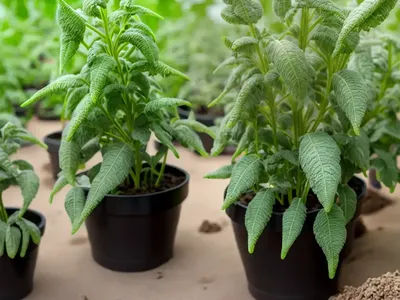
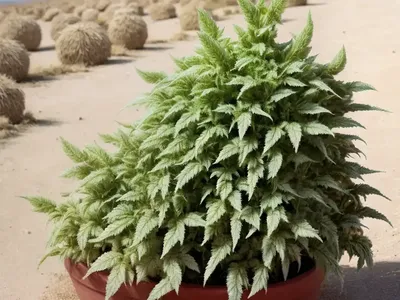
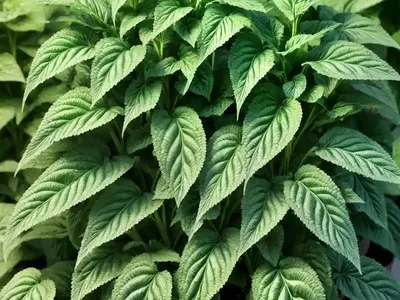
Beefsteak Plant (Iresine Herbstii Aureoreticulata)
Plants have always been cherished for their aesthetic appeal and ability to enliven any space they inhabit. Among the myriad of plant species available.
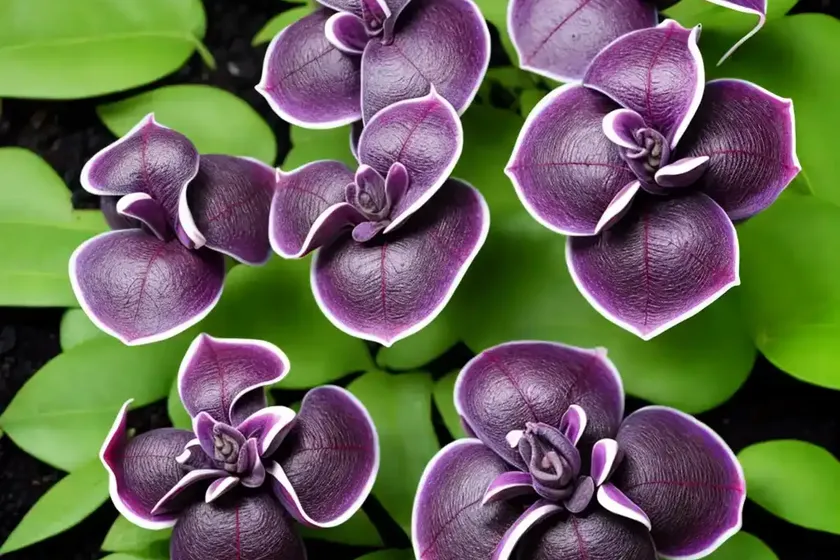
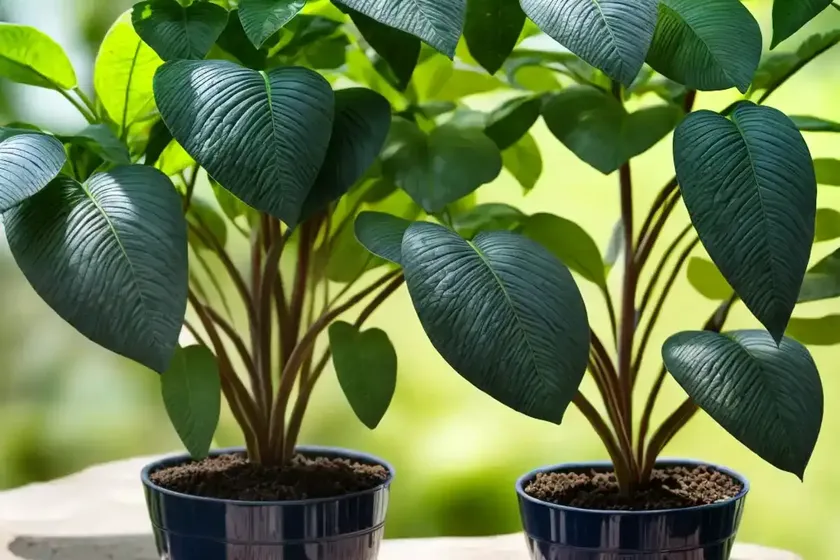
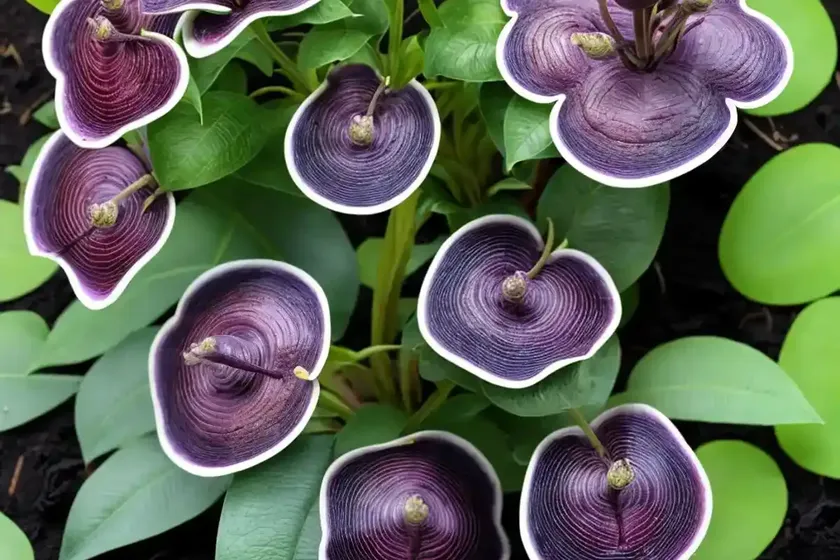
Plants have always been cherished for their aesthetic appeal and ability to enliven any space they inhabit. Among the myriad of plant species available, the Beefsteak Plant (Iresine Herbstii Aureoreticulata) stands out for its vibrant foliage and ease of maintenance. In this comprehensive guide, we will delve into the various aspects of this captivating plant, including its characteristics, care requirements, propagation methods, common diseases and pests, and much more. Whether you’re a beginner seeking to nurture your first indoor garden or an experienced plant enthusiast looking to expand your collection, the Beefsteak Plant is sure to captivate your attention.
What is the Beefsteak Plant?
The Beefsteak Plant, scientifically known as Iresine Herbstii Aureoreticulata, is a visually striking and versatile plant that belongs to the Amaranthaceae family. Known for its vivid red, maroon, and green foliage, this plant is native to Brazil and thrives in warm, humid climates. Its unique and vibrant appearance makes it an ideal choice for indoor and outdoor ornamental purposes, adding a splash of color to any setting.
Common Names for Beefsteak Plant
The Beefsteak Plant is also commonly referred to as Bloodleaf, Chicken Gizzard, Formosan, or Herbst’s Bloodleaf. These names reflect the plant’s various cultural and linguistic associations across different regions.
Key Takeaways
Before we delve into the specifics of caring for the Beefsteak Plant, let’s explore some key takeaways that will serve as a foundation for understanding the plant’s requirements and characteristics.
- Iresine Herbstii Aureoreticulata Facts
- Native to Brazil
- Belongs to the Amaranthaceae family
-
Features vibrant red, maroon, and green foliage
-
Care Tips for Beefsteak Plant
- Requires indirect sunlight
- Regular watering to keep the soil moist
-
Fertilize during the growing season
-
Growing Beefsteak Plant Indoors
- Suited for indoor cultivation
- Thrives in warm, humid conditions
-
Ideal for ornamental purposes
-
Beefsteak Plant Varieties
- Iresine Herbstii Aureoreticulata ‘Blazin’ Rose’ – Showcasing rose-red leaves
-
Iresine Herbstii Aureoreticulata ‘Blazin’ Lime’ – Featuring vibrant lime-colored leaves
-
Iresine Herbstii Aureoreticulata Care Guide
- Moderate maintenance requirements
- Suitable for both indoor and outdoor settings
- Responds well to regular pruning
Now that we have a basic understanding of the Beefsteak Plant, let’s delve into its specific care requirements, propagation methods, and more.
Culture
The culture of the Beefsteak Plant encompasses its origin, natural habitat, and growth habits. Understanding the plant’s culture is essential for creating an environment that mimics its native conditions, enabling it to thrive and flourish.
Natural Habitat of Beefsteak Plant
The Beefsteak Plant is indigenous to Brazil, where it thrives in hot, humid climates. It is often found growing in the understory of tropical forests, benefiting from the dappled sunlight filtering through the dense canopy. The plant’s natural habitat provides insights into its preferred growing conditions, including high humidity and well-draining soil.
Uses
The Beefsteak Plant is valued for its multifaceted uses, ranging from ornamental purposes to its potential medicinal properties. Understanding the various applications of the plant sheds light on its versatility and significance in different contexts.
Ornamental Use
One of the primary uses of the Beefsteak Plant is as an ornamental addition to indoor and outdoor spaces. Its vibrant and colorful foliage makes it an eye-catching centerpiece in gardens, terrariums, and landscaping designs. The plant’s versatility allows it to be used in various creative arrangements, adding a touch of natural beauty to any setting.
Water
Appropriate watering is crucial for the overall health and vitality of the Beefsteak Plant. Understanding its water requirements and implementing a consistent watering routine is essential for cultivating thriving specimens.
Watering Requirements for Beefsteak Plant
The Beefsteak Plant thrives in consistently moist soil, although it is essential to avoid overwatering. As a general guideline, aim to water the plant when the top inch of the soil feels dry to the touch. During the growing season, typically spring and summer, the plant may require more frequent watering to support active growth. In contrast, reduce watering during the dormant winter months, allowing the soil to partially dry out between waterings.
Sunlight
As with many plants, the Beefsteak Plant’s sunlight requirements play a pivotal role in its overall well-being. Understanding its needs for light exposure is crucial for creating an optimal growing environment.
Sunlight Needs for Iresine Herbstii Aureoreticulata
The Beefsteak Plant thrives in bright, indirect sunlight. Position it in a location where it receives dappled light or indirect sunlight for several hours each day. Avoid exposing the plant to prolonged direct sunlight, as this can lead to leaf scorch and discoloration. Indoors, place the plant near east or west-facing windows to provide the ideal balance of light exposure.
Fertilizer
Optimal nutrition is essential for promoting robust growth and vibrant foliage in the Beefsteak Plant. Choosing the right fertilizer and implementing a suitable feeding regimen is integral to the plant’s long-term health.
Best Fertilizer for Beefsteak Plant
When it comes to fertilizing the Beefsteak Plant, a balanced, water-soluble fertilizer formulated for foliage plants is ideal. During the active growing season, from spring to early fall, fertilize the plant every 4-6 weeks to provide it with essential nutrients. Dilute the fertilizer to half its recommended strength to prevent the risk of over-fertilization, which can result in leaf burn and other adverse effects.
Soil
The choice of soil significantly impacts the Beefsteak Plant’s growth and overall well-being. Providing suitable soil that offers proper drainage and aeration is crucial for ensuring the plant’s longevity and vitality.
Best Soil for Beefsteak Plant
The Beefsteak Plant thrives in a well-draining potting mix that retains adequate moisture without becoming waterlogged. A blend of peat moss, perlite, and compost can create an ideal medium for cultivation. Additionally, incorporating organic matter into the soil can enhance its fertility and water retention capabilities, providing a favorable environment for the plant’s root system.
Pruning
Regular pruning is essential for maintaining the Beefsteak Plant’s compact and attractive appearance. Proper pruning not only enhances the plant’s aesthetic appeal but also promotes healthy growth and prevents overcrowding of foliage.
Pruning and Trimming Beefsteak Plant
When pruning the Beefsteak Plant, focus on removing any dead or diseased foliage to maintain overall plant health. Additionally, occasional pinching of the stem tips can encourage lateral branching, creating a fuller and bushier growth habit. Aim to prune the plant in the early spring to remove any winter damage and shape it to the desired form. Use clean, sterilized pruning tools to minimize the risk of transmitting diseases between plants.
Propagation
Propagation offers the opportunity to expand your collection of Beefsteak Plants and share the beauty of this species with others. Understanding the various propagation methods empowers you to create new plants from established specimens.
Beefsteak Plant Propagation Methods
The Beefsteak Plant can be propagated through stem cuttings, making it a relatively straightforward process. Select a healthy stem cutting with several leaves and remove any lower leaves to expose a node. Place the cutting in a suitable rooting medium, such as a mix of perlite and peat moss, and keep it consistently moist until roots develop. Once the roots have established, transplant the cutting into a well-draining potting mix and provide it with the same care as a mature plant.
Container Popularity
The Beefsteak Plant’s adaptability to container cultivation makes it a popular choice for indoor gardening and smaller outdoor spaces. Harnessing its container-friendly nature allows plant enthusiasts to incorporate this captivating species into various settings.
Growing Beefsteak Plant in Containers
Growing the Beefsteak Plant in containers presents the opportunity to showcase its vibrant foliage in indoor and outdoor settings. Select a container with adequate drainage holes to prevent waterlogging, and use a well-draining potting mix to support healthy root development. Containers offer flexibility in placement, enabling you to create captivating displays and arrangements with the Beefsteak Plant as a focal point.
Common Diseases
While the Beefsteak Plant is generally resilient, it is susceptible to certain diseases that can impact its vitality. Recognizing common diseases and understanding their symptoms is crucial for implementing timely interventions and safeguarding the plant’s health.
Disease Diagnosis
One common disease that may affect the Beefsteak Plant is leaf spot, characterized by the development of dark, water-soaked lesions on the foliage. This condition is often the result of overwatering, poor air circulation, or high humidity, creating an environment conducive to fungal growth. Another potential issue is powdery mildew, manifesting as a powdery white coating on the leaves, typically caused by environmental conditions that favor fungal proliferation. Promptly addressing these diseases with appropriate fungicidal treatments and improving growing conditions can prevent their spread and protect the plant from damage.
Common Pests
Pest infestations can pose a threat to the Beefsteak Plant, compromising its overall health and appearance. Familiarizing yourself with common pests and their symptoms is essential for implementing effective pest control measures.
Common Pests
Aphids and spider mites are among the common pests that may target the Beefsteak Plant. Aphids feed on the plant’s sap, causing stunted growth and distortion of the foliage. Spider mites, on the other hand, are tiny arachnids that create fine webbing on the leaves and suck the plant’s juices, leading to yellowing and weakening of the foliage. Utilizing natural pest control methods, such as insecticidal soaps and neem oil, can help manage infestations while minimizing the use of chemical pesticides.
Botanist’s Tips
As a plant scientist specializing in the cultivation of ornamental plants, I have encountered the Beefsteak Plant in various settings and conditions. Drawing from my experiences, here are some valuable tips to enhance the cultivation and enjoyment of the Beefsteak Plant.
Fun Facts
- The vibrant red and maroon hues of the Beefsteak Plant’s foliage intensify in response to increased sunlight exposure, creating a visually captivating display.
- The plant’s leaves are edible and can be used as a colorful garnish in culinary presentations, adding a touch of novelty to dishes.
Links to External Resources
For further exploration of the Beefsteak Plant, I recommend referring to the following resources:
- The Spruce – Beefsteak Plant Profile
- Gardening Know How – Growing Beefsteak Plants
- University of Florida IFAS Extension – Iresine Herbstii
- Missouri Botanical Garden – Iresine Herbstii Aureoreticulata
In conclusion, the Beefsteak Plant (Iresine Herbstii Aureoreticulata) is a fascinating addition to any plant collection, offering stunning foliage and relatively straightforward care requirements. Whether used as an indoor accent or showcased in outdoor landscapes, this plant’s vibrant colors and versatility make it a standout choice for both novice and experienced gardeners. By understanding and implementing the recommended care practices, enthusiasts can cultivate thriving Beefsteak Plants and appreciate the beauty they bring to their surroundings.