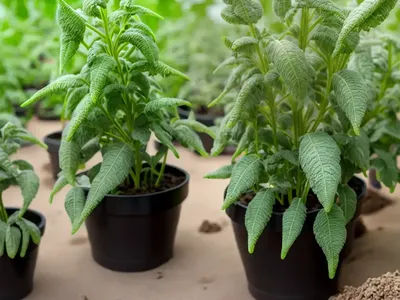
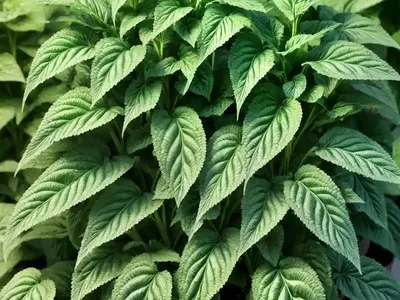
Iresine Bloodleaf Plant (Iresine Herbstii)
Iresine herbstii, commonly known as the Iresine Bloodleaf plant, is a species of flowering plant in the amaranth family, Amaranthaceae. This striking plant.
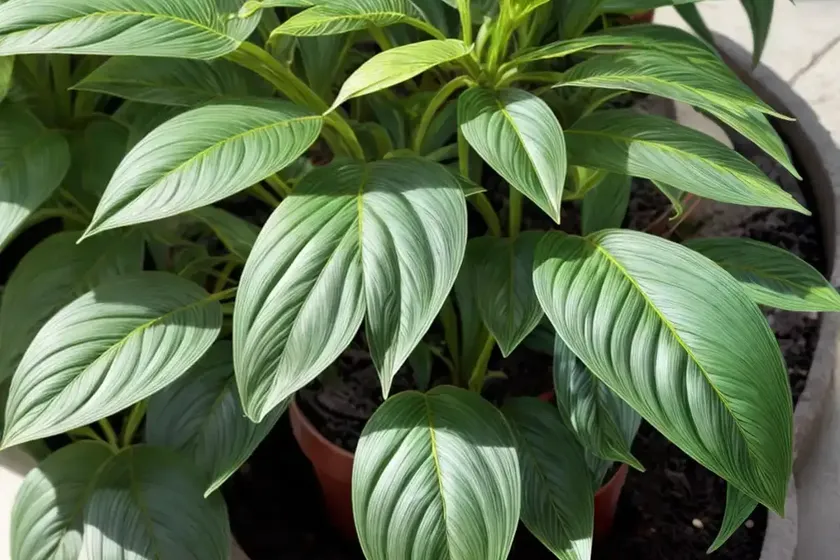
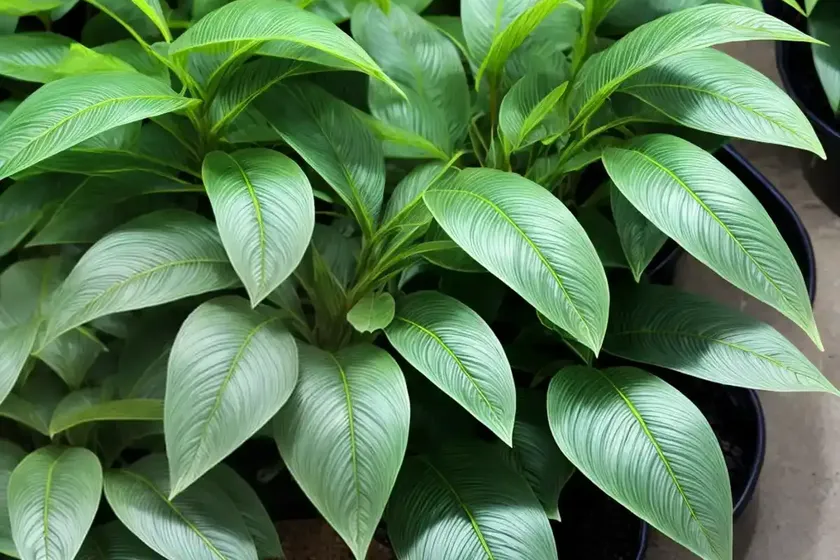
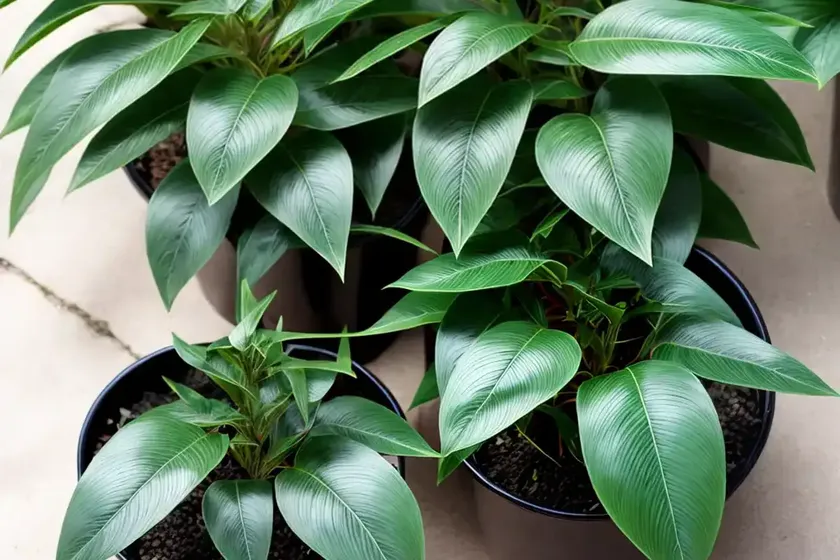
Iresine herbstii, commonly known as the Iresine Bloodleaf plant, is a species of flowering plant in the amaranth family, Amaranthaceae. This striking plant is coveted for its vibrant foliage and diverse ornamental uses. In this comprehensive guide, we will delve into every aspect of the Iresine Bloodleaf plant, from its cultural requirements and propagation to its medicinal properties and ecological significance.
What is Iresine Bloodleaf Plant (Iresine herbstii)?
The Iresine Bloodleaf plant, scientifically classified as Iresine herbstii, is an herbaceous perennial native to Brazil. It is recognized for its striking foliage and unique leaf shapes, which are often variegated with shades of red, pink, green, and white. The plant typically reaches a height of 12 to 18 inches, with a spread of 12 to 24 inches, making it an excellent choice for both indoor and outdoor cultivation.
Key Takeaways – Iresine Bloodleaf Plant (Iresine herbstii)
Before delving into the detailed care and cultivation practices for the Iresine Bloodleaf plant, let’s highlight the key takeaways that will be covered in this guide.
- Culture
- Uses
- Water
- Sunlight
- Fertilizer
- Soil
- Pruning
- Propagation
- Container Popularity
- Common Diseases
- Common Pests
- Botanist’s Tips
- Fun Facts
- Links to External Resources
Without further ado, let’s explore these aspects.
Culture of Iresine Bloodleaf Plant (Iresine herbstii)
The culture of the Iresine Bloodleaf plant encompasses its growing conditions, preferred environments, and overall maintenance requirements. Understanding the cultural needs of the plant is essential for its successful growth and development.
Uses of Iresine Bloodleaf Plant
The Iresine Bloodleaf plant is valued for its ornamental beauty and decorative uses. Common applications include:
- Indoor Decoration: With its vibrant foliage, the plant is favored as an indoor ornamental plant, adding a pop of color to interior spaces.
- Outdoor Landscaping: In outdoor landscapes, the Iresine Bloodleaf plant is utilized in borders, containers, and as a ground cover, contributing to attractive garden designs.
- Foliage Contrast: Due to its richly colored leaves, the plant serves as an eye-catching contrast in mixed plantings and floral arrangements.
Watering Needs of Iresine Bloodleaf Plant
Proper watering is crucial for the health and vitality of the Iresine Bloodleaf plant. The following guidelines are recommended:
- Regular Moisture: The plant thrives in consistently moist soil, and regular watering is necessary, particularly during dry periods.
- Avoid Waterlogging: While the plant prefers moist conditions, waterlogging should be prevented to avoid root rot and other water-related issues.
Sunlight Requirements for Iresine Bloodleaf Plant
Adequate sunlight is essential for the growth and coloration of the Iresine Bloodleaf plant. Consider the following points:
- Bright Indirect Light: The plant flourishes in bright, indirect light, making it well-suited for indoor environments with ample natural light.
- Partial Shade: In outdoor settings, partial shade is favorable, offering protection from intense midday sun.
Fertilizer for Iresine Bloodleaf Plant
Fertilization plays a key role in maintaining the vigor and coloration of the Iresine Bloodleaf plant. Here’s what you need to know:
- Balanced Fertilizer: A balanced, water-soluble fertilizer is recommended for regular feeding during the growing season, following the manufacturer’s instructions for dilution and application frequency.
Soil Requirements for Iresine Bloodleaf Plant
Providing the right soil conditions is crucial for the Iresine Bloodleaf plant’s well-being. Consider the following soil requirements:
- Well-Draining Soil: The plant thrives in well-draining, fertile soil that retains moisture without becoming waterlogged.
- Soil pH: A slightly acidic to neutral pH range (6.0-7.0) is ideal for optimal growth.
Pruning Iresine Bloodleaf Plant
Pruning is an essential aspect of Iresine Bloodleaf plant care, contributing to its overall appearance and health. Follow these pruning guidelines:
- Regular Trimming: Periodic pruning helps maintain a compact, bushy growth habit and encourages the emergence of new foliage.
- Remove Leggy Growth: Long, leggy stems can be pruned to promote a bushier, more aesthetically pleasing plant form.
Propagation of Iresine Bloodleaf Plant
The propagation of Iresine Bloodleaf plant involves methods such as stem cuttings, division, and seed sowing. Here’s an overview of the propagation process:
- Stem Cuttings: Propagation via stem cuttings is a popular and effective method. Select a healthy, non-flowering stem, and root it in a suitable growing medium.
- Division: Division of mature plants can be carried out during repotting to create new specimens.
Container Popularity of Iresine Bloodleaf Plant
The Iresine Bloodleaf plant’s compact size and ornamental foliage make it a popular choice for container cultivation. It can be grown in various container types, including pots, hanging baskets, and decorative planters, adding visual appeal to indoor and outdoor spaces.
Common Diseases of Iresine Bloodleaf Plant
While the Iresine Bloodleaf plant is relatively resilient, it may be susceptible to certain diseases. Common diseases that can affect the plant include:
- Fungal Issues: Conditions like powdery mildew and leaf spot can occur in humid or poorly ventilated environments. Proper air circulation and foliage inspection are essential for prevention.
Disease Diagnosis and Control
Diagnosing and addressing diseases promptly is crucial for maintaining the plant’s health. Consider the following steps for disease control:
- Early Detection: Regular inspection of the foliage for abnormal spots, discoloration, or wilting helps in early disease recognition.
- Treatment: If diseases are identified, prompt treatment with appropriate fungicides or remedies is necessary to prevent their spread.
Common Pests Affecting Iresine Bloodleaf Plant
The Iresine Bloodleaf plant may occasionally face pest infestations. Common pests that can affect the plant include:
- Aphids: These small insects may cluster on the undersides of leaves, sucking plant juices and causing damage.
- Spider Mites: These arachnids can create fine webbing on the foliage and weaken the plant by feeding on its juices.
Botanist’s Tips for Iresine Bloodleaf Plant Care
The following expert tips can enhance your success in caring for the Iresine Bloodleaf plant:
- Regular Maintenance: Consistent monitoring, watering, and pruning are essential for maintaining the plant’s health and appearance.
- Environmental Considerations: Tailor the plant’s care regimen to accommodate its specific environmental conditions and any seasonal changes.
Fun Facts about Iresine Bloodleaf Plant
To enrich your understanding of the Iresine Bloodleaf plant, consider these intriguing fun facts:
- Ecological Importance: The colorful foliage of the Iresine Bloodleaf plant can attract beneficial insects and pollinators, contributing to local biodiversity.
- Traditional Uses: In certain cultural traditions, the leaves of the Iresine Bloodleaf plant are believed to possess medicinal properties and are used in traditional herbal remedies.
Links to External Resources
For further information and valuable insights into the care and cultivation of the Iresine Bloodleaf plant, explore the following external resources:
In conclusion, the Iresine Bloodleaf plant, with its dazzling foliage and versatile uses, presents an intriguing and visually captivating addition to both indoor and outdoor plant collections. By adhering to its unique cultural requirements and understanding its propagation and maintenance needs, you can achieve a flourishing display of this remarkable plant in your living spaces and gardens.
Whether you are a novice enthusiast or an experienced gardener, the Iresine Bloodleaf plant offers an engaging journey through the realms of botanical care and appreciation.
With a wealth of insights and resources at your disposal, you are well-equipped to embark on a rewarding and captivating Iresine Bloodleaf plant cultivation experience.
Happy gardening!