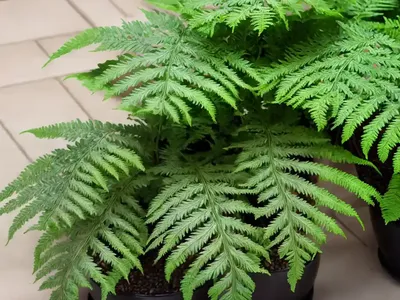
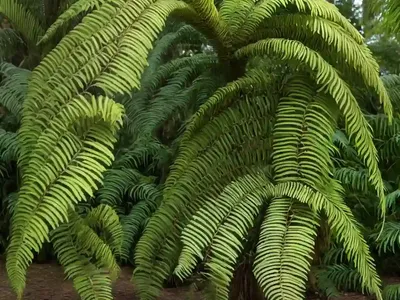
Soft Tree Fern (Dicksonia Antarctica)
Soft Tree Fern, scientifically known as Dicksonia Antarctica, is a fascinating plant that possesses unique characteristics and has been used for various.
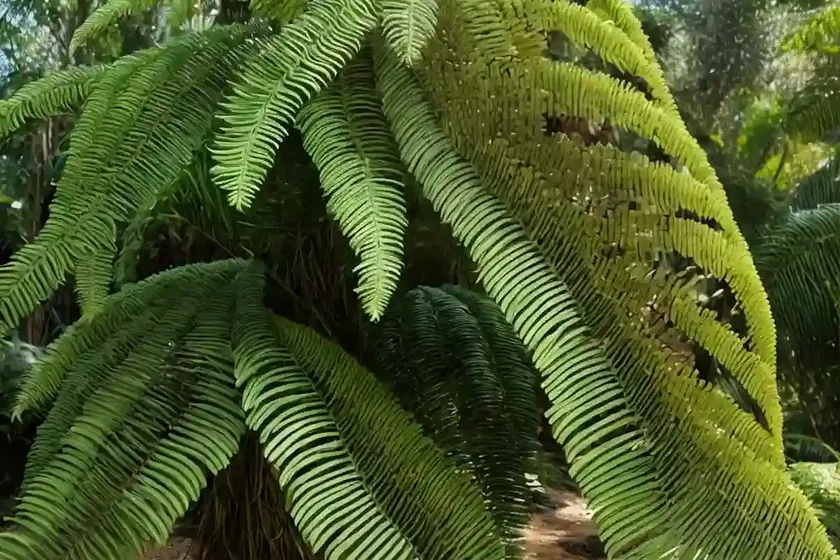
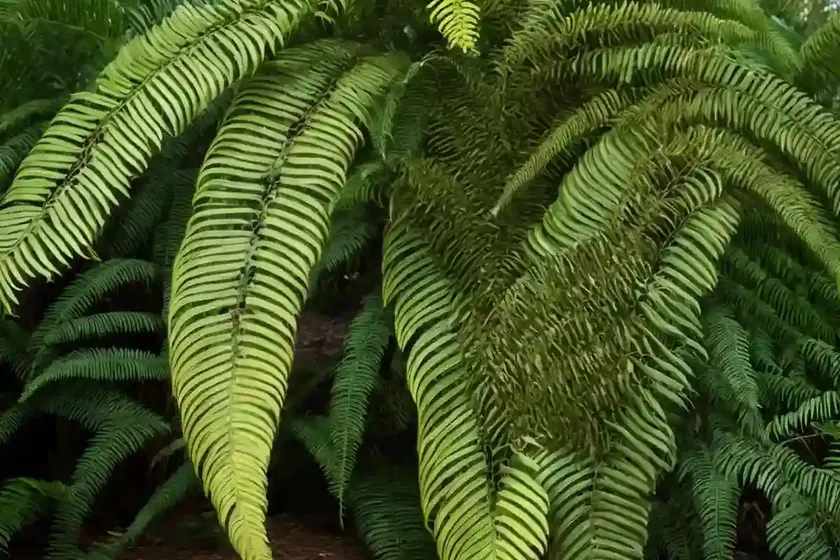
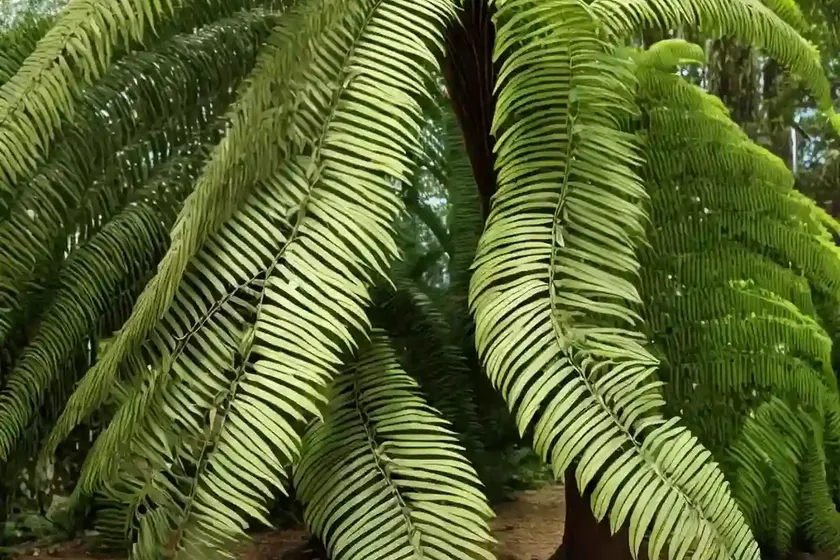
Soft Tree Fern, scientifically known as Dicksonia Antarctica, is a fascinating plant that possesses unique characteristics and has been used for various cultural, landscaping, and medicinal purposes. This remarkable fern species requires specific care and environmental conditions to thrive, making it a popular choice among plant enthusiasts, gardeners, and conservationists.
In this comprehensive guide, we will explore the various aspects of Soft Tree Fern, including its cultural significance, uses, ideal growing conditions, propagation methods, common diseases and pests, and other valuable insights for plant enthusiasts. Whether you are a seasoned gardener or someone looking to add a touch of greenery to your space, this guide will provide you with a wealth of information to help you successfully grow and care for Soft Tree Fern.
What is Soft Tree Fern (Dicksonia Antarctica)?
Soft Tree Fern, or Dicksonia Antarctica, is a species of tree fern native to southeastern Australia, New South Wales, Tasmania, and Victoria. Known for its elegant, arching fronds and distinctive trunk, this fern species is a member of the Dicksoniaceae family, which includes various tree ferns found in different parts of the world. With its prehistoric appearance and lush foliage, Soft Tree Fern adds a unique and captivating element to landscapes, gardens, and indoor spaces.
Soft Tree Fern is characterized by its fibrous, trunk-like stem, which can reach a considerable height over time, making it resemble a miniature tree. The fronds, or leaves, of the tree fern are delicate and feathery, creating a graceful and airy appearance. In the wild, Soft Tree Fern is often found in cool, moist environments, such as rainforests, where it thrives in shaded areas with ample humidity.
The elegant beauty and distinct features of Soft Tree Fern make it a sought-after plant for ornamental and landscaping purposes. Its ability to thrive in shaded areas and its striking silhouette contribute to its popularity as a unique addition to garden designs and indoor spaces.
Key Takeaways – Soft Tree Fern (Dicksonia Antarctica)
Before delving into the specific aspects of growing and caring for Soft Tree Fern, let’s highlight some key takeaways that capture the essence of this remarkable plant species:
- Soft Tree Fern, also known as Dicksonia Antarctica, is a tree fern native to southeastern Australia and parts of Tasmania.
- It is characterized by its fibrous trunk-like stem and elegant, arching fronds, which create a distinctive and visually captivating appearance.
- Soft Tree Fern is sought after for its ornamental and landscaping value, often used to add a prehistoric and lush element to gardens, landscapes, and indoor spaces.
As we continue exploring the different aspects of Soft Tree Fern, we will provide detailed insights into its cultural significance, uses, and the specific requirements for successful cultivation.
Soft Tree Fern (Dicksonia Antarctica) Cultural Uses
Soft Tree Fern has been valued for its cultural significance and versatile uses across different domains. From traditional practices to modern applications, the fern species holds a special place in various cultures and communities. Let’s explore some of the notable cultural uses of Soft Tree Fern:
-
Indigenous Cultural Significance: Among the indigenous communities of Australia, Soft Tree Fern has historically held cultural and traditional significance. The fern’s lush foliage and distinctive appearance make it a symbol of natural abundance and vitality. It has been used in ceremonies, rituals, and storytelling, reflecting the deep connection between communities and the natural world.
-
Ornamental and Landscaping Purposes: Soft Tree Fern’s aesthetic appeal and unique visual characteristics have made it a popular choice for ornamental and landscaping purposes. With its ability to thrive in shaded environments, the fern is often used to create lush, green focal points in gardens, parks, and botanical displays. Its prehistoric appearance adds a sense of timelessness and intrigue to outdoor spaces.
-
Conservation and Biodiversity: In the realm of conservation and biodiversity, Soft Tree Fern plays a vital role in preserving and enhancing natural ecosystems. The fern’s ability to thrive in specific environmental conditions makes it an essential component of native habitats, contributing to the overall biodiversity and ecological balance in its native range.
-
Educational and Research Significance: Soft Tree Fern’s unique biology and evolutionary history have made it a subject of interest for educational and research purposes. Botanists, ecologists, and researchers study the fern species to gain insights into the evolution of plant life and its adaptation to diverse ecosystems.
The cultural uses of Soft Tree Fern highlight its multifaceted significance, spanning from traditional practices to modern-day applications. Its visual appeal, ecological importance, and symbolic value make it a plant of great cultural and botanical significance.
Soft Tree Fern (Dicksonia Antarctica) Care
To successfully grow and care for Soft Tree Fern, it is essential to understand its specific requirements in terms of water, sunlight, soil, fertilizer, pruning, propagation, and container cultivation. By providing the ideal conditions for its growth, you can ensure that the fern thrives and retains its lush and vibrant appearance. Let’s explore each aspect of Soft Tree Fern care in detail:
Water
Soft Tree Fern thrives in moist environments and requires consistent watering to maintain optimal growth and foliage health. However, it is crucial to strike a balance and avoid waterlogging the soil, which can lead to root rot and other issues. Here are some important considerations for watering Soft Tree Fern:
-
Consistent Moisture: Soft Tree Fern prefers consistently moist soil, especially during the growing season. Regular watering, keeping the soil evenly moist but not waterlogged, is essential for its health and vitality.
-
Avoiding Waterlogging: While the fern enjoys moisture, it is important to ensure that the soil has proper drainage to prevent waterlogging. Soggy conditions can lead to root problems and compromise the overall health of the plant.
-
Humidity: In addition to soil moisture, Soft Tree Fern benefits from adequate ambient humidity, especially in indoor settings. Misting the fronds or using a humidifier can help create the ideal microclimate for the fern.
Sunlight
Soft Tree Fern thrives in shaded or partially shaded environments, mimicking the conditions of its natural habitat in forested areas. While it can tolerate some indirect sunlight, exposure to intense, direct sunlight should be avoided. Here’s what you need to know about providing the right light conditions for Soft Tree Fern:
-
Shade Tolerance: Soft Tree Fern is well-adapted to low-light conditions and prefers dappled shade or partial shade. It should be shielded from direct midday sun, which can scorch its delicate fronds.
-
Indoor Placement: When grown indoors, the fern should be placed in a location with filtered or indirect light, such as near a north-facing window or in a room with ample natural light but minimal direct sun exposure.
-
Outdoor Considerations: In outdoor settings, positioning Soft Tree Fern under the canopy of trees or in areas with light shade provides the ideal light conditions for healthy growth.
Fertilizer
Regular fertilization can help promote the growth and vitality of Soft Tree Fern, providing essential nutrients for its lush foliage and overall health. However, it is important to use a balanced fertilizer and adhere to specific application guidelines. Consider the following when fertilizing Soft Tree Fern:
-
Balanced Formulation: A balanced, water-soluble fertilizer with a formulation such as 10-10-10 or 20-20-20 can be applied to Soft Tree Fern during the growing season. This ensures that the plant receives a mix of essential nutrients without an excess of any particular element.
-
Moderate Application: Fertilizer should be applied at a moderate concentration and frequency, following the instructions provided by the manufacturer. Over-fertilization can lead to nutrient imbalances and potential damage to the fern.
-
Seasonal Timing: Fertilizer application is best carried out during the active growing season, typically in spring and early summer. As the plant enters a period of reduced growth in the colder months, fertilizer application can be minimized or temporarily discontinued.
Soil
The right soil composition is essential for maintaining the health and vigor of Soft Tree Fern. The fern thrives in well-draining, organically rich soil that provides ample nutrients and supports root development. Consider the following soil-related factors when cultivating Soft Tree Fern:
-
Well-Draining Medium: Soft Tree Fern requires well-draining soil to prevent waterlogging and ensure adequate aeration for the roots. A mix of organic matter, such as peat moss, compost, and perlite, can enhance the soil’s drainage properties.
-
Acidic pH: The ideal soil pH for Soft Tree Fern ranges between mildly acidic to slightly acidic, typically around 5.5 to 6.5. Testing the soil pH and making adjustments as needed can create a conducive growth environment for the fern.
-
Organic Amendments: Incorporating organic amendments, such as leaf mold, well-rotted compost, or pine bark, can enrich the soil and provide essential nutrients for Soft Tree Fern’s growth.
Pruning
Pruning is an important aspect of Soft Tree Fern care, contributing to the plant’s overall appearance, health, and vitality. While the fern does not require extensive pruning, removing old or damaged fronds can help maintain its aesthetic appeal and promote new growth. Here are some key considerations for pruning Soft Tree Fern:
-
Frond Removal: Regularly remove any yellowed, damaged, or dead fronds from the fern. Use clean, sharp pruning shears to make precise cuts, avoiding unnecessary stress on the plant.
-
Aesthetic Maintenance: Pruning can help shape the fern and maintain a tidy, visually appealing appearance. Trimming unruly fronds and maintaining a balanced silhouette can enhance the overall look of Soft Tree Fern.
-
Cautionary Measures: When pruning Soft Tree Fern, it is important to avoid excessive removal of healthy fronds, as this can impact the plant’s ability to photosynthesize and generate energy.
Propagation
Propagating Soft Tree Fern allows you to expand your fern collection or share the plant with fellow gardening enthusiasts. While the process of propagating tree ferns can be more challenging than that of other plant species, it is a rewarding endeavor when successful. Here’s what you need to know about propagating Soft Tree Fern:
-
Spore Propagation: Soft Tree Fern can be propagated from spores, which are found on the undersides of mature fronds. Collect spores from the parent plant and sow them on a suitable growing medium to initiate germination.
-
Propagation Medium: A well-draining, sterile growing medium, such as a mix of peat moss and perlite, is ideal for sowing fern spores. Maintaining consistent humidity and warmth can foster the development of young ferns.
-
Patience and Observation: Propagating Soft Tree Fern from spores requires patience and careful observation of the germination process. Over time, spores will develop into prothalli, which eventually give rise to new fern plants.
Container Cultivation
Growing Soft Tree Fern in containers allows you to create stunning displays in indoor and outdoor settings, providing flexibility in placement and design. When cultivating Soft Tree Fern in containers, it is essential to ensure that the plant’s specific needs are met. Consider the following aspects of container cultivation for Soft Tree Fern:
-
Container Size: Select a spacious container that accommodates the fern’s root system and provides room for growth. A deep container with adequate drainage holes is ideal for promoting healthy root development.
-
Well-Draining Soil: Use a high-quality, well-draining potting mix formulated for ferns or acid-loving plants. Adding organic matter and perlite to the mix can enhance drainage and promote aeration for the roots.
-
Placement and Light: Position the container in a location with filtered or indirect light, protecting the fern from intense sunlight. Indoors, consider placing the container near a north-facing window or in a room with ample natural light.
-
Watering and Humidity: Maintain consistent moisture levels in the soil, avoiding waterlogging while ensuring that the fern’s roots receive adequate hydration. Consider regular misting to create a humid microclimate around the fronds.
The care and cultivation of Soft Tree Fern require attention to detail and an understanding of its specific requirements for water, sunlight, soil, fertilizer, pruning, propagation, and container cultivation. By providing the ideal conditions, you can enjoy the intrinsic beauty and graceful presence of this remarkable fern species.
Soft Tree Fern (Dicksonia Antarctica) Popularity
Soft Tree Fern, or Dicksonia Antarctica, has earned widespread popularity among plant enthusiasts, landscapers, and conservationists for its unique visual appeal, cultural significance, and ecological value. The fern’s popularity can be attributed to its captivating features, versatile uses, and ability to thrive in diverse environments. Let’s explore the factors contributing to the popularity of Soft Tree Fern in greater detail:
Ornamental Value
Soft Tree Fern’s ornamental value lies in its striking appearance, reminiscent of prehistoric landscapes and lush, tropical environments. The fern’s arching fronds, fibrous trunk, and graceful silhouette make it a sought-after choice for adding a touch of green elegance to gardens, landscapes, and botanical displays. This ornamental appeal has contributed to the widespread inclusion of Soft Tree Fern in garden designs and horticultural showcases.
Landscaping Appeal
In landscaping, Soft Tree Fern serves as a key element in creating verdant, naturalistic settings and lush green spaces. Its ability to thrive in shaded areas and its tolerance for moist conditions make it a valuable component of woodland gardens, rainforest-inspired landscapes, and other green design projects. Whether used as a focal point or integrated into lush underplantings, the fern’s landscaping appeal has made it a favorite among designers and homeowners alike.
Ecological Significance
From an ecological perspective, Soft Tree Fern holds significant value in supporting biodiversity and preserving native habitats. In its natural range, the fern contributes to the structure and dynamics of forest ecosystems, providing shelter, food, and habitat for various organisms. Conservation efforts often incorporate Soft Tree Fern to enhance the ecological integrity of landscapes and protect critical habitats for indigenous flora and fauna.
Cultivation Versatility
Soft Tree Fern’s adaptability to container cultivation adds to its popularity, allowing plant enthusiasts to incorporate the fern into a wide range of indoor and outdoor settings. Whether featured as a specimen plant in a decorative container or integrated into mixed plantings, the fern’s versatility in container gardening appeals to those seeking to experiment with unique and visually captivating arrangements.
The popularity of Soft Tree Fern can be attributed to its intrinsic beauty, landscaping appeal, ecological significance, and cultivation versatility. As an iconic plant species with rich cultural significance, the fern continues to capture the imagination of plant enthusiasts and contribute to diverse horticultural and conservation initiatives.
Soft Tree Fern (Dicksonia Antarctica) Common Diseases
While Soft Tree Fern is a resilient and adaptable plant, it is susceptible to certain diseases and health issues that can affect its growth and vitality. Being aware of common fern ailments and their potential causes can help you take proactive measures to maintain the health of your Soft Tree Fern. Let’s explore some of the common diseases that may affect this fern species:
Root Rot
Root rot, caused by fungal pathogens such as Phytophthora and Pythium species, can pose a significant risk to Soft Tree Fern if the soil becomes waterlogged or if drainage is inadequate. Overly damp conditions combined with poor soil aeration can create an environment conducive to root rot development. Symptoms of root rot may include wilting fronds, browning or blackened roots, and a general decline in the fern’s overall health.
Leaf Spot
Leaf spot diseases, caused by various fungal pathogens, can manifest as dark, irregular spots or lesions on Soft Tree Fern fronds. These spots may start as small lesions and gradually expand, leading to leaf discoloration and decay. Leaf spot diseases can be exacerbated by prolonged periods of leaf wetness, high humidity, and poor air circulation. Proper sanitation and preventive measures can help minimize the risk of leaf spot infections.
Anthracnose
Anthracnose, a fungal disease caused by Colletotrichum species, can affect the fronds of Soft Tree Fern, leading to browning, dieback, and the development of dark, sunken lesions. This disease thrives in warm, humid conditions and may become more prevalent during periods of excessive moisture and poor air circulation. Pruning affected fronds and enhancing growing conditions can aid in managing anthracnose outbreaks.
Botrytis Blight
Botrytis blight, caused by Botrytis cinerea, is a fungal disease that can impact the fronds and stems of Soft Tree Fern, leading to a fuzzy gray mold or mildew-like growth. This disease often occurs in conditions of high humidity, prolonged leaf wetness, and overcrowding of plants. Adequate spacing, proper ventilation, and vigilant monitoring can help prevent and manage Botrytis blight in ferns.
Bacterial Leaf Blight
Bacterial leaf blight, attributed to bacterial pathogens such as Pseudomonas and Xanthomonas species, can result in the development of angular, water-soaked lesions on Soft Tree Fern fronds. These lesions may progress to tissue necrosis and browning, affecting the overall aesthetics of the plant. Improving airflow, avoiding overhead watering, and implementing cultural practices that reduce moisture on foliage can help minimize the risk of bacterial leaf blight.
Pest-Related Stresses
While not diseases in the traditional sense, stressors caused by insect pests such as scale insects, mealybugs, and aphids can weaken and debilitate Soft Tree Fern, making it more susceptible to disease and environmental challenges. Monitoring for pest infestations and implementing integrated pest management strategies can help mitigate the impact of these stressors on the fern’s health.
Understanding the common diseases that can affect Soft Tree Fern is essential for implementing preventive measures and appropriate management practices. By recognizing the symptoms of potential ailments and addressing causative factors, you can help ensure the long-term health and vitality of your fern plants.
Disease Diagnosis and Management
Diagnosing and managing diseases in Soft Tree Fern involve attentive observation, proactive measures, and targeted interventions to address potential issues and promote the plant’s recovery. As you assess the health of your fern and address any signs of disease, consider the following diagnostic and management strategies for common fern ailments:
Diagnostic Observations
-
Symptom Recognition: Pay close attention to any changes in the appearance, color, and texture of Soft Tree Fern fronds. Look for spots, lesions, discoloration, and wilting as potential indicators of disease presence.
-
Environmental Conditions: Evaluate the growing environment, including aspects such as soil moisture, light exposure, humidity levels, and airflow. Imbalances in these factors can contribute to the development of diseases.
-
Pest Presence: Monitor for signs of insect pests, as pest-related damages can weaken the fern and make it more susceptible to disease. Check for the presence of scale insects, mealybugs, aphids, and other common pests that can affect Soft Tree Fern.
-
Timing of Onset: Note the timing of symptom onset and progression, as this information can offer valuable insights into potential causal factors and disease pathways.
Management Strategies
-
Cultural Practices: Implement cultural measures that promote overall plant health, such as proper watering, soil maintenance, and regular sanitation. Clean up fallen debris and maintain good air circulation to reduce disease pressure.
-
Environmental Modifications: Adjust environmental conditions, such as light exposure, humidity levels, and airflow, to create an environment that is less favorable for disease development. Provide optimal growing conditions tailored to Soft Tree Fern’s specific requirements.
-
Disease-Specific Treatments: When warranted, utilize targeted treatments such as fungicidal sprays or bactericidal agents to address specific diseases affecting the fern. Follow product instructions and safety guidelines when using chemical controls.
-
**Pr