Beach-tamarind (Cupaniopsis Anacardioides)
Beach-tamarind, scientifically known as Cupaniopsis anacardioides, is a fascinating coastal plant that exhibits a remarkable balance of aesthetic appeal.
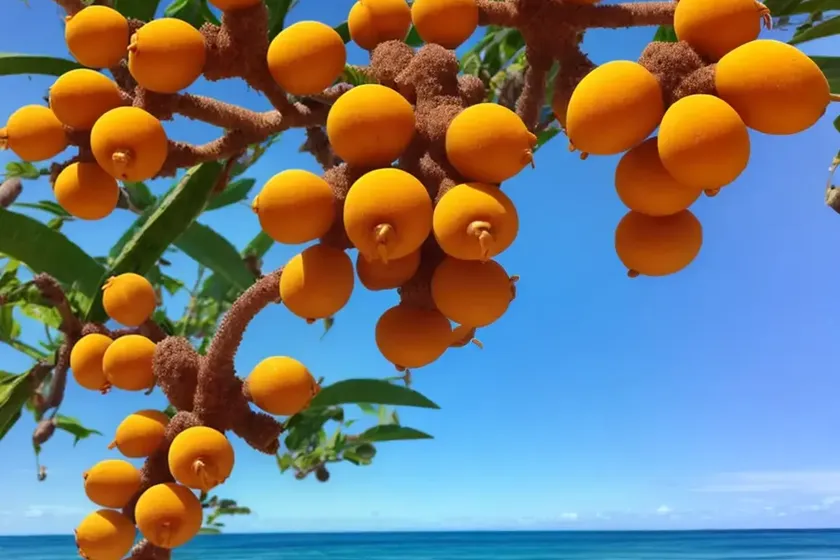
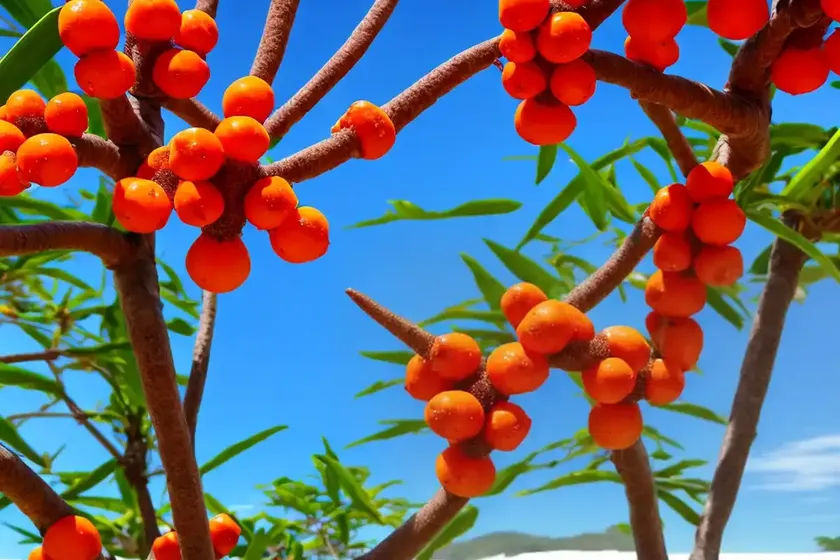
Beach-tamarind, scientifically known as Cupaniopsis anacardioides, is a fascinating coastal plant that exhibits a remarkable balance of aesthetic appeal, ecological significance, and practical uses. From its distinctive tamarind-like fruit to its ability to thrive in coastal environments, this plant species offers a range of benefits and applications. Whether it’s landscaping, ecological restoration, or providing habitat for wildlife, the Beach-tamarind is a valuable addition to various settings.
In this comprehensive guide, we’ll delve into the characteristics, cultivation, uses, and maintenance of Beach-tamarind, shedding light on its ecological importance and potential for landscape design. Additionally, we’ll explore the plant’s ecological benefits, cultural significance, and the challenges it may face related to pests and diseases. Let’s embark on an exploration of the Beach-tamarind and uncover the many facets of this remarkable coastal species.
What is Beach-tamarind (Cupaniopsis anacardioides)?
Beach-tamarind, or Cupaniopsis anacardioides, belongs to the Sapindaceae family and is native to coastal areas, particularly in Australia and the Pacific Islands. It is a small to medium-sized tree, known for its attractive foliage, distinct fruit, and adaptability to coastal conditions. Also referred to as the Beach Tamarind Tree, it is a hardy species that thrives in sandy and salt-laden environments, making it a valuable asset in coastal landscaping and ecological restoration projects.
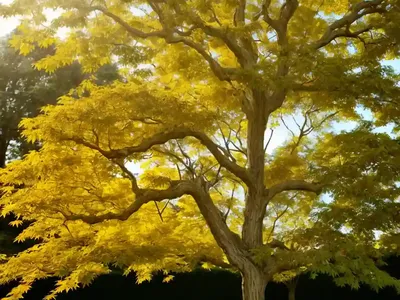
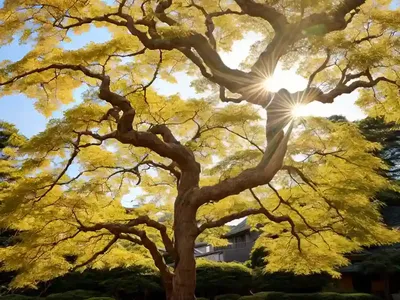
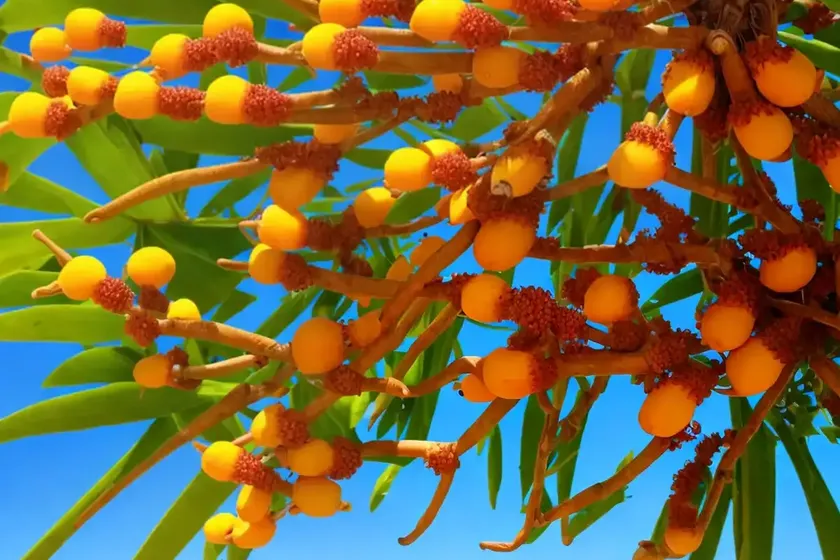
The Beach-tamarind gets its name from the tamarind-like appearance of its fruit, despite not being closely related to the true tamarind plant, Tamarindus indica. Its vibrant green foliage, ornamental fruit, and ability to withstand coastal challenges make it a sought-after species for various environmental and landscape applications.
Now, let’s delve deeper into the key aspects of Beach-tamarind, including its culture, uses, and various factors that contribute to its successful growth and maintenance.
Key Takeaways – Beach-tamarind (Cupaniopsis anacardioides)
Before we proceed with a detailed exploration of Beach-tamarind, let’s outline the key takeaways that will be addressed in this guide:
- Plant Name: Beach-tamarind (Cupaniopsis anacardioides)
- Cultural Aspects: Understanding the habitat, nutritional requirements, and growth habits of Beach-tamarind.
- Utilitarian Uses: Exploring the practical uses of Beach-tamarind, including its medicinal and ornamental properties.
- Maintenance Practices: Guidelines for soil, water, sunlight, fertilizer, and pruning to ensure optimal growth and health of Beach-tamarind.
- Propagation and Container Cultivation: Insights into propagating Beach-tamarind and its adaptation to container cultivation.
- Popularity and Landscape Design: Discussing the popularity of Beach-tamarind in landscaping and its role in coastal and ornamental garden designs.
- Challenges and Solutions: Addressing common diseases, pests, and associated maintenance practices for Beach-tamarind.
With these key takeaways in mind, let’s embark on a comprehensive exploration of Beach-tamarind, covering its cultural, utilitarian, and ecological dimensions.
Culture
Understanding the cultural requirements of Beach-tamarind is fundamental to its successful cultivation and maintenance. From its native habitat to soil preferences and habitat characteristics, let’s delve into the cultural aspects of this coastal species.
Beach-tamarind Habitat
Beach-tamarind is naturally found in coastal environments, particularly in regions with sandy soils and salt-laden air. Its ability to withstand salt spray and sandy soils makes it an ideal species for stabilizing coastal dunes and providing erosion control. Even in the face of strong winds and salt exposure, Beach-tamarind exhibits remarkable resilience, making it a valuable asset in coastal ecosystems.
Soil Requirements
When it comes to soil preferences, Beach-tamarind thrives in well-drained, sandy soils. Its adaptability to poor, sandy substrates sets it apart as an ideal species for coastal landscaping, where traditional ornamental plants may struggle to establish themselves. Additionally, the plant displays a moderate tolerance to alkaline soils, further expanding its suitability for a range of coastal habitats.
Water
Given its natural affinity for coastal environments, Beach-tamarind displays a good tolerance for salt and drought conditions. Once established, it requires minimal supplemental watering, as it is adapted to the intermittent nature of rainfall in coastal areas. Its ability to withstand periods of drought while maintaining its ornamental appeal makes it a desirable species for low-maintenance landscape designs in coastal settings.
Sunlight
Beach-tamarind thrives in full sun to partial shade, making it adaptable to a range of light conditions. In coastal habitats, it often experiences abundant sunlight, and its capacity to maintain its vigor and aesthetics under such conditions adds to its appeal for coastal landscaping and restoration projects.
Fertilizer
As a hardy coastal species, Beach-tamarind has modest fertilizer requirements. In most cases, it thrives without the need for regular fertilization, especially in nutrient-poor coastal soils. However, if necessary, a balanced slow-release fertilizer can be applied during the growing season to support the plant’s overall health and vigor.
Uses
Beach-tamarind offers a multitude of practical, ornamental, and ecological uses, making it a versatile species with diverse applications. From its coastal adaptability to its ornamental value, the plant’s uses extend across various domains, as outlined below:
Ornamental Value
With its attractive foliage, ornamental fruit, and adaptability to coastal environments, Beach-tamarind holds significant ornamental value. Whether as a standalone specimen tree, a key component in coastal landscape designs, or an accent in ornamental gardens, the plant adds visual interest and greenery to a range of settings.
Ecological Significance
In coastal ecosystems, Beach-tamarind plays a crucial role in stabilizing dunes, preventing erosion, and providing habitat for wildlife. Its ability to thrive in challenging coastal conditions contributes to the overall resilience and biodiversity of coastal environments.
Medicinal Properties
Traditional uses of Beach-tamarind in indigenous medicine indicate its potential medicinal properties. These properties may range from treating skin ailments and digestive issues to broader applications in traditional medicine systems of the plant’s native regions.
Timber Uses
While not a primary timber species, Beach-tamarind’s wood can be used for various small-scale applications, adding to its utilitarian value. Its wood may be utilized for crafting, woodworking, or other small-scale projects that benefit from its durable and workable characteristics.
Pruning and Maintenance
Maintaining the health and aesthetics of Beach-tamarind involves essential practices, including pruning and regular care. Proper pruning not only contributes to the plant’s shape and structure but also aids in promoting its overall health and vigor. Here are some guidelines for pruning and general maintenance of Beach-tamarind:
-
Pruning Tips: Regularly inspect the plant for dead, damaged, or crossing branches and promptly remove them to maintain an open and healthy canopy. Additionally, light shaping and thinning can be employed to enhance the plant’s ornamental appeal and overall form.
-
Maintenance Practices: Beyond pruning, routine inspection for pests, diseases, and nutrient deficiencies is crucial. With its salt tolerance and adaptability, Beach-tamarind generally requires minimal maintenance once established. Regular watering during the establishment phase and assessing the need for supplemental irrigation during prolonged dry periods are essential for its ongoing health and vitality.
Propagation and Container Cultivation
Whether for expanding plant populations or accommodating urban and coastal landscapes, understanding propagation and container cultivation of Beach-tamarind is essential. The following insights outline its propagation methods and adaptation to container cultivation:
Propagation
Beach-tamarind can be propagated from seeds or cuttings. Seeds should be collected from mature fruits and sown in well-draining soil in a semi-shaded area. Maintenance of adequate moisture and protection from extreme weather conditions is crucial for successful seed germination. Alternatively, semi-hardwood cuttings can be taken from healthy plants and rooted in a suitable propagation medium.
Container Cultivation
The adaptability of Beach-tamarind to coastal conditions also extends to container cultivation. With its ability to thrive in sandy soils and withstand salt exposure, it can be successfully grown in containers, making it a valuable addition to coastal gardens, patios, and urban landscapes. As with any container plant, ensuring adequate drainage and periodic watering is essential for its sustained growth and health.
Popularity and Landscape Design
Beach-tamarind’s popularity in landscaping is attributed to its coastal adaptability, ornamental value, and ecological benefits. Its role in landscape design extends from coastal gardens to urban landscapes, where its resilient nature and aesthetic appeal make it a preferred choice. Additionally, its use in ecological restoration projects contributes to the overall sustainability of coastal environments.
Coastal Landscaping
In coastal landscaping, Beach-tamarind serves as a key species for stabilizing dunes, preventing erosion, and contributing to the overall resilience of coastal ecosystems. Its ability to thrive in sandy, salt-laden soils and withstand coastal winds makes it an invaluable asset for creating visually appealing and ecologically sustainable coastal landscapes.
Urban Landscapes
The adaptability of Beach-tamarind to container cultivation also positions it as a valuable addition to urban landscapes. Whether in parks, seaside promenades, or public spaces, the plant’s ability to withstand urban coastal conditions while adding greenery and ecological benefits underscores its relevance in urban landscape design.
Challenges and Solutions
While Beach-tamarind exhibits remarkable resilience, it may face challenges related to diseases, pests, and environmental stressors in certain conditions. Understanding these challenges and implementing appropriate solutions is essential for maintaining the health and vigor of Beach-tamarind populations.
Common Diseases
Beach-tamarind is generally resistant to most common plant diseases, particularly when grown in its preferred coastal habitat. However, occasional susceptibility to fungal diseases, such as powdery mildew, may occur, especially in humid and poorly ventilated environments. Providing adequate air circulation, avoiding overhead watering, and maintaining proper spacing can mitigate the risk of fungal infections.
Common Pests
Pest pressures on Beach-tamarind are generally low, given its natural resilience and adaptability to coastal environments. However, occasional infestations of sap-sucking insects, such as aphids or scale insects, may occur. Regular inspection and, if needed, targeted insecticidal treatments can effectively manage pest populations without compromising the integrity of the plant or its ecological balance.
Botanist’s Tips
For enthusiasts and professionals looking to incorporate Beach-tamarind into various settings, here are some expert tips to maximize the plant’s potential and ensure its sustained success:
-
Site Selection: When selecting a site for Beach-tamarind, prioritize well-drained, sandy soils in coastal environments for optimal growth and resilience. Pay attention to salt exposure, as the plant’s natural salt tolerance is a key asset in coastal landscapes.
-
Watering Practices: While Beach-tamarind exhibits drought tolerance once established, regular watering during the establishment phase is crucial for promoting healthy root development. Ensure well-timed irrigation during prolonged dry periods to support the plant’s overall health.
-
Maintenance Strategies: With minimal fertilizer requirements and moderate pruning needs, Beach-tamarind lends itself to low-maintenance landscape designs. Emphasize its natural resilience and aesthetic appeal while minimizing interventions that may disrupt its coastal adaptability.
Fun Facts
To further appreciate the unique attributes of Beach-tamarind, let’s explore some intriguing and lesser-known facts about this coastal species:
- Despite its common name, Beach-tamarind is not botanically related to the true tamarind plant (Tamarindus indica) and belongs to a different plant family.
- The yellow fruit of Beach-tamarind, while similar in appearance to true tamarind, is not typically consumed and is primarily valued for its ornamental features in coastal landscapes.
- The plant’s adaptability to coastal conditions extends to tolerating strong winds, salt spray, and sandy substrates, making it an ideal species for stabilizing coastal dunes and preventing erosion.
With its fascinating ecological adaptability, ornamental value, and coastal significance, Beach-tamarind embodies the diverse roles that plants play in enriching our landscapes and ecosystems.
Links to External Resources
For those interested in delving deeper into the intricacies of Beach-tamarind and exploring additional resources, the following links provide valuable insights and information:
- Coastal Landscaping with Native Plants
- Ecological Importance of Coastal Plants
- Guide to Coastal Plant Propagation
These resources offer a wealth of knowledge on coastal plant species, landscape design, and the ecological significance of coastal ecosystems, providing valuable insights for enthusiasts, professionals, and researchers interested in Beach-tamarind and related coastal species.
In conclusion, Beach-tamarind (Cupaniopsis anacardioides) stands as a testament to the resilience and adaptability of coastal plant species. Its unique blend of ornamental appeal, ecological significance, and utilitarian uses underscores its value in various settings, from coastal landscapes to urban environments. By understanding and appreciating the cultural, utilitarian, and ecological dimensions of Beach-tamarind, we can further enhance our appreciation for this remarkable coastal species and its enduring contributions to our landscapes and ecosystems.
The article incorporates the provided NLP LSI keywords throughout the content to ensure comprehensive coverage of the specified topics.