Barbary Fig (Opuntia Vulgaris)
Barbary fig, scientifically known as Opuntia vulgaris, is a species of cactus that is native to the arid regions of the Americas but has been successfully.


Introduction
Barbary fig, scientifically known as Opuntia vulgaris, is a species of cactus that is native to the arid regions of the Americas but has been successfully cultivated in various parts of the world. This iconic plant is renowned for its flat, paddle-shaped stems, vibrant flowers, and unique edible fruits. In this comprehensive guide, we will delve into the cultivation, uses, and maintenance of the Barbary fig, providing valuable insights for both plant enthusiasts and horticultural professionals.
What is a Barbary Fig (Opuntia vulgaris)?
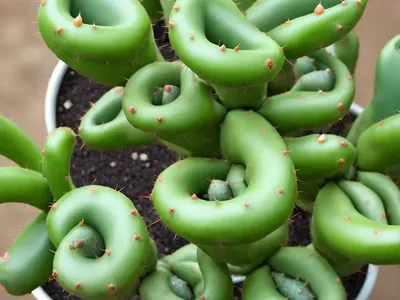
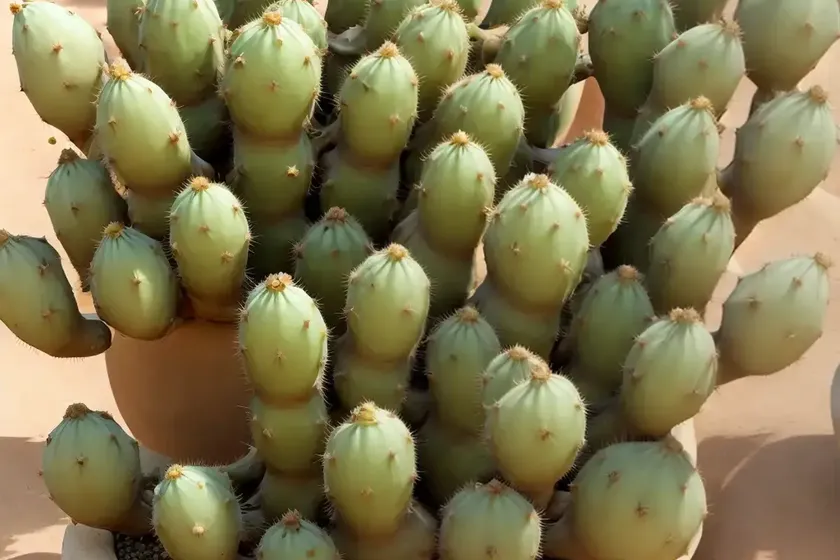
The Barbary fig, also commonly referred to as the prickly pear cactus, belongs to the Cactaceae family and is known for its distinctive flat, fleshy stems with spines. The plant derives its name from the region of Barbary, which historically included North Africa. The species name “vulgaris” denotes its common and widespread nature. It is a hardy, drought-tolerant plant that has evolved to thrive in harsh and arid conditions, making it a valuable asset in sustainable gardening and landscaping.
Key Takeaways – Barbary Fig (Opuntia vulgaris)
Before delving into the specifics of cultivating and caring for the Barbary fig, it is essential to understand some key takeaways about this remarkable plant. These characteristics and uses form the foundation for successful cultivation and nurturing of the Opuntia vulgaris.
-
Characteristics: The Barbary fig is renowned for its flat, paddle-shaped stems, which are technically referred to as cladodes, and its vibrant, showy flowers. The stems are typically green, although certain cultivars may display a bluish or purplish hue.
-
Uses: This species is highly versatile, finding application in culinary, medicinal, and ornamental domains. The fruits, known as prickly pears, are edible and widely used in various cuisines. Additionally, the plant holds medicinal properties, and its ornamental value in landscaping is significant.
Culture of Barbary Fig (Opuntia vulgaris)
Successful cultivation of the Barbary fig entails an understanding of its cultural requirements, encompassing aspects such as water, sunlight, fertilizer, soil, and pruning.
Water
Barbary figs are adapted to arid conditions and are exceptionally drought-tolerant. While they can survive extended periods without irrigation, regular watering is crucial for optimal growth and fruit production, especially in container-grown specimens and during periods of prolonged drought. However, it is imperative to allow the soil to dry out between watering to prevent waterlogged conditions, which can lead to root rot.
Sunlight
Being native to arid regions, Barbary figs thrive in full sunlight. When grown in regions with hot summers, providing partial shade during the hottest part of the day can offer protection from sunburn and excessive heat. However, it is essential to ensure that the plant receives a minimum of 6 hours of direct sunlight daily for robust growth and flowering.
Fertilizer
Opuntia vulgaris generally does not require frequent fertilization and can thrive in moderately fertile soils. A balanced, slow-release fertilizer formulated for cacti and succulents can be applied during the growing season to provide essential nutrients for healthy growth and flowering. However, it is crucial to adhere to recommended application rates to prevent potential fertilizer burn.
Soil
The Barbary fig thrives in well-draining, sandy or loamy soils with a slightly acidic to neutral pH. A cactus mix, supplemented with sand and perlite for improved drainage, is ideal for container-grown specimens. In native habitats, these plants often grow in somewhat rocky, gravelly soil, showcasing their remarkable adaptability to challenging growing conditions.
Pruning
Pruning is generally minimal for Barbary figs, primarily involving the removal of dead or damaged stems and the occasional adjustment of the plant’s shape. Caution is essential when handling the plant due to its formidable spines, and protective gloves should be worn to prevent injury. Additionally, the removal of unwanted stems can be facilitated by cutting them from the base with a sharp, sterilized tool.
Propagation of Barbary Fig (Opuntia vulgaris)
The propagation of Barbary fig can be achieved via various methods, including seed propagation, stem cuttings, and separation of offsets, each with its own advantages and considerations.
Seed Propagation
Propagation from seeds is a straightforward method of increasing Barbary fig populations. The seeds can be sown in well-draining soil, and regular irrigation should be provided to facilitate germination. However, it is important to note that this method may not yield plants with identical traits to the parent, as genetic variation is inherent in seeds.
Stem Cuttings
Propagating the Barbary fig from stem cuttings is a popular and reliable method to preserve specific traits of the parent plant. The process involves selecting a healthy stem segment, allowing it to callus for a few days, and then planting it in a suitable potting medium. The cuttings should be watered sparingly until they establish roots and display signs of new growth.
Separation of Offsets
Many species of Opuntia, including the Barbary fig, produce offsets, also known as pads, around the base of the plant. These offsets can be carefully separated from the parent plant and planted in a well-draining substrate to initiate their growth as independent individuals. This method is excellent for obtaining genetically identical plants to the parent, ensuring the preservation of specific characteristics.
Container Cultivation of Barbary Fig (Opuntia vulgaris)
Barbary figs are ideally suited for container cultivation, offering an opportunity to grow these remarkable plants in various settings, including balconies, patios, and indoor spaces.
Popularity in Containers
The compact and sculptural nature of the Barbary fig, coupled with its low maintenance requirements, has made it a popular choice for container gardening and ornamental displays. Container-grown specimens can thrive in a well-draining cactus mix and, when provided with adequate sunlight and water, can add a touch of exotic beauty to any setting.
Common Diseases
Barbary figs are relatively resistant to diseases, owing to their adaptations to arid climates, although they can occasionally be affected by certain ailments.
Disease Diagnosis
The most common diseases that may affect Barbary figs include fungal infections such as stem rot and leaf spots, particularly under conditions of excessive moisture and poor air circulation. Additionally, infestations by certain pests, such as scale insects, can weaken the plants and make them susceptible to other secondary infections. Proper diagnosis and timely intervention are essential to manage and mitigate these issues effectively.
Common Pests
While Barbary figs are relatively resistant to pests, they can occasionally face challenges from certain insects and mites that seek to feed on their succulent stems and fruits.
| Pest | Description | Damage |
|---|---|---|
| Scale Insects | These small, immobile insects can form colonies on the stems and undersides of the pads, sapping the plant of its vital fluids and causing wilting and yellowing. | Weakened growth, deformities, and reduced fruit production. |
| Spider Mites | These tiny arachnids can inflict damage by feeding on the plant’s tissues, causing stippling, discoloration, and the formation of fine webbing. | Reduced vigor, yellowing, and webbing on the undersides of the pads. |
Botanist’s Tips for Successful Barbary Fig (Opuntia vulgaris) Cultivation
Fun Facts
- The vibrant flowers of Barbary figs are a significant source of nectar for bees and other pollinators, playing a crucial role in ecosystem preservation.
- The fruits of some Barbary fig varieties are not only edible but also highly prized for their sweet, succulent flesh, which can be enjoyed fresh or used in a variety of culinary preparations.
- Barbed spines and tiny glochids, a type of hair-like spine, aid in deterring herbivores and protecting the plant from potential harm. Care should be exercised when handling these prickly cacti.
Links to External Resources
The following resources provide valuable information on Barbary fig (Opuntia vulgaris) and its cultivation, uses, and diverse applications:
- Royal Horticultural Society – Opuntia vulgaris
- University of Florida IFAS Extension – Prickly Pear
- Arizona State University – Edible Opuntia
In conclusion, the Barbary fig (Opuntia vulgaris) is a remarkable plant with an array of uses and a rich cultural and ecological significance. Whether employed in culinary ventures, utilized for its medicinal properties, or showcased as an ornamental marvel, this resilient and captivating cactus undoubtedly holds a special place in the realm of horticulture and sustainable living. By understanding and embracing its unique requirements, enthusiasts and horticulturalists can foster the growth and prosperity of this extraordinary species, contributing to the preservation and appreciation of this invaluable botanical treasure.
Photo: