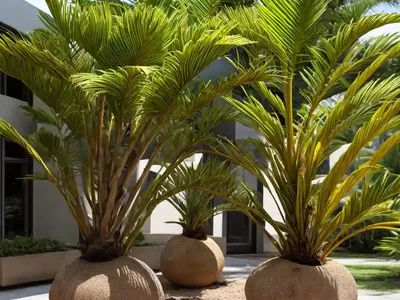
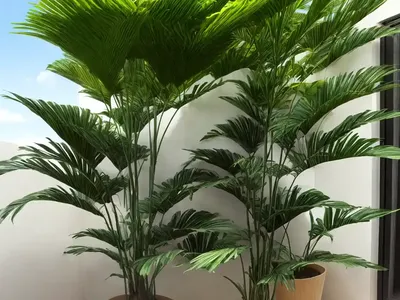
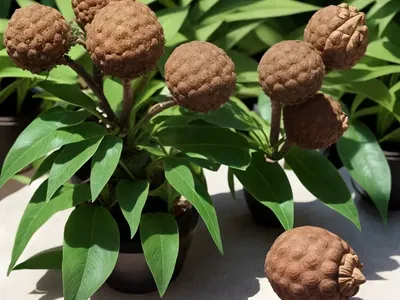
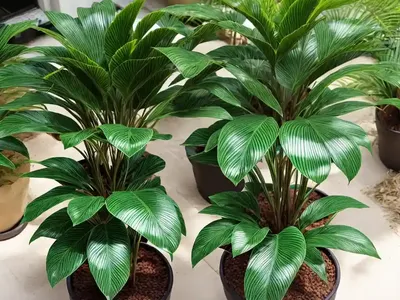
Bamboo Cycad (Ceratozamia Hildae)
Plants are essential for life on Earth. They provide us with oxygen, food, shelter, and numerous other resources. Among the wide array of plant species.
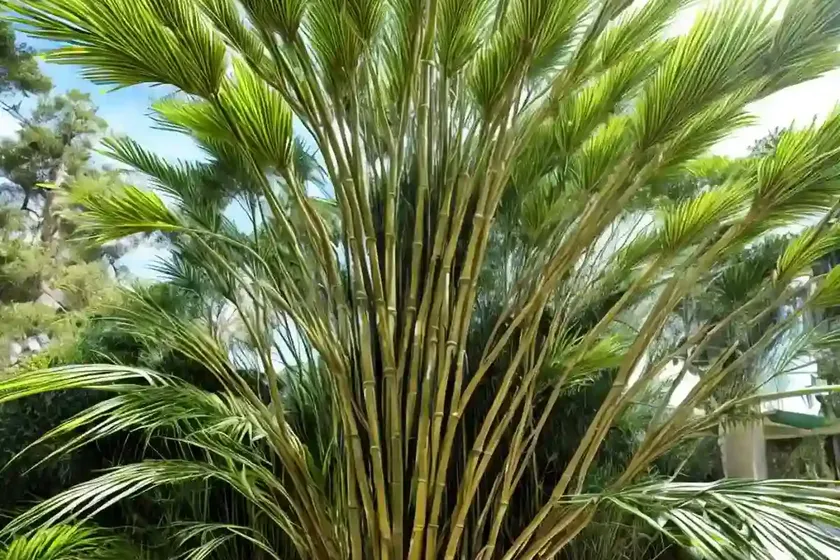
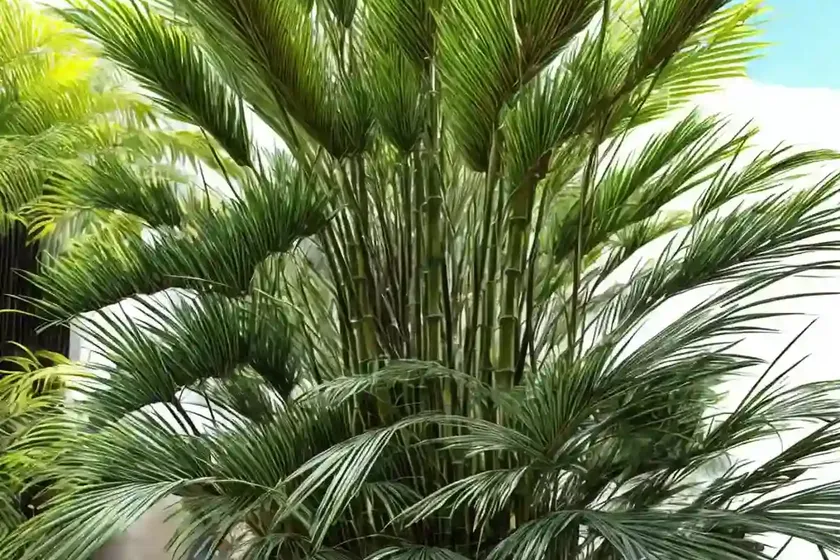
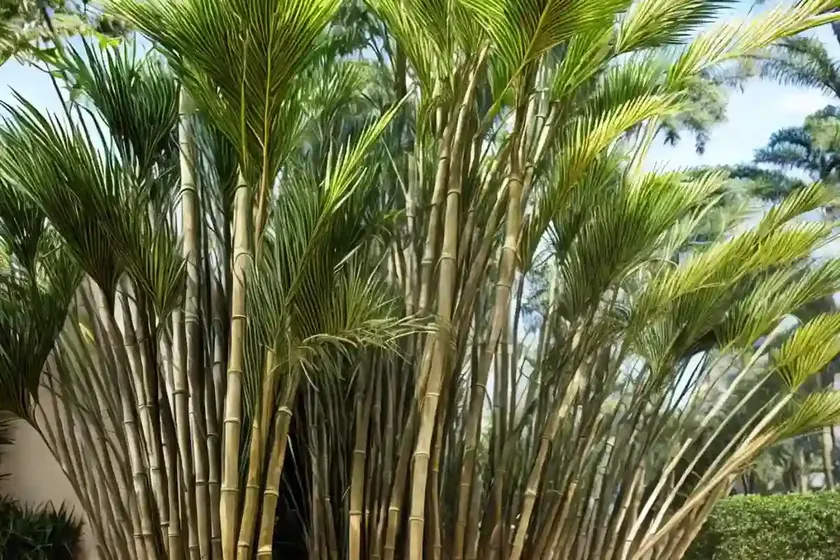
Plants are essential for life on Earth. They provide us with oxygen, food, shelter, and numerous other resources. Among the wide array of plant species, the Bamboo Cycad (Ceratozamia hildae) stands out as a remarkable and intriguing plant with unique characteristics. In this comprehensive guide, we will delve into the world of Bamboo Cycad, exploring its culture, uses, care requirements, and much more.
What is a Plant?
Plants are living organisms belonging to the kingdom Plantae. They are multicellular organisms with cell walls composed of cellulose. Plants play a crucial role in sustaining life on Earth through photosynthesis, which is the process of converting light energy into chemical energy to fuel the plant’s activities. They also serve as primary producers in ecosystems, forming the base of the food chain for many organisms.
Plants come in various forms, including trees, shrubs, herbs, grasses, ferns, mosses, and more. They exhibit remarkable diversity in terms of their morphology, physiology, and ecological adaptations.
Now, let’s delve into the specific plant species that we will be focusing on in this guide – the Bamboo Cycad (Ceratozamia hildae).
Bamboo Cycad (Ceratozamia hildae)
The Bamboo Cycad, scientifically known as Ceratozamia hildae, is a member of the ancient group of plants known as cycads. Cycads are gymnosperms, meaning their seeds are exposed and not enclosed within a fruit. These plants have a substantial fossil record and are often referred to as living fossils due to their ancient lineage, dating back to the Mesozoic era.
Ceratozamia hildae is a species of cycad native to Mexico, where it is found in the states of Veracruz and Oaxaca. It is renowned for its striking appearance and has garnered attention from plant enthusiasts and botanists due to its unique characteristics.
Key Takeaways – Bamboo Cycad (Ceratozamia hildae)
Before we delve into the specifics of Bamboo Cycad care and cultivation, let’s take a look at some key takeaways about this intriguing plant:
- Scientific Name: Ceratozamia hildae
- Native Region: Mexico (Veracruz and Oaxaca)
- Plant Type: Cycad
- Distinctive Features: Resembles bamboo, intricate fronds, symmetrical growth habit
- Uses: Ornamental plant, landscaping, botanical interest
- Growth Rate: Slow
- Hardiness: Suitable for tropical and subtropical climates
- Water Requirements: Moderate
- Sunlight Preferences: Partial shade to full sun
- Soil Conditions: Well-draining, fertile soil
- Diseases: Vulnerable to fungal infections in excessively moist conditions
Now that we have a glimpse of the unique characteristics of Ceratozamia hildae, let’s explore the specific aspects of its culture and care requirements.
Culture
Understanding the cultural requirements of Bamboo Cycad is paramount to ensuring its optimal growth and health. This entails considerations such as watering, sunlight exposure, soil conditions, and pruning practices.
Water
Proper watering is crucial for the well-being of Bamboo Cycad. While it is tolerant of drought conditions, it thrives when provided with consistent moisture. However, it’s important to avoid overwatering, as excessive moisture can lead to root rot and other fungal issues. A good practice is to allow the soil to dry out slightly between waterings to prevent waterlogged conditions.
Sunlight
Bamboo Cycad exhibits adaptability to varying light conditions. It thrives in partial shade to full sun, making it suitable for a range of outdoor environments. When grown outdoors, it can be positioned in locations that receive dappled sunlight or partial shade. In indoor settings, placing the plant near a bright window can provide the necessary light exposure for healthy growth.
Fertilizer
Fertilization plays a vital role in promoting the growth and vigor of Bamboo Cycad. It benefits from regular applications of a balanced, slow-release fertilizer during the growing season. The fertilizer should be applied according to the manufacturer’s recommendations, ensuring that it provides essential nutrients without causing nutrient imbalances or burning the plant’s roots.
Soil
The choice of soil for Bamboo Cycad is critical in ensuring its overall health and vitality. It thrives in well-draining, fertile soil that provides good aeration for the roots. A mix of loamy soil with added organic matter, such as compost or peat moss, can create an ideal growing medium for the plant. It’s important to avoid heavy, compacted soils that can lead to waterlogging and root suffocation.
Pruning
Pruning is an essential practice for maintaining the aesthetic appeal and health of Bamboo Cycad. Removing any dead or damaged fronds is necessary to promote airflow and prevent the accumulation of debris within the plant. Additionally, pruning can help shape the plant and remove any overcrowded or unsightly growth. It’s important to use sharp, clean tools to minimize the risk of disease transmission during pruning.
Propagation
The propagation of Bamboo Cycad can be achieved through various methods, including seed propagation and division of offsets. Here’s a brief overview of these propagation methods:
Seed Propagation
Propagation from seeds is a common method for multiplying Bamboo Cycad. The seeds can be collected from mature cones and sown in a well-draining potting mix. It’s important to provide the appropriate warmth and moisture for germination to occur. However, it’s essential to note that growing Bamboo Cycad from seeds requires patience, as the germination process and subsequent growth can be slow.
Division of Offsets
Another method for propagating Bamboo Cycad involves the division of offsets, which are the smaller plants that develop around the base of the parent plant. These offsets can be carefully separated from the main plant and potted individually. This method allows for the rapid multiplication of the plant and is often preferred for its relative simplicity compared to seed propagation.
Container Popularity
Bamboo Cycad is well-suited for container cultivation, making it a popular choice for both indoor and outdoor environments. Whether grown in decorative pots indoors or as a focal point on outdoor patios, its striking appearance and manageable size make it a sought-after plant for container gardening.
Container Common Diseases
Since Bamboo Cycad is often grown in containers, it’s important to be aware of the potential diseases that can affect the plant in this environment. Some common diseases to watch out for include:
- Root Rot: Overwatering or poorly draining soil can lead to root rot in container-grown Bamboo Cycad.
- Leaf Spot: Fungal infections can cause unsightly leaf spots, compromising the plant’s appearance and health.
Disease Diagnosis
Diagnosing diseases in Bamboo Cycad involves careful observation of any symptoms or changes in the plant’s appearance. Some signs of diseases may include wilting, yellowing or browning of fronds, and the presence of spots or lesions on the foliage. It’s important to promptly address any potential disease issues to prevent their spread and minimize their impact on the plant.
Common Pests
While Bamboo Cycad is relatively resistant to pest infestations, it can occasionally be affected by certain pests. Some common pests to monitor for include:
- Scale Insects: These small, immobile insects can infest the leaves and stems of the plant, leading to reduced vigor and aesthetic decline.
- Mealybugs: Mealybugs are sap-sucking pests that can congregate on the undersides of leaves, causing damage to the plant if left unchecked.
Implementing proactive pest monitoring and employing appropriate control measures can help mitigate pest-related issues in Bamboo Cycad.
Botanist’s Tips
As a botanist with a keen interest in cycads, I can offer some valuable tips for enthusiasts and horticulturists looking to cultivate Bamboo Cycad:
- Provide Adequate Drainage: Ensuring proper drainage in the planting medium is crucial for preventing waterlogged conditions that can be detrimental to the plant’s roots.
- Monitor Light Conditions: While Bamboo Cycad can tolerate varying light levels, it’s important to observe its response to light exposure and adjust its placement accordingly.
- Regular Maintenance: Consistent care and maintenance, including watering, fertilization, and pruning, play a key role in sustaining the health and vitality of Bamboo Cycad.
Fun Facts
To add some intrigue to our exploration of Bamboo Cycad, here are a few fascinating and lesser-known facts about this captivating plant:
- Ancient Lineage: As a member of the cycad group, Bamboo Cycad boasts an ancient lineage dating back millions of years, earning it the title of a living fossil.
- Architectural Appeal: The symmetrical growth habit and intricate fronds of Bamboo Cycad contribute to its architectural appeal, making it a favored choice for landscaping and ornamental purposes.
- Botanical Rarity: Ceratozamia hildae is a rare and sought-after plant among botanists and collectors due to its limited distribution in its native region of Mexico.
Links to External Resources
For further exploration of Bamboo Cycad and related topics, the following external resources provide valuable insights and information:
- Cycad Society: The Cycad Society is a dedicated resource for enthusiasts and researchers interested in the conservation and cultivation of cycads, including Bamboo Cycad.
- Royal Botanic Gardens, Kew – Cycad Collection: The Royal Botanic Gardens, Kew, houses an extensive cycad collection, offering a wealth of knowledge and resources related to these fascinating plants.
- Botanical Journal Publications: Access scholarly articles and research publications on cycads, botany, and horticulture to deepen your understanding of Bamboo Cycad and related subjects.
Conclusion
The Bamboo Cycad (Ceratozamia hildae) stands as a captivating and distinctive plant species with significant botanical, horticultural, and ornamental value. Its unique characteristics, adaptability to cultivation, and intriguing cultural aspects make it a plant of interest for enthusiasts, researchers, and nature lovers alike.
Understanding the nuances of caring for Bamboo Cycad, from proper watering and light exposure to disease management and propagation techniques, is essential for fostering its growth and ensuring its longevity. By incorporating the insights shared in this guide, individuals can embark on a rewarding journey of cultivating and appreciating the beauty of Bamboo Cycad in various settings, from indoor spaces to lush garden landscapes.
With its ancient lineage, architectural appeal, and botanical rarity, Bamboo Cycad continues to captivate and inspire, underscoring the enduring allure of nature’s marvels and the enduring significance of plants in our lives.
In the world of horticulture and botany, the Bamboo Cycad stands as a testament to the enduring allure of plants and the remarkable diversity of the natural world.
As we continue to explore and celebrate the myriad wonders of plant life, let us embrace the profound beauty and significance of the Bamboo Cycad and the many extraordinary plants that grace our planet.
For more information on Bamboo Cycad care and cultivation, be sure to explore our in-depth articles on:
- Bamboo Cycad plant care
- Bamboo Cycad growth tips
- Bamboo Cycad propagation techniques
And for the latest updates and insights on botanical wonders, don’t miss our upcoming features on the history and folklore of plants, including Bamboo Cycad symbolism and traditional uses.
Bamboo Cycad (Ceratozamia hildae) – a plant of intrigue and wonder, beckoning us to appreciate the timeless splendor of the botanical realm.
This comprehensive guide serves as an invaluable resource for plant enthusiasts, gardeners, and horticulturalists seeking to deepen their knowledge and appreciation of this outstanding plant species.
Happy gardening and discovery as you embark on your journey with the remarkable Bamboo Cycad!