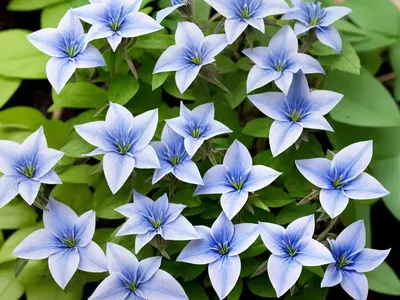
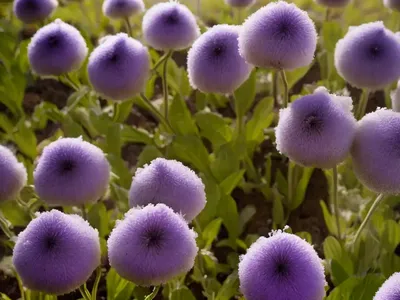
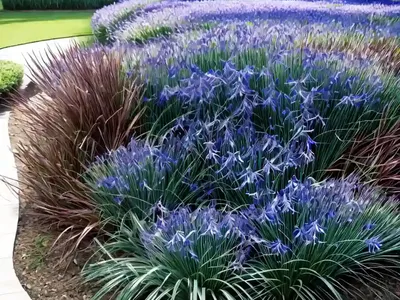
Balloon Flower (Platycodon Grandiflorus ‘Hakone Blue’)
The balloon flower, scientifically known as Platycodon grandiflorus ‘Hakone Blue’, is a beautiful perennial herbaceous plant native to East Asia, including.
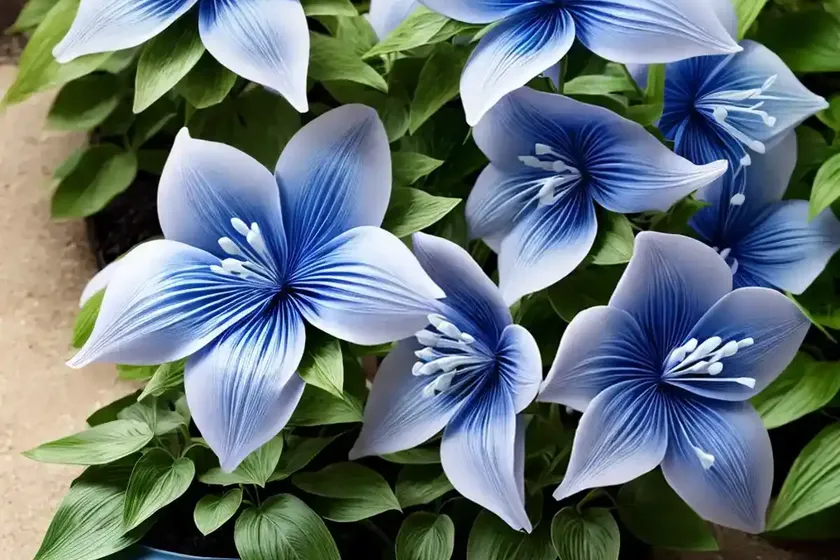
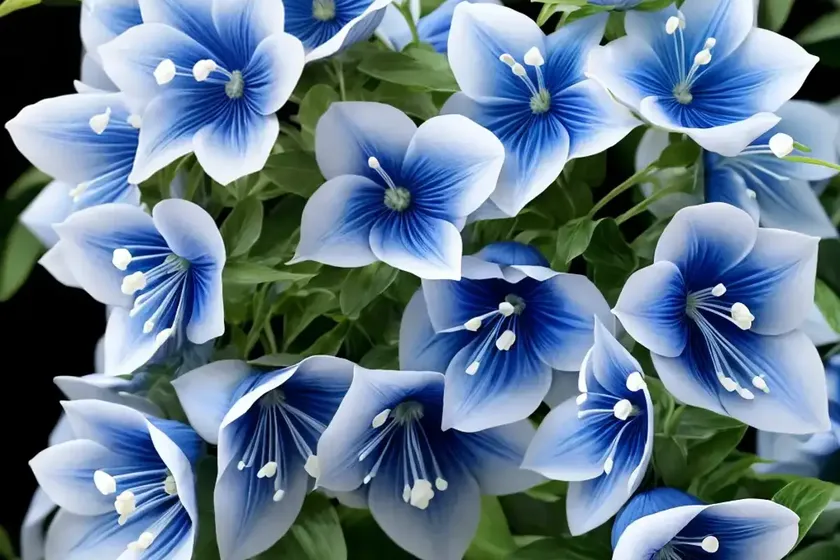
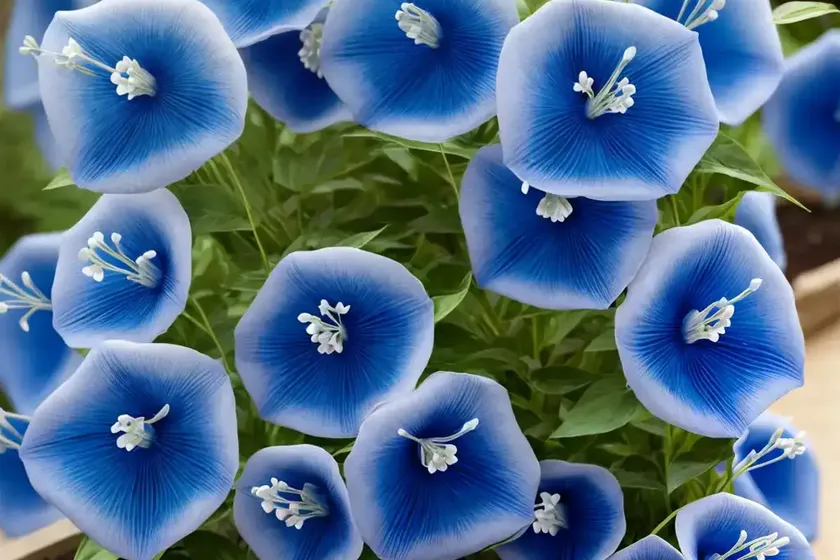
What is the Balloon Flower?
The balloon flower, scientifically known as Platycodon grandiflorus ‘Hakone Blue’, is a beautiful perennial herbaceous plant native to East Asia, including China, Korea, and Japan. It is a member of the campanula family Campanulaceae and is known for its unique balloon-shaped flower buds that unfurl into star-shaped blooms. The plant is also referred to as Chinese bellflower, Chinese balloon flower, or simply Platycodon.
The ‘Hakone Blue’ cultivar is one of the varieties of balloon flower and is favored for its striking deep blue blossoms. The name “Platycodon” is derived from the Greek words “platys” meaning broad and “codon” meaning bell, which describes the wide bell-like shape of the flower.
Balloon flowers are a popular choice for gardeners due to their lovely appearance, low maintenance requirements, and versatility in various garden settings. In this comprehensive guide, we will delve into the various aspects of balloon flower care, cultivation, and its role in gardening and landscaping.
Let’s take a deep dive into the enchanting world of the balloon flower and discover the secrets to cultivating and nurturing this botanical marvel.
Key Takeaways – Balloon Flower (Platycodon grandiflorus ‘Hakone Blue’)
Before we embark on this botanical journey, let’s briefly overview some key takeaways about the balloon flower ‘Hakone Blue’ to set the stage for our in-depth exploration:
- Scientific Name: Platycodon grandiflorus ‘Hakone Blue’
- Common Names: Balloon flower, Chinese bellflower, Chinese balloon flower
- Cultivar: ‘Hakone Blue’
- Native to: East Asia
- Characteristic Feature: Unique balloon-shaped flower buds that open into star-shaped blossoms
- Popularity: A favored choice for gardeners due to its striking appearance and low maintenance requirements
Now, let’s delve deeper into the specific aspects of the care and cultivation of the balloon flower ‘Hakone Blue’.
Culture
Cultivating and caring for the balloon flower ‘Hakone Blue’ entails understanding its cultural needs, including water requirements, sunlight exposure, fertilizer application, suitable soil, pruning techniques, and propagation methods. Let’s explore each of these aspects in detail.
Water
Balloon flowers thrive in well-drained soil and generally prefer moderate watering. Overwatering can lead to root rot, while insufficient water can impede their growth and blooming. It’s essential to strike a balance and water the plants when the top inch of the soil feels dry to the touch.
Sunlight
While balloon flowers can tolerate partial shade, they tend to bloom more prolifically when exposed to full sunlight. Aim to provide them with at least 6-8 hours of direct sunlight daily for optimal growth and flowering.
Fertilizer
To enhance the growth and blooming of balloon flowers, a balanced, all-purpose fertilizer can be applied in early spring or early summer. Follow the manufacturer’s instructions for dilution and application, and avoid over-fertilization, which can lead to excessive foliage growth at the expense of blossoms.
Soil
Balloon flowers thrive in well-drained, loamy soil with a slightly acidic to neutral pH (6.0-7.0). It’s important to ensure good soil drainage to prevent waterlogging, which can adversely affect the plant’s health.
Pruning
Pruning balloon flowers can help promote bushier growth and an extended blooming period. Deadheading, the process of removing spent blooms, can encourage the plant to produce more flowers. Additionally, cutting back the plant to about half its height after the initial flowering can stimulate a second flush of blooms later in the season.
Propagation
Balloon flowers can be propagated through various methods, including division, stem cuttings, and seed sowing. Division involves separating the plant into smaller sections with roots, while stem cuttings can be rooted in a suitable growing medium. Additionally, collecting and sowing the seeds from mature balloon flower pods can yield new plants with patience and care.
Container Popularity
The balloon flower ‘Hakone Blue’ is well-suited for container gardening, adding a touch of elegance and color to patios, balconies, and indoor spaces. Its compact size and striking blooms make it an excellent choice for container cultivation, allowing gardeners to enjoy its beauty in smaller garden spaces.
Common Diseases
While balloon flowers are relatively resistant to pests and diseases, they may occasionally face challenges such as fungal infections, particularly in conditions of high humidity or poor air circulation. Keeping the foliage dry and ensuring proper spacing between plants can help mitigate the risk of fungal diseases.
Disease Diagnosis
Common fungal diseases that can affect balloon flowers include powdery mildew and leaf spot. Powdery mildew presents as a white, powdery growth on the leaves and stems, while leaf spot manifests as dark or discolored spots on the foliage. Prompt diagnosis and treatment can help prevent the spread of these diseases and preserve the plant’s health.
Common Pests
Balloon flowers are relatively resistant to pest infestations, but they may attract some common garden pests such as aphids and spider mites, especially in periods of stress or when grown in suboptimal conditions. Regular inspection of the plants can help identify and address pest issues in the early stages.
Botanist’s Tips
As a seasoned plant scientist, here are some valuable tips to ensure the successful cultivation and care of balloon flowers ‘Hakone Blue’:
- Provide well-drained soil and avoid waterlogging to prevent root rot.
- Regularly deadhead spent blooms to encourage continuous flowering.
- Monitor for signs of fungal diseases and address them promptly to prevent their spread.
- Propagate balloon flowers through division, stem cuttings, or seed sowing to expand your plant collection.
Fun Facts
Now, let’s uncover some fascinating and lesser-known facts about the balloon flower ‘Hakone Blue’ that add to its allure and charm:
- The balloon flower’s botanical name Platycodon is derived from Greek words meaning “broad bell,” alluding to the shape of its blossoms.
- The balloon flower’s unique balloon-like buds gradually unfurl to reveal delightful star-shaped flowers, captivating onlookers with their transformation.
- Beyond their ornamental value, some cultures use balloon flowers for culinary and medicinal purposes, harnessing their versatile properties in traditional remedies and cuisine.
Links to External Resources
For further exploration of balloon flower care, cultivation, and gardening inspiration, I recommend exploring these valuable external resources:
- The Royal Horticultural Society – Growing Balloon Flowers
- University of Missouri Extension – Balloon Flower Cultivation
- National Gardening Association – Balloon Flower Care Guide
- Missouri Botanical Garden – Platycodon grandiflorus Profile
In this extensive guide, we’ve unraveled the captivating world of the balloon flower ‘Hakone Blue’, exploring its cultural needs, care tips, and fascinating attributes. Whether adorning garden beds, containers, or floral arrangements, the balloon flower enchants with its striking blossoms and ease of maintenance, making it an appealing choice for both novice and seasoned garden enthusiasts. With the insights and resources shared, may your journey with the remarkable balloon flower be filled with beauty and botanical delight!