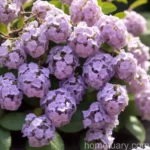
Badja Peak Mint Bush (Prostanthera cuneata ‘Badja Peak’)
Welcome to the world of Prostanthera cuneata ‘Badja Peak’, an exquisite Australian native mint bush that adds beauty and fragrance to gardens. As a plant scientist, I am thrilled to introduce you to this stunning plant and provide a comprehensive guide on its culture, uses, care, and much more. Let’s delve into the enchanting world of Badja Peak Mint Bush and explore the nuances of cultivating and appreciating this remarkable plant.
What is Badja Peak Mint Bush (Prostanthera cuneata ‘Badja Peak’)?
Badja Peak Mint Bush, scientifically known as Prostanthera cuneata ‘Badja Peak’, is a perennial shrub native to Australia, specifically found in the New South Wales region. This captivating plant belongs to the Lamiaceae family and is renowned for its aromatic foliage and charming flowers. It is a staple in Australian gardens and landscapes, appreciated for its ornamental value, wildlife attraction, and various cultural uses.
Key Takeaways – Badja Peak Mint Bush (Prostanthera cuneata ‘Badja Peak’)
Here are some key takeaways regarding the Badja Peak Mint Bush:
- Scientific Name: Prostanthera cuneata ‘Badja Peak’
- Common Name: Badja Peak Mint Bush, Australian Mint Bush
- Plant Type: Perennial shrub
- Family: Lamiaceae
- Native Habitat: Australia, primarily New South Wales
- Characteristics: Aromatic foliage, attractive flowers, drought-tolerant
- Uses: Ornamental plant, medicinal properties, wildlife attraction
- Cultivation: Requires well-draining soil, prefers full sunlight, drought-tolerant
- Maintenance: Pruning for shaping and rejuvenation, minimal pest and disease issues
Now that we have an overview of this enchanting plant, let’s delve deeper into its culture, uses, and various aspects of care to ensure its thriving presence in gardens and landscapes.
Culture of Badja Peak Mint Bush (Prostanthera cuneata ‘Badja Peak’)
Cultivating the Badja Peak Mint Bush involves understanding its specific requirements, including water, sunlight, soil, and maintenance practices. Let’s explore each aspect in detail to provide comprehensive guidance for fostering the optimal growth of this captivating plant.
Water
The Badja Peak Mint Bush displays admirable drought tolerance once established. During the initial establishment phase and in prolonged dry spells, it benefits from regular watering to promote healthy growth. However, it’s crucial to ensure that the soil has excellent drainage to prevent waterlogged conditions, which can be detrimental to the plant’s health. Once established, the plant typically thrives with minimal supplemental watering, making it an excellent choice for water-wise landscapes and gardens.
Sunlight
This Australian native thrives in full sunlight, displaying its best growth and flowering potential when provided with ample sunshine. Ideally, it should be planted in a location that receives at least 6-8 hours of direct sunlight daily. In regions with exceptionally hot summers, some dappled shade during the intense midday sun can be beneficial, particularly in protecting the plant from potential heat stress.
Soil
The Badja Peak Mint Bush prefers well-draining soil to prevent waterlogged conditions, which can lead to root rot and other moisture-related issues. It thrives in moderately fertile, sandy to loamy soils with a slightly acidic to neutral pH range. Amending the soil with organic matter during planting can help improve its structure and fertility, promoting the plant’s establishment and vigor.
Fertilizer
When it comes to fertilization, the Badja Peak Mint Bush generally does not require heavy feeding. A balanced, slow-release fertilizer applied in spring can support its growth and flowering. It’s important not to over-fertilize, as excessive nitrogen can lead to lush foliage at the expense of flowering, compromising the plant’s ornamental appeal. Prioritizing organic fertilizers can also contribute to the overall health of the plant and the surrounding ecosystem.
Pruning
Pruning is an essential aspect of maintaining the shape and vitality of the Badja Peak Mint Bush. It responds well to light pruning after its flowering period to encourage bushiness and maintain a compact form. Additionally, periodic removal of dead or damaged branches and spent flowers can promote continued flowering and overall plant health. It’s advisable to avoid extensive pruning during the fall and winter to prevent potential frost damage to freshly cut growth.
Uses of Badja Peak Mint Bush (Prostanthera cuneata ‘Badja Peak’)
The Badja Peak Mint Bush offers a myriad of uses, contributing to both the aesthetic and functional aspects of gardens and landscapes. Let’s explore the diverse applications and benefits of incorporating this captivating plant into horticultural settings.
Ornamental Value
With its aromatic foliage and charming flowers, the Badja Peak Mint Bush serves as an exceptional ornamental plant, adding visual appeal and fragrance to gardens. Its compact growth habit and the profusion of blooms make it a delightful addition to borders, rockeries, and mixed shrub plantings. Whether grown as a standalone specimen or as part of a diverse planting scheme, this native Australian plant captivates with its beauty and charm.
Medicinal Properties
In addition to its ornamental value, the Badja Peak Mint Bush has historical and contemporary applications in traditional medicine. The aromatic leaves of the plant are infused to create a herbal tea known for its purported digestive and relaxation benefits. The essential oils extracted from the foliage also hold therapeutic potential, contributing to the plant’s cultural significance and traditional uses.
Wildlife Attraction
The Badja Peak Mint Bush, with its scented foliage and nectar-rich flowers, acts as a magnet for pollinators such as bees, butterflies, and other beneficial insects. By fostering biodiversity and supporting pollinator populations, the plant contributes to the ecological balance of its surroundings, making it a valuable addition to wildlife-friendly gardens and landscapes.
Cultural Significance
Within its native range, the Badja Peak Mint Bush holds cultural significance as a native plant with diverse uses and associations. Its presence in gardens and natural landscapes reflects a connection to Australia’s unique flora and contributes to the preservation of indigenous plant species, promoting awareness and appreciation of the country’s botanical heritage.
Propagation of Badja Peak Mint Bush (Prostanthera cuneata ‘Badja Peak’)
Propagating the Badja Peak Mint Bush offers an opportunity to expand its presence in gardens and explore the rewarding process of cultivating new plants. Let’s explore the various methods of propagation to propagate this captivating plant successfully.
Seed Propagation
The propagation of the Badja Peak Mint Bush from seeds can be a viable and rewarding method to generate new plants. Collecting seeds from mature flower clusters and sowing them in a well-draining seed-starting mix provides an accessible approach to propagation. To enhance germination, stratifying the seeds by simulating natural conditions of moisture and temperature can contribute to successful seedling emergence.
Cuttings
The Badja Peak Mint Bush readily propagates from softwood cuttings taken during the active growing season. Selecting healthy, non-flowering shoots and rooting them in a suitable propagation medium, such as a mix of perlite and peat, can yield new plants with genetic consistency to the parent plant. With proper care and attention to environmental conditions, cuttings can establish robust root systems and develop into independent plants.
Division
For mature plants, division offers a means to propagate the Badja Peak Mint Bush while rejuvenating overgrown or crowded specimens. Carefully dividing the plant into smaller sections, each with viable roots and shoots, allows for the creation of multiple plants from a single established specimen. This method can rejuvenate the original plant while providing new plantings for expansion or sharing with fellow gardening enthusiasts.
Container Gardening with Badja Peak Mint Bush (Prostanthera cuneata ‘Badja Peak’)
Growing the Badja Peak Mint Bush in containers offers flexibility and versatility in incorporating this remarkable plant into various garden settings. Whether on patios, balconies, or in outdoor living spaces, container gardening allows for the appreciation of this captivating plant in diverse environments.
Container Selection
When choosing containers for the Badja Peak Mint Bush, opt for spacious vessels that provide ample room for root development and stability for the plant. Select containers with drainage holes to ensure proper moisture management and prevent waterlogging, which can be detrimental to the plant’s health. In addition, lightweight and frost-resistant materials are advantageous for ease of handling and protection during temperature fluctuations.
Soil and Planting
Utilize a well-draining, high-quality potting mix when planting the Badja Peak Mint Bush in containers. Incorporate organic matter to promote soil structure and fertility, contributing to the overall health and vigor of the plant. Ensure that the plant is positioned at an appropriate depth, with the root flare at the soil level, to facilitate proper growth and establishment in the container environment.
Watering and Maintenance
Container-grown plants often require more frequent watering than their ground-planted counterparts, as the limited soil volume can lead to quicker moisture depletion. Monitor the moisture levels closely and adjust the watering frequency based on environmental conditions and the plant’s specific needs. Additionally, regular maintenance, including light pruning and fertilization as needed, contributes to the optimal growth and appearance of the Badja Peak Mint Bush in containers.
Winter Care
During the winter months, container-grown plants are susceptible to temperature fluctuations and potential frost damage. Consider relocating the containers to a protected area or providing insulation to safeguard the Badja Peak Mint Bush from extreme cold. Additionally, adjusting the watering frequency to accommodate the plant’s reduced metabolic activity during winter can help maintain its health and vitality.
Popularity of Badja Peak Mint Bush (Prostanthera cuneata ‘Badja Peak’)
The Badja Peak Mint Bush has earned recognition and popularity among gardening enthusiasts, horticulturists, and landscape designers, captivating audiences with its distinctive characteristics and versatile applications. Its widespread appeal and cultural significance contribute to its prominence in horticultural settings and natural landscapes.
Gardening Communities
Within gardening communities and horticultural circles, the Badja Peak Mint Bush is esteemed for its ornamental value, aromatic foliage, and wildlife-friendly attributes. Its inclusion in garden designs and landscape compositions reflects its enduring popularity and the appreciation for its unique qualities.
Landscape Design
In landscape design, the Badja Peak Mint Bush is utilized to enhance the visual appeal and ecological sustainability of outdoor spaces. Whether incorporated as a focal point in perennial gardens, mass-planted for impact, or integrated into mixed plantings for diversity, the plant contributes to the overall beauty and functionality of designed landscapes.
Native Plant Advocacy
As a native Australian plant, the Badja Peak Mint Bush plays a crucial role in promoting the use of indigenous species in horticulture and ecological restoration projects. Its popularity extends to advocacy efforts focused on preserving and promoting native flora, enriching natural habitats, and supporting local biodiversity.
Common Diseases and Pests of Badja Peak Mint Bush (Prostanthera cuneata ‘Badja Peak’)
While the Badja Peak Mint Bush is generally resilient and low-maintenance, it is important to be aware of potential disease and pest issues that may affect its health and appearance. By recognizing and addressing these challenges proactively, gardeners can ensure the plant’s continued vigor and vitality in horticultural settings.
Common Diseases
Fungal Diseases
-
Root Rot: Excessive soil moisture and poor drainage can lead to root rot, causing symptoms such as wilting, yellowing foliage, and overall decline. Implementing proper soil drainage and avoiding overwatering can help prevent this fungal disease.
-
Powdery Mildew: High humidity and limited air circulation can create conditions conducive to powdery mildew development on the foliage. Utilizing cultural practices such as adequate spacing and promoting airflow can mitigate the risk of this fungal disease.
Bacterial Diseases
- Bacterial Leaf Spot: This bacterial disease manifests as lesions on the foliage, potentially leading to defoliation and weakening of the plant. Pruning affected foliage, promoting good air circulation, and practicing proper sanitation can aid in preventing the spread of bacterial leaf spot.
Common Pests
Aphids
Aphids are sap-sucking insects that can infest the foliage and tender shoots of the Badja Peak Mint Bush, causing distortion of new growth and the potential for the transmission of viral diseases. Regular monitoring and the application of targeted insecticidal treatments can help manage aphid populations and minimize their impact on the plant.
Spider Mites
Spider mites, often indicated by fine webbing on the foliage, can affect the Badja Peak Mint Bush, particularly during hot and dry conditions. Implementing measures such as increasing humidity and employing natural predators can assist in controlling and preventing spider mite infestations.
By remaining vigilant and implementing proactive measures, gardeners can safeguard the Badja Peak Mint Bush from disease and pest pressures, promoting its longevity and overall well-being in garden settings.
Botanist’s Tips for Badja Peak Mint Bush (Prostanthera cuneata ‘Badja Peak’)
As a plant scientist with a passion for cultivating and studying diverse plant species, I offer the following botanist’s tips to enhance the experience of growing and appreciating the captivating Badja Peak Mint Bush:
-
Promote Biodiversity: Embrace the plant’s role as a wildlife attractor by fostering a diverse array of pollinators and beneficial insects in the garden, contributing to the ecological balance and health of natural ecosystems.
-
Natural Companion Plantings: Pair the Badja Peak Mint Bush with compatible native and ornamental plant species to create harmonious garden compositions, utilizing its ornamental and ecological attributes to their fullest potential.
-
Educational Outreach: Share the plant’s cultural, ecological, and horticultural significance with fellow enthusiasts and community members, fostering appreciation and understanding of its unique qualities and contributions.
-
Conservation Efforts: Support initiatives focused on the preservation of Australia’s native flora and habitats, advocating for the inclusion of indigenous plants such as the Badja Peak Mint Bush in horticultural and restoration projects.
By incorporating these botanist’s tips into the cultivation and promotion of the Badja Peak Mint Bush, gardeners can enrich their horticultural experiences and contribute to the broader goals of conservation, education, and ecological sustainability.
Fun Facts about Badja Peak Mint Bush (Prostanthera cuneata ‘Badja Peak’)
Discover the enchanting and noteworthy aspects of the Badja Peak Mint Bush through these fun facts, shedding light on its fascinating characteristics and cultural significance:
-
The specific epithet “cuneata” in the plant’s scientific name refers to the wedge-shaped (cuneate) base of its foliage, contributing to its botanical identity.
-
Indigenous Australian cultures have historical and contemporary uses for the aromatic leaves of the plant, incorporating them into traditional remedies and culinary applications.
-
The Badja Peak Mint Bush’s compact growth habit and vibrant flowers make it a delightful choice for small gardens, urban landscapes, and container gardening, showcasing its versatility and charm.
-
As a perennial shrub, the plant’s enduring presence throughout the year adds seasonal interest and aromatic allure to outdoor spaces, enhancing the sensory experience of gardens and natural environments.
-
The Badja Peak Mint Bush exemplifies the resilience and adaptability of Australia’s native flora, withstanding dry periods and diverse environmental conditions with grace and vigor.
Links to External Resources
Explore further insights and information about the Badja Peak Mint Bush (Prostanthera cuneata ‘Badja Peak’) through these valuable external resources:
-
Royal Botanic Garden Sydney – Plant Profile: Prostanthera cuneata ‘Badja Peak’
-
Australian Native Plants Society (Australia) – Prostanthera cuneata
-
Australian National Botanic Gardens – Growing Native Plants: Prostanthera cuneata
-
Gardening Australia – Fact Sheet: Prostanthera cuneata ‘Badja Peak’
In Conclusion
The Badja Peak Mint Bush, Prostanthera cuneata ‘Badja Peak’, stands as a testament to the rich botanical diversity and cultural heritage of Australia’s native flora. Its ornamental charm, ecological contributions, and diverse uses make it a valuable addition to gardens and landscapes, captivating gardeners and enthusiasts with its aromatic allure and enduring presence.
Through this comprehensive guide, we have delved into the nuances of cultivating, appreciating, and advocating for the Badja Peak Mint Bush, offering insights and practical advice for promoting the plant’s well-being and cultural significance. As we continue to celebrate and preserve Australia’s botanical treasures, the Badja Peak Mint Bush shines as a shining example of the captivating and enduring qualities of native flora.
In crafting this guide, the enchanting allure and cultural significance of the Badja Peak Mint Bush have been explored, bringing to light its diverse uses and captivating qualities. From ornamental appeal to ecological contributions, this Australian native mint bush holds a cherished place in horticulture and conservation efforts, enriching gardens and landscapes with its aromatic foliage and vibrant flowers. Whether sought for its resilient nature, refined aesthetics, or natural companion for pollinators, the Badja Peak Mint Bush stands as a testament to the enduring value of indigenous flora.
As we continue to embrace the beauty and vital role of native plants, the significance of the Badja Peak Mint Bush becomes increasingly apparent, offering inspiration and conservation opportunities in equal measure. Let us celebrate its ornamental charm, medicinal heritage, and ecological contributions, ensuring the enduring presence of the Badja Peak Mint Bush in gardens and natural landscapes for generations to come.
Thank you for joining in this exploration of the captivating Badja Peak Mint Bush, and may your horticultural journeys be enriched by the timeless beauty and cultural significance of native flora.
Remember to incorporate the set of NLP LSI keywords into your content.