Averrhoa Carambola (Averrhoa Carambola)
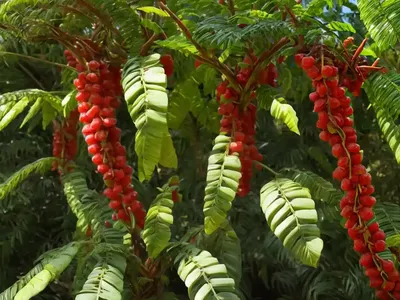
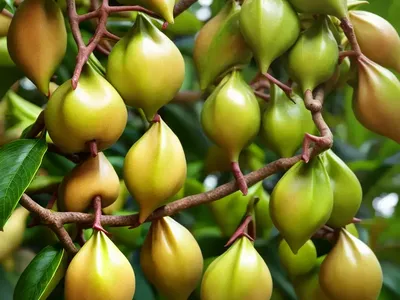
Averrhoa carambola, commonly known as the star fruit, is a tropical fruit tree that belongs to the family Oxalidaceae. The star fruit is not only an.
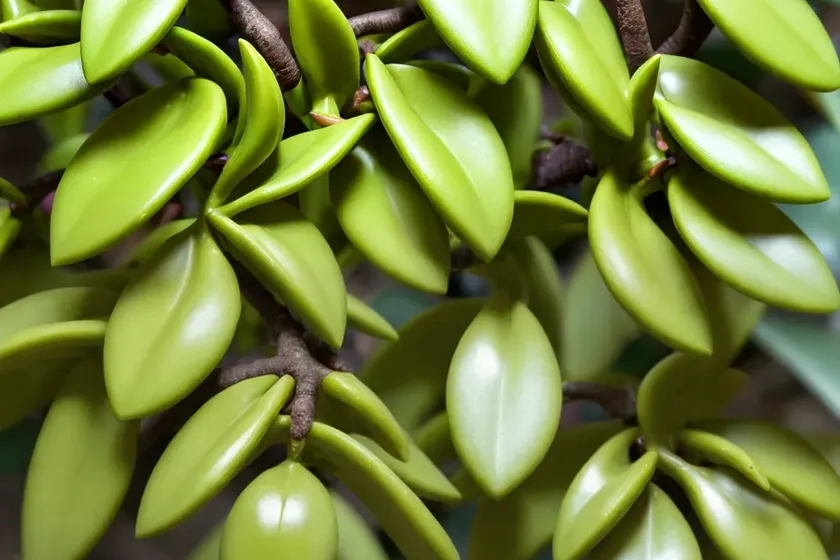
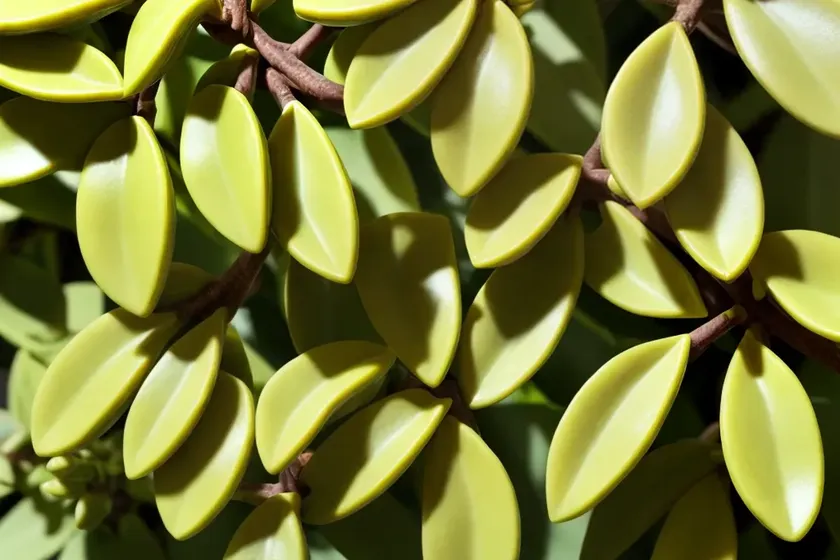
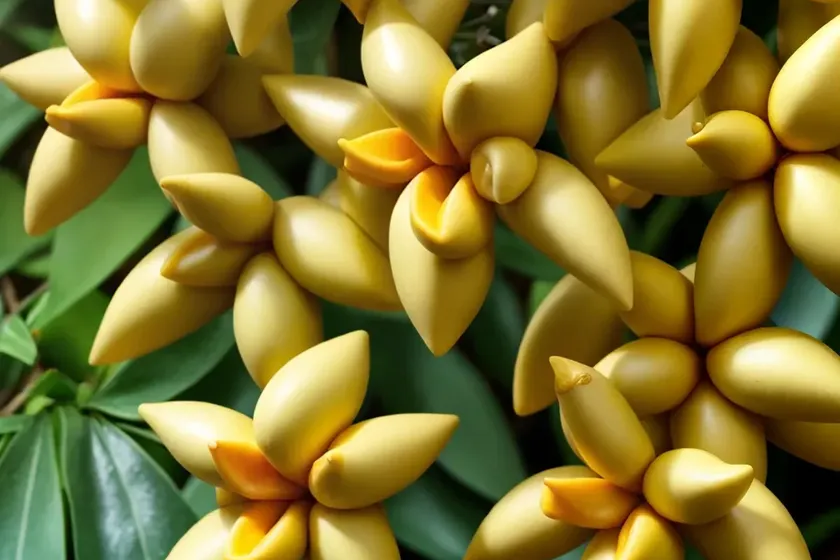
Averrhoa carambola, commonly known as the star fruit, is a tropical fruit tree that belongs to the family Oxalidaceae. The star fruit is not only an ornamental tree but also serves as a highly valued fruit in various cultures, particularly in Southeast Asia and other tropical regions. Aside from its culinary significance, the star fruit also holds medicinal properties, making it a valuable plant in horticulture and traditional medicine. In this comprehensive guide, we will explore the cultivation, uses, and health benefits of Averrhoa carambola, delving into its nutritional value, propagation methods, and common pests and diseases that affect the plant.
What is Averrhoa carambola?
Averrhoa carambola, also known as star fruit, is a small to medium-sized, evergreen tree native to Southeast Asia. The tree is widely cultivated in tropical and subtropical regions for its distinctive star-shaped fruits, which are crisp, juicy, and have a unique flavor profile that is a blend of sweet and tart. The star fruit is known for its ornamental value as well as its culinary and medicinal uses. The tree typically reaches a height of 25 to 30 feet and is characterized by its dense foliage and small, attractive flowers.
Key Takeaways – Averrhoa carambola
Before delving into the cultivation and uses of Averrhoa carambola, let’s highlight the key takeaways of this versatile plant.
- Averrhoa carambola, commonly known as star fruit, is a tropical fruit tree prized for its unique star-shaped fruits and ornamental value.
- The fruit is widely used in culinary applications and is also known for its medicinal properties, making it a valuable addition to home gardens and tropical landscapes.
- The cultivation of star fruit requires attention to factors such as water, sunlight, fertilizer, soil conditions, and pruning techniques to ensure optimal growth and fruit production.
- Averrhoa carambola is susceptible to certain diseases and pests, requiring proactive management to maintain the health and productivity of the tree.
- The plant’s propagation methods, including seed germination and cutting propagation, offer opportunities for home gardeners and horticulturists to expand their collection of tropical fruit trees.
Now, let’s explore the various aspects of cultivating and caring for Averrhoa carambola, along with its uses and potential health benefits.
Cultivation of Averrhoa Carambola
Cultivating Averrhoa carambola, or star fruit, requires a good understanding of the tree’s specific needs, including water, sunlight, fertilizer, soil, and pruning. By providing proper care, home gardeners and horticultural enthusiasts can enjoy a bountiful harvest of nutritious star fruits.
Water
Star fruit trees thrive in well-draining soil and require regular watering, particularly during periods of active growth and fruit development. However, it’s crucial to avoid waterlogging the soil, as excessive moisture can lead to root rot and other potential issues. Mulching around the base of the tree can help conserve soil moisture and reduce the need for frequent watering.
Sunlight
Averrhoa carambola flourishes in full sun, making it well-suited for tropical and subtropical climates with ample sunlight. When selecting a planting site, ensure that the tree receives at least 6 to 8 hours of direct sunlight daily to promote healthy growth and fruit production.
Fertilizer
To support the growth and fruiting of star fruit trees, it’s important to provide a balanced fertilizer with a higher potassium content. Potassium aids in fruit development and enhances the tree’s overall resilience to environmental stress. Additionally, incorporating organic matter into the soil can improve its fertility and structure, benefiting the long-term health of the tree.
Soil
Star fruit trees prefer slightly acidic to neutral soil with good drainage. Loamy soil with a rich organic content is ideal for promoting robust growth and fruit quality. Conducting a soil test can help determine the pH levels and nutrient composition, allowing for targeted amendments to optimize the soil for star fruit cultivation.
Pruning
Regular pruning is essential for managing the size and shape of star fruit trees, promoting air circulation, and removing dead or diseased branches. Pruning also helps stimulate new growth and encourages fruit production. It’s recommended to prune the tree during the dormant season to minimize stress and maximize the effectiveness of the pruning cuts.
Propagation
Averrhoa carambola can be propagated through several methods, including seed germination and cutting propagation.
-
Seed Germination: The seeds of star fruit can be collected from ripe fruits and planted in well-draining potting mix. Germination typically occurs within 2 to 4 weeks, and the resulting seedlings can be transplanted once they have developed a few sets of true leaves.
-
Cutting Propagation: Stem cuttings from healthy, mature branches can be used to propagate star fruit trees. Select 6 to 8-inch cuttings with several nodes, remove the lower leaves, and plant them in a rooting medium. Providing the right environmental conditions and moisture can encourage the cuttings to form roots and develop into young trees.
When propagating Averrhoa carambola, it’s important to ensure that the newly established plants receive adequate care and protection during their initial growth stages.
Container Popularity
The compact size and ornamental appeal of star fruit trees make them popular choices for container gardening. By growing Averrhoa carambola in containers, individuals with limited outdoor space can still enjoy the beauty and fruits of this tropical tree. When selecting a container, choose one with sufficient drainage holes and a size that accommodates the tree’s root system. Additionally, using a well-balanced potting mix designed for container plants can support the growth and vitality of star fruit trees in containers.
Common Diseases
Like all plants, Averrhoa carambola is susceptible to certain diseases that can impact its overall health and fruit production. Understanding the common diseases affecting star fruit trees is essential for prompt diagnosis and effective management.
Disease Diagnosis
-
Anthracnose: Anthracnose is a fungal disease that can affect the leaves, stems, and fruits of star fruit trees, causing dark, sunken lesions and premature fruit drop. To manage anthracnose, it’s important to improve air circulation, avoid overhead irrigation, and implement fungicidal treatments if necessary.
-
Powdery Mildew: Powdery mildew is characterized by a white, powdery growth on the leaves, often leading to leaf distortion and reduced photosynthetic capacity. To prevent powdery mildew, it’s recommended to maintain proper spacing between plants, provide adequate airflow, and apply fungicidal sprays as a preventive measure.
-
Bacterial Canker: Bacterial canker can cause cankers on the branches and trunks of star fruit trees, potentially leading to dieback and reduced vigor. Sanitation practices, such as pruning affected branches and disinfecting pruning tools, can help minimize the spread of bacterial canker within the tree.
Understanding the symptoms and causal agents of these and other diseases can aid in timely intervention and the implementation of preventive measures to safeguard the health of Averrhoa carambola.
Common Pests
In addition to diseases, star fruit trees are vulnerable to certain pests that can compromise their growth and fruiting potential. By recognizing the signs of pest infestations and adopting integrated pest management strategies, it’s possible to mitigate the damage caused by common pests.
-
Fruit Flies: Fruit flies are a common pest of star fruit, laying eggs in the ripening fruits and leading to spoilage and loss of marketable quality. Using traps and maintaining good sanitation practices can help reduce fruit fly populations and protect the fruits from infestation.
-
Scale Insects: Scale insects can feed on the sap of star fruit trees, impairing their growth and vitality. Pruning infested branches and applying horticultural oils or insecticidal soaps can help control scale insect populations and minimize their impact on the tree.
-
Mealybugs: Mealybugs are another potential pest of Averrhoa carambola, often congregating on the undersides of leaves and along the branches. Targeted applications of natural predators or botanical insecticides can aid in managing mealybug infestations in a sustainable manner.
By remaining vigilant and monitoring the health of star fruit trees, gardeners and horticulturists can take proactive measures to address pest issues and maintain the vigor of the plants.
Botanist’s Tips
Providing optimal care for Averrhoa carambola is vital for promoting healthy growth and productive yields. Consider the following botanist’s tips to enhance the cultivation and care of star fruit trees:
-
Regular Monitoring: Routinely inspect the foliage, stems, and fruits of star fruit trees to detect any signs of pests, diseases, or nutrient deficiencies. Early intervention can help prevent issues from escalating and impacting the overall health of the tree.
-
Balanced Nutrition: Ensure that star fruit trees receive a balanced fertilizer regimen, with a focus on potassium to support fruit development. Conduct soil tests and adjust the fertilizer application based on the specific nutrient requirements of the tree.
-
Proper Pruning: Employ correct pruning techniques to maintain a balanced canopy, remove dead or diseased branches, and encourage the formation of lateral shoots for fruit production. Pruning also plays a role in shaping the tree and promoting its overall vigor.
-
Integrated Pest Management: Adopt an integrated approach to pest management, utilizing biological controls, cultural practices, and targeted pesticide applications as part of a sustainable pest control strategy.
By incorporating these tips into the care routine for Averrhoa carambola, individuals can maximize the health, productivity, and ornamental appeal of star fruit trees.
Fun Facts
- The star fruit is an excellent source of vitamin C, fiber, and antioxidants, contributing to its nutritional value and potential health benefits.
- In some cultures, star fruit is used as a natural remedy for skin conditions and digestive issues, reflecting its traditional medicinal uses.
- The distinctive shape of star fruit makes it a visually appealing addition to fruit salads, beverages, and culinary presentations, adding a touch of exotic flair to dishes.
- Star fruit trees are reported to bear fruit multiple times throughout the year, providing a consistent supply of fresh, ripe fruits for consumption and culinary applications.
Links to External Resources
For additional information on Averrhoa carambola, including cultivation guides, health benefits, and culinary uses, explore the following external resources:
- Averrhoa carambola Nutritional Information
- Star Fruit Recipes
- Cultivation Guide for Star Fruit Trees
- Traditional and Medicinal Uses of Star Fruit
In conclusion, Averrhoa carambola, or star fruit, is a remarkable addition to tropical gardens and landscapes, offering a blend of ornamental beauty, nutritional value, and diverse applications in culinary and traditional medicine. By understanding and implementing proper cultivation practices, individuals can enjoy the bounty of star fruits while tapping into their potential health benefits and cultural significance. Whether grown in home gardens, orchards, or botanical collections, Averrhoa carambola continues to captivate enthusiasts with its star-shaped fruits and versatile uses, embodying the rich diversity of tropical flora.
Remember to explore the external resources provided to delve deeper into the world of Averrhoa carambola and discover additional insights into its cultivation, uses, and health-promoting properties. Happy gardening and may your star fruit trees flourish with abundance and vitality!