Bilimbi (Averrhoa Bilimbi) – An In-depth Guide
Bilimbi (Averrhoa Bilimbi) is a unique and lesser-known tropical fruit tree that is native to Indonesia, but is also cultivated in other Southeast Asian countries. This plant belongs to the Oxalidaceae family and is known for its tart, crisp fruits, which are used in various culinary and medicinal applications. In this comprehensive guide, we will delve into the various aspects of Bilimbi, including its culture, uses, cultivation tips, common diseases, and much more.
What is Bilimbi (Averrhoa Bilimbi)?
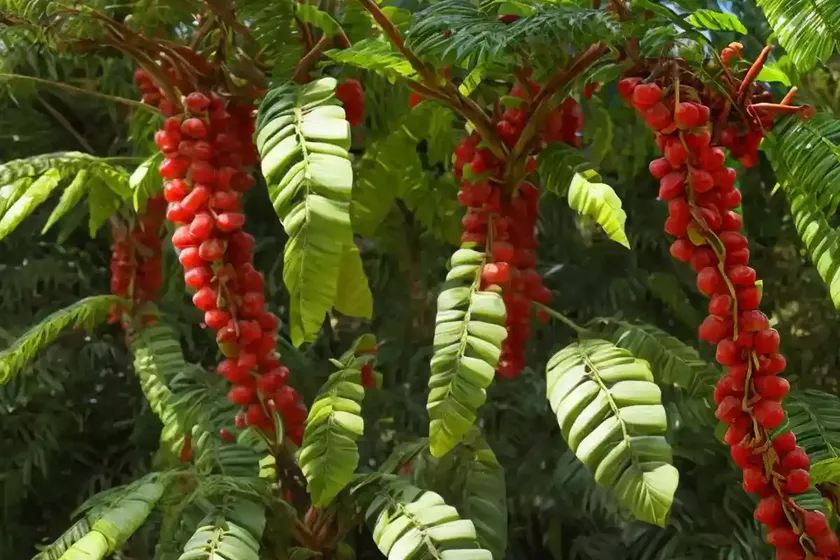
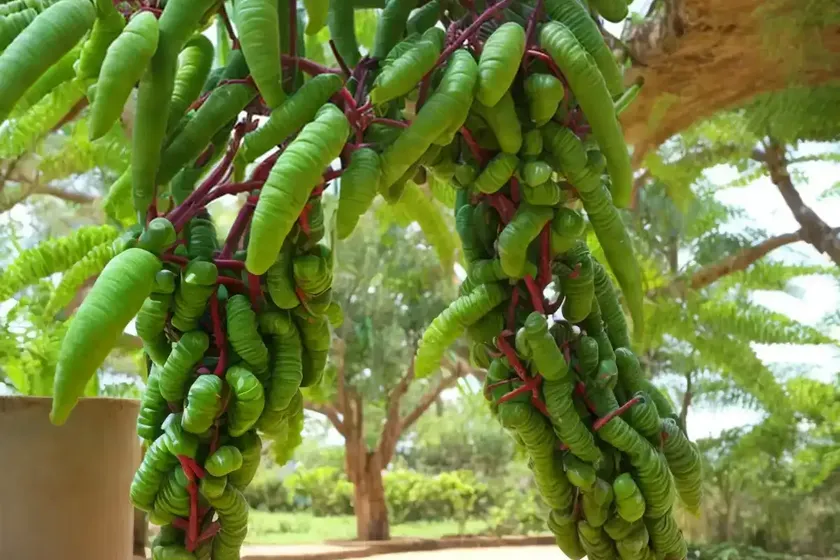
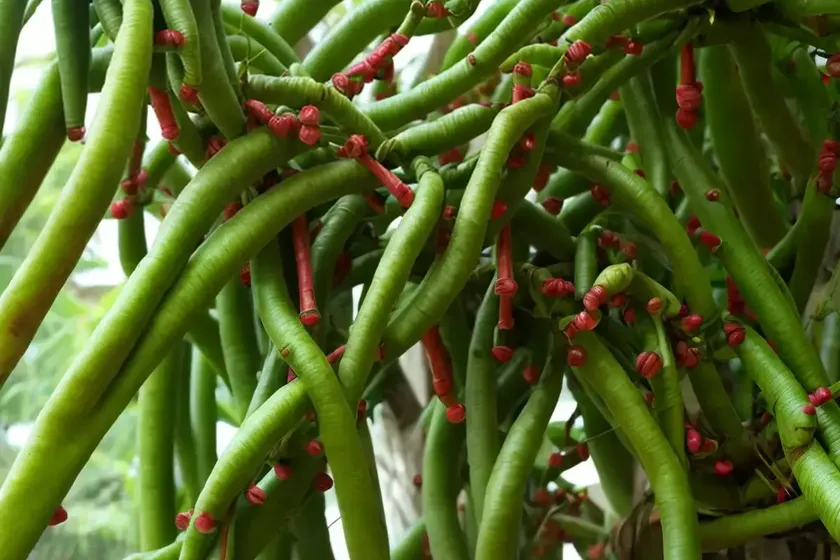
The Bilimbi tree, botanically known as Averrhoa Bilimbi, is a small, fast-growing, evergreen tree that typically reaches a height of 5-10 meters. It bears pinnate leaves and small, elongated fruits that are green in color and turn yellowish when ripe. The sourness of the mature fruits has led to its classification as a sour fruit. Bilimbi fruits are often used in cooking, as well as for their medicinal properties. The tree also holds ornamental value, with its attractive foliage and unique fruit.
Key Takeaways – Bilimbi (Averrhoa Bilimbi)
Before we delve into the specifics of Bilimbi cultivation, let’s explore some key takeaways about this unique tropical fruit tree:
- Scientific Name: Averrhoa Bilimbi
- Common Name: Bilimbi, Cucumber Tree, Tree Sorrel
- Family: Oxalidaceae
- Native Region: Indonesia
- Uses: Culinary, Medicinal, Ornamental
- Fruit Flavor: Tart and Sour
- Cultivation Zones: Tropical and Subtropical Regions
- Growth Rate: Fast
- Propagation: Seeds, Grafting, and Air-layering
- Harvest Season: Throughout the Year
Now that we have an overview of Bilimbi, let’s explore the details of its culture, uses, and cultivation requirements.
Culture
Uses
Bilimbi is a versatile tree with various uses, including:
- Culinary Uses: The tart fruits are used in cooking to add a sour flavor to dishes. They are often used in curries, chutneys, pickles, and can also be made into jam and juice.
- Medicinal Uses: The fruits, leaves, and bark of the Bilimbi tree have been used in traditional medicine for their medicinal properties. They are attributed with various health benefits and are used to treat ailments ranging from coughs and colds to skin conditions.
- Ornamental Uses: The Bilimbi tree is valued for its ornamental appeal, especially in tropical gardens and landscapes. Its attractive foliage and unique fruits make it an interesting addition to any garden.
Water
Bilimbi trees thrive in moist, well-drained soil. Adequate watering is essential, especially during the dry season or when the tree is young and establishing its root system. Water the tree deeply and regularly, but ensure that the soil is not waterlogged, as this can lead to root rot.
Sunlight
Bilimbi trees prefer full sunlight for optimal growth and fruit production. Ensure that the tree is planted in a location where it receives at least 6-8 hours of direct sunlight per day. In hotter regions, some partial shade during the hottest part of the day can be beneficial to prevent leaf scorch.
Fertilizer
Proper fertilization is essential for the healthy growth and fruit production of Bilimbi trees. Use a balanced, slow-release fertilizer formulated for fruit trees. Apply the fertilizer in the early spring before the start of the growing season, and again in the midsummer to provide the necessary nutrients for fruit development.
Soil
Bilimbi trees prefer well-draining, slightly acidic soil with a pH level ranging from 5.5 to 6.5. They can adapt to a variety of soil types, including sandy loam, clay loam, and laterite soils. However, it’s crucial to ensure that the soil does not become waterlogged, as this can lead to root rot and other problems.
Pruning
Pruning is essential to maintain the shape, size, and productivity of Bilimbi trees. Regular pruning helps to remove dead or diseased branches, encourage new growth, and maintain an open canopy to allow sunlight and air circulation. Prune the tree during the dormant season, and also remove any crowded or crossing branches.
Propagation
Bilimbi trees can be propagated through various methods, including:
- Seeds: Plant fresh seeds in well-draining potting mix, and keep them in a warm, humid environment to encourage germination.
- Grafting: Grafting onto suitable rootstock can help produce true-to-type trees and accelerate the fruiting process.
- Air-layering: This method involves inducing roots to form on a stem while it is still attached to the parent tree, and then separating it to form a new tree.
Container Popularity
Bilimbi trees are popular choices for container gardening, especially in regions where the climate is not conducive to year-round outdoor cultivation. When growing Bilimbi in containers, it’s essential to use a large, well-draining pot and provide the necessary care to ensure the tree’s health and productivity.
Common Diseases
Bilimbi trees are generally resistant to many diseases. However, they can be susceptible to certain diseases and disorders, including:
- Anthracnose: This fungal disease can cause fruit rot and leaf spots. Ensure good air circulation and avoid overhead watering to prevent the spread of the disease.
- Powdery Mildew: This fungal infection can coat the leaves and young fruits with a white powdery substance. Prune affected branches and improve air circulation to prevent the disease.
Disease Diagnosis
If you notice any signs of disease or distress in your Bilimbi tree, it’s essential to diagnose the issue accurately to provide the appropriate treatment. Look for symptoms such as leaf spots, wilting, discoloration, or unusual growths, and consult with a plant pathologist or agricultural extension service for a proper diagnosis and treatment plan.
Common Pests
Bilimbi trees can be attacked by various pests, including:
- Aphids: These small, sap-sucking insects can cluster on the undersides of leaves and cause stunted growth and distorted foliage.
- Fruit Flies: These pests can infest Bilimbi fruits, leading to spoilage and reduced fruit quality. Proper sanitation and pest control measures can help manage the infestation.
Botanist’s Tips
For successful Bilimbi cultivation, consider the following tips:
- Mulching: Apply a layer of organic mulch around the base of the tree to retain soil moisture, suppress weed growth, and provide a steady supply of nutrients as it decomposes.
- Pollination: Bilimbi trees are capable of self-pollination, but the presence of pollinators can enhance fruit set and quality. Encourage the presence of bees and other pollinators in your garden.
Fun Facts
- The Bilimbi tree is also known as “Cucumber Tree” due to the shape of its fruits, which resemble small cucumbers.
- In traditional medicine, various parts of the Bilimbi tree have been used to treat conditions such as coughs, hypertension, and skin ailments.
Now that we have explored the cultural aspects of Bilimbi, let’s learn more about its uses and significance.
Bilimbi (Averrhoa Bilimbi) in Traditional Medicine
The Bilimbi tree has a long history of use in traditional medicine, with various parts of the plant being utilized for their therapeutic properties. Here are some traditional medicinal uses of Bilimbi:
- Respiratory Ailments: The leaves and fruits of Bilimbi are used in traditional medicine to alleviate coughs, colds, and respiratory discomfort.
- Antioxidant Properties: Bilimbi is valued for its antioxidant content, which is believed to help combat oxidative stress and promote overall health.
- Skin Conditions: The crushed leaves or a decoction made from Bilimbi leaves are applied topically to address skin conditions such as eczema and rashes.
Bilimbi Tea Recipe
One of the popular traditional preparations involving Bilimbi is a soothing and aromatic tea made from the leaves. Here’s a simple recipe for Bilimbi tea:
Ingredients
- Fresh Bilimbi leaves
- Water
- Optional: Honey or sugar for sweetness
Instructions
- Wash the Bilimbi leaves thoroughly to remove any dirt or debris.
- Boil water in a pot and add the cleaned Bilimbi leaves.
- Allow the leaves to steep in the boiling water for a few minutes.
- Remove the pot from heat and strain the tea to remove the leaves.
- Add honey or sugar if desired, and enjoy the refreshing Bilimbi tea.
Bilimbi (Averrhoa Bilimbi) in Culinary Applications
Bilimbi fruits are widely used in various culinary applications, especially in Southeast Asian cuisines. The tart flavor of the fruits adds a unique and refreshing tang to dishes. Here are some popular culinary uses of Bilimbi:
Bilimbi Pickle Recipe
Bilimbi pickles are a delightful accompaniment to meals, adding a tangy and zesty flavor to the palate. Here’s a simple recipe for Bilimbi pickle:
Ingredients
- Fresh Bilimbi fruits
- Salt
- Turmeric
- Mustard seeds
- Red chili powder
- Vinegar
- Jaggery or sugar
Instructions
- Wash and slice the Bilimbi fruits into thin pieces.
- In a bowl, combine the sliced fruits with salt and turmeric, and let them sit for a few hours.
- Drain any excess liquid from the fruits and pat them dry.
- In a separate bowl, prepare a spice mix using mustard seeds, red chili powder, and jaggery or sugar.
- Heat a small amount of vinegar in a pan and add the spice mix, allowing it to simmer for a few minutes.
- Add the prepared Bilimbi slices to the spiced vinegar mixture and cook for a few minutes.
- Allow the pickle to cool before storing it in a sterilized jar.
Bilimbi Jam Recipe
Bilimbi jam is a delightful spread that can be enjoyed on bread, toast, or as a topping for desserts. Here’s a simple recipe for Bilimbi jam:
Ingredients
- Fresh Bilimbi fruits
- Sugar
- Water
Instructions
- Wash and chop the Bilimbi fruits, removing any seeds if necessary.
- In a pot, combine the chopped fruits with a small amount of water and bring the mixture to a simmer.
- Cook the fruits until they become soft and pulpy.
- Add sugar to the mixture, adjusting the sweetness to your preference.
- Continue to cook the jam until it reaches the desired consistency.
- Once the jam has cooled, transfer it to sterilized jars for storage.
Bilimbi (Averrhoa Bilimbi) Health Benefits and Nutritional Value
Bilimbi fruits are not only valued for their culinary appeal but also for their potential health benefits and nutritional value. Here are some of the health benefits and nutritional attributes of Bilimbi:
Health Benefits
- Antioxidant Properties: Bilimbi fruits contain antioxidants that help neutralize free radicals and protect the body from oxidative stress.
- Digestive Aid: The tart flavor of Bilimbi can stimulate digestion and alleviate conditions such as indigestion and bloating.
- Vitamin C: Bilimbi is a good source of vitamin C, which is essential for immune function and overall health.
Nutritional Value
- Vitamin C: A serving of Bilimbi provides a significant amount of vitamin C, which is important for immune support and skin health.
- Antioxidants: Bilimbi contains various antioxidants, such as polyphenols, which contribute to its health-promoting properties.
- Minerals: Bilimbi fruits contain small amounts of minerals such as potassium and calcium, which are essential for various bodily functions.
Bilimbi (Averrhoa Bilimbi) in Landscaping
The Bilimbi tree’s ornamental value makes it a delightful addition to tropical landscapes and gardens. Here are some considerations for incorporating Bilimbi into landscaping:
- Aesthetic Appeal: The unique foliage and striking fruits of the Bilimbi tree make it a visually appealing choice for ornamental landscaping.
- Shade and Privacy: Bilimbi trees can be strategically planted to provide shade and privacy in outdoor spaces, such as patios and garden nooks.
- Wildlife Attraction: The tree’s flowers and fruits can attract pollinators and wildlife, adding biodiversity to the garden ecosystem.
Links to External Resources
For further information on Bilimbi (Averrhoa Bilimbi), you may find the following resources useful:
- Bilimbi Fruit Nutrition and Culinary Uses – University of Florida
- Growing Bilimbi Trees – University of Hawaii
- Bilimbi in Traditional Medicine – Research Article
- Bilimbi Tree Care Guide – Gardening Know How
Conclusion
Bilimbi (Averrhoa Bilimbi) is a fascinating and versatile tropical fruit tree with an array of cultural, culinary, and medicinal uses. From its tart fruits to its ornamental appeal, Bilimbi holds great significance in various tropical regions. Whether you are interested in cultivating Bilimbi for its fruits, incorporating it into traditional medicine, or simply enjoying its aesthetic value in your garden, this unique tree offers a myriad of opportunities. By understanding the cultural requirements, uses, and health benefits of Bilimbi, you can fully appreciate the value that this exceptional plant brings to the world of horticulture and beyond.