Australian Сhestnut (Castanospermum Australe)
In the world of plants, the Australian Сhestnut (Castanospermum australe) is an intriguing species that holds both cultural and ecological significance..
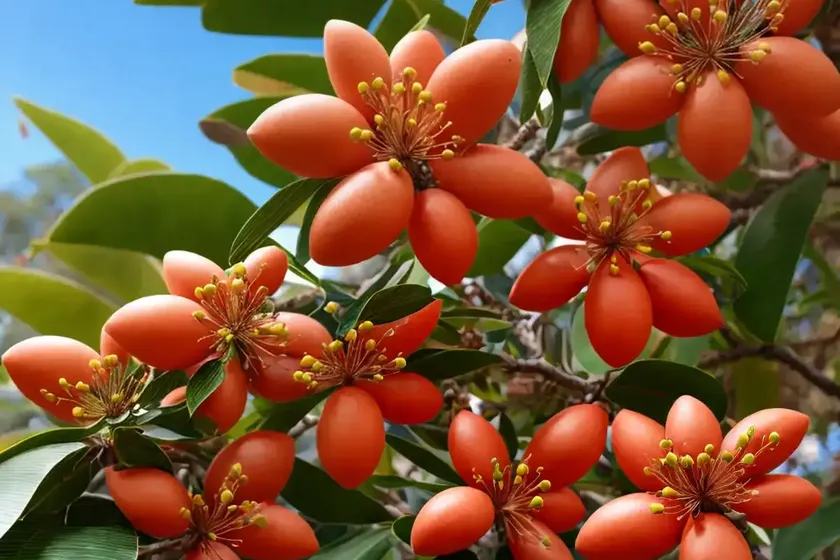
In the world of plants, the Australian Сhestnut (Castanospermum australe) is an intriguing species that holds both cultural and ecological significance. Its beautiful foliage and unique characteristics have made it a beloved choice for gardeners and botanists alike. This comprehensive guide delves into the various aspects of the Australian Сhestnut, including its culture, uses, growth habits, care requirements, and more.
What is the Australian Сhestnut (Castanospermum australe)?
The Australian Сhestnut, scientifically known as Castanospermum australe, is a member of the Fabaceae family. This evergreen tree is native to the East Coast of Australia and is known for its glossy, dark green foliage and attractive red flowers. It typically grows in subtropical rainforests and wet sclerophyll forests, thriving in moist and well-drained soils.
Key Takeaways – Australian Сhestnut (Castanospermum australe)
- Botanical Name: Castanospermum australe
- Family: Fabaceae
- Common Names: Australian Сhestnut, Black Bean
- Native Habitat: East Coast of Australia
- Growth Habit: Evergreen tree
- Flowering Season: Spring to summer
- Uses: Ornamental, timber, medicinal
Now that we have an overview of the Australian Сhestnut, let’s explore the various aspects of this fascinating plant in detail.
Culture
Understanding the cultural requirements of the Australian Сhestnut is essential for successfully cultivating and maintaining this beautiful species. From water and sunlight needs to soil preferences, each aspect contributes to the overall health and vitality of the plant.
Water
Australian Сhestnuts thrive in moist conditions, making adequate water supply crucial for their overall well-being. When establishing a new Australian Сhestnut tree, regular watering is essential to support root development and growth. Once mature, the plant exhibits moderate drought tolerance, but consistent moisture is still preferred, especially during prolonged dry spells.
Sunlight
As a native of subtropical rainforests, the Australian Сhestnut prefers dappled shade to partial sun. It thrives in locations with filtered sunlight, where it can receive gentle, indirect light throughout the day. When grown in full sun, the plant may exhibit leaf scorching, especially during hot summer months.
Fertilizer
When it comes to fertilization, the Australian Сhestnut benefits from a balanced, slow-release fertilizer applied in the early spring. This helps to support healthy growth and rich foliage, especially when planted in nutrient-deficient soils. Avoid excessive nitrogen fertilizers, as they can lead to excessively lush growth and may compromise the plant’s natural resilience.
Soil
The Australian Сhestnut thrives in well-drained, fertile soils with a slightly acidic to neutral pH. It performs best in loamy or sandy loam soils that are rich in organic matter. Additionally, ensuring proper soil drainage is crucial to prevent waterlogging, which can lead to root rot and other complications.
Uses
The Australian Сhestnut holds significant value across various domains, ranging from ornamental and landscaping uses to its traditional medicinal properties and timber applications. Understanding the diverse uses of the plant provides insights into its cultural and economic significance.
Ornamental
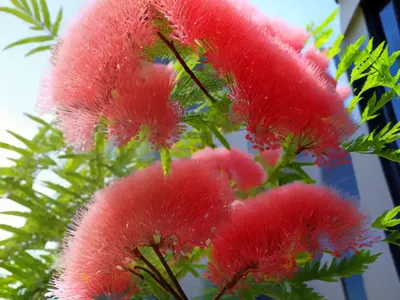
From its glossy foliage to striking red flowers, the Australian Сhestnut is highly prized as an ornamental tree. Its elegant appearance makes it a popular choice for parks, gardens, and landscape designs, where it adds an exotic and tropical touch. When in bloom, the vibrant red flowers create a visually stunning display, attracting pollinators and admirers alike.
Timber
The wood of the Australian Сhestnut is highly valued for its strength and durability. It is used in various carpentry and construction applications, ranging from furniture crafting to building material. The timber exhibits a beautiful deep red-brown color, making it an attractive choice for both indoor and outdoor woodworking projects.
Medicinal
In traditional indigenous medicine, different parts of the Australian Сhestnut tree, including the bark and seeds, were used for their medicinal properties. While modern scientific research on its medicinal uses is limited, the plant holds cultural significance for its historical therapeutic applications.
Growth Habits
Understanding the growth habits of the Australian Сhestnut provides valuable insights into its development and maintenance requirements. From propagation to flowering and fruiting characteristics, each aspect contributes to a holistic understanding of this remarkable plant.
Propagation
The Australian Сhestnut can be propagated from seeds and cuttings. When propagating from seeds, it is essential to use fresh seeds and provide proper scarification to enhance germination. The use of rooting hormones can aid in successful propagation from cuttings, especially when establishing new plants for landscaping or commercial purposes.
Flowering Season
In its natural habitat, the Australian Сhestnut typically flowers from spring to summer, producing clusters of vibrant red flowers. These flowers are a source of nectar for various pollinators, contributing to the ecological diversity of its native ecosystems. Understanding the flowering season helps in anticipating and appreciating the annual bloom of the plant.
Fruit Characteristics
Following successful pollination, the Australian Сhestnut produces seed pods that contain large seeds. These seeds have a glossy, dark brown appearance and are enclosed within woody pods. It is important to note that the seeds of the Australian Сhestnut are toxic and should not be consumed.
Australian Сhestnut Tree Care
Caring for the Australian Сhestnut involves a combination of attentive maintenance and understanding its unique requirements. From soil preferences to pruning techniques, effective care practices contribute to the long-term health and vitality of the plant.
Soil Preferences
As mentioned earlier, the Australian Сhestnut thrives in well-drained soils with a slightly acidic to neutral pH. Ensuring proper soil structure and fertility is crucial for supporting healthy root development and overall growth. Regularly monitoring soil moisture and fertility levels helps in identifying and addressing potential deficiencies.
Pruning Techniques
Pruning the Australian Сhestnut is essential for maintaining its desired shape and structure. It is best to prune the tree during the dormant season, removing any dead or diseased branches while also promoting healthy growth patterns. Care should be taken to avoid excessive pruning, as it can lead to stress and potential health issues for the tree.
Water Requirements
While the Australian Сhestnut exhibits moderate drought tolerance once established, regular watering is essential, especially during prolonged dry spells. Adequate moisture supports overall growth and helps the plant withstand environmental stress. When watering, it is important to ensure deep and thorough hydration to encourage strong root development.
Common Diseases
Like any plant species, the Australian Сhestnut is susceptible to certain diseases and health issues. Understanding these common ailments and their management is crucial for preserving the plant’s health and vitality.
Disease Diagnosis
The Australian Сhestnut may be prone to fungal diseases such as root rot and leaf spot, especially in conditions of excessive moisture and poor air circulation. Regular inspection of the plant for signs of discoloration, wilting, or unusual growth patterns can aid in early disease diagnosis. Prompt treatment and management help in controlling the spread of diseases.
Leaf Blight
One common ailment that may affect the Australian Сhestnut is leaf blight, which can cause discoloration and deterioration of the foliage. Fungal infections are often the cause of leaf blight, and appropriate fungicidal treatments may be necessary to address the issue. Proper cultural practices, such as ensuring good air circulation and avoiding excessive irrigation, can contribute to disease prevention.
Leaf Drop
Environmental stress, nutrient deficiencies, or disease infestations can lead to premature leaf drop in the Australian Сhestnut. Monitoring the plant for any signs of leaf discoloration or abnormal shedding helps in identifying potential underlying issues. Addressing the root cause, whether it is related to cultural practices or disease management, is essential for minimizing leaf drop.
Common Pests
In addition to diseases, the Australian Сhestnut may also encounter pests that can impact its overall health and vigor. Recognizing these common pests and employing effective pest control measures is essential for preserving the plant’s beauty and vitality.
Pest Control
The Australian Сhestnut may be susceptible to pest infestations, including aphids, scale insects, and caterpillars. Regular monitoring of the plant for signs of pest activity, such as distorted growth or the presence of pests, aids in early detection. Natural predators, insecticidal soaps, and horticultural oils can be employed as part of an integrated pest management approach to control pest populations.
Wildlife Interactions
In its natural habitat, the Australian Сhestnut interacts with various wildlife, including birds and insects. While some interactions, such as pollination by insects, are beneficial, others may pose challenges, such as seed predation by wildlife. Understanding these interactions helps in devising strategies for protecting the plant and maintaining ecological balance.
Botanist’s Tips
As a plant scientist, it is essential to provide valuable insights and tips for effectively cultivating and caring for the Australian Сhestnut. These tips encompass best practices, cultural recommendations, and insights based on scientific understanding and practical experience.
Gardening Tips
- When planting Australian Сhestnuts, ensure proper spacing to accommodate their mature size and prevent crowding.
- Incorporate organic matter into the soil to enhance fertility and support healthy root development.
- Mulching around the base of the tree helps in conserving soil moisture and minimizing competing vegetation.
Soil Fertility Requirements
Maintaining optimal soil fertility is crucial for the long-term health and vitality of the Australian Сhestnut. Regular soil testing helps in monitoring nutrient levels and adjusting fertilization practices accordingly. Organic amendments, such as well-rotted compost, aid in improving soil structure and fertility, supporting the overall vigor of the plant.
Wildlife Habitat
In addition to its ornamental and economic value, the Australian Сhestnut provides valuable habitat and food sources for various wildlife species. When incorporating Australian Сhestnuts into landscaping or restoration projects, it is important to consider their potential contributions to supporting local ecosystems and wildlife populations.
Fun Facts
As we explore the world of the Australian Сhestnut, it is fascinating to uncover some fun and intriguing facts about this unique plant species.
- The seeds of the Australian Сhestnut were historically used as beads and were even used in jewelry by indigenous communities.
- Australian Сhestnuts can reach impressive heights, often towering over 100 feet in their native rainforest habitats.
- The wood of the Australian Сhestnut is highly sought after for its rich color and durability, making it a prized material for woodworking and carpentry.
Links to External Resources
For further exploration and research, the following external resources provide valuable information and insights into the Australian Сhestnut:
- Australian National Botanic Gardens – Castanospermum australe
- Australian Plants Society NSW – Black Bean, Castanospermum australe
- PlantNet – New South Wales Flora Online: Castanospermum australe
Conclusion
The Australian Сhestnut (Castanospermum australe) stands as a botanical marvel, captivating enthusiasts with its ornamental beauty and cultural significance. From its uses in ornamental landscaping to its traditional medicinal properties and ecological contributions, this remarkable plant holds a special place in the world of plants. By understanding its culture, care requirements, and ecological role, we can appreciate and celebrate the enduring appeal of the Australian Сhestnut.