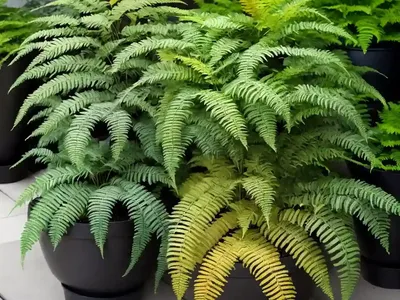
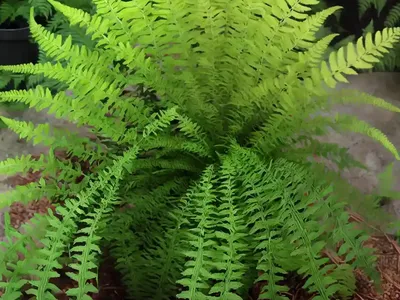
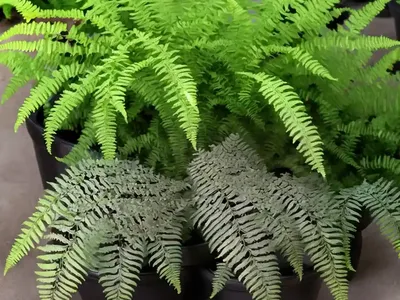
Athyrium Niponicum Var. Pictum ‘Pewter Lace’ (Painted Lady Fern)
As a plant scientist, I am excited to share insights into the stunning Athyrium niponicum var. pictum ‘Pewter Lace,’ commonly known as the Painted Lady.
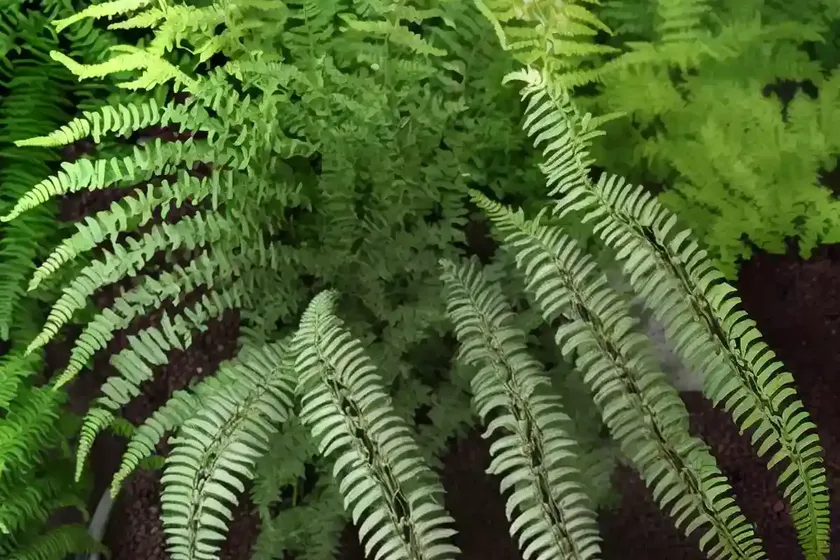
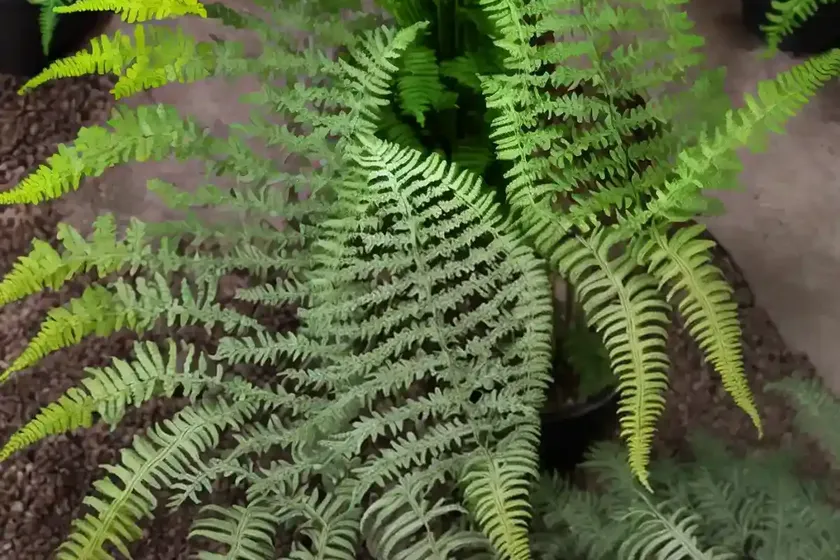
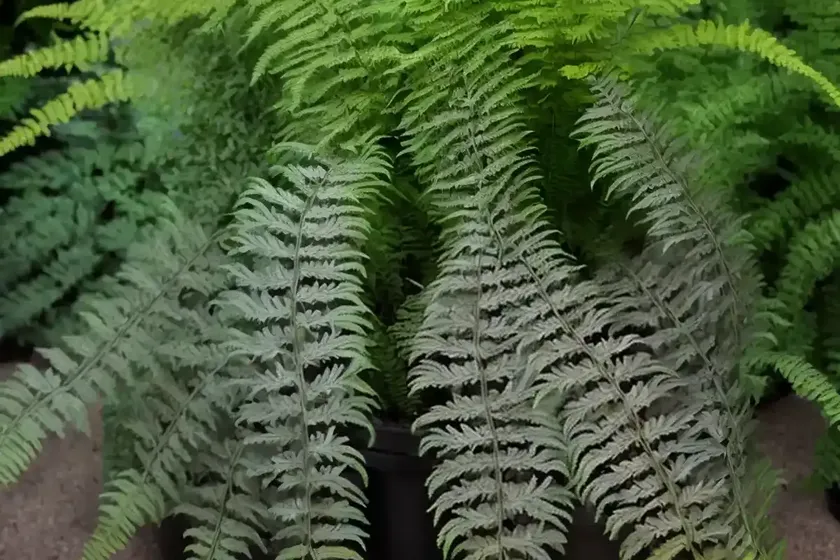
As a plant scientist, I am excited to share insights into the stunning Athyrium niponicum var. pictum ‘Pewter Lace,’ commonly known as the Painted Lady Fern. This plant boasts not only striking aesthetics but also offers unique characteristics that make it a valuable addition to any garden. Throughout this comprehensive guide, we will explore the culture, uses, care, and fascinating facts about the Athyrium niponicum var. pictum ‘Pewter Lace.’ Let’s dive into the enchanting world of this exquisite fern.
What is Athyrium niponicum var. pictum ‘Pewter Lace’?
Athyrium niponicum var. pictum ‘Pewter Lace,’ also known as the Painted Lady Fern, is a deciduous fern that belongs to the family Athyriaceae. This splendid fern is native to Eastern Asia, particularly Japan, where it thrives in shaded woodland areas. Its distinct characteristics, including its delicate, lacy fronds and silver-gray hues, have earned it widespread admiration among gardeners and plant enthusiasts.
Key Takeaways – Athyrium niponicum var. pictum ‘Pewter Lace’
Here are some key takeaways about Athyrium niponicum var. pictum ‘Pewter Lace’ that we will explore in detail:
- Culture
- Uses
- Water
- Sunlight
- Fertilizer
- Soil
- Pruning
- Propagation
- Container Popularity
- Common Diseases
- Disease Diagnosis
- Common Pests
- Botanist’s Tips
- Fun Facts
- Links to External Resources
Now, let’s delve into each of these aspects to gain a comprehensive understanding of this enchanting plant.
Culture of Athyrium niponicum var. pictum ‘Pewter Lace’
The culture of Athyrium niponicum var. pictum ‘Pewter Lace’ encompasses the environmental conditions, maintenance practices, and overall care required to foster its optimal growth. By understanding its cultural needs, gardeners can create an ideal setting for this fern to thrive.
Uses
Athyrium niponicum var. pictum ‘Pewter Lace’ serves various ornamental purposes in gardens, landscapes, and indoor settings. Its versatile uses include:
- Shade gardens
- Woodland gardens
- Borders
- Containers
- Rock gardens
- Indoor spaces
The fern’s elegant foliage and compact size make it a versatile choice for gardeners seeking to add a touch of sophistication and natural beauty to their surroundings.
Water
Proper watering is fundamental to the health and vitality of Athyrium niponicum var. pictum ‘Pewter Lace.’ This fern thrives in consistently moist, well-draining soil, and it is essential to maintain adequate moisture levels, especially during the warmer months. However, it is equally crucial to avoid waterlogging, as excessive soil moisture can lead to issues such as root rot.
Sunlight
Athyrium niponicum var. pictum ‘Pewter Lace’ flourishes in shaded or partially shaded environments. It is well-suited for woodland settings or areas with dappled sunlight. Partial shade provides the ideal conditions for the fern to showcase its intricate foliage while protecting it from the intense midday sun.
Fertilizer
Fertilizing the soil can significantly enhance the growth and vigor of Athyrium niponicum var. pictum ‘Pewter Lace.’ A balanced, slow-release fertilizer formulated for ferns can be applied in spring to provide essential nutrients for the growing season. However, it is important to follow the recommended application rates to prevent over-fertilization, which may harm the plant.
Soil
The ideal soil for Athyrium niponicum var. pictum ‘Pewter Lace’ is rich, well-draining, and slightly acidic. A blend of organic matter, such as compost or peat moss, can improve soil structure and fertility, creating an optimal growing medium for the fern. Additionally, ensuring good aeration and moisture retention within the soil is crucial for its overall well-being.
Pruning and Propagation
Regular maintenance practices, including pruning and propagation, play a vital role in managing the growth and appearance of Athyrium niponicum var. pictum ‘Pewter Lace.’
Pruning
Pruning helps maintain the desired shape and size of the fern while removing any damaged or withered fronds. It is advisable to prune Athyrium niponicum var. pictum ‘Pewter Lace’ in early spring before the new growth emerges. Using sharp, clean pruners, carefully trim the old fronds to encourage fresh growth and preserve the plant’s aesthetic appeal.
Propagation
Propagation methods such as division and spore propagation can be employed to propagate Athyrium niponicum var. pictum ‘Pewter Lace’ and expand its presence in the garden. Propagation through spores involves gathering mature spores from the fronds and cultivating them in a suitable growing medium to establish new plants. Alternatively, division can be performed by separating the plant’s rhizomes, allowing each division to develop into an independent plant.
Container Popularity
Athyrium niponicum var. pictum ‘Pewter Lace’ is well-suited for container gardening, making it a popular choice for enthusiasts seeking to adorn patios, balconies, or indoor spaces with its captivating foliage. When selecting a container, opt for a spacious, well-draining pot that accommodates the plant’s root system and allows for adequate air circulation. Container-grown specimens of this fern can add an elegant touch to any setting while requiring minimal space and maintenance.
Common Diseases and Pests
Like all plants, Athyrium niponicum var. pictum ‘Pewter Lace’ is susceptible to certain diseases and pests that can affect its growth and vitality.
Common Diseases
Diseases that may impact the health of Athyrium niponicum var. pictum ‘Pewter Lace’ include:
- Leaf spot
- Rust
- Rhizome rot
Regular observation and prompt intervention can help mitigate the impact of these diseases and prevent their spread within the plant population.
Disease Diagnosis
Early detection of diseases is essential for implementing effective control measures. Key symptoms, such as abnormal leaf discoloration, spots, or wilting, should be carefully monitored to identify potential disease issues. Consulting with a plant health specialist can aid in accurate diagnosis and the development of a targeted management plan.
Common Pests
Pests that may pose a threat to Athyrium niponicum var. pictum ‘Pewter Lace’ include:
- Slugs and snails
- Scale insects
- Aphids
Implementing integrated pest management strategies, including physical barriers and the use of natural predators, can help control pest infestations and safeguard the fern’s well-being.
Botanist’s Tips for Athyrium niponicum var. pictum ‘Pewter Lace’
Here are some valuable tips to promote the healthy growth and longevity of Athyrium niponicum var. pictum ‘Pewter Lace’:
- Maintain consistent soil moisture without waterlogging.
- Provide partial shade to protect the fern from direct sunlight.
- Regularly inspect the foliage for signs of disease or pest activity.
- Prune the old fronds in early spring to encourage new growth.
- Use a well-draining, slightly acidic soil blend when planting or repotting the fern.
Fun Facts about Athyrium niponicum var. pictum ‘Pewter Lace’
- The varietal name “pictum” is derived from the Latin word for painted, referencing the intricate patterns on the fern’s foliage.
- Athyrium niponicum var. pictum ‘Pewter Lace’ is prized for its exceptional tolerance to deer browsing, making it a valuable choice for gardens frequented by wildlife.
- The delicate fronds of the Painted Lady Fern are often used in floral arrangements and decorative displays, showcasing its ornamental appeal beyond the garden.
Links to External Resources
To further explore the cultivation and care of Athyrium niponicum var. pictum ‘Pewter Lace,’ consider the following external resources:
- The American Fern Society
- Royal Horticultural Society – Ferns
- Botanic Gardens Conservation International
As we conclude this comprehensive guide, I hope you have gained valuable insights into the captivating world of Athyrium niponicum var. pictum ‘Pewter Lace.’ With its enchanting foliage and adaptable nature, this splendid fern holds the potential to elevate the beauty of any garden or landscape. By applying the provided knowledge and care guidelines, you can cultivate and enjoy the timeless allure of the Painted Lady Fern in your own botanical haven.