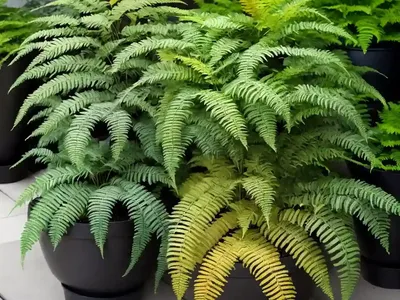
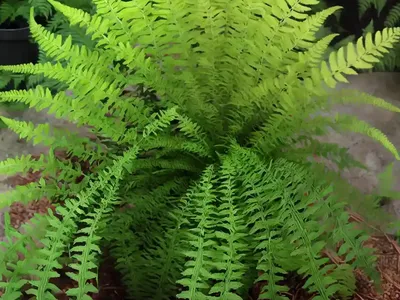
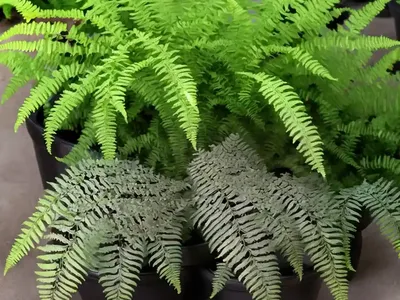
Athyrium Niponicum Var. Pictum ‘Metallicum’ (Painted Lady Fern)
The world of plants offers an incredible diversity of shapes, colors, and textures. Among these botanical wonders, ferns hold a special place. Delicate and.
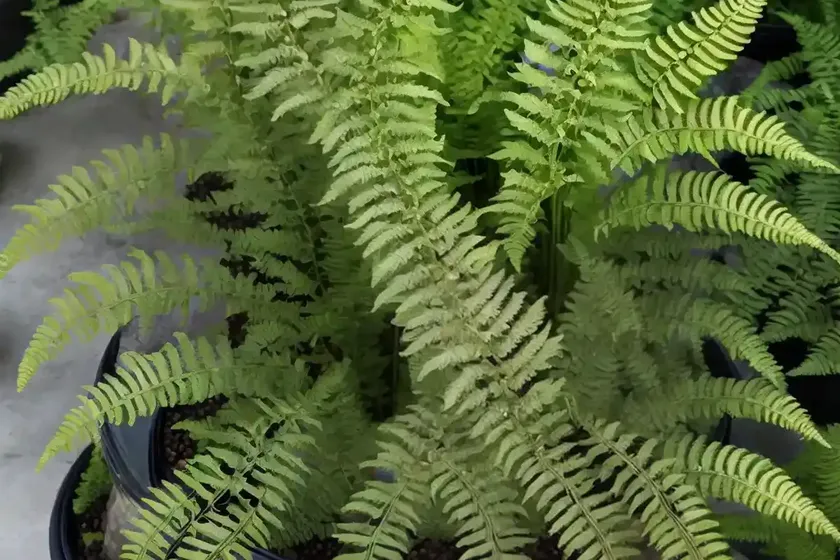
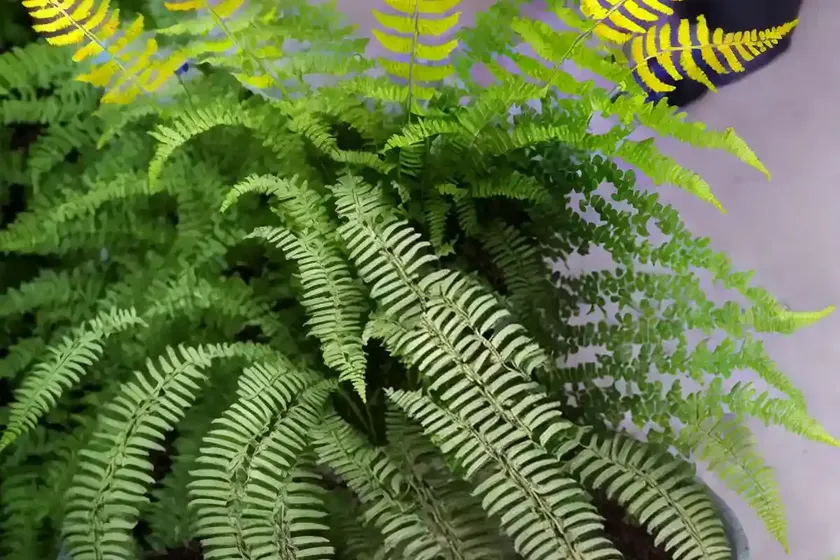
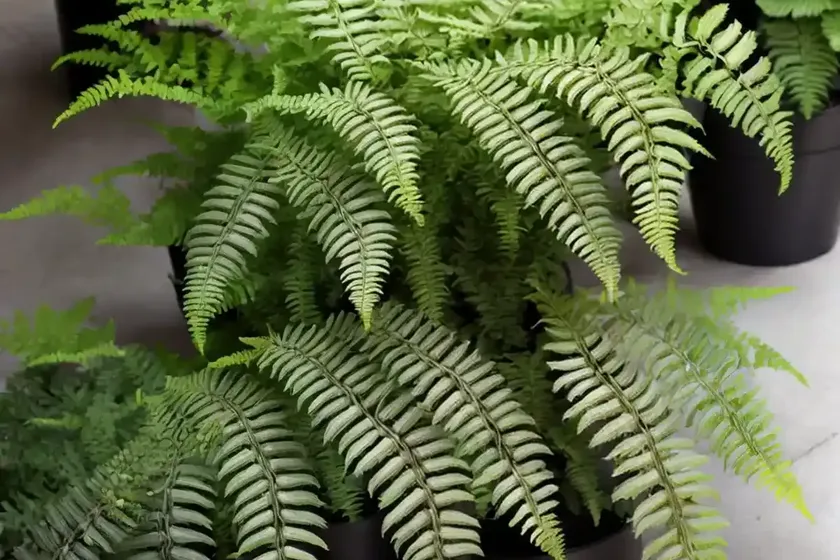
The world of plants offers an incredible diversity of shapes, colors, and textures. Among these botanical wonders, ferns hold a special place. Delicate and graceful, ferns are one of the oldest plant species on Earth. In this blog post, we’ll delve into the fascinating world of the Athyrium niponicum var. pictum ‘Metallicum’, also known as the Painted Lady Fern. We’ll explore its culture, uses, care requirements, and much more. So, let’s embark on this botanical journey and discover the charm of this magical fern species.
What is Athyrium niponicum var. pictum ‘Metallicum’ (Painted Lady Fern)?
Athyrium niponicum var. pictum ‘Metallicum’, commonly known as the Painted Lady Fern, is a striking perennial fern that belongs to the family Athyriaceae. This fern is celebrated for its exquisite metallic foliage, making it a prized addition to gardens, landscapes, and indoor spaces.
Key Takeaways – Athyrium niponicum var. pictum ‘Metallicum’ (Painted Lady Fern)
Before we delve into the details of the culture, uses, and care of the Painted Lady Fern, let’s summarize its key takeaways:
- Common Names: Metallic Lady Fern, Japanese Painted Fern, Metallic Painted Fern
- Foliage: Metallic, colorful, and variegated
- Growth Habit: Clumping and spreading
- Ideal Placement: Shade-loving, suited for woodland gardens and moist areas
- Uses: Ornamental plant for gardens, borders, containers, and rock gardens
- Care Level: Low maintenance, suitable for both beginner and experienced gardeners
Now that we have an overview of the Painted Lady Fern, let’s explore each aspect in detail.
Culture of Athyrium niponicum var. pictum ‘Metallicum’ (Painted Lady Fern)
The culture of the Painted Lady Fern encompasses its preferred growing conditions, maintenance needs, and overall behavior in various settings. Understanding the culture of this fern is essential for creating a thriving environment for its growth.
Water
The Painted Lady Fern thrives in consistently moist soil. It prefers well-draining soil that retains moisture without becoming waterlogged. Regular watering is essential, especially during dry periods, to ensure that the soil remains evenly moist but not saturated. When planting the fern in containers, it’s crucial to monitor the soil moisture to maintain an optimal growing environment.
Sunlight
As a shade-loving fern, the Painted Lady Fern thrives in dappled or partial shade. It is best suited for locations with filtered sunlight or areas that receive morning sun and afternoon shade. Direct sunlight should be avoided, as it can scorch the delicate foliage of the fern. When selecting a planting site, consider areas under trees, along north-facing walls, or in shaded spots in the garden.
Fertilizer
Fertilizing the Painted Lady Fern is beneficial for enhancing its foliage and overall vigor. A balanced, slow-release fertilizer designed for ferns or general-purpose ornamental plants can be applied in spring as new growth emerges. It’s essential to follow the manufacturer’s recommendations for application rates and to avoid over-fertilization, which can lead to potential issues like leaf scorch and excessive vegetative growth.
Soil
This fern thrives in organically rich, well-draining soil with a slightly acidic to neutral pH. Amending the soil with compost or peat moss can improve its moisture-retention capabilities and provide essential nutrients for the fern’s growth. When planting in containers, a high-quality potting mix formulated for ferns or shade-loving plants is recommended to provide an optimal growing medium.
Pruning the Painted Lady Fern
Pruning promotes the health and aesthetics of the Painted Lady Fern. It involves the removal of old or damaged fronds, as well as the maintenance of a tidy growth habit. To prune the fern, follow these steps:
-
Remove Old Fronds: Trim away any brown or withered fronds at the base of the plant to allow space for new growth.
-
Tidy Up the Appearance: Trim any straggly or unsightly fronds to maintain a neat and compact appearance of the fern.
-
Regular Maintenance: Perform routine inspections and light pruning as needed to keep the fern looking its best throughout the growing season.
Propagation of Athyrium niponicum var. pictum ‘Metallicum’ (Painted Lady Fern)
Propagating the Painted Lady Fern allows for the expansion of its presence in a garden or the sharing of this beautiful fern with others. Here are the common methods for propagating this fern:
-
Division: The Painted Lady Fern can be propagated through division, particularly in the spring when new growth begins. Carefully lift the fern clump from the soil and use a sharp, clean tool to divide it into smaller sections, ensuring that each division has both roots and foliage. Replant the divisions in suitable locations, and provide adequate moisture and care as they establish themselves.
-
Spore Propagation: Advanced gardeners or botanical enthusiasts may choose to propagate the Painted Lady Fern from spores. This method requires meticulous attention to detail and an understanding of fern reproduction. Spores are collected from mature fronds, sown on a suitable growing medium, and provided with the right environmental conditions for germination and growth.
The Popularity of Athyrium niponicum var. pictum ‘Metallicum’ (Painted Lady Fern)
The striking foliage and adaptable nature of the Painted Lady Fern contribute to its popularity as a sought-after ornamental plant for gardens and landscapes. Its unique characteristics and ease of care have made it a beloved choice among both novice and experienced gardeners. Furthermore, the Painted Lady Fern’s versatility in various settings, from traditional gardens to modern urban spaces, has contributed to its widespread appeal.
Let’s explore some factors contributing to the popularity of this fern:
-
Aesthetic Appeal: The metallic and variegated foliage of the Painted Lady Fern adds a captivating visual element to any landscape or indoor setting. Its unique coloration and texture make it an intriguing focal point or accent plant in gardens and containers.
-
Adaptability: The Painted Lady Fern’s ability to thrive in shaded environments, as well as its tolerance for varying moisture levels, makes it a versatile choice for different growing conditions. This adaptability allows for its successful cultivation in a wide range of climates and settings.
-
Low Maintenance: As a low-maintenance plant, the Painted Lady Fern appeals to gardeners seeking a beautiful yet undemanding addition to their outdoor spaces. Its minimal care requirements and resilience make it an excellent choice for both busy individuals and dedicated garden enthusiasts.
-
Landscape Versatility: Whether used as a ground cover in woodland gardens, a border plant along pathways, or a potted specimen for patio displays, the Painted Lady Fern lends itself well to various landscaping applications. Its ability to thrive in containers further expands its potential uses in urban and small-space gardening.
Common Diseases of Athyrium niponicum var. pictum ‘Metallicum’ (Painted Lady Fern)
While the Painted Lady Fern is generally resilient, it is susceptible to certain diseases that can affect its growth and appearance. Recognizing and addressing these common diseases is essential for maintaining the health and longevity of this fern species. Some of the common diseases include:
Anthracnose
Anthracnose is a fungal disease that can affect the fronds of the Painted Lady Fern, leading to the development of dark, sunken lesions. In severe cases, this disease can cause widespread damage to the foliage and compromise the overall vigor of the plant.
Rhizoctonia Root Rot
Rhizoctonia root rot is a soil-borne fungal disease that affects the roots of the Painted Lady Fern, leading to symptoms such as wilting, stunted growth, and yellowing of the fronds. To prevent this disease, it’s important to provide well-draining soil and avoid overwatering, which can create favorable conditions for the development of root rot.
Botrytis Blight
Botrytis blight, caused by the fungus Botrytis cinerea, can affect the fronds of the Painted Lady Fern, leading to the development of grayish mold and lesions. Proper air circulation and maintaining optimal growing conditions can help reduce the risk of botrytis blight.
Preventative Measures
To mitigate the risk of diseases, it’s important to practice good cultural and maintenance practices, including:
-
Proper Air Circulation: Ensure adequate spacing between plants and avoid overcrowding to promote air circulation, which can help reduce the risk of fungal diseases.
-
Sanitary Practices: Regularly remove and discard any diseased or dead foliage to prevent the spread of pathogens within the plant and the surrounding area.
-
Balanced Watering: Avoid overwatering, as excessively moist conditions can create an environment conducive to fungal diseases. Maintain moderate soil moisture and water in the morning to allow foliage to dry before evening.
Common Pests Affecting Athyrium niponicum var. pictum ‘Metallicum’ (Painted Lady Fern)
In addition to diseases, the Painted Lady Fern may also be susceptible to certain pests that can impact its health and appearance. Identifying and addressing these common pests is crucial for ensuring the vitality of this fern species. Some of the common pests include:
Aphids
Aphids are small, soft-bodied insects that may congregate on the foliage of the Painted Lady Fern, feeding on plant sap and excreting sticky honeydew. Severe infestations can lead to leaf curling, yellowing, and stunted growth.
Slugs and Snails
Slugs and snails are known to feed on the tender foliage of ferns, including the Painted Lady Fern. Their feeding activity can result in ragged or irregular damage to the fronds, particularly in humid conditions or during periods of high moisture.
Preventative and Control Measures
To manage pest infestations and minimize their impact, consider implementing the following measures:
-
Physical Removal: Handpick aphids, slugs, and snails from the foliage of the fern, particularly during the early morning or late evening when these pests are most active.
-
Natural Predators: Encourage the presence of natural predators, such as beneficial insects and birds, that can help control aphid populations and keep pest numbers in check.
-
Barriers and Traps: Use physical barriers and traps, such as copper tape or diatomaceous earth, to deter slugs and snails from reaching the fern and causing damage.
Botanist’s Tips for Cultivating Athyrium niponicum var. pictum ‘Metallicum’ (Painted Lady Fern)
As a plant scientist with expertise in fern species, I’d like to share some valuable tips for cultivating the Painted Lady Fern and ensuring its success in various settings. These tips draw on scientific knowledge and practical experience, offering insights into optimizing the growth and health of this captivating fern species.
Tip 1: Select Suitable Growing Locations
When choosing the ideal placement for the Painted Lady Fern, prioritize shaded areas with well-draining soil. The presence of filtered sunlight and consistent moisture are critical for supporting the fern’s growth and preserving the integrity of its metallic foliage.
Tip 2: Maintain Adequate Moisture Levels
Regular monitoring of soil moisture is essential for the Painted Lady Fern, especially during periods of high temperature and low humidity. Adjust watering practices to ensure that the soil remains evenly moist without becoming waterlogged, as excessive moisture can lead to root diseases and stress.
Tip 3: Mulch for Soil Protection
Applying a layer of organic mulch around the base of the fern can help conserve soil moisture, regulate soil temperature, and suppress weed growth. Organic mulches, such as shredded leaves or bark chips, also contribute to the improvement of soil structure over time.
Tip 4: Monitor for Pests and Diseases
Routine inspections of the fern’s foliage and overall condition are essential for early detection of pest infestations and disease symptoms. Prompt intervention, such as targeted pest control measures or disease management strategies, can prevent issues from escalating and ensure the fern’s health.
Tip 5: Consider Companion Planting
Companion planting involves selecting compatible plant species to grow alongside the Painted Lady Fern, creating beneficial interactions and enhancing the overall garden ecosystem. Consider pairing the fern with companion plants that share similar cultural requirements and contribute to a visually appealing and diverse landscape.
Fun Facts about Athyrium niponicum var. pictum ‘Metallicum’ (Painted Lady Fern)
To wrap up our exploration of the Painted Lady Fern, let’s uncover some intriguing and delightful fun facts about this captivating fern species. These fun facts offer a unique perspective on the fern’s characteristics, historical significance, and cultural connections.
-
Historical Symbolism: Throughout history, ferns, including the Painted Lady Fern, have been associated with various symbols and beliefs. In the Victorian era, the fiddlehead stage of ferns was a popular motif, symbolizing growth, renewal, and unfurling potential.
-
Ornamental Value: The striking and metallic foliage of the Painted Lady Fern has made it a sought-after ornamental plant, often used to add a touch of elegance and color to shaded gardens, woodland landscapes, and indoor displays.
-
Cultural Significance: In Japanese garden traditions, ferns hold cultural significance and are valued for their graceful form and foliage. The presence of ferns, including the Painted Lady Fern, in Japanese gardens reflects an appreciation for natural beauty and tranquility.
-
Survival Adaptations: Ferns, as a group of plants, have evolved remarkable survival adaptations over millions of years. Their ability to thrive in shaded environments, tolerate varying moisture levels, and reproduce through spores showcases their resilience and evolutionary success.
-
Global Distribution: The Painted Lady Fern, along with other varieties of the Athyrium niponicum species, can be found in diverse regions, ranging from East Asia to parts of North America and Europe. This global distribution highlights the adaptability and versatility of this fern genus.
Links to External Resources
For further exploration and in-depth information on the Painted Lady Fern and related topics, I recommend the following external resources:
-
American Fern Society: The American Fern Society offers valuable resources, publications, and educational materials related to ferns, including the Athyrium species.
-
Royal Horticultural Society (RHS): The RHS provides extensive guidance on fern cultivation, care tips, and recommended varieties, including insights on the Painted Lady Fern.
-
Missouri Botanical Garden: Explore the plant finder database and horticultural resources to learn more about the Painted Lady Fern and its botanical attributes.
-
University Extension Resources: University extension websites, such as those from the University of Minnesota and other reputable institutions, offer valuable publications and guides on fern gardening and species-specific care.
-
Botanical Gardens and Arboretums: Plan a visit to botanical gardens and arboretums featuring extensive fern collections to gain firsthand insights into fern diversity, cultivation, and landscape uses.
Conclusion
In this comprehensive exploration of the Athyrium niponicum var. pictum ‘Metallicum’ (Painted Lady Fern), we’ve uncovered the captivating qualities, cultural significance, and practical aspects of cultivating this enchanting fern species. From its stunning metallic foliage to its adaptability in various growing conditions, the Painted Lady Fern showcases the timeless allure and resilience of ferns.
As we appreciate the beauty of the botanical world and delve into the rich diversity of plant species, the Painted Lady Fern stands out as a testament to the intricate and awe-inspiring nature of ferns. Whether nestled in a shaded garden corner, gracing a woodland landscape, or adding charm to an indoor oasis, this fern species continues to enchant and inspire plant enthusiasts and nature lovers alike. As we conclude our journey through the realm of the Athyrium niponicum var. pictum ‘Metallicum’, may its elegance and enduring presence in landscapes and hearts continue to flourish, much like the flourishing foliage of this remarkable fern.
published by [Your Name]