Athyrium Niponicum ‘Godzilla’ (Japanese Painted Fern)
Plants are an essential part of our ecosystem, offering numerous benefits to the environment and to human beings. They come in a wide array of colors.
Introduction
Plants are an essential part of our ecosystem, offering numerous benefits to the environment and to human beings. They come in a wide array of colors, shapes, and sizes, and each plant has its own unique characteristics and requirements. Athyrium niponicum ‘Godzilla’ or the Japanese Painted Fern is an exquisite plant that has gained popularity in gardening and landscaping due to its stunning foliage and ease of maintenance.
In this comprehensive guide, we will delve into the world of Athyrium niponicum ‘Godzilla’, exploring its characteristics, growing conditions, cultural uses, care tips, and much more. Whether you are a seasoned gardener or just starting to explore the world of plants, this article will provide you with valuable insights into this beautiful fern and how to care for it.
What is Athyrium niponicum ‘Godzilla’ (Japanese Painted Fern)?
Athyrium niponicum, commonly known as the Japanese Painted Fern, is a deciduous fern that belongs to the family Athyriaceae. The ‘Godzilla’ variety is a cultivar of Athyrium niponicum, distinguished by its striking foliage and vigorous growth habit. This fern is native to Eastern Asia, including regions such as Japan, China, and Korea, where it thrives in shaded, moist environments.
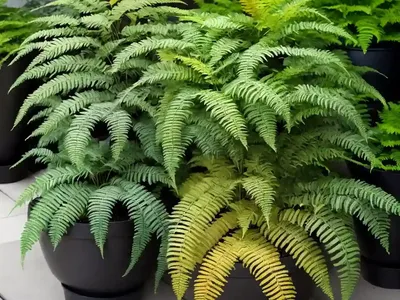
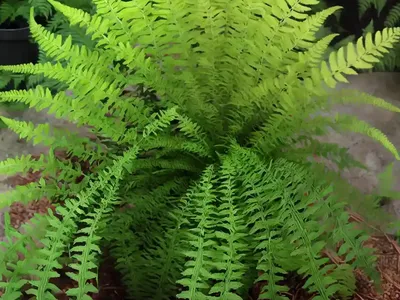
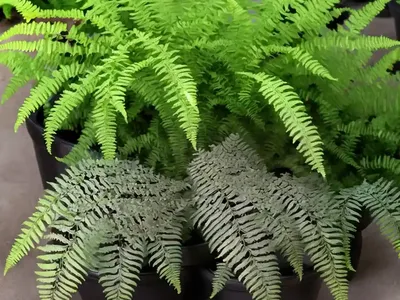
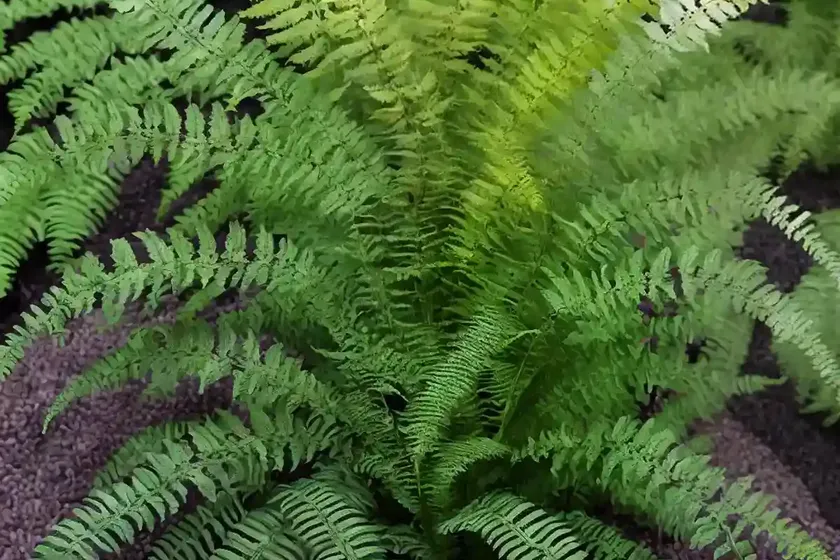
The most distinctive feature of Athyrium niponicum ‘Godzilla’ is its large size, reaching heights of up to 30 inches and spreads of up to 36 inches, making it a prominent presence in any garden or landscape. Its fronds are an intricate blend of metallic silver and green hues, creating a mesmerizing visual effect. This unique coloration makes it a sought-after ornamental plant, adding elegance and charm to shaded areas.
Key Takeaways – Athyrium niponicum ‘Godzilla’ (Japanese Painted Fern)
Characteristics
Athyrium niponicum ‘Godzilla’ exhibits several notable characteristics that make it a standout addition to any garden or landscape. These include:
- Striking metallic silver and green fronds
- Large size, reaching heights of up to 30 inches and spreads of up to 36 inches
- Deciduous nature
- Vigorous growth habit
Growing Conditions
For optimal growth and health, Athyrium niponicum ‘Godzilla’ requires specific growing conditions, including:
- Shade: Prefers shaded or partially shaded environments, making it an ideal choice for gardens with limited sunlight exposure.
- Moisture: Thrives in consistently moist soil, making it well-suited for areas with high humidity levels or regular watering.
- Soil: Flourishes in well-draining soil with organic matter, such as compost or peat moss, to provide essential nutrients and promote healthy root development.
Cultural Uses
Athyrium niponicum ‘Godzilla’ has various cultural uses, including:
- Ornamental plant in gardens and landscapes: Its unique foliage and large size make it an attractive focal point in shaded areas, complementing other plants and adding visual interest.
- Foliage for floral arrangements: The fronds of Athyrium niponicum ‘Godzilla’ are often used in floral arrangements to add texture and color.
Care Tips
To ensure the health and vitality of Athyrium niponicum ‘Godzilla’, it is essential to follow specific care tips, such as:
- Regular watering: Maintaining consistent soil moisture through regular watering, especially during dry periods, is crucial for the fern’s well-being.
- Mulching: Applying a layer of organic mulch around the base of the plant helps retain soil moisture and suppress weed growth.
- Protection from strong winds: Due to its large fronds, Athyrium niponicum ‘Godzilla’ may be susceptible to damage from strong winds, so providing some form of shelter or windbreak is beneficial.
With these key takeaways in mind, let’s explore each aspect in greater detail to understand how to best care for and appreciate Athyrium niponicum ‘Godzilla’ in different settings and applications.
Culture
Water
Watering is a crucial aspect of Athyrium niponicum ‘Godzilla’ care, as these ferns thrive in consistently moist soil. However, it’s essential to strike a balance, as they are also susceptible to root rot if the soil becomes waterlogged. When watering, it’s best to ensure that the soil remains evenly moist but not waterlogged. During periods of drought or high temperatures, it may be necessary to water the fern more frequently to prevent the soil from drying out.
Sunlight
Athyrium niponicum ‘Godzilla’ is well-suited for shaded or partially shaded environments, preferably with dappled sunlight. This makes it an excellent choice for gardens, woodland settings, and areas with limited direct sunlight. When planted in full shade, the metallic silver and green fronds of the fern stand out beautifully, creating a captivating display. However, it’s important to avoid exposing the plant to direct sunlight, as this can result in leaf scorch and a decline in overall health.
Fertilizer
Fertilizing Athyrium niponicum ‘Godzilla’ can help promote healthy growth and vibrant foliage. A balanced, slow-release fertilizer formulated for ferns and other shade-loving plants can be applied in spring as new growth emerges. Following the dosage instructions on the fertilizer packaging is essential to prevent over-fertilization, which can be detrimental to the fern’s health. Choosing a fertilizer with a higher nitrogen content can encourage lush, vigorous growth, enhancing the visual appeal of the plant.
Soil
The soil requirements for Athyrium niponicum ‘Godzilla’ revolve around moisture retention and nutrient availability. These ferns thrive in well-draining soil that retains moisture without becoming waterlogged. Adding organic matter, such as compost, peat moss, or leaf mold, to the soil can improve its structure and fertility, providing an ideal growing medium for the fern. Additionally, a slightly acidic to neutral pH level is preferred, ranging from 5.5 to 7.0, to support nutrient uptake and overall plant health.
Pruning
Pruning is generally minimal for Athyrium niponicum ‘Godzilla’, as the fern’s elegant fronds tend to maintain their shape and appearance without extensive intervention. However, removing any damaged or discolored fronds can improve the overall aesthetics of the plant. This can be done by carefully cutting back the affected fronds at their base using clean, sharp scissors or pruning shears. Additionally, during the winter months, the fern may naturally shed some of its fronds, and these can be gently removed to tidy up the plant and make way for new growth in the spring.
Propagation
Propagating Athyrium niponicum ‘Godzilla’ allows you to expand your fern collection and share this beautiful plant with others. There are several methods of propagation that can be used, including:
-
Division: Dividing mature clumps of Athyrium niponicum ‘Godzilla’ can be done in early spring before new growth emerges. Carefully separate the clumps into smaller sections, ensuring that each division has healthy roots and several fronds. Replant the divisions in suitable locations, providing adequate moisture and protection from direct sunlight.
-
Spores: Propagating the fern from spores is a more labor-intensive method that involves collecting and sowing spores from mature fronds. This process requires careful attention to detail and adherence to specific environmental conditions to facilitate spore germination and subsequent growth into young ferns.
Successfully propagating Athyrium niponicum ‘Godzilla’ allows you to establish new plants and enhance the visual appeal of shaded areas in your garden or landscape.
Container Popularity
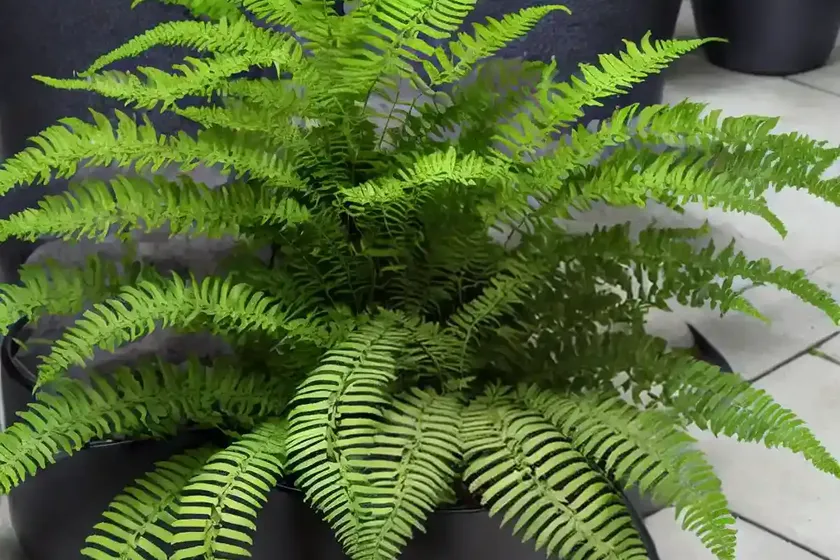
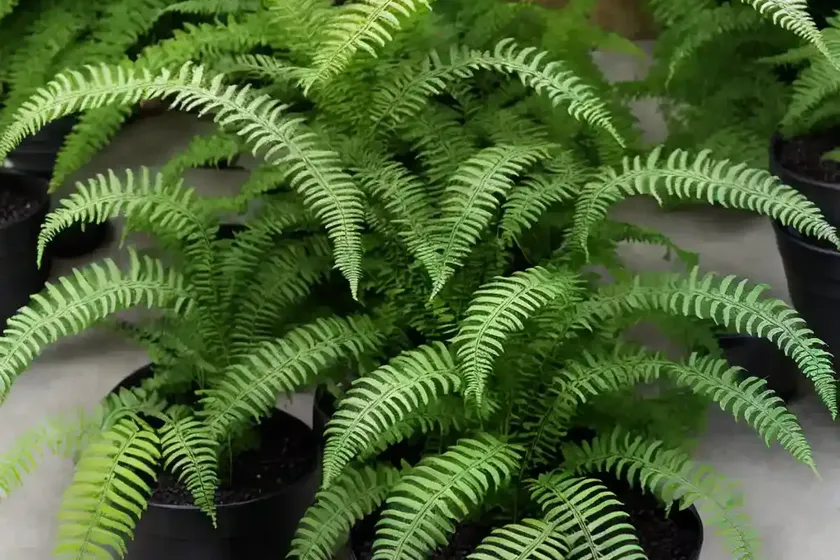
Athyrium niponicum ‘Godzilla’ is well-suited for container gardening, allowing you to bring its captivating foliage to patios, balconies, and other outdoor spaces. Its large size and vibrant fronds make it a popular choice for containers, where it can serve as a focal point or complement other shade-loving plants. When selecting a container for the fern, opt for a well-draining pot with sufficient depth to accommodate its root system and allow room for growth. Adding a layer of gravel or broken pottery shards at the bottom of the container can improve drainage and prevent waterlogging.
To ensure the container-grown Athyrium niponicum ‘Godzilla’ thrives, it’s crucial to provide appropriate care, including regular watering, occasional fertilization, and protection from harsh environmental conditions. When positioning the container, place it in a shaded or partially shaded area to mimic the fern’s natural habitat and prevent sun damage to the delicate fronds.
Common Diseases
Despite its resilience, Athyrium niponicum ‘Godzilla’ may be susceptible to certain diseases and issues that can impact its health and appearance. Being aware of these common diseases and their symptoms allows for early intervention and appropriate treatment. Some of the typical diseases that may affect the fern include:
-
Leaf Spot: This fungal disease can cause dark, water-soaked spots on the fronds of Athyrium niponicum ‘Godzilla’. Over time, these spots may enlarge and merge, leading to extensive damage to the foliage. Preventative measures, such as avoiding overhead watering and maintaining good air circulation, can help reduce the risk of leaf spot.
-
Root Rot: Excessive moisture or poorly drained soil can contribute to the development of root rot in Athyrium niponicum ‘Godzilla’. This condition compromises the health of the plant’s roots, leading to wilting, yellowing fronds, and eventual decline. Improving soil drainage and adjusting watering practices can help prevent root rot and promote root health.
Disease Diagnosis
Diagnosing diseases in Athyrium niponicum ‘Godzilla’ involves closely monitoring the plant for any signs of abnormality or distress. Symptoms such as discolored or spotted fronds, wilting, and stunted growth can indicate potential issues that require attention. Inspecting the soil moisture levels, drainage quality, and overall environmental conditions is essential in identifying the underlying cause of any disease symptoms.
When diagnosing diseases, it’s beneficial to consult with local garden centers, botanical gardens, or agricultural extension services for guidance and support. They can provide insights into prevalent diseases in the region and offer recommendations for effective disease management and prevention strategies.
Common Pests
While resistant to many pests, Athyrium niponicum ‘Godzilla’ may occasionally encounter pest issues that can impact its growth and appearance. Some of the common pests that may affect the fern include:
-
Slugs and Snails: These mollusks are attracted to the lush, tender fronds of Athyrium niponicum ‘Godzilla’ and can feed on them, leaving behind unsightly damage. Applying organic slug and snail repellents, creating physical barriers, or using beer traps can help control their population and protect the fern.
-
Aphids: These small, sap-sucking insects may infest the fronds of the fern, causing distortion and yellowing of the foliage. Introducing natural predators, such as ladybugs, or using insecticidal soaps can effectively manage aphid populations and safeguard the health of Athyrium niponicum ‘Godzilla’.
-
Spider Mites: These tiny arachnids can infest the undersides of the fronds, causing stippling, discoloration, and webbing. Regularly inspecting the fern for signs of spider mite activity and periodically misting the foliage to increase humidity can help deter these pests and maintain a healthy growing environment.
Botanist’s Tips
To ensure the successful cultivation and enjoyment of Athyrium niponicum ‘Godzilla’, the following botanist’s tips can be valuable:
-
Mulching: Applying a layer of organic mulch around the base of the fern not only helps retain moisture and suppress weeds but also contributes to soil enrichment as the mulch breaks down over time. This can promote robust growth and vigor in Athyrium niponicum ‘Godzilla’, enhancing its overall health and appearance.
-
Seasonal Care: Observing seasonal care practices, such as providing additional protection during winter months and adjusting watering frequencies based on weather conditions, is essential for the long-term well-being of the fern. Adapting care routines to suit seasonal variations ensures that Athyrium niponicum ‘Godzilla’ remains healthy and resilient throughout the year.
-
Companion Planting: Pairing Athyrium niponicum ‘Godzilla’ with suitable companion plants, such as hostas, ferns, and other shade-loving perennials, can create harmonious and visually appealing combinations. Consider the varying heights, textures, and colors of the companion plants to achieve an aesthetically pleasing arrangement that complements the unique foliage of the fern.
Fun Facts
Delving into the world of Athyrium niponicum ‘Godzilla’ unveils fascinating and engaging facts about this distinctive fern:
-
Historical Significance: The Japanese Painted Fern has historical ties to Japanese gardening traditions, where it has been cherished for its ornamental value and cultural symbolism. Its presence in Japanese-inspired gardens adds a touch of authenticity and elegance to the landscape.
-
Deer-Resistant Qualities: Athyrium niponicum ‘Godzilla’ exhibits deer-resistant properties, making it a preferred choice in areas with high deer populations. Its robust foliage and natural deterrents make it less appealing to browsing deer, allowing it to thrive without constant pest pressure.
-
Medicinal Folklore: While primarily cultivated for its ornamental appeal, the Japanese Painted Fern has historical mentions in folk medicine for its purported medicinal uses. While caution should be exercised when exploring medicinal properties, it provides an intriguing link between traditional uses and modern cultivation.
Links to External Resources
For further exploration of Athyrium niponicum ‘Godzilla’ and related topics, the following external resources provide valuable insights and information:
-
The American Fern Society: The American Fern Society offers extensive resources and publications on ferns, including Athyrium niponicum ‘Godzilla’, and provides access to a network of fern enthusiasts and experts.
-
Royal Horticultural Society: The Royal Horticultural Society’s website features comprehensive guidance on growing and caring for ornamental ferns, including detailed information on the cultivation of Athyrium niponicum ‘Godzilla’.
-
Missouri Botanical Garden: The Missouri Botanical Garden’s plant finder database includes detailed profiles of Athyrium niponicum ‘Godzilla’, showcasing its botanical characteristics and cultivation recommendations.
Conclusion
Athyrium niponicum ‘Godzilla’, the Japanese Painted Fern, stands as a remarkable addition to gardens, landscapes, and indoor settings. Its large size, striking foliage, and ease of care make it a sought-after plant for individuals seeking to enhance shaded environments with an exquisite botanical presence. By understanding and implementing the cultural uses, growing conditions, care tips, and fascinating facts associated with Athyrium niponicum ‘Godzilla’, plant enthusiasts can cultivate and appreciate this captivating fern with confidence and success. Whether incorporated into shaded gardens, container displays, or floral arrangements, the Japanese Painted Fern continues to captivate with its unique charm and allure.