Athyrium Filix-femina Var. Angustum ‘Lady In Red’ (Lady Fern)
Athyrium filix-femina var. angustum, commonly known as ‘Lady in Red’ or Lady Fern, is a graceful and elegant fern species that is a favorite among.
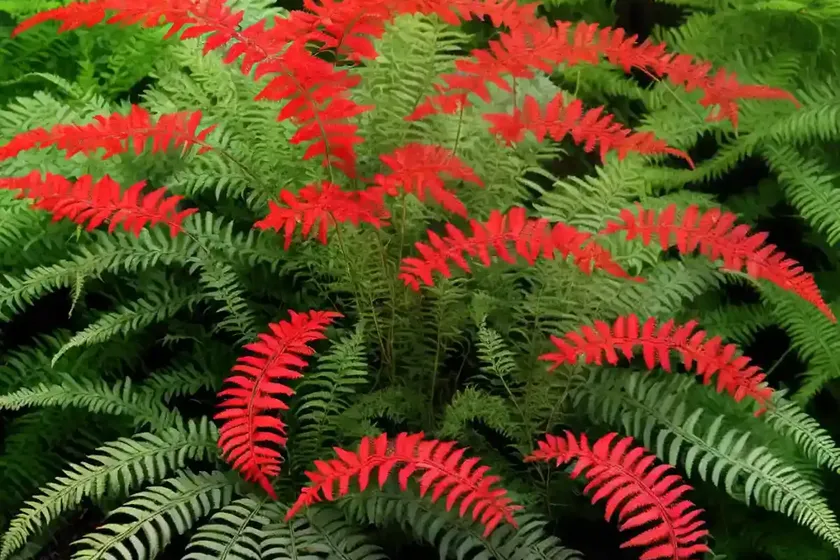
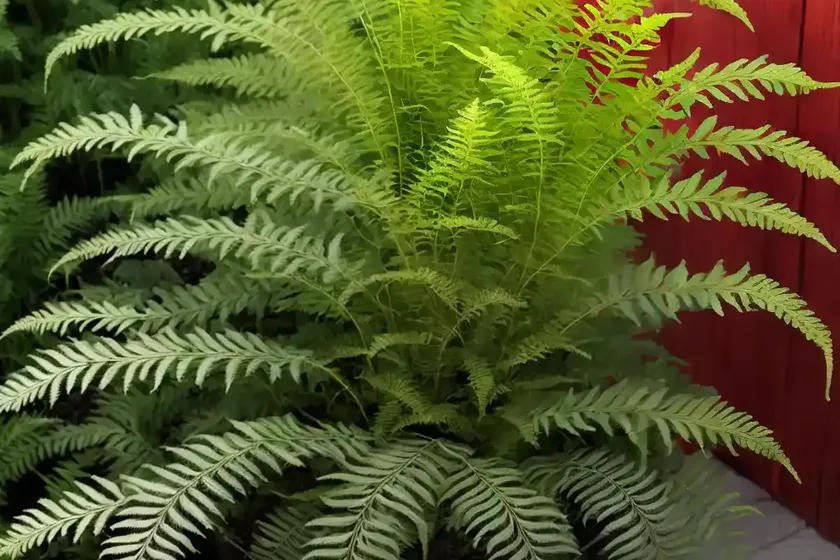
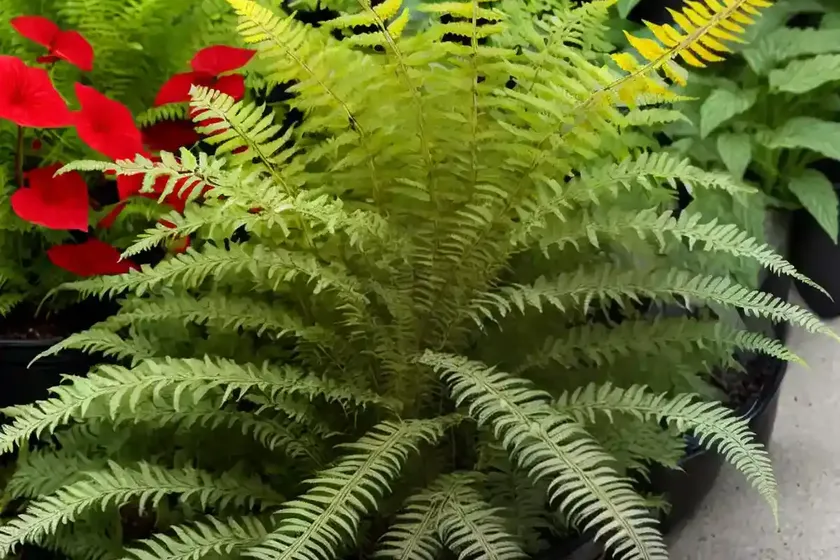
Athyrium filix-femina var. angustum, commonly known as ‘Lady in Red’ or Lady Fern, is a graceful and elegant fern species that is a favorite among gardeners and landscape enthusiasts. Its striking red stems and delicate fronds make it a popular choice for shaded areas and woodland gardens.
In this comprehensive guide, we will delve into the world of Lady Ferns, exploring their cultural requirements, uses, maintenance, and much more. Whether you are a seasoned plant enthusiast or a beginner looking to add this stunning fern to your collection, this guide will provide you with all the information you need to successfully care for Athyrium filix-femina var. angustum ‘Lady in Red’.
Key Takeaways – Athyrium filix-femina var. angustum ‘Lady in Red’ (Lady Fern)
Before we dive into the specifics of caring for Lady Ferns, let’s take a look at some key takeaways about this delightful plant:
- Botanical Name: Athyrium filix-femina var. angustum ‘Lady in Red’
- Common Names: Lady Fern, Lady in Red Fern
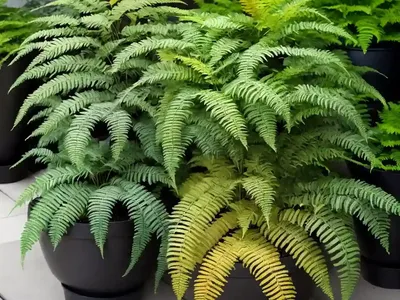
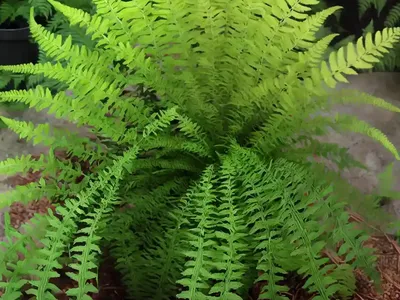
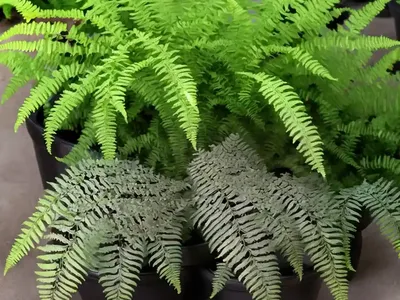
- Foliage: Delicate, finely-divided fronds with a distinctive red stem
- Growth Habit: Clumping, spreading slowly via rhizomes
- Uses: Shaded gardens, woodland landscapes, and as a container plant
- Maintenance: Low-maintenance, requires regular water and shade
Now that we have a general overview of the Lady Fern, let’s explore each aspect of its care and cultivation in detail.
Culture
Water
Lady Ferns thrive in consistently moist soil, making them an excellent choice for shaded or woodland gardens with high levels of organic matter. When establishing Lady Ferns, it is crucial to ensure that they receive an adequate water supply, especially during the initial growth phase. Once established, they will continue to thrive in a consistently moist environment, making them perfect for tranquil, shaded corners of the garden.
Sunlight
Lady Ferns are well-suited to shaded or partly shaded areas. They prefer dappled sunlight or full shade, making them an excellent choice for gardens with limited direct light. When planting Lady Ferns, it is essential to keep them away from harsh, direct sunlight, as this can scorch their delicate fronds.
Fertilizer
Fertilization requirements for Lady Ferns are relatively low, as they are not heavy feeders. A yearly application of a balanced, slow-release fertilizer in the spring can be beneficial for their growth. It is essential to avoid over-fertilizing, as this can lead to an accumulation of salts in the soil, which may harm the ferns.
Soil
Lady Ferns thrive in rich, well-draining soil with high organic matter content. They prefer soil that is consistently moist but not waterlogged. A mix of peat moss, compost, and well-aged manure can create the ideal growing medium for Lady Ferns, providing them with the necessary nutrients for healthy growth.
Pruning
Lady Ferns generally require minimal pruning. However, removing any damaged or unsightly fronds can help maintain the plant’s appearance and encourage healthy growth. The pruning process is straightforward and involves simply cutting back any discolored or withered fronds at the base of the plant.
Propagation
Lady Ferns can be propagated through division, typically in early spring. To propagate Lady Ferns, carefully divide the rhizomes, ensuring that each division has both roots and fronds. Plant the divisions in suitable, moist soil, and provide them with adequate water and shade as they establish themselves.
Container Popularity
The graceful and delicate appearance of Lady Ferns makes them an excellent choice for container gardening. Their preference for shade and moist soil makes them ideal candidates for shaded patios, balconies, or indoor spaces with appropriate lighting conditions. When growing Lady Ferns in containers, it is essential to ensure proper drainage and to consistently monitor the soil moisture to mimic their natural growing conditions.
Common Diseases
Lady Ferns are relatively resistant to diseases, especially when grown in favorable conditions. However, they may be susceptible to certain issues, including:
-
Leaf Spot: Fungal leaf spot diseases can affect Lady Ferns, causing dark spots to appear on the fronds. Proper watering and adequate spacing can help prevent this issue.
-
Root Rot: Overly wet or poorly-drained soil can lead to root rot in Lady Ferns. It is crucial to ensure that the soil has good drainage to prevent this potentially fatal disease.
Disease Diagnosis
Diagnosing diseases in Lady Ferns involves closely monitoring the appearance and health of the fronds and roots. Any signs of discoloration, spots, or wilting should be carefully investigated to identify the potential cause. If disease is suspected, prompt action should be taken to isolate the affected plant and prevent the spread of the issue to other specimens.
Common Pests
While Lady Ferns are relatively resistant to pests, they may occasionally encounter the following pest issues:
-
Slugs and Snails: These common garden pests can feed on the tender fronds of Lady Ferns, causing significant damage. Regular monitoring and the use of organic pest control methods can help manage slug and snail populations.
-
Spider Mites: In dry and hot conditions, Lady Ferns may be susceptible to spider mite infestations. Increasing humidity and using natural predators can help control spider mite populations.
Botanist’s Tips
As a plant scientist, I often recommend Lady Ferns to gardening enthusiasts looking to add a touch of elegance and charm to their shaded landscapes. Here are some additional tips for successfully growing and caring for Athyrium filix-femina var. angustum ‘Lady in Red’:
-
Mulching: Applying a layer of organic mulch around Lady Ferns can help retain soil moisture and suppress weed growth, creating an ideal environment for their growth.
-
Companion Planting: Lady Ferns pair beautifully with other shade-loving plants such as hostas, astilbes, and tiarellas, creating a lush and diverse woodland planting scheme.
-
Wildlife Habitat: Lady Ferns provide cover and shelter for various small wildlife, including birds and insects, making them a valuable addition to wildlife-friendly gardens.
Fun Facts
-
The specific epithet “filix-femina” in the botanical name Athyrium filix-femina translates to “lady fern” in Latin, emphasizing the long-standing association of this plant with elegance and femininity.
-
Lady Ferns have been a popular choice for shaded garden spaces for centuries, prized for their delicate appearance and ability to thrive in low-light conditions.
-
The striking red stems of Athyrium filix-femina var. angustum ‘Lady in Red’ add a unique visual element to shaded landscapes, creating a captivating contrast with their lush, green fronds.
For more detailed information on specific topics related to ‘Lady in Red’ Ferns, explore the following resources:
In conclusion, Athyrium filix-femina var. angustum ‘Lady in Red’ (Lady Fern) is a captivating and versatile plant that brings beauty and vibrancy to shaded gardens and woodland landscapes. With the right cultural practices and care, this exquisite fern species can thrive and enchant in various garden settings.
With its timeless elegance and low-maintenance nature, the Lady Fern remains a beloved choice for those seeking to add an enchanting touch of greenery to their outdoor spaces. By incorporating the tips and guidelines provided in this guide, you can embark on a rewarding journey of cultivating and appreciating the alluring beauty of Athyrium filix-femina var. angustum ‘Lady in Red’.