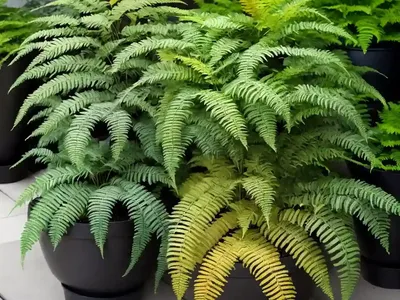
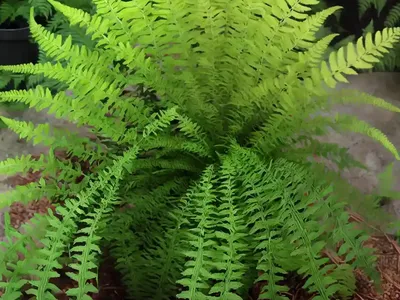
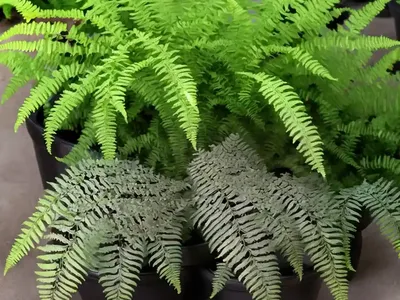
Athyrium Filix-femina ‘Lady In Lace’ (Lady Fern)
Plants are a vital part of our environment, contributing to the beauty of nature and enriching our lives with their aesthetic appeal and ecological.
Introduction
Plants are a vital part of our environment, contributing to the beauty of nature and enriching our lives with their aesthetic appeal and ecological significance. This comprehensive guide will explore the exquisite Athyrium filix-femina ‘Lady in Lace’, also known as the Lady Fern. We will delve into the characteristics, cultivation aspects, uses, maintenance, and much more, providing plant enthusiasts with a deeper understanding of this elegant fern species.
What is Athyrium filix-femina ‘Lady in Lace’ (Lady Fern)?
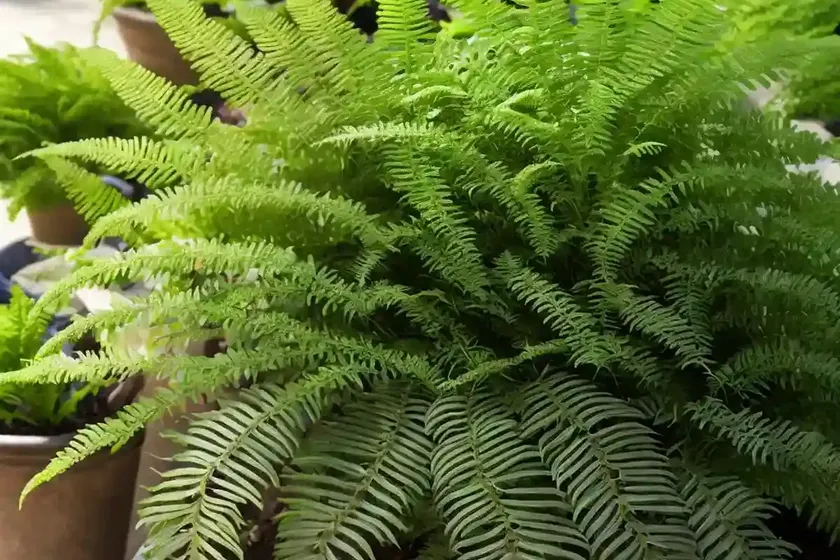
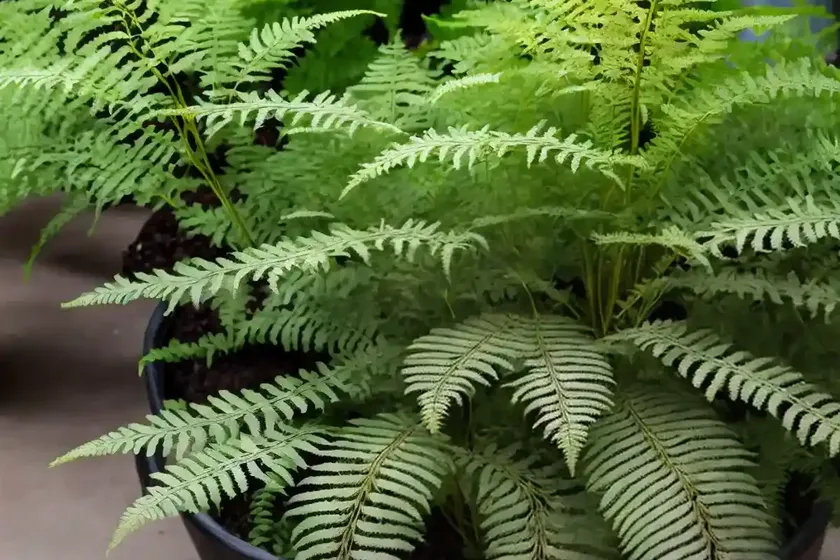
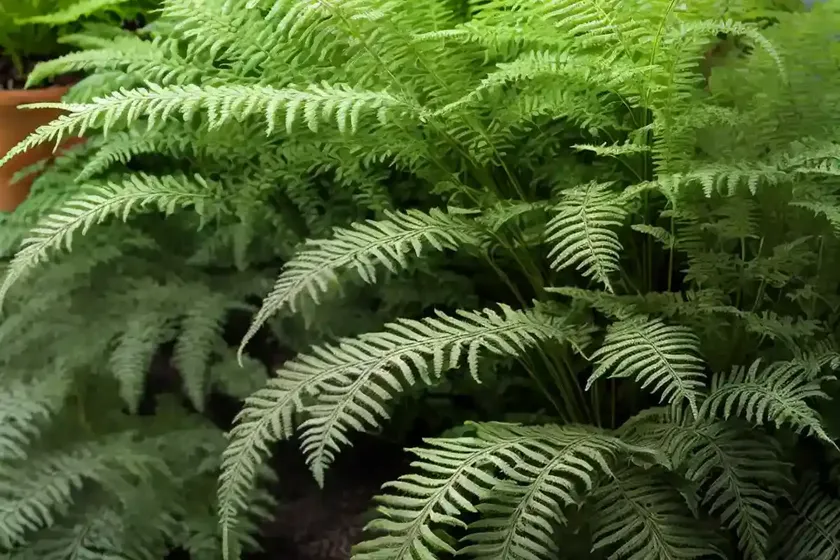
Athyrium filix-femina, commonly referred to as the Lady Fern, is a graceful and delicate deciduous fern that belongs to the Athyriaceae family. It is recognized for its finely divided, lacy fronds and its preference for moist, shady locations. The ‘Lady in Lace’ variety is particularly admired for its intricate and symmetrical fronds, adding a touch of elegance to shaded garden areas.
Key Takeaways – Athyrium filix-femina ‘Lady in Lace’ (Lady Fern)
This section will provide a summary of the essential aspects related to the care, characteristics, uses, and cultivation of Athyrium filix-femina ‘Lady in Lace’, serving as a quick reference guide for both novice and experienced gardeners.
Culture
Uses
The Lady Fern is valued for its ornamental appeal and is commonly utilized in landscaping and garden design. Its delicate appearance and shade tolerance make it a popular choice for shaded borders, woodland gardens, and naturalistic landscapes. It can also be featured in container gardens and as a ground cover option in suitable environments.
Water
Athyrium filix-femina ‘Lady in Lace’ thrives in consistently moist soil, though it should not be waterlogged. Regular watering is essential to maintain the moisture levels, particularly during periods of prolonged dryness. When cultivating Lady Fern in containers, attention should be given to preventing the soil from becoming overly saturated or drying out completely.
Sunlight
Lady Ferns prefer partial to full shade, thriving in areas with dappled sunlight or where direct sunlight is limited. Excessive exposure to direct sun can result in scorching of the delicate fronds, making it imperative to provide adequate shade for optimal growth.
Fertilizer
When it comes to fertilization, Lady Ferns benefit from a balanced, slow-release fertilizer applied in the early spring as new growth emerges. Organic fertilizers or formulations specifically designed for ferns can be favorable for promoting lush foliage and overall plant health.
Soil
The ideal soil conditions for Athyrium filix-femina ‘Lady in Lace’ encompass well-draining, loamy soil with rich organic matter. A slightly acidic to neutral pH range is preferable, promoting favorable growth and development.
Pruning
Pruning requirements for Lady Ferns are generally minimal, primarily consisting of the removal of old or damaged fronds to maintain a tidy appearance. This can be carried out in early spring before the new growth emerges.
Propagation
Propagation of Athyrium filix-femina ‘Lady in Lace’ is commonly achieved through division, as the plant develops rhizomes over time. This process entails carefully dividing the rhizomes to create new plantings, typically conducted during the early spring to coincide with the commencement of active growth.
Container Popularity
Lady Ferns are well-suited for container cultivation, adding a touch of elegance to shaded outdoor spaces, patios, and indoor living areas. When cultivated in containers, considerations for proper drainage and adequate moisture retention should be taken into account to ensure optimal growth and longevity.
Common Diseases
While Lady Ferns are relatively resilient, certain diseases can pose challenges to their health and vitality. Some common diseases that may affect Athyrium filix-femina ‘Lady in Lace’ include:
- Leaf Spot: Fungal diseases such as Cercospora and Phyllosticta can lead to the development of dark lesions on the fronds, potentially impacting the overall appearance and vigor of the plant.
- Rust: Rust diseases caused by fungal pathogens can manifest as orange or brown spots or pustules on the undersides of the fronds, potentially leading to defoliation and reduced vigor.
- Anthracnose: This fungal disease can cause browning, wilting, and dieback of the foliage, adversely affecting the plant’s overall health.
Disease Diagnosis
Effective disease diagnosis is crucial in addressing and mitigating potential threats to the health of Athyrium filix-femina ‘Lady in Lace’ specimens. Visual inspection of the foliage, assessment of growth patterns, and prompt identification of any deviations from normal appearance are essential components of disease diagnosis. Additionally, consulting with horticultural professionals or diagnostic laboratories can provide valuable insights into the specific nature of any detected diseases and appropriate treatment options.
Common Pests
While Lady Ferns are generally resistant to pest infestations, they can occasionally face challenges from certain insects and invertebrates. Common pests that may affect Athyrium filix-femina ‘Lady in Lace’ include:
- Aphids: These small, sap-sucking insects can cluster on the undersides of the fronds, potentially causing yellowing, distortion, and stunted growth.
- Scale Insects: Scale infestations can lead to the development of small, armored pests on the fronds, often accompanied by leaf yellowing and weakened growth.
- Slugs and Snails: These mollusks can cause physical damage to the fronds by feeding on the foliage, resulting in irregular holes and ragged edges.
Preventative measures such as regular inspection, the implementation of natural predators, and the application of non-toxic pest control methods can aid in safeguarding Lady Ferns from pest-related issues.
Botanist’s Tips
For aspiring botanists and passionate plant enthusiasts, here are some valuable tips for cultivating and caring for Athyrium filix-femina ‘Lady in Lace’:
- Ample Moisture: Lady Ferns have a high affinity for moisture, necessitating consistent watering to maintain optimal soil moisture levels.
- Shade Tolerance: Ensuring appropriate shade levels, particularly in warmer climates, is essential to prevent leaf scorching and stress on the delicate fronds.
- Organic Enrichment: Incorporating organic matter into the soil can contribute to the overall health and vitality of Lady Ferns, promoting robust growth and foliage development.
Fun Facts
- The intricate frond patterns of Athyrium filix-femina ‘Lady in Lace’ have earned it the admiration of botanical enthusiasts and gardeners worldwide, contributing to its widespread popularity in shaded garden settings.
- Lady Ferns are known for their graceful, arching fronds, imbuing garden landscapes with a sense of timeless elegance and natural charm.
Links to External Resources
For further exploration and in-depth information on Athyrium filix-femina ‘Lady in Lace’ (Lady Fern), the following external resources can serve as valuable references:
-
The Royal Horticultural Society (RHS) – Lady Fern Plant Profile
-
Missouri Botanical Garden – Athyrium filix-femina Information
-
University of Florida IFAS Extension – Growing Ferns in the Landscape
-
American Fern Society – Fern Care and Resources