Athyrium Filix-femina (Lady Fern)
Athyrium filix-femina, commonly known as Lady Fern, is a graceful and delicate fern species that belongs to the family Athyriaceae. It is native to.
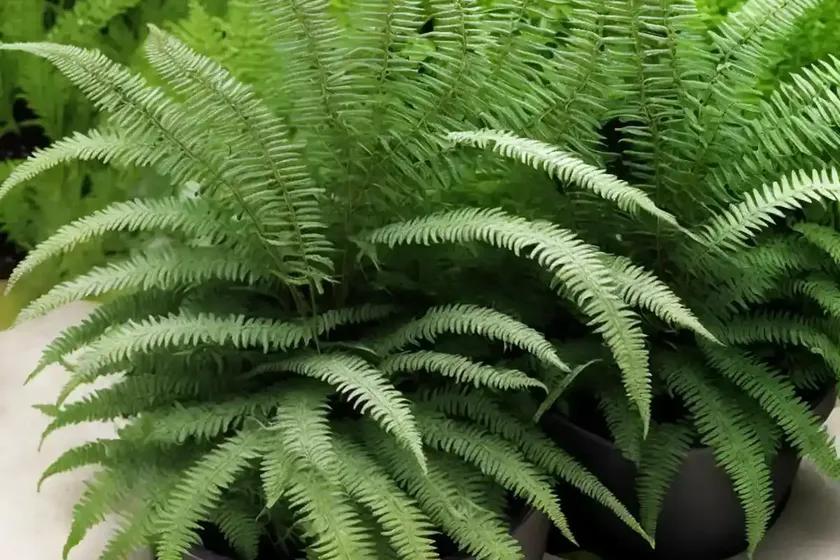
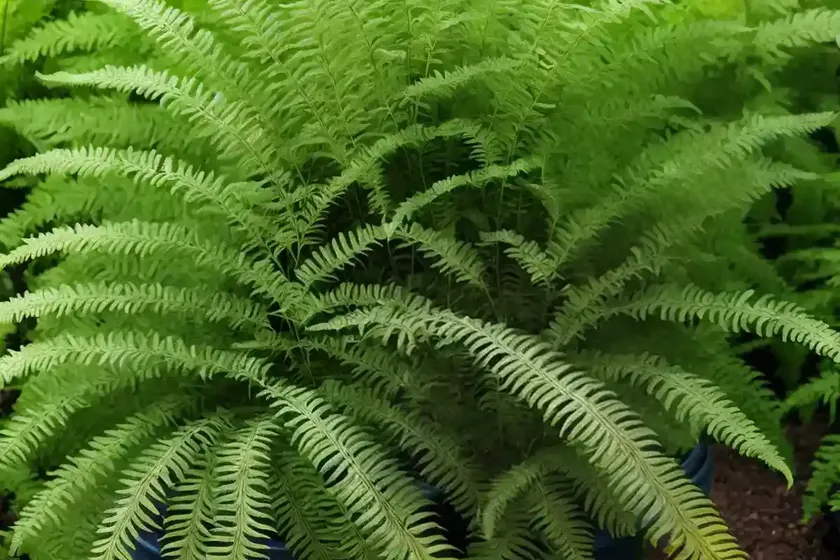
Athyrium filix-femina, commonly known as Lady Fern, is a graceful and delicate fern species that belongs to the family Athyriaceae. It is native to temperate regions in the Northern Hemisphere and is prized for its ornamental appeal and unique fronds. In this comprehensive guide, we will explore the diverse aspects of Athyrium filix-femina, from its habitat and characteristics to its care requirements and potential uses.
What is Athyrium filix-femina (Lady Fern)?
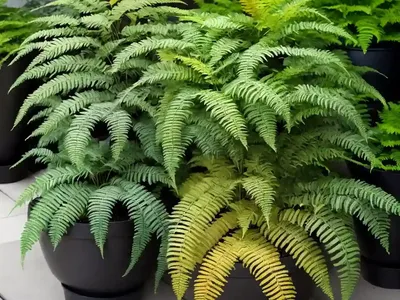
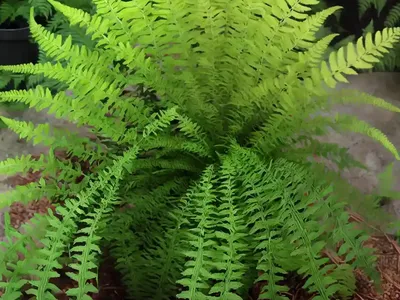
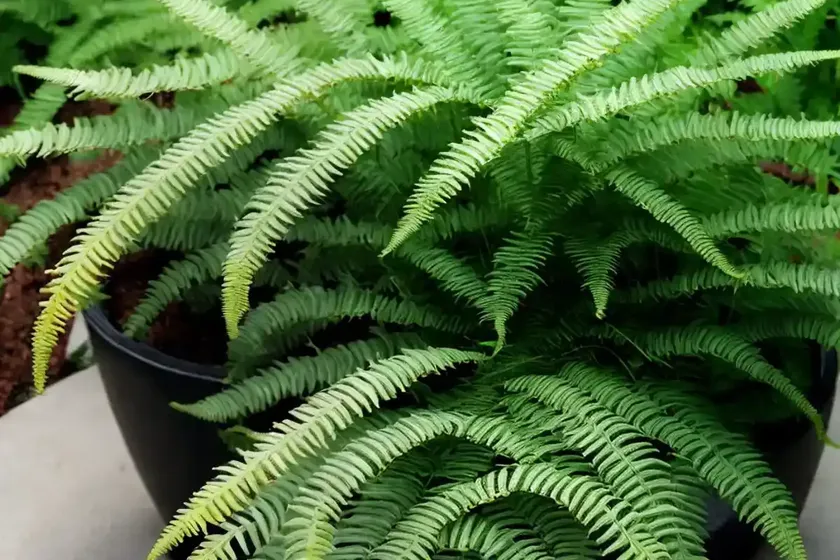
Athyrium filix-femina, also known as the common lady fern, is a deciduous perennial fern with a distinctive appearance. It is characterized by its lacy, light green fronds that can grow up to 3 feet in height, creating a graceful and airy presence in a garden or natural setting. Lady Fern thrives in shady, moist environments and is often found in woodlands, wetlands, and other similar habitats.
Lady Fern Characteristics
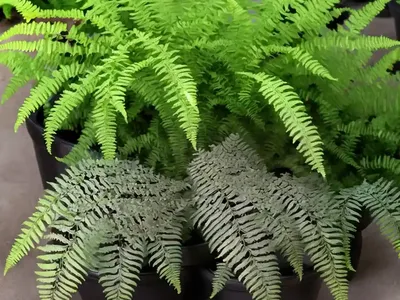
- Foliage: The delicate fronds of Lady Fern are bipinnate, with a symmetrically feather-like appearance, imparting an elegant and soft texture to the plant.
- Height: Lady Fern typically reaches a height of 2 to 3 feet, making it an ideal choice for adding vertical interest to shaded gardens or woodland areas.
- Habit: It exhibits a clumping growth habit, with a spreading form that adds a charming and naturalistic appeal to its surroundings.
- Color: The fronds are a vibrant light green, contributing to the fern’s visual allure and its ability to blend seamlessly with the surrounding foliage.
Athyrium filix-femina Habitat
Lady Fern is indigenous to various regions across the Northern Hemisphere, where it thrives in moist, shaded locations. Its natural habitats include:
- Woodlands
- Wetlands
- Riparian areas
- Shaded slopes
In the wild, Lady Fern can often be found growing alongside streams, in wooded understories, and other damp, shaded settings. Understanding its natural habitat is key to successfully cultivating this species in garden or landscape settings.
Key Takeaways – Athyrium filix-femina (Lady Fern)
Before delving into the specific care guidelines for Athyrium filix-femina, it’s essential to highlight the key takeaways that will be covered in this comprehensive guide. These takeaways provide a structured overview of the essential aspects of Lady Fern cultivation and will serve as a reference point throughout the article.
- Athyrium filix-femina Description
- Lady Fern Characteristics
- Athyrium filix-femina Habitat
- Lady Fern Care Tips
- Athyrium filix-femina Cultivation
- Lady Fern Plant Profile
- Athyrium filix-femina Uses
- Lady Fern Benefits
- Athyrium filix-femina Varieties
- Lady Fern Propagation Methods
- Athyrium filix-femina Medicinal Properties
- Lady Fern Indoor Growing
- Athyrium filix-femina Outdoor Planting
- Lady Fern Soil Requirements
- Athyrium filix-femina Watering Needs
- Lady Fern Pest and Disease Control
- Athyrium filix-femina Pruning Techniques
- Lady Fern Companion Plants
- Athyrium filix-femina Shade Tolerance
- Lady Fern Sunlight Requirements
- Athyrium filix-femina Wildlife Attraction
- Lady Fern Landscaping Ideas
- Athyrium filix-femina Container Gardening
- Lady Fern Fertilization Tips
- Athyrium filix-femina Seasonal Care
- Lady Fern Poisonous or Safe for Pets
- Athyrium filix-femina Common Names
- Lady Fern Natural Habitat Range
- Athyrium filix-femina Native Regions
- Lady Fern Growth Rate
- Athyrium filix-femina Propagation from Spores
- Lady Fern Suitable Climate Conditions
- Athyrium filix-femina Companion Planting
- Lady Fern Division Techniques
- Athyrium filix-femina Foliage Color Variations
- Lady Fern Hardiness Zones
- Athyrium filix-femina Landscape Uses
- Lady Fern in Traditional Medicine
- Athyrium filix-femina Cold Tolerance
- Lady Fern Pest-Specific Control Methods
- Athyrium filix-femina Drought Resistance
- Lady Fern Soil pH Preferences
- Athyrium filix-femina Fern Family
- Lady Fern Fern Genus
- Athyrium filix-femina Water Features
- Lady Fern for Ground Cover
- Athyrium filix-femina Vertical Gardening
- Lady Fern for Urban Spaces
- Athyrium filix-femina Air Purification Properties
- Lady Fern for Hanging Baskets
By addressing each of these key takeaways, readers will gain a comprehensive understanding of every facet of caring for and utilizing Athyrium filix-femina in diverse settings.
Lady Fern Care Guide
Athyrium filix-femina is a versatile and attractive fern that can enhance a variety of landscapes, from shaded gardens and woodland areas to indoor spaces. To provide the best possible care for Lady Fern and to optimize its growth and ornamental appeal, it’s essential to understand its specific cultural needs, including water requirements, sunlight preferences, soil conditions, fertilization, and pruning techniques. Let’s delve into each of these aspects in detail to equip you with the knowledge needed to cultivate and enjoy Athyrium filix-femina to its fullest potential.
Culture
Cultivating Athyrium filix-femina involves creating an environment that mirrors its natural habitat, ensuring that it receives the necessary moisture, shade, and soil conditions to thrive. Understanding the cultural requirements of Lady Fern is fundamental to its successful growth and longevity.
Uses
- Ornamental Purposes: Lady Fern is primarily grown for its ornamental value, its delicate and airy fronds adding a touch of elegance to shaded gardens and woodland landscapes.
- Naturalistic Plantings: Its clumping habit and graceful appearance make Lady Fern suitable for naturalistic plantings, where it can complement other shade-loving species.
Water
- Moisture Requirements: Lady Fern thrives in consistently moist soil and benefits from regular watering, especially during dry spells.
- Soil Moisture: It’s important to ensure that the soil remains consistently moist, without becoming waterlogged, to support the fern’s growth and vitality.
Sunlight
- Light Preferences: Lady Fern prefers shaded to partially shaded environments and is intolerant of direct sunlight, which can scorch its delicate fronds.
- Ideal Locations: Shaded woodland areas, north-facing borders, and filtered light settings are ideal for cultivating Athyrium filix-femina.
Fertilizer
- Nutrient Needs: Lady Fern benefits from occasional fertilizer applications during the growing season to support healthy growth and vigor.
- Fertilizer Type: A balanced, slow-release fertilizer formulated for ferns or general-purpose organic fertilizers can be applied in early spring and midsummer.
Soil
- Soil Type: Lady Fern thrives in humus-rich, well-draining soil that retains moisture without becoming waterlogged.
- Soil Amendment: Incorporating organic matter such as compost or leaf mold into the planting area can enhance the soil structure and moisture retention.
Pruning
- Maintenance Pruning: Remove any damaged or unsightly fronds to maintain Lady Fern’s aesthetic appeal and promote fresh growth.
- Seasonal Pruning: In late winter or early spring, any faded or spent fronds can be cut back to rejuvenate the plant’s appearance.
Propagation
Lady Fern can be propagated through various methods, including division, spore propagation, and even tissue culture. Understanding the propagation techniques for Athyrium filix-femina is valuable for expanding its presence in a garden or landscape.
Container Popularity
- Potted Culture: Lady Fern is a popular choice for container gardening in shaded or indoor settings, adding a touch of greenery and elegance to patios, balconies, and interiors.
Container
- Container Size: When growing Lady Fern in containers, opt for a sizeable pot that accommodates the fern’s mature size and provides ample space for root development.
- Potting Mix: A well-draining, moisture-retentive potting mix that replicates the fern’s natural soil preferences is ideal for container culture.
Common Diseases
Athyrium filix-femina may be susceptible to certain diseases, and recognizing the symptoms and effective treatments is crucial for maintaining the plant’s health and vitality.
Disease Diagnosis
- Fungal Diseases: Lady Fern can be affected by fungal pathogens such as rusts, leaf spot, or powdery mildew, which may manifest as discolored or spotted fronds.
- Bacterial Issues: Certain bacterial diseases can cause wilting, discoloration, or browning of fronds, leading to diminished vigor.
Common Pests
Lady Fern may attract some pests that can compromise its health and appearance, necessitating appropriate control measures to mitigate potential damage.
Botanist’s Tips
- Integrated Pest Management: Implementing an integrated pest management approach that combines cultural practices, biological control, and selective pesticide use can effectively manage pest issues without harming beneficial organisms.
Fun Facts
- Ancient Roots: Ferns, including Lady Fern, have a long and storied history, dating back to prehistoric times and representing some of the oldest plant species on Earth.
- Traditional Uses: Ferns have been utilized in traditional medicine and folklore for their purported healing properties and as symbolic plants in various cultures worldwide.
By understanding and implementing these comprehensive care guidelines, gardeners and enthusiasts can cultivate Athyrium filix-femina with confidence, creating thriving and visually captivating displays in both outdoor and indoor settings.
Links to External Resources
For further exploration of Athyrium filix-femina and related topics, the following links provide valuable insights and additional information:
- American Fern Society
- Royal Horticultural Society – Lady Fern
- University of Florida IFAS Extension – Ferns
- The Plant List – Athyrium filix-femina
- Missouri Botanical Garden – Lady Fern
These resources offer a wealth of knowledge and insights into Lady Fern, its cultivation, and its role in horticulture and natural ecosystems.
In the next sections, we will delve deeper into the specific aspects of Athyrium filix-femina, including its uses, habitat, care requirements, and potential benefits, providing a comprehensive reference for plant enthusiasts and horticultural practitioners.
As we conclude this in-depth exploration of Athyrium filix-femina, it’s evident that Lady Fern holds a special place in horticulture and the natural world, thanks to its aesthetic appeal, adaptability, and cultural significance. By recognizing and understanding the various dimensions of Lady Fern, from its habitat to its care guidelines and potential uses, individuals can gain a profound appreciation for this graceful and versatile fern species.
Whether cultivated in shaded gardens, naturalistic landscapes, or indoor settings, Athyrium filix-femina enriches its surroundings with its delicate fronds and timeless elegance. By following the comprehensive care recommendations and leveraging the valuable resources available, enthusiasts can embark on a rewarding journey of cultivating and cherishing this captivating fern species.
Through stewardship, education, and a shared passion for plant life, Lady Fern and its botanical kin will continue to inspire and enchant generations to come, contributing to the richness and beauty of our natural spaces and horticultural traditions.
Plant Name: Athyrium filix-femina (Lady Fern)
Keywords: Athyrium filix-femina description, Lady Fern characteristics, Athyrium filix-femina habitat, Lady Fern care tips, Athyrium filix-femina cultivation, Lady Fern plant profile, Athyrium filix-femina uses, Lady Fern benefits, Athyrium filix-femina varieties, Lady Fern propagation methods, Athyrium filix-femina medicinal properties, Lady Fern indoor growing, Athyrium filix-femina outdoor planting, Lady Fern soil requirements, Athyrium filix-femina watering needs, Lady Fern pest and disease control, Athyrium filix-femina pruning techniques, Lady Fern companion plants, Athyrium filix-femina shade tolerance, Lady Fern sunlight requirements, Athyrium filix-femina wildlife attraction, Lady Fern landscaping ideas, Athyrium filix-femina container gardening, Lady Fern fertilization tips, Athyrium filix-femina seasonal care, Lady Fern poisonous or safe for pets, Athyrium filix-femina common names, Lady Fern natural habitat range, Athyrium filix-femina native regions, Lady Fern growth rate, Athyrium filix-femina propagation from spores, Lady Fern suitable climate conditions, Athyrium filix-femina companion planting, Lady Fern division techniques, Athyrium filix-femina foliage color variations, Lady Fern hardiness zones, Athyrium filix-femina landscape uses, Lady Fern in traditional medicine, Athyrium filix-femina cold tolerance, Lady Fern pest-specific control methods, Athyrium filix-femina drought resistance, Lady Fern soil pH preferences, Athyrium filix-femina fern family, Lady Fern fern genus, Athyrium filix-femina water features, Lady Fern for ground cover, Athyrium filix-femina vertical gardening, Lady Fern for urban spaces, Athyrium filix-femina air purification properties, Lady Fern for hanging baskets