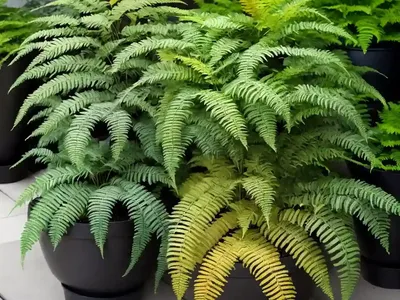
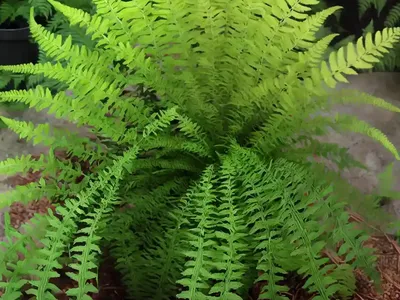
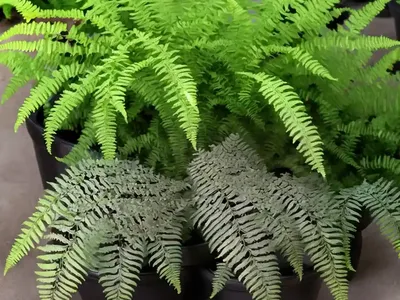
Athyrium Filix-femina ‘Frizelliae’ (Tatting Fern)
Plants have always been an essential part of our lives, be it for their aesthetic appeal, ecological significance, or the multitude of uses they offer..
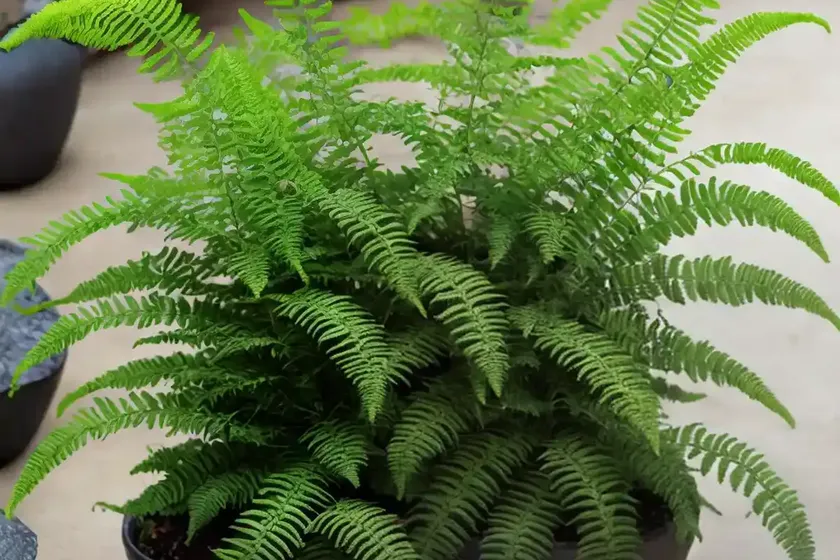
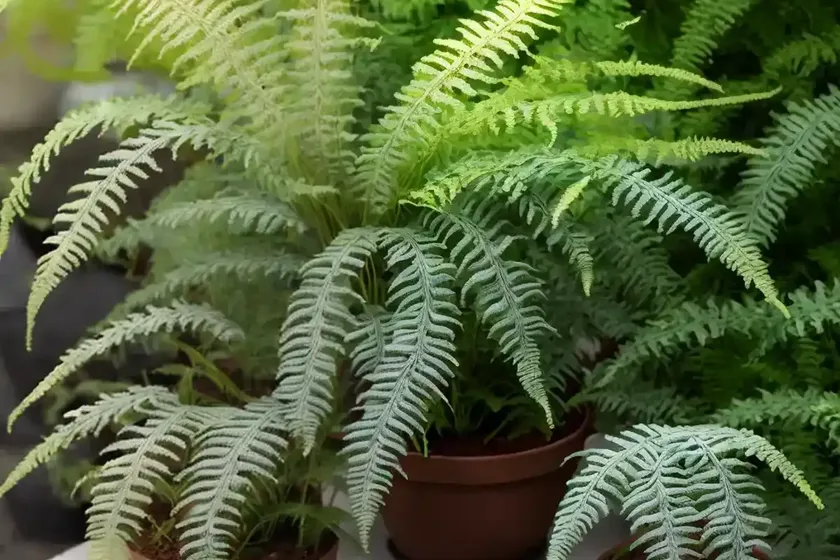
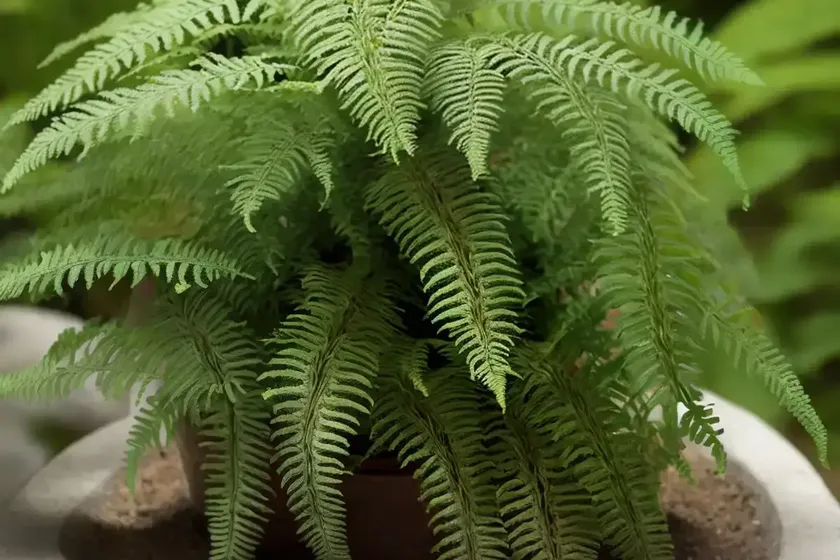
What is Plant: Athyrium filix-femina ‘Frizelliae’ (Tatting Fern)
Plants have always been an essential part of our lives, be it for their aesthetic appeal, ecological significance, or the multitude of uses they offer. Among the diverse flora that adorns our planet, the Tatting Fern (Athyrium filix-femina ‘Frizelliae’) stands out as a unique and captivating species. This delicate fern, with its lace-like foliage, is a testament to the intricate beauty that nature has to offer.
Tatting Fern, scientifically known as Athyrium filix-femina ‘Frizelliae’, belongs to the genus Athyrium and is a cultivar of the Lady Fern (Athyrium filix-femina). This ornamental fern variety is cherished for its fringed appearance and delicate, frondy leaves that resemble tatting lacework.
In this comprehensive guide, we will delve deep into the world of Tatting Fern, exploring its cultural needs, uses, propagation, and more. Whether you are a seasoned botanist, a gardening enthusiast, or simply someone with an appreciation for the finer wonders of nature, this article aims to provide valuable insights into the captivating world of Athyrium filix-femina ‘Frizelliae’.
Key Takeaways – Athyrium filix-femina ‘Frizelliae’ (Tatting Fern)
Before we embark on our journey into the realm of Tatting Fern, it’s essential to understand the key highlights of this unique plant. The following key takeaways will provide a sneak peek into the fascinating features and characteristics of Athyrium filix-femina ‘Frizelliae’:
Culture
- Tatting Fern is a visually stunning plant that adds an elegant touch to gardens, landscapes, and indoor spaces.
- With its delicate, lace-like foliage, the Frizelliae fern variety is highly sought after for its ornamental value.
- This fern species thrives in moist, well-drained soils and is known for its ability to create a lush, green ambiance in shaded areas.
Uses
- The ornamental appeal of Tatting Fern makes it a popular choice for landscaping, adding a touch of sophistication to gardens and outdoor spaces.
- Its fine-textured fronds and intricate foliage patterns make it an ideal plant for decorative purposes, ranging from formal garden settings to woodland landscapes.
Water
- Adequate moisture is crucial for the healthy growth of Tatting Fern, making it well-suited for locations with consistent, moderate humidity levels.
- While it requires regular watering, it is essential to avoid waterlogged conditions, as this can lead to root rot and other moisture-related issues.
Sunlight
- Tatting Fern thrives in partial to full shade, making it an excellent choice for shaded garden beds, wooded areas, and sheltered outdoor spaces.
- It is important to protect the delicate foliage of this fern from direct sunlight, as excessive sun exposure can lead to leaf scorching and damage.
Fertilizer
- A balanced, organic fertilizer can be applied to Tatting Fern during the growing season to support healthy foliage development and overall plant vigor.
- It is advisable to use a diluted, gentle fertilizer to prevent the risk of over-fertilization, which can be detrimental to the plant’s well-being.
Soil
- Well-drained, rich, and slightly acidic soils provide an ideal growing medium for Tatting Fern, promoting robust growth and vibrant foliage.
- Organic matter such as compost and leaf mold can be incorporated into the soil to enhance its nutrient content and structure, creating an optimal environment for the fern to thrive.
Pruning
- Regular removal of old, yellowing fronds and any damaged or diseased foliage helps maintain the aesthetic appeal of Tatting Fern and promotes new growth.
- Pruning should be done with care to avoid injuring the delicate fronds, and the use of clean, sharp tools is recommended to minimize stress on the plant.
Propagation
- Tatting Fern can be propagated through division, allowing the formation of new plants from existing clumps or rhizomes.
- Division is best done in early spring, providing ample time for the newly propagated plants to establish themselves before the onset of summer.
Container Popularity
- The compact size and ornamental charm of Tatting Fern make it a popular choice for container gardening, bringing a touch of elegance to patio spaces, balconies, and indoor settings.
- When grown in containers, it is important to ensure adequate drainage and moisture retention to support the fern’s growth and vitality.
Container Common Diseases
- While Tatting Fern is relatively resistant to many common plant diseases, container-grown specimens may be susceptible to issues such as root rot and fungal infections if proper care and maintenance are neglected.
- Regular inspection and preventive measures can help mitigate the risk of diseases, ensuring the long-term health of the fern in container environments.
Disease Diagnosis
- Timely diagnosis of plant diseases is essential for effective management and treatment. Common symptoms such as wilting, discoloration, or unusual spots on the foliage should be carefully observed and addressed promptly.
- Consulting with experienced botanists or plant pathologists can aid in accurate disease diagnosis and the implementation of suitable remedial measures.
Common Pests
- Tatting Fern is generally not a target for major pest infestations, but occasional encounters with pests such as aphids, scale insects, and mites may occur, especially in indoor or greenhouse settings.
- Natural and organic pest control methods can be employed to address pest issues without compromising the health and well-being of the plant.
Botanist’s Tips
- Proper cultural care, including adequate moisture, shade, and well-drained soils, is crucial for ensuring the optimal growth and development of Tatting Fern.
- Gentle handling during planting, division, and maintenance activities helps protect the delicate foliage and fronds of the fern, minimizing the risk of damage.
Fun Facts
- The intricate foliage of Tatting Fern has earned it the nickname “Tatting Fern” due to its resemblance to the art of tatting, known for creating delicate lace-like patterns.
- Athyrium filix-femina ‘Frizelliae’ is a cultivar prized for its unique fringed appearance, making it a captivating addition to both natural and cultivated landscapes.
Links to External Resources
For additional information on Tatting Fern and related topics, the following external resources provide valuable insights and in-depth knowledge:
- American Fern Society
- Royal Horticultural Society – Ferns
- University of Florida IFAS Extension – Ferns
- Missouri Botanical Garden – Growing Ferns
- Botanical Society of America
- The American Phytopathological Society
- Australian National Botanic Gardens – Ferns
By exploring these resources, enthusiasts and researchers can gain a deeper understanding of Tatting Fern and its place within the broader botanical and horticultural spheres.
As we proceed, we will delve into each of these key takeaways in detail, providing a comprehensive exploration of the unique characteristics, care requirements, and horticultural significance of Athyrium filix-femina ‘Frizelliae’. Whether you are a novice gardener or a seasoned botanist, this guide aims to be a valuable resource in unraveling the intricate beauty of the Tatting Fern. So, let’s embark on this botanical journey and uncover the hidden wonders of this exquisite plant species.