Plant Scientist Blog: All About Astilbe (Astilbe simplicifolia)
Astilbe (Astilbe simplicifolia) is a stunning herbaceous perennial plant that is prized for its delicate plumes of flowers and elegant, fern-like foliage. It is a member of the Saxifragaceae family and is native to Asia and North America. This versatile plant is cherished for its ability to thrive in shaded areas, making it a popular choice for woodland gardens, borders, and shaded landscapes.
In this comprehensive guide, we’ll delve into the various aspects of astilbe care, including its culture, uses, water requirements, sunlight needs, soil preferences, pruning techniques, propagation methods, container gardening, common diseases, pests, and much more. Whether you’re a seasoned gardener or a novice plant enthusiast, this in-depth exploration of astilbe will equip you with the knowledge and skills to cultivate and appreciate this exquisite plant to its fullest potential.
What is Astilbe (Astilbe simplicifolia)?
Astilbe simplicifolia, commonly known as astilbe, is a genus of herbaceous perennial plants that belong to the Saxifragaceae family. These plants are native to mountain ravines and woodlands in Asia and North America. The genus Astilbe consists of around 18 species and numerous hybrid varieties, with a wide range of flower colors and sizes.
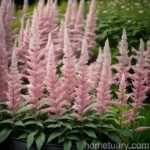
Astilbe plants are characterized by their attractive, airy plumes of tiny flowers, which can be found in shades of white, pink, lavender, and red. The deeply lobed, elegant foliage closely resembles that of ferns, adding a soft and feathery texture to the garden. This combination of striking blooms and lush foliage makes astilbe an exquisite addition to any landscape.
Key Takeaways – Astilbe (Astilbe simplicifolia)
Before delving into the specifics of astilbe care, it’s essential to highlight some key takeaways about this remarkable plant. Here are the core aspects to keep in mind when considering the cultivation of astilbe:
- Versatile and Adaptable: Astilbe is known for its versatility and ability to thrive in shaded areas, making it an ideal choice for woodland gardens, borders, and other low-light landscapes.
- Elegant Foliage and Flowers: The feathery, fern-like foliage and airy plumes of flowers lend astilbe a graceful and sophisticated appearance, adding a touch of elegance to any garden setting.
- Variety of Colors and Sizes: With a diverse range of flower colors and sizes, astilbe offers abundant options for gardeners seeking vibrant and customizable displays.
Now that we’ve established a foundational understanding of astilbe, let’s explore the various elements of its care and cultivation in detail.
Culture
Cultivating astilbe successfully involves understanding its cultural requirements, which encompass a range of factors such as water, sunlight, soil, and fertilizer. By creating an environment that aligns with these needs, you can ensure the optimal growth and health of your astilbe plants.
Uses
Astilbe is valued for its versatility and can be used in a multitude of garden settings and applications. Here are some common uses for astilbe:
- Woodland Gardens: Astilbe’s preference for shaded areas makes it an excellent choice for woodland gardens, where it can thrive under the dappled shade of trees and larger plants.
- Borders and Edging: The striking plumes of astilbe flowers make it an attractive addition to borders and edges, providing a delicate and elegant border for garden beds.
- Container Gardening: Certain varieties of astilbe are well-suited for container gardening, allowing you to enjoy their beauty on patios, balconies, and other confined spaces.
These versatile uses highlight the adaptability and visual appeal of astilbe, making it a valuable asset in a variety of garden settings.
Water
Proper watering is crucial for the health and vigor of astilbe plants. As a general rule, astilbe prefers consistently moist soil, particularly in the initial stages of growth and during periods of active blooming. Here are some key watering tips for astilbe care:
- Consistent Moisture: Ensure that the soil remains consistently moist, especially during the hot summer months, to support the lush growth of astilbe.
- Mulching: Applying a layer of mulch around the base of astilbe plants can help retain soil moisture and prevent excessive evaporation.
By adhering to these watering guidelines, you can maintain the ideal moisture levels that astilbe requires to flourish.
Sunlight
While astilbe is renowned for its ability to thrive in shaded areas, it also has specific sunlight needs that should be considered for optimal growth. Here are the key sunlight requirements for astilbe care:
- Partial Shade to Full Shade: Astilbe flourishes in partial shade to full shade conditions, where it can benefit from protection against intense sunlight.
- Morning Sunlight: In areas with cooler climates, astilbe can tolerate morning sun, as long as it is shielded from the harsh afternoon sun.
Understanding and accommodating astilbe’s sunlight preferences are essential for creating an environment conducive to its overall well-being.
Fertilizer
Applying an appropriate fertilizer regimen can contribute to the robust growth and abundant flowering of astilbe. Consider the following fertilizer guidelines for optimal astilbe care:
- Balanced Fertilizer: Use a balanced, slow-release fertilizer with an N-P-K ratio of 10-10-10 in the early spring or late fall.
- Application Frequency: Apply the fertilizer once in early spring and again in midsummer to provide a consistent supply of nutrients.
By incorporating these fertilization practices, you can support the vigor and vitality of your astilbe plants, promoting healthy foliage and prolific flowering.
Soil
Astilbe thrives in well-draining, rich, and slightly acidic soil. When it comes to soil requirements, consider the following recommendations for cultivating astilbe:
- Well-Draining Soil: Ensure that the soil is well-draining to prevent waterlogging, which can lead to root rot and other potential issues.
- Amended Soil: Incorporate organic matter such as compost or peat moss into the soil to improve its texture and fertility.
By optimizing the soil conditions to align with astilbe’s preferences, you can provide an ideal growing medium for these exquisite plants.
Pruning
Pruning plays a key role in shaping the growth and appearance of astilbe while promoting overall plant health. Here are some essential pruning techniques for astilbe care:
- Deadheading: Regularly remove spent blooms to encourage continuous flowering and maintain a tidy appearance.
- Post-Blooming Pruning: After the blooming period, trim back the spent flower stems and any damaged or discolored foliage to rejuvenate the plant.
By incorporating these pruning practices, you can foster the ongoing beauty and vitality of your astilbe plants.
Propagation
Astilbe can be propagated through several methods, including division and seed propagation. Here are the primary propagation methods for astilbe:
- Division: Divide mature astilbe plants in the early spring to create new plants with established roots.
- Seed Propagation: Sow astilbe seeds indoors in early spring, then transplant the seedlings into the garden after the last frost date.
Engaging in these propagation methods can enable you to expand your astilbe collection and introduce new plants to your garden landscape.
Container Popularity
The popularity of astilbe in container gardening has been on the rise, as gardeners seek to incorporate its graceful beauty into confined spaces such as patios, balconies, and small gardens. The compact growth habit and appealing foliage and flowers of certain astilbe varieties make them well-suited for container cultivation.
Container Gardening Tips
When growing astilbe in containers, keep the following tips in mind to ensure successful cultivation:
- Appropriate Container Size: Select a container that provides ample space for the root system to spread and develop, accommodating the specific needs of the astilbe variety.
- Drainage Holes: Ensure that the container has adequate drainage holes to prevent waterlogging and maintain the ideal soil moisture levels.
- Regular Watering: Monitor the moisture levels in the container and water as needed to sustain the necessary moisture for astilbe growth.
By adhering to these container gardening practices, you can enjoy the elegance of astilbe in confined spaces, enhancing the visual appeal of your outdoor setting.
Common Diseases
Astilbe is generally resistant to most diseases, but certain environmental conditions and cultural practices can make it susceptible to issues such as powdery mildew and leaf spot. Understanding these common diseases and their diagnosis is essential for implementing proactive measures to protect astilbe plants.
Disease Diagnosis
When inspecting astilbe for signs of disease, be on the lookout for the following symptoms that may indicate common issues:
- Powdery Mildew: Look for powdery, white spots on the foliage, which can be indicative of powdery mildew.
- Leaf Spot: Observe for circular, dark spots on the leaves, signaling the presence of leaf spot disease.
By promptly identifying and responding to these disease symptoms, you can mitigate their impact and safeguard the health of your astilbe plants.
Common Pests
While astilbe is generally resistant to most pests, it may occasionally encounter issues with pests such as slugs and snails, which are attracted to its lush foliage. Understanding these common pests and implementing pest control measures can help protect astilbe from potential damage.
Pest Control
Here are some effective pest control strategies to manage common pests that may affect astilbe:
- Natural Predators: Encourage the presence of natural predators such as birds and predatory insects that can feed on pests like slugs and snails.
- Barrier Methods: Utilize physical barriers such as copper tape or diatomaceous earth to deter slugs and snails from accessing the plants.
By applying these pest control tactics, you can maintain the pristine appearance and health of your astilbe plants, deterring potential pest damage.
Botanist’s Tips
As a botanist, I have had the privilege of studying and appreciating the unique characteristics of astilbe. From my extensive experience, here are some specialized tips for cultivating and appreciating this exquisite plant:
- Companion Planting: Pair astilbe with shade-loving companions such as hostas, ferns, and heucheras to create visually captivating garden designs in shaded areas.
- Mixed Border Plantings: Incorporate astilbe into mixed perennial beds to introduce varied textures and colors, contributing to dynamic and vibrant garden landscapes.
By applying these botanist’s tips, you can amplify the aesthetic appeal and ecological value of astilbe within your garden setting.
Fun Facts
To further deepen your appreciation of astilbe, here are some intriguing fun facts about this captivating plant:
- Celebrated for Bridal Bouquets: Certain astilbe varieties are prized for their delicate, feathery plumes and are commonly used in bridal bouquets and floral arrangements.
- Attracts Beneficial Insects: The nectar-rich flowers of astilbe can attract beneficial insects such as bees and butterflies, contributing to ecological diversity in the garden.
These fun facts offer insights into the cultural and ecological significance of astilbe, elevating its allure as a cherished garden plant.
Links to External Resources
For additional information and resources on astilbe care and cultivation, I recommend exploring the following links:
- The American Horticultural Society’s A-Z Encyclopedia of Garden Plants
- Royal Horticultural Society: Astilbe
- University of Missouri Extension: Astilbe
- The Ohio State University: Diseases of Astilbe
These reputable resources offer in-depth insights and guidance on various aspects of astilbe culture and horticulture, enriching your knowledge and expertise in cultivating this enchanting plant.
In conclusion, astilbe stands as a botanical gem, admired for its delicate beauty and adaptability in shaded landscapes. By embracing the nuances of astilbe care and cultivation, you can foster the growth of these exquisite plants and revel in the timeless elegance they bring to garden settings.
I hope this comprehensive guide serves as a valuable resource as you embark on your journey of astilbe cultivation and appreciation. May the ethereal allure of astilbe grace your garden with enduring charm and splendor.
Happy gardening!