Plant Scientist’s Guide to Aster novae-angliae ‘Treasure’ (New England Aster)
Aster novae-angliae ‘Treasure,’ commonly known as New England Aster, is a stunning perennial plant renowned for its vibrant blooms and its ability to attract pollinators. As a plant scientist, I am thrilled to impart a comprehensive guide on the culture, uses, care, and maintenance of this delightful cultivar. Throughout this in-depth analysis, we will explore the best practices for cultivating and enjoying the New England Aster, along with essential tips on maximizing its ornamental and ecological value in your garden or landscape.
What is Aster novae-angliae ‘Treasure’ (New England Aster)?
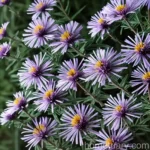
Aster novae-angliae ‘Treasure’ is a distinct cultivar of the Aster novae-angliae species, which is native to North America. The plant belongs to the Asteraceae family and is renowned for its profusion of daisy-like flowers that adorn its upright, bushy stems. The ‘Treasure’ variety is celebrated for its beautiful violet-purple blooms, adding a splash of color to late-season landscapes and gardens. It typically reaches a height of 2 to 5 feet, making it an excellent choice for both garden borders and mixed perennial plantings.
The New England Aster’s attractive appearance, coupled with its role as a pollinator magnet, has established it as a sought-after addition to gardens, naturalistic landscapes, and wildlife habitats. In the following sections, we will delve into the various aspects of cultivating and caring for this captivating plant.
Key Takeaways – Aster novae-angliae ‘Treasure’ (New England Aster)
Before we delve into the specifics of culture, care, and uses, let’s take a moment to highlight the key takeaways associated with the ‘Treasure’ Aster novae-angliae. Here’s a quick summary of what we’ll cover:
- Culture: Understanding the preferred growing conditions and environmental requirements for the New England Aster.
- Uses: Exploring the versatile uses of Aster novae-angliae in gardens, landscapes, and ecological settings.
- Water: Addressing the water needs and best practices for irrigation.
- Sunlight: Determining the optimal sunlight exposure for healthy growth and abundant flowering.
- Fertilizer: Implementing appropriate fertilization practices to support vigorous growth and blooming.
- Soil: Assessing the soil requirements and ideal soil conditions for New England Asters.
- Pruning: Learning the significance of pruning and the techniques for maintaining a well-shaped plant.
- Propagation: Exploring the methods of propagating Aster novae-angliae through division, cuttings, or seeds.
- Container Popularity: Evaluating the potential for growing New England Asters in containers.
- Common Diseases: Identifying prevalent diseases and providing insights into effective disease management.
- Common Pests: Understanding the common pests that may affect New England Asters and implementing strategies for pest control.
Now that we have outlined the key areas of focus, let’s embark on our exploration of the beautiful and beneficial Aster novae-angliae ‘Treasure.’
Culture
Cultivating Aster novae-angliae ‘Treasure’ successfully begins with understanding its preferred cultural conditions. By optimizing the growing environment, you can ensure that the plant thrives and delivers an exceptional display of blooms. Here are the key cultural considerations for nurturing New England Asters:
-
Hardiness Zone: New England Asters, including the ‘Treasure’ cultivar, are generally well-suited to hardiness zones 3 to 8. They thrive in regions with cold winters and relatively moderate summers, making them a popular choice across a wide geographic range.
-
Planting Time: Spring is the ideal time for planting container-grown or bare-root New England Asters. This allows the plants to establish their root systems before the onset of winter.
-
Spacing: When planting multiple New England Aster specimens, ensure a spacing of approximately 18 to 24 inches between plants. This spacing allows for adequate air circulation and prevents overcrowding as the plants mature.
-
Companion Planting: New England Asters complement a wide range of flowering perennials and ornamental grasses. Consider pairing them with plants such as Black-Eyed Susans (Rudbeckia), Coneflowers (Echinacea), and ornamental grasses like Little Bluestem (Schizachyrium scoparium) to create visually appealing and ecologically beneficial combinations in the landscape.
-
Wildlife Habitat: Incorporating New England Asters into wildlife-friendly garden designs can attract various pollinators, including butterflies, bees, and other beneficial insects. The nectar-rich blooms serve as a valuable food source, supporting biodiversity in the garden or naturalistic landscape.
Uses
The beauty and ecological significance of New England Asters render them versatile in terms of their uses. Whether in formal garden settings, naturalistic landscapes, or ecological restoration projects, the ‘Treasure’ Aster novae-angliae cultivar offers an array of applications. Here are some of the primary uses of this enchanting plant:
Garden Ornament
-
Late-Season Color: With its charming violet-purple blooms, the ‘Treasure’ Aster adds a delightful burst of late-season color to garden borders, mixed perennial beds, and cottage gardens. Its ornamental value is particularly pronounced in late summer and early autumn when many other plants are past their prime.
-
Cut Flowers: The long-lasting cut flowers of New England Asters make them a popular choice for floral arrangements and bouquets. Their vibrant hues and robust stems contribute to stunning indoor floral displays.
Ecological Landscaping
-
Pollinator Gardens: New England Asters play a vital role in pollinator gardens, attracting and nourishing a diverse range of pollinating insects. By integrating them into garden designs, you can contribute to the conservation of pollinators and support local ecosystems.
-
Wildlife Habitat: The foliage and flowers of New England Asters provide cover and food for various insects and small wildlife, aligning with the principles of wildlife-friendly gardening and habitat restoration.
Naturalistic Landscapes
- Meadow Plantings: In meadow and prairie restorations or naturalistic landscapes, New England Asters contribute to the visual tapestry and ecological balance. Their presence enhances the biodiversity of these landscapes while offering striking displays of color in late summer and early autumn.
Water
Effective watering practices are crucial for maintaining the health and vigor of Aster novae-angliae ‘Treasure.’ While these plants establish relatively deep root systems that exhibit some drought tolerance, consistent moisture levels are essential, especially during their active growth and blooming periods. Here are the key points to consider regarding watering requirements for New England Asters:
-
Establishment Period: During the initial establishment phase after planting, provide regular watering to facilitate robust root development. This is particularly important for container-grown or newly transplanted specimens.
-
Moisture Levels: Aim for evenly moist but not waterlogged soil. Avoid allowing the soil to dry out completely, as prolonged drought stress can affect blooming and overall plant health.
-
Mulching: Applying a layer of organic mulch around the base of the plants helps conserve soil moisture, suppress weed growth, and maintain a more stable soil temperature. Mulching is particularly beneficial during hot and dry spells.
-
Container-Grown Asters: For New England Asters cultivated in containers, monitor the moisture levels consistently, as containers may dry out more rapidly than garden soil. Adjust your watering frequency based on environmental conditions and the moisture retention properties of the potting mix.
Sunlight
Aster novae-angliae ‘Treasure’ thrives in locations that receive ample sunlight, making it an ideal addition to sunny garden beds and borders. The plant’s requirements for sunlight exposure are as follows:
-
Full Sun: New England Asters are best suited to full sun conditions, where they receive a minimum of 6 to 8 hours of direct sunlight daily. In regions with hot summers, some afternoon shade may be beneficial to prevent stress from intense heat and sunlight.
-
Sun-Partners: When planning the placement of New England Asters in the landscape, consider their compatibility with other sun-loving perennials and ornamental grasses. Grouping them with companions that share similar light requirements can enhance the overall visual appeal of the planting scheme.
-
Indoor Cultivation: If you are growing New England Asters indoors for transplanting or as potted specimens, ensure they receive bright, indirect sunlight. South-facing windows or supplemental grow lights can provide the necessary light levels for healthy growth.
Fertilizer
Appropriate fertilization practices contribute to the overall health and vigor of New England Asters, enabling them to produce an abundance of vibrant blooms. While the plants are relatively low-maintenance, providing adequate nutrients can enhance their performance. Consider the following guidelines for fertilizing Aster novae-angliae ‘Treasure’:
-
Soil Testing: Before applying fertilizers, conduct a soil test to determine the existing nutrient levels and pH of the soil. This analysis can guide your fertilizer selection and application rates, ensuring that you provide the appropriate nutrients without over-fertilizing.
-
Balanced Fertilizer: Select a balanced, slow-release fertilizer with relatively equal proportions of nitrogen, phosphorus, and potassium (e.g., 10-10-10 or 12-12-12). Apply the fertilizer in early spring as new growth emerges, following the recommended rates based on the specific product and your soil test results.
-
Top Dressing: Applying a layer of compost or well-decomposed organic matter around the base of the plants in spring can provide a source of slow-release nutrients and support soil health. This organic amendment enriches the soil and enhances its ability to retain moisture and nutrients.
-
Avoid Excess Nitrogen: While nitrogen is essential for promoting healthy foliage and blooming, excessive nitrogen can result in lush foliage at the expense of flower production. Ensure a balanced approach to fertilization to avoid overstimulation of vegetative growth.
-
Container-Grown Asters: For New England Asters cultivated in containers, use a balanced, water-soluble fertilizer formulated for flowering perennials. Follow the manufacturer’s recommendations for application frequency and dosage to maintain optimal nutrient levels in the potting mix.
Soil
The soil composition and quality profoundly influence the growth and performance of Aster novae-angliae ‘Treasure.’ Understanding the soil requirements and implementing appropriate amendments is crucial for ensuring the long-term health and vigor of New England Asters. Here’s what you need to know about the ideal soil conditions for this cultivar:
-
Well-Drained Soil: New England Asters prefer loamy, well-drained soils that provide adequate aeration and moisture retention without becoming waterlogged. Amending heavy clay soils with organic matter, such as compost or peat moss, can enhance drainage and create a more hospitable growing environment.
-
Soil pH: Aim for a slightly acidic to neutral pH range of 6.0 to 7.0. Conduct a soil test to assess the pH of the planting area, and if necessary, make adjustments using suitable amendments to achieve the desired pH level.
-
Organic Matter: Incorporating organic matter into the soil during planting or as a top dressing contributes to soil fertility, structure, and microbial activity. Compost, well-rotted manure, or leaf mold can enrich the soil and support the long-term health of New England Asters.
-
Site Preparation: Prior to planting, prepare the soil by removing weeds, debris, and large rocks. Work the soil to loosen it and create a planting area that is conducive to root establishment and expansion.
-
Container Media: For growing New England Asters in containers, utilize a well-draining, high-quality potting mix that offers good aeration and water retention. Consider adding perlite or coarse sand to improve drainage and prevent compaction in the potting medium.
-
Soil Amendments: In subsequent years, consider providing an annual top dressing of compost or organic matter around the base of the plants to replenish nutrients and enhance soil structure. These amendments contribute to the sustained vitality of New England Asters in the garden or landscape.
Pruning
Pruning is an essential aspect of ensuring the aesthetic appeal and longevity of Aster novae-angliae ‘Treasure’ plants. Proper pruning not only maintains an attractive form but also promotes air circulation, reduces disease risk, and encourages a robust display of flowers. Here are the essential pruning considerations for New England Asters:
-
Spring Pruning: In early spring, as new growth emerges, conduct light pruning to remove any dead, damaged, or diseased stems. This rejuvenates the plant and encourages the development of healthy new growth.
-
Pinching: To enhance bushiness and encourage additional flowering shoots, consider pinching back the growing tips of young New England Aster plants in late spring or early summer. This practice stimulates branching and leads to a more floriferous display later in the season.
-
Deadheading: Promptly remove spent flowers by deadheading, cutting the stems back to a pair of healthy leaves or lateral shoots. Deadheading encourages continuous blooming and prevents the formation of seeds, redirecting the plant’s energy into producing additional flowers.
-
Fall Cleanup: After the flowering period concludes in fall, conduct a thorough cleanup to remove any remaining foliage and spent flower heads. This autumn maintenance minimizes overwintering pests and diseases and helps prepare the plants for the following growing season.
-
Division: Over time, New England Asters may benefit from occasional division to rejuvenate congested clumps and promote vigorous growth. In early spring or early autumn, consider dividing mature plants every few years to maintain their vigor.
Propagation
Understanding the methods of propagating Aster novae-angliae ‘Treasure’ is valuable for expanding your plant collection or sharing this delightful cultivar with fellow gardening enthusiasts. New England Asters can be propagated through several techniques, each with its own requirements and advantages. Here are the primary methods of propagating the ‘Treasure’ Aster novae-angliae cultivar:
-
Division: Propagation by division involves separating the root mass and crown of an established plant into multiple sections, each with its own set of roots and stems. Division is typically performed in early spring or early autumn to coincide with the plant’s period of dormancy or reduced growth.
-
Cuttings: Propagation by stem cuttings involves taking healthy, non-flowering shoots from a mature plant and rooting them to produce new, genetically identical plants. Softwood or semi-ripe cuttings taken in late spring or early summer can be successfully used to propagate New England Asters.
-
Seed sowing: New England Asters can also be propagated from seeds, allowing for genetic diversity and the potential for new variations. Collect seeds from mature flower heads in autumn and sow them in a prepared seedbed or containers in early spring. Provide favorable conditions for germination and seedling growth, including consistent moisture and suitable temperatures.
-
Propagation considerations: Regardless of the chosen method, ensure that the propagation medium or soil mix is well-draining and sterile to prevent the development of diseases and promote healthy root development. Maintain adequate moisture levels and favorable environmental conditions to support successful root establishment and subsequent growth.
Container Popularity
The ‘Treasure’ Aster novae-angliae variety is well-suited to container cultivation, offering a versatile means of incorporating its beauty and ecological benefits into various outdoor spaces, including patios, balconies, and small gardens. When growing New England Asters in containers, consider the following guidelines for successful cultivation:
-
Container Selection: Choose large, sturdy containers with drainage holes to accommodate the vigorous growth and root development of New England Asters. Select containers that complement the aesthetic appeal of the plants and provide ample space for the root system.
-
Potting Mix: Utilize a high-quality, well-draining potting mix formulated for flowering perennials or ornamental plants. Consider augmenting the mix with perlite or coarse sand to improve aeration and prevent waterlogging.
-
Watering: Monitor the moisture levels in the container consistently and provide regular, even watering to prevent the potting mix from drying out excessively. Consider using a saucer or tray under the containers to capture excess water and prevent water damage to surfaces.
-
Sunlight Exposure: Position the containers in locations that receive adequate sunlight, ensuring that New England Asters receive at least 6 to 8 hours of direct sunlight daily. Rotate the containers periodically to promote uniform growth and flowering.
-
Overwintering: In regions with harsh winter conditions, provide protection for container-grown New England Asters by moving the containers to sheltered locations or insulating them to prevent extreme cold exposure. Consider mulching the soil surface to stabilize temperatures and protect the roots from freezing temperatures.
-
Fertilization: Apply a balanced, water-soluble fertilizer to container-grown Asters according to the manufacturer’s recommendations to provide the necessary nutrients for healthy growth and flowering.
Container cultivation offers the flexibility to showcase the ‘Treasure’ Aster novae-angliae in elevated or confined spaces, expanding the opportunities for enjoying its captivating presence and ecological contributions.
Common Diseases
Despite their resilient nature, New England Asters, including the ‘Treasure’ cultivar, may be susceptible to certain diseases under unfavorable growing conditions or environmental stress. Familiarizing yourself with the common diseases and their management strategies is essential for preserving the health and beauty of these plants. Here are the primary diseases that may affect Aster novae-angliae and their associated symptoms:
-
Powdery Mildew: Powdery mildew appears as a powdery, white or gray fungal growth on the leaves and stems of affected plants. It thrives in humid conditions and can lead to leaf distortion and premature leaf drop. To manage powdery mildew, promote air circulation, avoid overhead watering, and apply fungicidal sprays if necessary.
-
Aster Yellows: Aster yellows is a phytoplasma-based disease that causes yellowing, stunting, and deformity of plant tissues, including the flowers and leaves. Infected plants may exhibit abnormal growth and fail to produce typical flower coloration. There is no cure for aster yellows, and affected plants should be promptly removed to prevent the disease from spreading.
-
Botrytis Blight: Botrytis blight, or gray mold, manifests as fuzzy, gray fungal growth on decaying flower petals and plant tissues. This disease thrives in damp, crowded conditions and can lead to the collapse of affected plant parts. Ensure proper spacing and air circulation, and promptly remove and discard affected plant material to prevent the spread of the disease.
-
Root Rots: Various root-rotting pathogens, including Phytophthora and Pythium species, can affect New England Asters, especially in waterlogged or poorly drained soils. Symptoms include wilting, yellowing of foliage, and decay of the root system. Improve drainage, avoid overwatering, and use pathogen-free planting material to prevent root rots.
-
Leaf Spots: Fungal leaf spot diseases can cause round or irregularly shaped lesions on the leaves of New England Asters. These spots may appear as brown, black, or discolored areas, affecting the overall appearance of the foliage. Manage leaf spots by promoting good air circulation, avoiding overhead watering, and removing and disposing of affected leaves.
Vigilant monitoring, proper cultural practices, and early intervention are crucial for mitigating the impact of diseases and preserving the health of Aster novae-angliae ‘Treasure’ plants.
Disease Diagnosis
Effective disease diagnosis is essential for implementing timely and targeted management strategies. When observing changes in the health or