Aster novae-angliae ‘Harrington’s Pink’ (New England Aster): A Comprehensive Plant Guide
Aster novae-angliae ‘Harrington’s Pink’, commonly known as the New England Aster, is a stunning perennial plant that belongs to the Asteraceae family. This beautiful plant is cherished for its delicate pink daisy-like flowers and its contribution to late-season garden color. Aster novae-angliae ‘Harrington’s Pink’ is a wonderful addition to any garden, but successfully cultivating it requires a good understanding of its specific cultural needs and growing conditions.
In this comprehensive guide, we will delve into the fascinating world of Aster novae-angliae ‘Harrington’s Pink’, exploring its characteristics, care tips, best growing conditions, planting guide, varieties, maintenance, and much more. Whether you are a seasoned gardener or just beginning your horticultural journey, this guide will equip you with the knowledge and insights needed to cultivate and care for this enchanting plant.
What is Aster novae-angliae ‘Harrington’s Pink’ (New England Aster)?
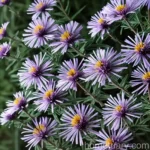
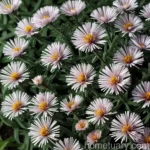
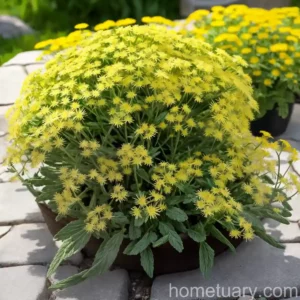
Aster novae-angliae ‘Harrington’s Pink’ is a herbaceous perennial plant that is native to North America. It is characterized by its upright, clump-forming growth habit, reaching a height of 3 to 5 feet and a spread of 2 to 3 feet. The plant produces an abundance of stunning pink daisy-like flowers with yellow centers, which emerge in late summer and continue to bloom into the fall, creating a beautiful display of color in the garden.
The lance-shaped leaves of Aster novae-angliae ‘Harrington’s Pink’ are dark green and slightly hairy, adding texture and interest to the plant. This hardy perennial is known for its resilience and ability to thrive in various growing conditions, making it a popular choice for gardeners seeking to enhance their late-season landscape with vibrant blooms.
Key Takeaways – Aster novae-angliae ‘Harrington’s Pink’ (New England Aster)
Culture
- Hardiness Zone: 3-8
- Plant Type: Herbaceous Perennial
- Mature Height: 3-5 feet
- Mature Spread: 2-3 feet
- Blooming Period: Late summer to fall
- Growth Habit: Upright, Clump-forming
Uses
- Garden borders
- Cottage gardens
- Pollinator gardens
- Landscaping for late-season color
Water
- Regular watering, especially during the establishment phase
- Ensure well-draining soil to prevent waterlogging
Sunlight
- Full sun to partial shade
- Requires at least 6 hours of sunlight daily for optimal flowering
Fertilizer
- Balanced, slow-release fertilizer in spring
- Avoid excessive nitrogen, which can lead to leggy growth and reduced flowering
Soil
- Well-draining, loamy soil
- Slightly acidic to neutral pH
- Tolerant of a wide range of soil types
Pruning
- Pinching back in early summer to promote bushier growth and more flowers
- Deadhead spent blooms to prolong flowering period
Propagation
- Division in spring or fall
- Seed propagation
Container Popularity
- Well-suited to container gardening
- Ensure adequate space for root development
- Regular watering and fertilization
New England Aster ‘Harrington’s Pink’ – Best Growing Conditions
Aster novae-angliae ‘Harrington’s Pink’ thrives in a set of specific conditions, and providing these will ensure optimal growth and abundant flowering. Understanding the plant’s requirements in terms of water, sunlight, soil, and other factors is crucial for successful cultivation.
Water
Proper watering is essential for the health and vigor of Aster novae-angliae ‘Harrington’s Pink’. While the plant displays some drought tolerance once established, it is important to maintain consistent moisture, especially during the initial growth stages and flowering period. However, it is equally vital to ensure that the soil has good drainage to prevent waterlogging, which can lead to root rot and other issues.
Sunlight
Aster novae-angliae ‘Harrington’s Pink’ thrives in full sun to partial shade. It is important to provide the plant with a minimum of 6 hours of direct sunlight daily to encourage robust flowering and sturdy growth. In regions with hot summers, partial shade during the hottest part of the day can be beneficial, especially in preserving soil moisture.
Fertilizer
Applying a balanced, slow-release fertilizer in the spring, before new growth emerges, helps support the plant’s nutritional needs throughout the growing season. It is important to avoid excessive nitrogen, as this can lead to excessive foliar growth at the expense of flowers. A soil test can help determine any specific nutrient deficiencies that need to be addressed.
Soil
Aster novae-angliae ‘Harrington’s Pink’ thrives in well-draining, loamy soil with a slightly acidic to neutral pH. While the plant is tolerant of a wide range of soil types, it is essential to ensure that the soil does not become waterlogged, as this can lead to root issues. Amending heavy clay soils with organic matter can improve drainage and create a more favorable growing environment for the plant.
‘Harrington’s Pink’ New England Aster – Maintenance and Care Tips
Effectively maintaining and caring for Aster novae-angliae ‘Harrington’s Pink’ enables the plant to reach its full potential, producing an abundance of vibrant blooms and contributing to a beautiful, thriving garden landscape. From pruning to pest control, here are some essential maintenance and care tips for cultivating this stunning plant.
Pruning
Pruning plays a crucial role in promoting the health and vigor of Aster novae-angliae ‘Harrington’s Pink’ and maximizing its blooming potential. Pinching back the stems in early summer, when they reach a height of 12-18 inches, encourages bushier growth and results in more compact, floriferous plants. Deadheading spent blooms throughout the flowering period also helps prolong flowering and maintains the plant’s neat appearance.
Propagation
Aster novae-angliae ‘Harrington’s Pink’ can be propagated through division or seed propagation. Division is typically carried out in the spring or fall, with the plant being carefully lifted and divided into smaller sections, each with a healthy root system. Seed propagation is another viable method, and it involves collecting and sowing seeds in a prepared seedbed for germination.
Container Gardening
The New England Aster ‘Harrington’s Pink’ is well-suited to container gardening, offering an opportunity to enjoy its beauty on patios, balconies, or other outdoor spaces. When planting in containers, it is important to choose a pot with adequate drainage holes to prevent waterlogging. Regular watering and fertilization are crucial for ensuring the plant’s health and vitality in a container environment.
Varieties of Aster novae-angliae ‘Harrington’s Pink’
Aster novae-angliae ‘Harrington’s Pink’ is available in several appealing varieties, each with unique characteristics and qualities that contribute to the diversity and beauty of this plant species. From varying flower colors to growth habits, there are numerous options to consider when selecting a variety of Aster novae-angliae ‘Harrington’s Pink’ for your garden.
| Variety | Characteristics |
|---|---|
| Purple Dome | Compact growth, deep purple flowers |
| Barr’s Pink | Light pink flowers, compact habit |
| Andenken an Alma Pötschke | Vibrant pink blooms, robust growth |
| Alma Potschke | Vibrant pink flowers, compact form |
| Alert | Deep pink flowers, late-flowering |
Common Diseases and Pest Management
As with any plant, Aster novae-angliae ‘Harrington’s Pink’ is susceptible to certain diseases and pests that can affect its health and appearance. Being able to identify potential issues and implement effective management strategies is essential for ensuring the plant’s longevity and vitality in the garden.
Common Diseases
- Powdery Mildew: Fungal disease that appears as white powdery growth on leaves and stems. It thrives in warm, humid conditions. Ensure good air circulation and consider applying fungicidal sprays if the issue persists.
- Aster Yellows: Causes distorted growth and yellowing of leaves. There is no cure for this phytoplasma disease, so infected plants should be removed to prevent its spread to healthy specimens.
- Leaf Spot: Circular lesions with a dark margin, caused by fungal pathogens. Remove and destroy affected plant material and consider applying fungicidal treatments as a preventive measure.
Pest Control
- Aphids: These sap-sucking insects can be dislodged with a strong stream of water or controlled with insecticidal soap if their numbers become problematic.
- Japanese Beetles: Handpick beetles and consider using traps to reduce their numbers. Avoid using chemical insecticides that may harm beneficial insects.
Botanist’s Tips for Cultivating Aster novae-angliae ‘Harrington’s Pink’
Seasoned botanists and horticulturists often have valuable insights and tips for successfully cultivating specific plant species. When it comes to Aster novae-angliae ‘Harrington’s Pink’, these tips can help gardeners optimize their approach and achieve the best results.
- Soil Preparation: Prior to planting, amend the soil with organic matter such as compost to improve its structure and fertility.
- Mulching: Apply a layer of organic mulch around the base of the plant to conserve soil moisture and suppress weed growth.
- Winter Care: In regions with harsh winters, consider mulching or providing additional protection to the plant to insulate it from extreme cold and temperature fluctuations.
- Pollinator Attraction: The nectar-rich flowers of Aster novae-angliae ‘Harrington’s Pink’ attract a variety of pollinators, making it a valuable addition to pollinator-friendly gardens.
Fun Facts about Aster novae-angliae ‘Harrington’s Pink’
- The species name “novae-angliae” is Latin for “of New England,” paying homage to the plant’s native habitat.
- Asters are often associated with the September birth flower, and their late-season blooms provide a valuable food source for pollinators preparing for winter.
- Some Native American tribes historically used aster plants for medicinal purposes, including treating skin irritations and fevers.
Links to External Resources
For more in-depth information, gardening tips, and visual references, consider exploring the following resources:
-
The American Aster Society: An organization dedicated to the study, cultivation, and promotion of asters, offering valuable resources for enthusiasts.
-
Royal Horticultural Society (RHS) Plant Finder: Access a wide range of plant profiles and expert advice on cultivation and care from the UK’s leading gardening charity.
-
University Extension Services: Cooperative Extension offices offer research-based information and resources on a variety of gardening topics, including plant selection and care.
-
Gardening Forums and Communities: Online forums and communities provide a platform for exchanging ideas, seeking advice, and connecting with fellow gardeners passionate about growing plants.
In conclusion, Aster novae-angliae ‘Harrington’s Pink’ is a captivating plant that adds beauty and vibrancy to late-season gardens. By understanding its cultural requirements, best growing conditions, maintenance strategies, and more, gardeners can cultivate this stunning perennial with confidence, creating a visually stunning and ecologically valuable addition to their outdoor spaces. With the right knowledge and care, the New England Aster ‘Harrington’s Pink’ can thrive and flourish, providing a delightful floral display year after year.
As you embark on your gardening journey, may the beauty and resilience of Aster novae-angliae ‘Harrington’s Pink’ inspire and enrich your horticultural endeavors.
Remember that the journey of gardening is as rewarding as the destination, and each encounter with a plant provides an opportunity to deepen our connection with nature and cultivate a greater appreciation for the natural world. Happy gardening!
This blog post is intended for informational purposes only and does not constitute professional horticultural or botanical advice. Always consult with local gardening experts and resources for specific plant recommendations and care guidelines.
References
- “Aster novae-angliae ‘Harrington’s Pink’.” The American Aster Society. Retrieved from https://www.astersociety.org/
- Royal Horticultural Society (RHS) Plant Finder. Retrieved from https://www.rhs.org.uk/plants
- University Extension Services. Retrieved from https://search.extension.org/
- Gardening Forums and Communities. Retrieved from https://www.gardenersworld.com/