Asian Ponysfoot (Dichondra Micrantha Urb.)
Plants play a crucial role in our lives, embracing us with their natural elegance, offering a breath of fresh air, and providing a peaceful ambiance. Each.
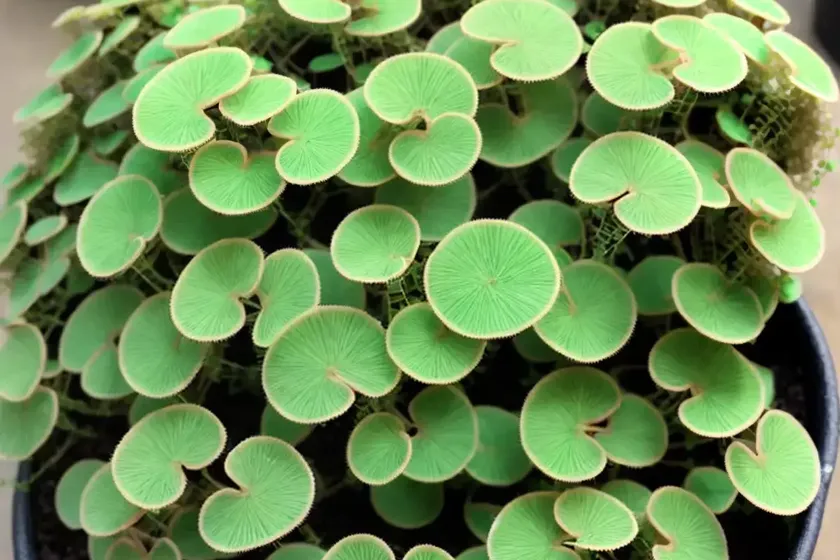
Plants play a crucial role in our lives, embracing us with their natural elegance, offering a breath of fresh air, and providing a peaceful ambiance. Each plant has its unique charm and qualities, adding to the diverse ecology of our planet. In this guide, we will delve into the intricate details of the Asian Ponysfoot (Dichondra Micrantha Urb.), uncovering its cultural significance, uses, care requirements, and much more. Let’s embark on a journey into the graceful world of the Asian Ponysfoot and understand how it can enhance your indoor and outdoor spaces.
What is the Asian Ponysfoot (Dichondra Micrantha Urb.)?
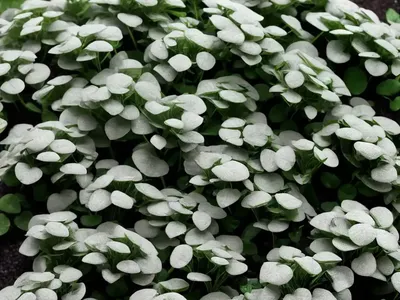
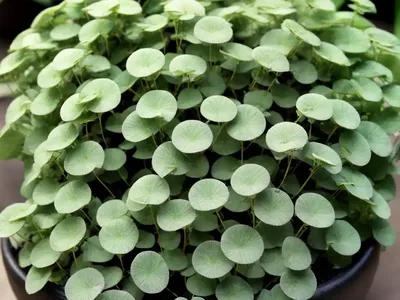
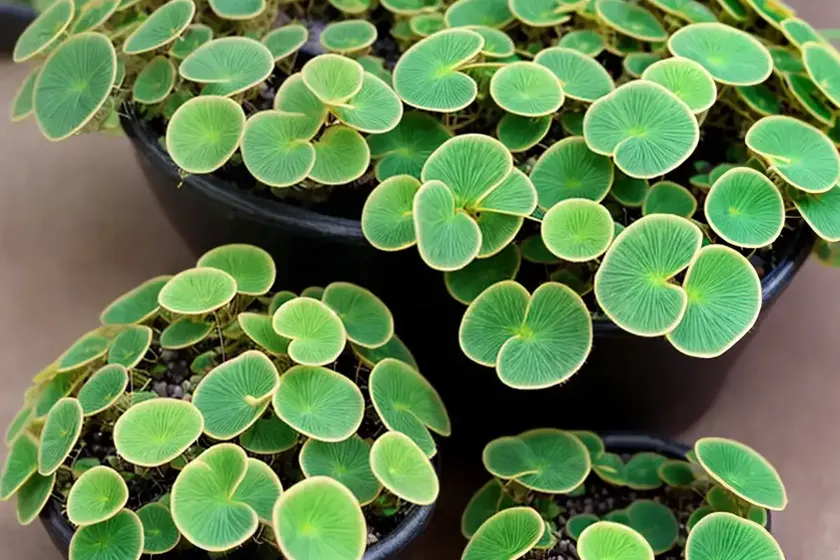
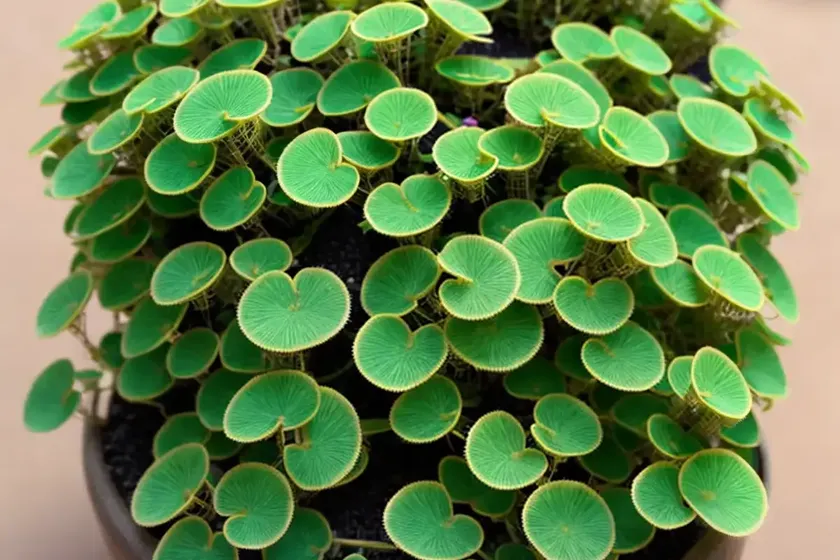
Dichondra Micrantha Urb., commonly known as the Asian Ponysfoot, is a perennial plant belonging to the Convolvulaceae family. Its native habitat includes several regions in Asia, often found in shady, moist areas such as forest floors and along riverbanks. This plant is renowned for its trailing habit, making it a popular choice for ground cover and hanging baskets. The delicate green foliage of the Asian Ponysfoot adds a touch of sophistication to gardens, making it a sought-after ornamental plant.
The Asian Ponysfoot (Dichondra Micrantha Urb.) is lauded for its versatility and ability to thrive in a variety of environments, making it an excellent option for both indoor and outdoor cultivation. Its low-maintenance nature and unique aesthetic appeal have placed it at the forefront of many gardeners’ preferences, further solidifying its position in the realm of horticulture.
Now, let’s delve deeper into the various aspects of this fascinating plant, including its culture, uses, care requirements, and much more.
Key Takeaways – Asian Ponysfoot (Dichondra Micrantha Urb.)
Culture
The cultural significance of the Asian Ponysfoot extends to various traditional practices, where it is often revered for its medicinal properties and aesthetic charm. In Asian cultures, the plant holds symbolic value and is sometimes incorporated into herbal remedies.
Uses
The uses of Dichondra Micrantha Urb. are multifaceted, ranging from ornamental landscaping to potential medicinal applications. Its ground-hugging nature and lush foliage make it an ideal choice for ground cover, while its aesthetic appeal is leveraged in indoor and outdoor landscaping projects.
Water
Asian Ponysfoot plants have moderate water requirements. They prefer consistently moist soil but should not be waterlogged. Proper drainage is essential to prevent water-related issues such as root rot.
Sunlight
While the Asian Ponysfoot thrives in partial to full shade, it can also tolerate some sunlight. However, prolonged exposure to intense sunlight may lead to leaf scorching, making it crucial to provide adequate shade in hot climates.
Fertilizer
When it comes to fertilizer, the Asian Ponysfoot benefits from a balanced, water-soluble fertilizer applied during the growing season. However, it’s essential to follow the recommended dosage to avoid overfertilization, which can be detrimental to the plant’s health.
Soil
Well-draining, fertile soil is ideal for growing Dichondra Micrantha Urb. A slightly acidic to neutral pH range is preferred, contributing to optimal growth and overall plant health.
Pruning
Minimal pruning is typically required for Asian Ponysfoot plants. However, regular maintenance to trim any overgrown or damaged foliage can promote a tidy appearance and encourage healthy growth.
Propagation
Dichondra Micrantha Urb. can be propagated through stem cuttings, layering, or division. Each method offers its unique advantages and can be employed based on the gardener’s preferences and the plant’s current condition.
Container Popularity
With its trailing growth habit, the Asian Ponysfoot is a popular choice for container gardening. Its cascading foliage adds an elegant touch to hanging baskets and mixed container arrangements, elevating the visual appeal of any space.
With these key takeaways in mind, let’s explore the care requirements and maintenance aspects of the Asian Ponysfoot in greater detail.
Asian Ponysfoot (Dichondra Micrantha Urb.) Care Guide
Proper care is essential to ensure the optimal growth and well-being of the Asian Ponysfoot. By understanding its specific requirements and implementing appropriate practices, you can cultivate thriving specimens that contribute to the beauty of your indoor and outdoor environments.
Water
Moderate and consistent watering is crucial for the Asian Ponysfoot. It is essential to monitor the soil moisture levels and water the plant when the top inch of the soil feels dry to the touch. Additionally, irrigation practices should be adjusted based on the environmental conditions, such as temperature and humidity.
Sunlight
The Asian Ponysfoot thrives in partial to full shade, making it an excellent choice for areas with limited direct sunlight. While it can tolerate some sun exposure, providing adequate shade is key to preventing leaf damage and maintaining the plant’s vibrant appearance.
Fertilizer
A balanced, water-soluble fertilizer applied at half strength during the growing season can provide the necessary nutrients for healthy growth. It is advisable to follow the manufacturer’s instructions and avoid overfertilization, which can lead to salt buildup and potential damage to the plant.
Soil
Well-draining, fertile soil with a slightly acidic to neutral pH is ideal for Dichondra Micrantha Urb. This type of soil facilitates proper root development and nutrient uptake while minimizing the risk of waterlogged conditions that can adversely affect the plant.
Pruning
Minimal pruning is generally required, focusing on removing any dead or damaged foliage and maintaining the desired shape and size of the plant. Regular inspection and light trimming can help control the growth and ensure a neat and tidy appearance.
Propagation
Propagation of the Asian Ponysfoot can be achieved through several methods, including stem cuttings and division. Each approach offers its unique advantages and can be selected based on the gardener’s experience and preferences.
Container Care
When grown in containers, the Asian Ponysfoot requires suitable potting mix and adequate drainage to prevent waterlogging. Regular monitoring of soil moisture and occasional fertilization can support healthy growth and overall plant vitality.
Common Diseases
While the Asian Ponysfoot is relatively resistant to diseases, it may be susceptible to issues such as leaf spot and powdery mildew under certain unfavorable conditions. Meticulous care and proper maintenance can help minimize the risk of disease development.
Disease Diagnosis
In the event of suspected disease issues, prompt diagnosis by observing the symptoms and, if necessary, seeking professional advice from horticulturists or plant health experts can aid in effectively addressing the problem and implementing appropriate remedies.
Common Pests
Pests such as aphids and spider mites may pose potential threats to the Asian Ponysfoot. Regular monitoring and preventive measures, along with the use of environmentally friendly pest control methods, can help safeguard the plant from pest infestations.
Botanist’s Tips
- Maintain consistent moisture levels to prevent the soil from drying out excessively, especially during hot and dry periods.
- Regularly inspect the plant for any signs of pests or diseases, addressing any issues promptly to prevent escalation.
- Consider the natural trailing habit of the Asian Ponysfoot when incorporating it into hanging baskets or container arrangements, allowing its graceful foliage to cascade elegantly.
- Experiment with different propagation methods to expand your collection of Asian Ponysfoot plants, exploring the rewarding process of nurturing new specimens from cuttings or divisions.
With these care guidelines and expert tips, you can cultivate thriving Asian Ponysfoot plants that flourish in their chosen environments, serving as captivating additions to your indoor and outdoor spaces.
Fun Facts
Unlocking the charm of the Asian Ponysfoot goes beyond its aesthetic appeal, as it offers intriguing facts and unique characteristics that add depth to its allure:
- The Asian Ponysfoot’s trailing nature and lush foliage make it a stunning choice for creating living tapestries along walkways and garden borders.
- While primarily cultivated for ornamental purposes, some traditional practices incorporate the Asian Ponysfoot’s leaves into herbal remedies known for their purported healing properties.
- This graceful groundcover plant provides an enchanting backdrop for woodland gardens and shaded landscapes, complementing other shade-tolerant species with its delicate beauty.
Discovering these fascinating aspects of the Asian Ponysfoot enriches the experience of cultivating and appreciating this remarkable plant, allowing you to tap into its captivating essence and value.
Links to External Resources
To further expand your knowledge and explore additional insights into the Asian Ponysfoot (Dichondra Micrantha Urb.), the following external resources provide valuable information and practical guidance:
By engaging with reputable resources and leveraging their expertise, you can enhance your understanding of the Asian Ponysfoot and broaden your horticultural horizons.
In conclusion, the Asian Ponysfoot (Dichondra Micrantha Urb.) stands as an embodiment of natural elegance, offering a myriad of possibilities for indoor and outdoor cultivation. Its graceful demeanor, versatile uses, and low-maintenance nature make it a prized addition to gardens, landscapes, and living spaces. By embracing its unique characteristics and tending to its specific care requirements, you can foster thriving Asian Ponysfoot plants that elevate the aesthetic appeal of their surroundings and inspire admiration from all who encounter them.
By delving into the multifaceted world of the Asian Ponysfoot (Dichondra Micrantha Urb.), we unveil its rich tapestry of culture, uses, care requirements, and more, offering invaluable insights for both novice and seasoned plant enthusiasts. If you have any further questions or would like to explore additional aspects of this fascinating plant, feel free to reach out.