Ashwagandha (Withania Somnifera)
Withania somnifera, commonly known as Ashwagandha, is a medicinal herb that has been revered for centuries in traditional Ayurvedic medicine for its.
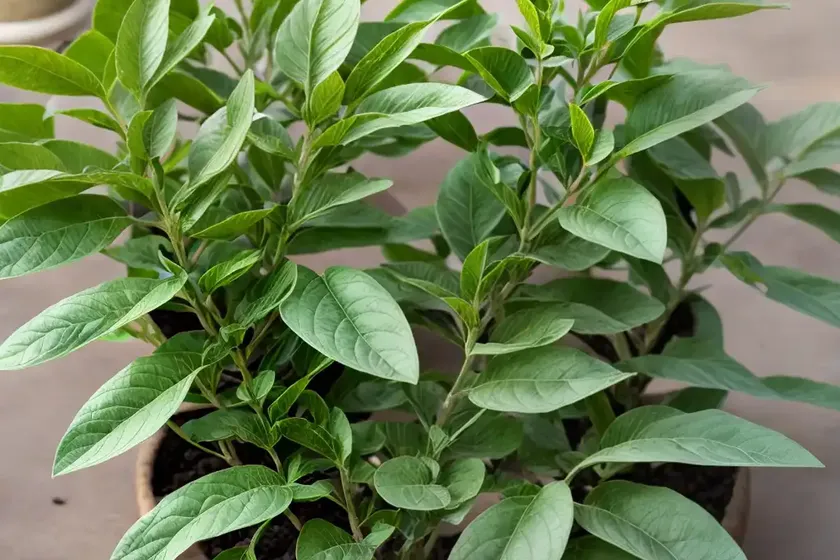
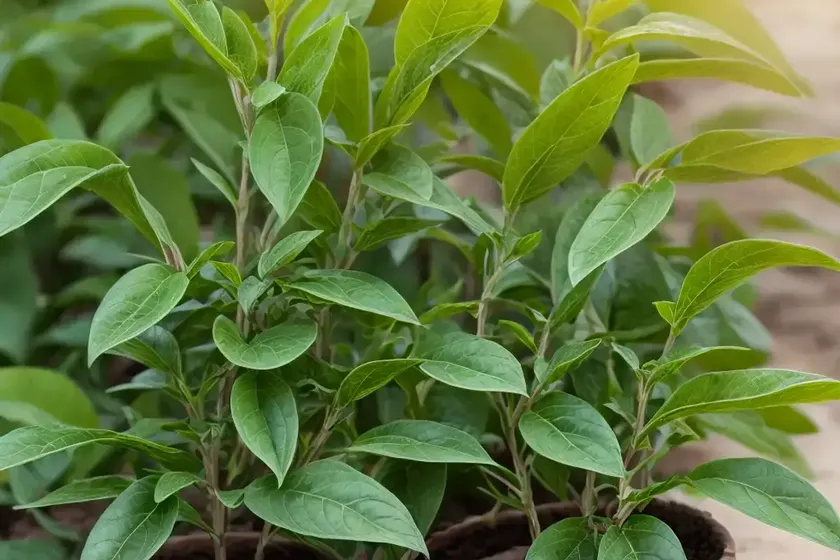
Withania somnifera, commonly known as Ashwagandha, is a medicinal herb that has been revered for centuries in traditional Ayurvedic medicine for its numerous health benefits. This herb is not only valued for its adaptogenic properties but also for its ability to enhance overall well-being. In this comprehensive guide, we will delve into the various aspects of Ashwagandha, including its cultural preferences, uses, care requirements, and its popularity as a container plant. Furthermore, we will explore common diseases and pests that affect Ashwagandha, along with tips from botanists for its cultivation. Additionally, we will unravel fun facts and provide valuable external resources for a deeper understanding of Ashwagandha.
What is Ashwagandha (Withania Somnifera)?
Ashwagandha, scientifically known as Withania somnifera, belongs to the Solanaceae family and is native to the dry regions of India, the Middle East, and parts of Africa. The plant is often referred to as ‘Indian ginseng’ due to its rejuvenating properties, although it is not botanically related to true ginseng. The name ‘Ashwagandha’ is derived from Sanskrit, where ‘Ashva’ means horse and ‘Gandha’ means smell, indicating that the herb has a strong odor similar to that of a horse.
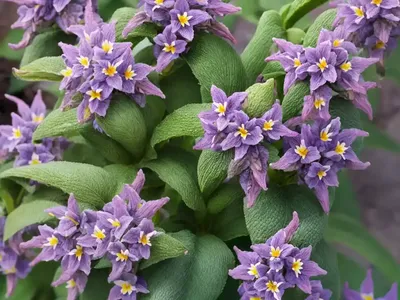
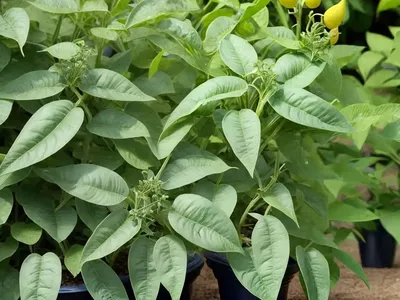
Ashwagandha is a perennial herb with small greenish-yellow flowers and orange-red fruit, typically growing to a height of 14-30 inches. It is primarily cultivated for its roots, which possess potent bioactive compounds, including alkaloids and withanolides, that contribute to its wide range of therapeutic uses.
Key Takeaways – Ashwagandha (Withania Somnifera)
Before we delve into the specifics of growing and caring for Ashwagandha, let’s explore some of the key takeaways regarding this remarkable herb:
– Ashwagandha, also known as Indian ginseng, is a highly revered herb in traditional Ayurvedic medicine.
– The roots of Ashwagandha contain bioactive compounds such as alkaloids and withanolides, contributing to its medicinal properties.
– It is valued for its adaptogenic nature, which helps the body cope with stress and promotes overall well-being.
– The herb is used for a wide range of health benefits, including stress relief, immune support, and cognitive enhancement.
– Ashwagandha can be cultivated in both traditional garden settings and containers, making it accessible for urban gardeners.
Now, let’s journey into the world of Ashwagandha cultivation and care, starting with its cultural requirements.
Culture
Uses
Ashwagandha has been integrated into various traditional medicinal systems for over 3,000 years, particularly in Ayurveda, where it is considered a ‘rasayana’ – a rejuvenating herbal remedy that promotes longevity. Its uses encompass a broad spectrum of health benefits, including:
- Stress Relief: Ashwagandha is renowned for its adaptogenic properties, aiding the body’s natural resilience to stress and anxiety.
- Cognitive Enhancement: It is believed to enhance cognitive function and memory, making it beneficial for overall brain health.
- Immune Support: The herb is used to bolster the immune system, helping the body fight off infections and diseases.
- Energy Boost: Ashwagandha is known for its rejuvenating effects, promoting vitality and overall energy levels.
- Hormonal Balance: It is utilized to regulate hormonal imbalances and support reproductive health in both men and women.
- Anti-Inflammatory Effects: The herb exhibits anti-inflammatory properties, contributing to its role in managing inflammatory conditions.
- Sleep Aid: Ashwagandha is used to promote restful sleep and alleviate insomnia.
- Adrenal Health: It aids in balancing cortisol levels and supporting optimal adrenal gland function.
Ashwagandha can be consumed in various forms, including as a powder, capsule, or as a liquid extract. It is also incorporated into teas, tonics, and topical formulations for skin-related issues.
Water
When it comes to watering Ashwagandha, it is essential to maintain a balanced approach. While the plant requires regular watering, it is crucial to avoid waterlogging the soil. Overly damp conditions can lead to root rot and other related issues. The frequency of watering should be adjusted according to the environmental conditions and the stage of growth. Typically, allowing the soil to dry slightly between waterings is advisable.
Sunlight
Ashwagandha thrives in full sunlight and warm temperatures. Providing at least 6-8 hours of direct sunlight is ideal for robust growth and the development of bioactive compounds in the roots. In regions with scorching temperatures, providing partial shade during the peak hours of the day can prevent heat stress.
Soil
The herb prefers well-draining soil with a slightly alkaline to neutral pH ranging from 7.5 to 8.0. Sandy loam or loamy soil types are suitable for cultivating Ashwagandha, ensuring that it does not become waterlogged. Incorporating organic matter such as compost or aged manure can enhance the soil structure and fertility, promoting healthy root development.
Fertilizer
Ashwagandha benefits from a balanced application of organic fertilizer, particularly during the early stages of growth and when it enters the flowering stage. An organic fertilizer high in phosphorus can support robust root growth and enhance the production of bioactive compounds. Over-fertilization should be avoided, as it can lead to excessive foliage growth at the expense of root development.
Pruning
Pruning Ashwagandha is primarily focused on removing dead or diseased foliage and spent flowers to maintain plant hygiene. Trimming back excessively leggy growth can also promote a more compact and bushy habit. However, the pruning of the roots should be minimal, as they are the primary medicinal component of the plant.
Propagation
Ashwagandha can be propagated from seeds, which should be sown in well-draining soil or seed-starting mix. The seeds typically germinate within 10-20 days under optimal conditions. Transplanting seedlings to their permanent locations should be carried out when they have developed a few sets of true leaves. Additionally, the roots of mature plants can be divided for propagation, ensuring that each division has sufficient roots and shoots for successful establishment.
Container Popularity
With the increasing popularity of urban gardening and container cultivation, Ashwagandha has gained attention as a suitable herb for container growth. Its adaptability to confined spaces, coupled with its aesthetic appeal and medicinal value, has made it a sought-after plant for enthusiastic container gardeners.
Container
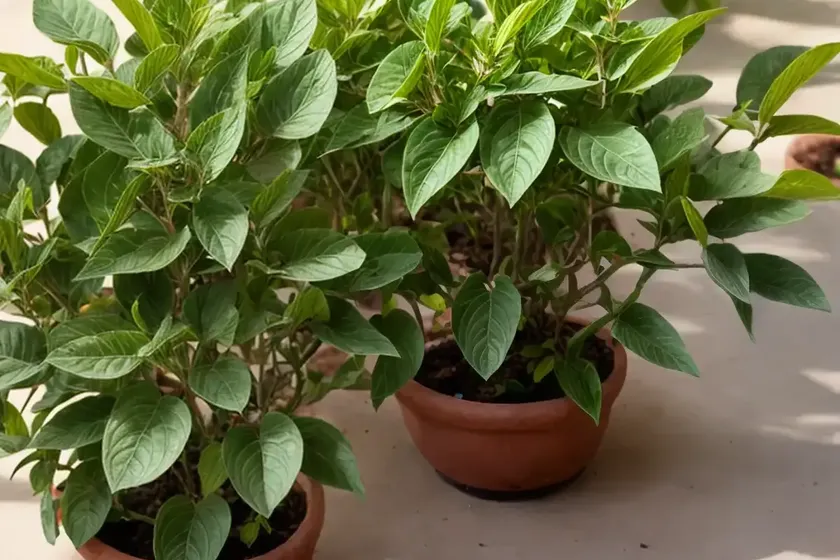
When choosing a container for Ashwagandha, opt for a sizable pot with adequate drainage holes to prevent waterlogging. This allows excess moisture to escape, safeguarding the roots from rot and fungal diseases. A container with a minimum depth of 12 inches and a diameter of 14 inches provides sufficient space for the herb’s root system to thrive. Selecting a porous material such as terracotta or a well-ventilated plastic container facilitates air circulation to the roots.
Now that we have explored the cultural preferences, uses, and container popularity of Ashwagandha, it’s essential to address the common diseases and pests that can affect this herb.
Common Diseases
Disease Diagnosis
Ashwagandha is relatively resilient against diseases when provided with suitable growing conditions. However, certain environmental factors and pathogens can lead to specific diseases, including:
- Root Rot: Excessive soil moisture due to overwatering or poor drainage can facilitate the development of root rot, characterized by wilting, yellowing foliage, and a foul odor from the roots.
- Powdery Mildew: High humidity and poor air circulation can contribute to the development of powdery mildew, manifesting as a white powdery substance on the leaves and stems.
- Leaf Spot: Dark, water-soaked lesions on the foliage are indicative of leaf spot diseases, which can be caused by various fungal pathogens under excessively damp conditions.
To diagnose and address these diseases effectively, it is crucial to monitor the plant closely and take preventive measures such as optimizing watering practices and ensuring proper air circulation. Additionally, the application of organic fungicides or neem oil can mitigate the spread of fungal diseases.
Common Pests
Ashwagandha is generally resistant to pest infestations due to its bitter and pungent compounds that act as natural deterrents. However, some pests may still pose a threat, including:
- Aphids: These small, sap-sucking insects can cluster on the undersides of leaves, causing leaf distortion and the accumulation of honeydew.
- Spider Mites: These microscopic pests can cause stippling and webbing on the leaves, affecting the plant’s overall vigor.
- Whiteflies: These tiny insects can congregate on the undersides of leaves, leading to the weakening of the plant and the transmission of viral diseases.
Regularly inspecting the foliage and stems for signs of pest activity allows for early intervention. Natural predators such as ladybugs and lacewings can aid in controlling aphid and whitefly populations. For severe infestations, insecticidal soap or neem oil can be utilized as a safe and effective remedy.
Botanist’s Tips
To ensure the successful cultivation of Ashwagandha and harness its medicinal potential, consider the following tips from experienced botanists:
– Implement a well-draining soil mix to prevent waterlogging and root diseases.
– Incorporate organic matter such as compost to enrich the soil and promote nutrient availability.
– Monitor watering practices closely, adjusting the frequency based on environmental conditions and plant growth stages.
– Provide ample sunlight to encourage the development of bioactive compounds in the roots.
– Prune as needed to maintain plant health and vigor, focusing on removing diseased or overly leggy growth.
– Embrace container cultivation to enjoy the benefits of Ashwagandha in limited spaces, ensuring proper container selection and maintenance.
– Take preventive measures to mitigate common diseases and pests, reducing the need for chemical interventions.
These insights from seasoned botanists can empower both novice and experienced gardeners to cultivate Ashwagandha successfully while maximizing its health benefits.
Fun Facts
Uncover fascinating facts about Ashwagandha that showcase its remarkable properties and historical significance:
– Ancient Origins: Ashwagandha has been used for over 3,000 years in Ayurvedic medicine, cementing its status as a time-honored remedy.
– Nectar of Immortality: In Ayurveda, Ashwagandha is considered one of the ‘rasayana’ herbs that promote longevity and vitality, earning it the title of ‘Sattvic Kapha Rasayana.’
– Rejuvenating Tonic: The herb is revered for its ability to rejuvenate the body, enhance vitality, and promote overall well-being.
– Global Recognition: Ashwagandha has garnered attention worldwide for its adaptogenic properties and diverse health benefits, leading to its incorporation into numerous wellness products.
– Cultural Significance: The plant’s name, ‘Ashwagandha,’ reflects its pungent smell, likened to that of a horse, along with the belief that consuming it can impart the strength and vitality of a horse.
These intriguing facts shed light on the rich heritage and distinctive traits of Ashwagandha, further amplifying its allure as a medicinal herb.
Links to External Resources
To deepen your knowledge and explore additional insights into Ashwagandha, consider referring to the following external resources:
- National Center for Biotechnology Information (NCBI) – Withania Somnifera: From Traditional System of Medicine to Modern Pharmacology: A Review
- World Journal of Pharmacy and Pharmaceutical Sciences – Withania Somnifera: A Potent Adaptogen
- Ayurveda: The Science of Self Healing by Dr. Vasant Lad – A comprehensive guide to Ayurvedic principles and the use of Ashwagandha
- Environmental and Experimental Botany – An overview of Withania Somnifera: An Indian ginseng
By delving into these resources, you can gain valuable perspectives on the pharmacological, traditional, and cultural aspects of Ashwagandha, enhancing your understanding of its diverse applications and significance in the realm of herbal medicine.
In conclusion, Ashwagandha, also known as Withania somnifera, continues to captivate enthusiasts and researchers alike with its versatile nature and therapeutic potential. From its traditional roots in Ayurveda to its global recognition as an adaptogenic powerhouse, this herb stands as a testament to the enduring allure of botanical remedies. By embracing the cultural uses, understanding its requirements for water, sunlight, soil, and fertilizer, and addressing common diseases and pests, we can cultivate and harness the full potential of Ashwagandha. Whether grown in traditional garden settings or within the confines of a container, Ashwagandha promises to enrich our lives with its myriad health benefits and historical significance.