Asarum Splendens (Chinese Wild Ginger)
Plants are not only a vital part of our ecosystem, but they also bring beauty, benefits, and culture to our lives. In the world of flora, there are.
Plants are not only a vital part of our ecosystem, but they also bring beauty, benefits, and culture to our lives. In the world of flora, there are countless species, each with its unique characteristics and requirements. In this comprehensive guide, we will be exploring the captivating Asarum splendens, commonly known as Chinese Wild Ginger. From its culture to uses, we will delve into every aspect, providing insights, tips, and valuable information for plant enthusiasts and gardeners.
What is Asarum splendens (Chinese Wild Ginger)?
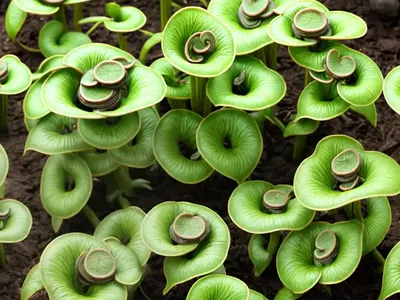
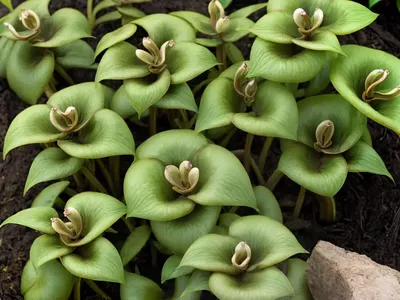
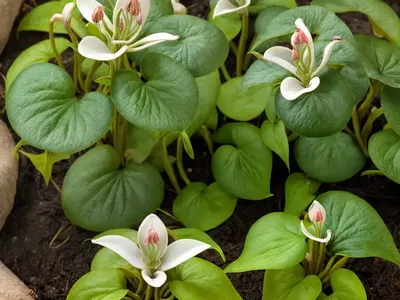
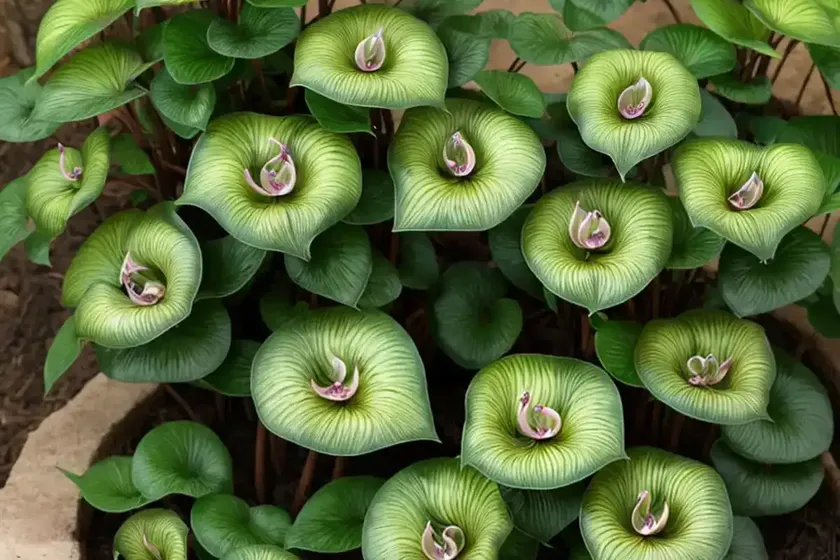
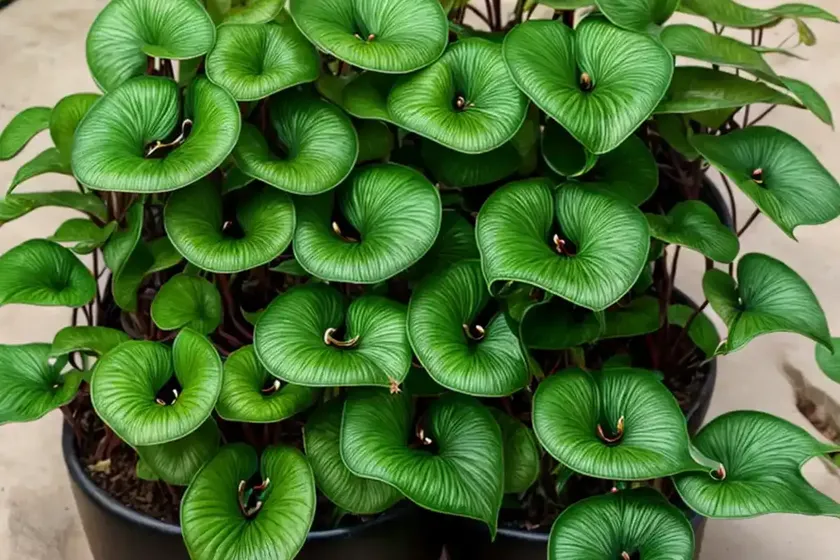
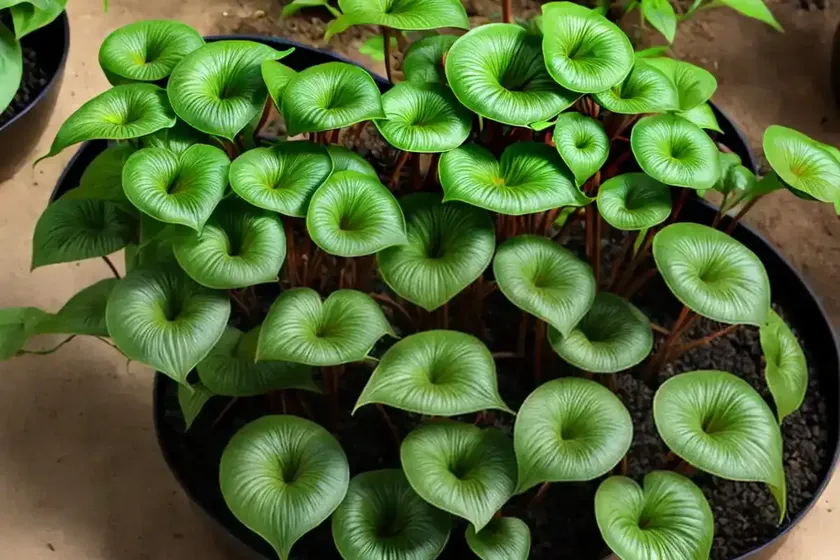
Asarum splendens, a member of the Aristolochiaceae family, is a perennial herbaceous plant native to China. This species is distinguished by its heart-shaped, shiny evergreen leaves and unique maroon to brown flowers. It is a low-growing plant typically found in shaded woodland areas, making it an excellent choice for gardens with minimal sunlight. The botanical name “Asarum” derives from the ancient Greek word “asarotos,” meaning “un-swept,” referring to the deep cup shape of the flower that would trap small insects. The term “splendens” denotes its splendid or striking appearance, which certainly holds true for this enchanting plant.
Key Takeaways – Asarum splendens (Chinese Wild Ginger)
Culture
Asarum splendens is highly esteemed for its ornamental value and low-maintenance nature. Its lush evergreen foliage and understated yet charming flowers make it an ideal choice for shaded gardens and woodland landscapes. The plant’s cultural significance in traditional medicine and folklore further adds to its allure.
Uses
Beyond its aesthetic appeal, Asarum splendens has been utilized for centuries in various traditional practices, including herbal medicine and cuisine. Its unique fragrance and potential aromatic properties make it an intriguing component in the realm of natural remedies.
Water
Moderate watering is recommended for Asarum splendens, ensuring consistent moisture without waterlogging. Maintaining a balanced moisture level is essential, particularly in the heat of summer or dry periods.
Sunlight
This plant thrives in shaded or partially shaded areas, making it an ideal choice for gardens with limited direct sunlight. It is well-suited for woodland settings, where dappled light enhances its growth and appearance.
Fertilizer
A balanced, organic fertilizer applied in the spring can promote healthy growth and flowering. It is crucial to avoid excessive fertilization, as this can lead to issues such as nutrient imbalances and overstimulation.
Soil
Asarum splendens prefers rich, well-draining soil with a slightly acidic to neutral pH. Organic matter can be beneficial in enhancing soil structure and moisture retention, creating an optimal environment for the plant to flourish.
Pruning
Pruning should be minimal, primarily focusing on the removal of any damaged or yellowing leaves. This helps maintain the plant’s compact form and overall health.
Propagation
Propagation can be achieved through division or seeds, with each method offering unique advantages. Division is often preferred due to its reliability and the ability to produce new plants more quickly.
Container Popularity
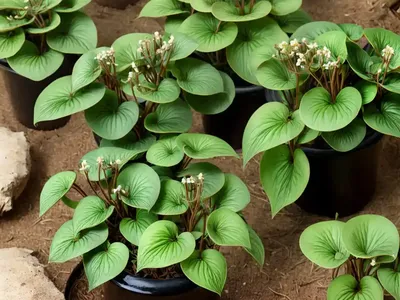
Asarum splendens is well-suited for container gardening, allowing individuals with limited outdoor space to enjoy its beauty and benefits. Its adaptability to various potting mixes and shaded conditions makes it an excellent choice for container cultivation.
Common Diseases
Despite its resilience, Asarum splendens may be susceptible to certain diseases, including fungal infections. Understanding the signs and implementing preventive measures is essential for maintaining plant health.
Disease Diagnosis
Timely diagnosis of plant diseases involves careful observation of symptoms and potential causal factors. Identifying the specific disease affecting Asarum splendens is crucial for implementing targeted treatment and preventive strategies.
Common Pests
While generally resistant to pests, Asarum splendens may encounter occasional issues with slugs, snails, and aphids. Vigilance and prompt intervention are key to managing pest infestations effectively.
Botanist’s Tips
Gardening tips from botanists and experienced growers can offer valuable insights into the optimal care and cultivation of Asarum splendens. From soil preparation to pest control, these tips can contribute to successful plant management.
Fun Facts
Uncover fascinating details and anecdotes about Asarum splendens, shedding light on its heritage, traditional uses, and ecological role. Fun facts add an engaging dimension to the plant’s profile, creating a deeper connection for enthusiasts.
Asarum splendens Care: Nurturing Chinese Wild Ginger
The care and maintenance of Asarum splendens are essential for ensuring its longevity and vitality. By adhering to specific guidelines and understanding its unique requirements, enthusiasts can foster healthy growth and the occasional flower of this enchanting plant.
Chinese Wild Ginger Plant Care Tips
-
Shaded Environment: Select a shaded or partially shaded location for planting, simulating its natural woodland habitat.
-
Optimal Watering: Maintain consistent moisture without excessive water accumulation, particularly during hot or dry periods.
-
Well-Draining Soil: Ensure the use of well-draining, nutrient-rich soil to promote healthy root development and vitality.
-
Balanced Fertilization: Apply organic fertilizer in moderation during the growing season, avoiding excessive feeding to prevent imbalances.
-
Minimal Pruning: Engage in minimal pruning, focusing on removing damaged or discolored foliage to maintain plant vigor.
-
Division Propagation: Consider propagation through division, utilizing the plant’s natural growth tendencies to establish new individuals.
-
Container Adaptability: Embrace container gardening to accommodate limited outdoor space while providing a suitable environment for Asarum splendens.
Asarum splendens Characteristics: Embracing Uniqueness
Understanding the distinctive characteristics of Asarum splendens can deepen appreciation for this captivating plant. From its foliage attributes to potential medicinal properties, each aspect contributes to the plant’s overall allure and relevance.
Foliage and Flowers
The glossy, heart-shaped leaves of Asarum splendens, combined with its unusual maroon to brown flowers, are characteristic features that define its visual appeal. These elements contribute to its ornamental value and unique charm in garden settings.
Medicinal Potential
Asarum splendens has been associated with traditional practices in herbal medicine, with potential applications ranging from aromatherapy to natural remedies. Exploring its medicinal properties can provide valuable insights into its multifaceted nature.
Cultural Significance
Embedded in folklore and traditional customs, Asarum splendens holds cultural significance, offering a blend of aesthetic and symbolic value within various cultural contexts. Understanding its cultural relevance enriches the plant’s presence in gardens and landscapes.
Growing Asarum splendens: Nurturing Enchantment
The process of growing Asarum splendens involves mindful cultivation practices and a keen understanding of its habitat and requirements. By embracing its natural tendencies and addressing specific care considerations, enthusiasts can cultivate thriving specimens of this alluring plant.
Asarum splendens Planting Guide: Setting the Stage for Growth
-
Selecting Suitable Location: Choose a shaded or partially shaded area with well-draining soil to provide an optimal environment for Asarum splendens.
-
Soil Preparation: Incorporate organic matter into the soil to enhance its structure and nutrient content, promoting favorable conditions for root development.
-
Planting Depth: Settle the plant at the appropriate depth, ensuring that the root ball is positioned to facilitate healthy establishment.
-
Watering Considerations: Implement a consistent watering routine, maintaining balanced moisture levels to support plant health.
-
Fertilization Strategy: Utilize organic fertilizer in moderation, considering the plant’s growth stage and seasonal requirements.
-
Monitoring and Observation: Regularly monitor the plant for signs of growth, potential issues, and flowering developments, adjusting care practices as needed.
Chinese Wild Ginger Plant Species: Embracing Diversity
Asarum splendens represents a captivating species within the broader category of Chinese Wild Ginger plants. Understanding its specific characteristics as part of a diverse plant group contributes to a comprehensive appreciation of its unique traits and potential variants.
Varietal Diversity
Within the Chinese Wild Ginger plant species, diverse varieties and cultivars may exhibit subtle differences in foliage coloration, flowers, and growth habits. Exploring these variations adds depth to the overall understanding of this plant group.
Regional Adaptations
The natural range of Chinese Wild Ginger plants encompasses various regions, each contributing to the species’ adaptability and ecological influence. Recognizing these regional adaptations enhances insight into the plant’s versatility and environmental relevance.
Ecological Role
Chinese Wild Ginger plants, including Asarum splendens, play crucial roles in their respective habitats, contributing to biodiversity, soil stability, and potential wildlife interactions. Acknowledging their broader ecological significance underscores their importance within natural ecosystems.
Chinese Wild Ginger Plant: Exploring Horticultural Aspects
The Chinese Wild Ginger plant, exemplified by Asarum splendens, holds horticultural significance beyond its ornamental appeal. From its potential landscape uses to ethnobotanical applications, this plant offers a spectrum of opportunities for horticultural enthusiasts and individuals with diverse interests.
Asarum splendens Landscape Use: Aesthetic and Functional Contributions
-
Woodland Gardens: Integrate Asarum splendens into shaded or woodland garden settings to enhance visual appeal and contribute to a dynamic plant composition.
-
Groundcover Applications: Embrace the plant’s low-growing nature as a groundcover option, providing soil stabilization and decorative coverage in suitable areas.
-
Shade Garden Enhancements: Elevate shaded gardens with the addition of Asarum splendens, leveraging its adaptability and striking foliage within these unique garden environments.
-
Container Gardening: Explore container gardening as a versatile approach to featuring Asarum splendens in diverse settings, accommodating various space limitations and design preferences.
Ethnobotanical Uses: Bridging Tradition and Modern Applications
-
Herbal Medicine: Examine the plant’s potential medicinal properties and historical usage in traditional herbal medicine, drawing insights into its cultural and therapeutic relevance.
-
Culinary Explorations: Discover the culinary potential of Asarum splendens in select cuisines and cooking traditions, unraveling its aromatic qualities and potential flavor contributions.
-
Folklore and Symbolism: Uncover the plant’s symbolic meanings and cultural representations, reflecting its enduring presence in folklore and traditional narratives.
-
Landscape Symbolism: Explore the symbolic significance of Asarum splendens within landscape design and cultural practices, recognizing its broader contextual relevance.
Asarum splendens: Finding Balance in Care and Cultivation
Nurturing Asarum splendens encompasses a delicate balance of care and cultivation practices, aligning with its natural tendencies and specific requirements. By integrating these elements and embracing its cultural, ecological, and horticultural significance, individuals can foster a deeper connection with this captivating plant.
Chinese Wild Ginger Plant in Traditional Medicine: Heritage and Healing
The historical usage of Asarum splendens in traditional medicine reflects its enduring role as a source of healing and cultural significance. From its potential health benefits to its aromatic properties, the plant embodies a rich legacy within traditional healing practices.
Medicinal Heritage
Explore the historical context of Asarum splendens within traditional medicine, delving into its potential applications and the cultural wisdom that surrounds its therapeutic potential.
Aromatherapy Insights
Uncover the aromatic properties of Asarum splendens, considering its potential contributions to aromatherapy and sensory experiences within healing environments.
Embracing Chinese Wild Ginger Plant Diversity: Varieties and Cultivars
The world of Chinese Wild Ginger plants encompasses a diverse array of varieties and cultivars, each contributing unique attributes and ornamental value. Understanding these variations enriches the horticultural experience and expands the potential applications of this enchanting plant group.
Varietal Characteristics
Asarum splendens – Known for its glossy, heart-shaped leaves and charming maroon to brown flowers, Asarum splendens captivates with its distinctive foliage and modest yet intriguing blooms.
Cultivar Exploration
Diverse cultivars of Chinese Wild Ginger plants may feature nuanced differences in leaf patterns, color variations, and flowering habits, enhancing the spectrum of choices for horticultural enthusiasts.
Aesthetic Diversity
From variegated foliage to unique flower forms, the aesthetic diversity of Chinese Wild Ginger plant varieties offers a wealth of possibilities for garden design and visual compositions.
Ornamental Value
Chinese Wild Ginger plants, including Asarum splendens, contribute significant ornamental value to gardens and landscapes, offering rich foliage displays and potential seasonal interest with their distinctive flowers.
Thriving in Nature: Asarum splendens’ Natural Habitat
Understanding the natural habitat and ecological context of Asarum splendens enriches our appreciation for this captivating plant’s adaptations, contributions, and potential interactions within its native environment.
Habitat Requirements
-
Shaded Environments: Asarum splendens thrives in shaded woodland areas, displaying optimal growth and foliage development in these specific habitat conditions.
-
Moisture Considerations: The plant benefits from consistent moisture levels, particularly in forest understories and similar damp environments.
-
Soil Preferences: Well-draining soil with organic matter content provides an ideal foundation for Asarum splendens, supporting root health and nutrient uptake.
-
Ecosystem Functions: Within its native habitat, Asarum splendens plays essential roles in soil stability, potential wildlife interactions, and broader ecosystem dynamics.
The Allure of Chinese Wild Ginger: Asarum splendens in Contemporary Landscapes
In contemporary landscapes and garden designs, the inclusion of Chinese Wild Ginger plants, such as Asarum splendens, represents a distinctive choice with multifaceted appeal and potential contributions to diverse horticultural environments.
Landscape Integration
-
Shade Gardens: Enhance shaded or woodland gardens with the addition of Asarum splendens, leveraging its unique foliage and potential groundcover attributes.
-
Aesthetic Complement: The captivating characteristics of Asarum splendens, including its glossy leaves and intriguing flowers, offer opportunities for aesthetic enhancement within diverse garden settings.
-
Container Display: Integrate Asarum splendens into container displays, embracing its adaptability and ornamental value in creative design compositions.
Asarum splendens: A Gem in Ethnopharmacology
The ethnobotaical uses of Asarum splendens extend beyond decorative and herbal realms, encompassing its potential contributions to ethnopharmacology and traditional healing practices.
Medicinal Traditions
-
Cultural Healing Practices: Asarum splendens holds cultural significance within various healing traditions, offering insights into its potential therapeutic properties and esteemed role in cultural narratives.
-
Ethnopharmacological Explorations: The exploration of Asarum splendens within ethnopharmacology sheds light on its broader implications for natural remedies and traditional medicine.
Embracing Asarum splendens in Horticulture: Cultivating Beauty and Meaning
The horticultural cultivation of Asarum splendens transcends mere ornamentation, encompassing a deeper connection to heritage, ecology, and diverse applications that enrich the plant’s horticultural relevance.
Horticultural Significance
-
Ornamental Embrace: Asarum splendens offers ornamental value in gardens and landscapes, captivating observers with its glossy foliage and distinctive flowers.
-
Cultural Echoes: The plant’s cultural resonance, encompassing traditional medicine and symbolic meanings, expands its horticultural significance and evokes a sense of timeless heritage.
Chinese Wild Ginger: Preservation and Cultivation
In the effort to preserve and cultivate Chinese Wild Ginger plants, including the enchanting Asarum splendens, consideration must be given to ecological sustainability, responsible propagation, and the preservation of cultural and ecological connections.
Ecological Sustainability
-
Habitat Preservation: Efforts to conserve natural habitats that support Asarum splendens and related species are essential for ensuring their long-term ecological sustainability.
-
Native Range Preservation: Advocating for the preservation of the plant’s native range and associated ecosystems contributes to broader conservation initiatives and ecological balance.
Conclusion
Asarum splendens, known as Chinese Wild Ginger, embodies a captivating blend of ornamental allure, cultural significance, and potential applications in traditional practices. As enthusiasts and horticultural stewards, our embrace of this enchanting plant extends beyond its visual appeal, encompassing its ecological relevance, horticultural diversity, and potential contributions to holistic well-being. By nurturing an understanding of Asarum splendens and its broader context, we can cultivate a deeper connection with this gem of the plant kingdom, embracing its heritage, significance, and timeless elegance within the fabric of our landscapes and traditions.
With this comprehensive guide, we have immersed ourselves in the captivating world of Asarum splendens, exploring its culture, uses, care guidelines, and broader implications across diverse realms. Whether as a shaded garden gem, a source of cultural resonance, or a touchstone for traditional applications, Asarum splendens represents a testament to the enduring allure and multifaceted significance of plants in our lives.
For further information and in-depth exploration, the following external resources provide valuable insights and perspectives on Asarum splendens and related topics:
- Royal Horticultural Society – Asarum splendens
- Missouri Botanical Garden – Asarum splendens
- American Society for the Prevention of Cruelty to Animals – Toxic and Non-Toxic Plants: Asarum splendens
- The Plant List – Asarum splendens
This marks the beginning of a journey into the captivating world of Asarum splendens, encompassing its culture, care, and enduring significance within our horticultural and cultural landscapes. As we continue to explore the diverse realms of plants, may our appreciation and stewardship of these botanical treasures grow, fostering a deeper connection with nature and the enduring legacies it embodies.