Arrow Bamboo (Pseudosasa Japonicum): A Comprehensive Guide
As a plant scientist with a passion for botanical diversity, I am always in awe of the vast array of plant species that grace our planet. One such plant that has captured my attention is the Arrow Bamboo, scientifically known as Pseudosasa Japonicum. In this comprehensive guide, I will delve into the various aspects of this fascinating plant, including its culture, uses, maintenance, and much more.
What is Arrow Bamboo (Pseudosasa Japonicum)?
Arrow Bamboo, or Pseudosasa Japonicum, is a species of bamboo that is native to the forests of Japan and China. Known for its striking appearance and versatile uses, this bamboo species belongs to the Poaceae family, which encompasses a wide range of grass-like species.
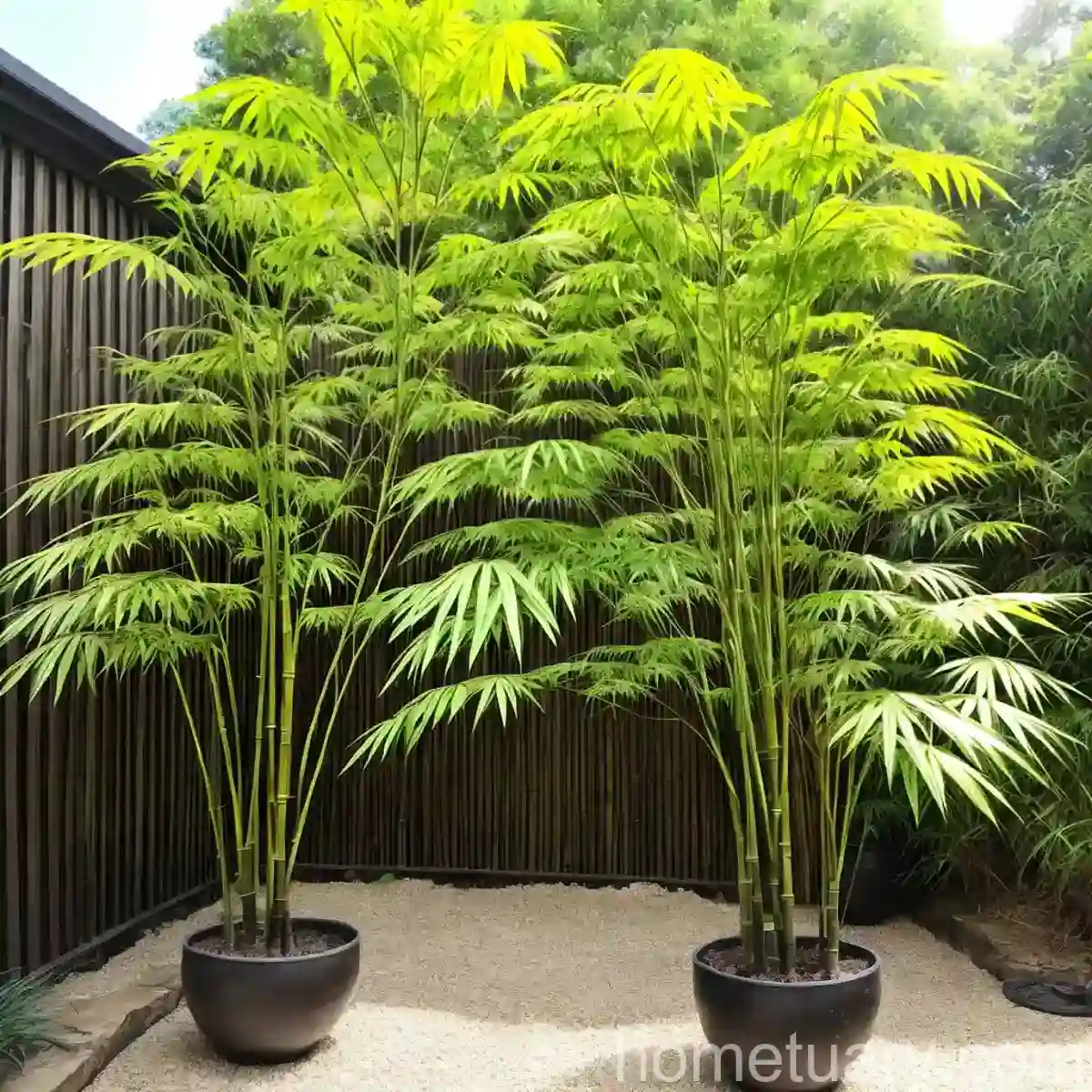
As the name suggests, the culms (stems) of Arrow Bamboo are typically straight and slender, resembling the shaft of an arrow. The foliage of this bamboo is dense, creating a lush and vibrant appearance.
Key Takeaways
Before delving deeper into the specifics of Arrow Bamboo, let’s highlight the key takeaways of this guide:
- Culture: Understanding the cultural requirements for optimal growth.
- Uses: Exploring the various applications of Arrow Bamboo.
- Maintenance: Tips for maintaining and caring for Arrow Bamboo.
- Propagation: Techniques for propagating this bamboo species.
- Common Diseases: Identifying and addressing potential diseases.
- Common Pests: Recognizing and mitigating common pest issues.
Now, let’s explore each of these aspects in detail.
Culture
Cultivating Arrow Bamboo successfully requires an understanding of its cultural requirements, including water, sunlight, fertilizer, soil, and pruning.
Water
Arrow Bamboo thrives in moist, well-drained soil. Adequate water is crucial, especially during the initial stages of growth and establishment. Once established, it can withstand periods of moderate drought, but consistent watering is still beneficial for optimal growth and health.
Sunlight
In terms of sunlight requirements, Arrow Bamboo flourishes in partial shade to full sun. However, it is essential to note that excessive exposure to intense sunlight can lead to leaf burn, particularly in regions with hot summers.
Fertilizer
When it comes to fertilization, providing a balanced, slow-release fertilizer in the spring can promote healthy growth. Avoid over-fertilization, as this can lead to excessive foliage and weak culms.
Soil
Arrow Bamboo performs best in well-drained, fertile soil with a slightly acidic to neutral pH. Amending the soil with organic matter can enhance its growth and vigor.
Pruning
Pruning is generally minimal for Arrow Bamboo, mainly focused on the removal of dead or damaged culms. This can be done at any time of the year. However, it is essential to exercise caution, as excessive pruning can impact the overall appearance of the plant.
Uses
The versatility of Arrow Bamboo extends to its various uses, making it a valuable addition to diverse settings such as gardens, landscapes, and even traditional practices.
Garden Landscapes
In garden landscapes, Arrow Bamboo serves as an excellent ornamental plant, adding a touch of elegance and exoticism. Its dense foliage and upright culms make it an ideal choice for creating privacy screens, windbreaks, and sound barriers.
Privacy Screen
Due to its dense growth habit and tall culms, Arrow Bamboo is often utilized as a privacy screen to delineate boundaries and create secluded outdoor spaces. Its evergreen nature ensures year-round coverage and visual appeal.
Erosion Control
The extensive root system of Arrow Bamboo makes it effective for preventing soil erosion on slopes and hillsides. The rhizomes help stabilize the soil, making it an eco-friendly solution for erosion control.
Asian-Themed Gardens
Given its native origins in Asia, Arrow Bamboo is frequently incorporated into Asian-themed gardens, where it complements the overall aesthetic and brings a sense of tranquility to the landscape.
Medicinal Uses
In traditional medicine, certain parts of Arrow Bamboo are used for their potential medicinal properties. The leaves and shoots contain compounds that are believed to confer various health benefits.
Wildlife Habitats
Arrow Bamboo provides shelter and sustenance for various wildlife species, including birds, insects, and small mammals. Its dense foliage creates a habitat that supports biodiversity in the surrounding ecosystem.
Sustainable Living
From a sustainable living perspective, Arrow Bamboo embodies the principles of eco-friendliness and resource efficiency. Its fast growth rate and versatile applications contribute to sustainable living practices.
While these are just a few examples, the uses of Arrow Bamboo are wide-ranging and adaptable to an array of settings.
Maintenance
Maintaining Arrow Bamboo involves a balanced approach to watering, fertilization, and periodic care to ensure its continued health and vitality.
Growth Habits
Understanding the growth habits of Arrow Bamboo is essential for effective maintenance. It exhibits a clumping growth habit, with new culms emerging from a central point. Regular observation of its growth pattern can aid in identifying and managing potential issues.
Pruning Techniques
Pruning is primarily focused on removing dead or damaged culms, as well as thinning out older culms to promote airflow and reduce overcrowding. Proper pruning techniques can help maintain the plant’s aesthetics and health.
Soil Requirements
Consistent monitoring of soil moisture and quality is vital for Arrow Bamboo. Amending the soil with organic matter and providing adequate drainage can enhance its overall vigor and resilience.
Tolerates Shade
Arrow Bamboo exhibits a degree of shade tolerance, making it suitable for shaded areas within the landscape. This adaptability expands its potential placement within different settings.
Air Purification
As with many bamboo species, Arrow Bamboo contributes to air purification by absorbing carbon dioxide and releasing oxygen. Its presence in indoor or outdoor spaces can contribute to improved air quality.
By incorporating these maintenance tips into the care regimen for Arrow Bamboo, it is possible to cultivate a thriving and visually appealing plant.
Propagation
Propagation methods for Arrow Bamboo primarily involve division and rhizome cuttings. These techniques enable the expansion of existing plantings and the establishment of new ones.
Division
Division entails separating a portion of the rhizome and root system to create a new plant. When performing division, it is essential to include a sufficient number of culms and roots to ensure the establishment of the new plant.
Rhizome Cuttings
Rhizome cuttings involve harvesting sections of the rhizome, which can then be planted to initiate new growth. Careful attention to the selection of healthy rhizome sections is vital for successful propagation.
Container Gardening
Arrow Bamboo can also be propagated and grown in containers, making it suitable for patio spaces, balconies, and indoor environments. Container gardening expands the potential placement of Arrow Bamboo in various settings.
Bonsai
In addition to traditional propagation methods, Arrow Bamboo can be cultivated as a bonsai, showcasing its adaptability to various horticultural practices.
These propagation methods not only facilitate the expansion of Arrow Bamboo populations but also present opportunities for creative cultivation methods.
Common Diseases
While Arrow Bamboo is relatively resilient, it can be susceptible to certain diseases under unfavorable conditions. Identifying and addressing these diseases are crucial for maintaining the plant’s health.
Disease Diagnosis
Common diseases that may affect Arrow Bamboo include root rot, fungal leaf spots, and rust. Proper diagnosis of these diseases involves close observation of the plant’s symptoms and prompt intervention to mitigate their impact.
Erosion Prevention
Given its potential for erosion control, maintaining the health of Arrow Bamboo is essential for preserving soil stability and preventing erosion in vulnerable areas.
Shade Gardening
In shaded environments, particularly in regions with high humidity, Arrow Bamboo may be prone to certain fungal diseases. Proper airflow and soil drainage can minimize the risk of disease development.
Erosion Control on Slopes
Due to its effectiveness in erosion control, maintaining disease-free Arrow Bamboo on slopes can prevent soil erosion and contribute to environmental conservation efforts.
By staying vigilant and proactive in disease management, it is possible to safeguard the health and longevity of Arrow Bamboo plantings.
Common Pests
Similar to diseases, Arrow Bamboo can face challenges from various pests, which necessitate appropriate identification and management.
Bamboo Mites
Bamboo mites can affect the foliage of Arrow Bamboo, causing discoloration and potential damage. Regular inspection of the leaves can aid in early detection and control of mite infestations.
Bores and Beetles
Certain borers and beetles may target the culms of Arrow Bamboo, compromising their structural integrity and overall health. Implementing preventive measures can help mitigate the risk of infestation.
Natural Fencing
Maintaining healthy Arrow Bamboo is crucial for its role in natural fencing, where its dense growth provides a barrier against potential threats and encroachment.
Wildlife Corridors
For Arrow Bamboo to function effectively as a wildlife corridor, minimizing pest pressures through diligent management contributes to the preservation of ecological connectivity.
By identifying and addressing pest issues in a timely manner, it is possible to uphold the vitality and functionality of Arrow Bamboo within various landscapes.
Botanist’s Tips
To further enhance the understanding and appreciation of Arrow Bamboo, here are some additional tips and insights from a botanist’s perspective:
- Soundproofing: Due to its dense growth and tall culms, Arrow Bamboo serves as a natural sound barrier, offering acoustic insulation in urban and suburban environments.
- Ornamental Purposes: Arrow Bamboo’s graceful appearance and vibrant foliage make it a sought-after choice for ornamental plantings, adding a touch of elegance to both residential and public spaces.
- Wildlife Habitats: The presence of Arrow Bamboo in gardens and landscapes fosters diverse wildlife habitats, supporting ecological balance and biodiversity.
- Natural Resources: Through sustainable management and utilization, Arrow Bamboo contributes to the conservation and responsible use of natural resources, aligning with principles of environmental stewardship.
These tips provide valuable insights into the diverse roles and attributes of Arrow Bamboo within the botanical and ecological realms.
Fun Facts
To add an element of intrigue and fascination, here are some fun facts about Arrow Bamboo:
- Feng Shui: In Feng Shui practices, Arrow Bamboo is associated with positive energy and tranquility, making it a favored choice for creating harmonious indoor and outdoor environments.
- Bamboo Crafts: The culms and leaves of Arrow Bamboo are utilized in traditional crafts, ranging from basket weaving to decorative art forms, highlighting its cultural and artistic significance.
- Japanese Gardens: Arrow Bamboo is a prominent feature in traditional Japanese gardens, where it symbolizes resilience, grace, and the ephemeral beauty of nature.
These fun facts provide a glimpse into the rich cultural heritage and ecological significance of Arrow Bamboo.
Links to External Resources
For those seeking additional information on Arrow Bamboo and related topics, the following external resources offer valuable insights and guidance:
- American Bamboo Society
- Royal Horticultural Society – Growing Bamboo
- Missouri Botanical Garden – Pseudosasa Japonica
Conclusion
In conclusion, Arrow Bamboo (Pseudosasa Japonicum) stands as a captivating and multi-faceted plant species that holds immense value in diverse settings, from traditional practices to modern landscapes. Its cultural significance, versatile uses, and resilience underscore its significance in botany and horticulture. By understanding its requirements and potential, we can harness the innate qualities of Arrow Bamboo to enrich our surroundings and promote sustainable living practices, all while appreciating its natural beauty.
As with any botanical exploration, the journey of understanding Arrow Bamboo is ongoing, and there are always new discoveries to be made, furthering our appreciation for the wondrous world of plants.
Disclaimer: The content provided in this blog is for informational purposes only, and the author does not endorse or promote any specific products or practices mentioned in the article.