Sea Thrift (Armeria Maritima)
Sea Thrift, scientifically known as Armeria maritima, is a charming and resilient perennial plant that belongs to the Plumbaginaceae family. This plant is.
What is Sea Thrift (Armeria maritima)?
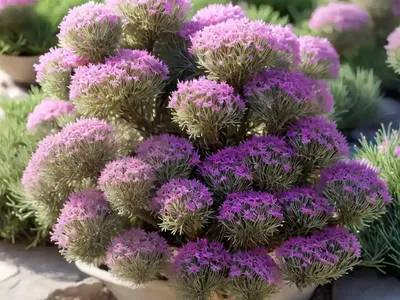
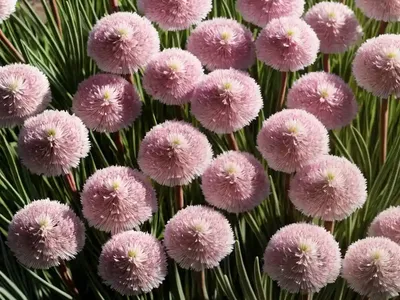
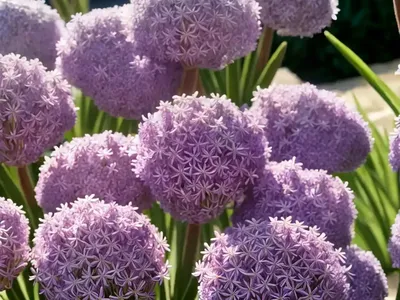
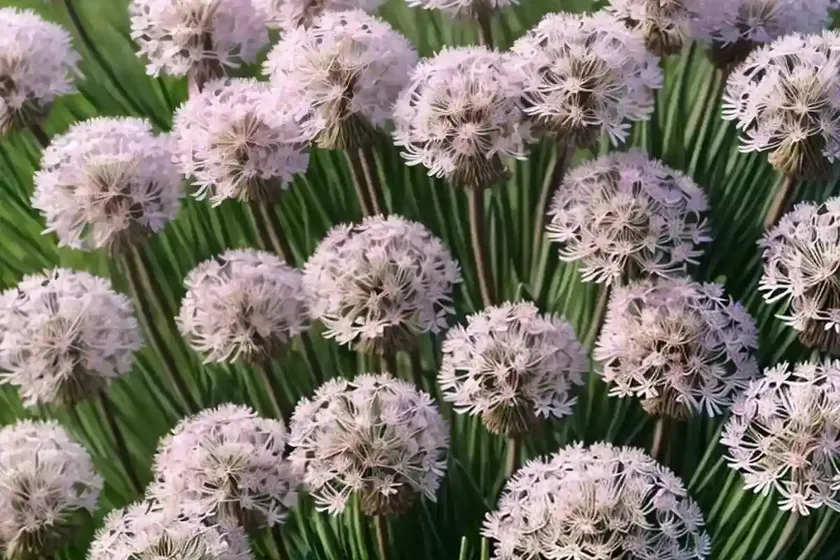
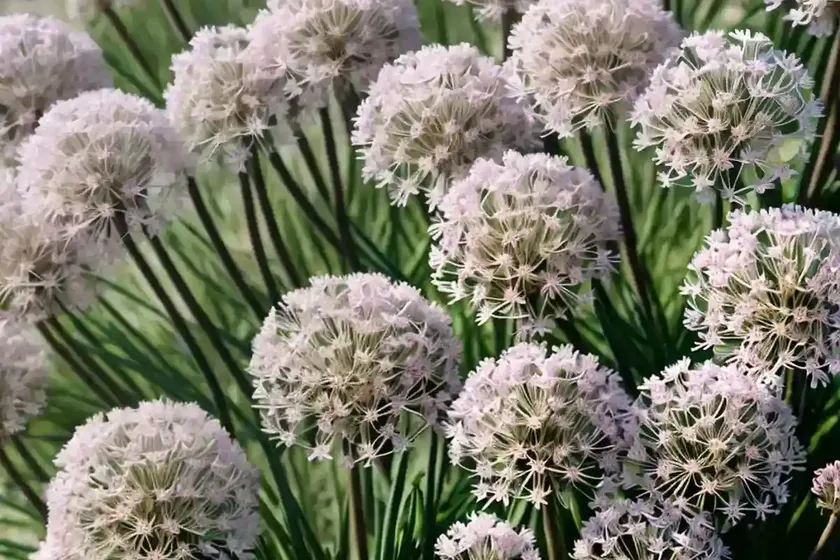
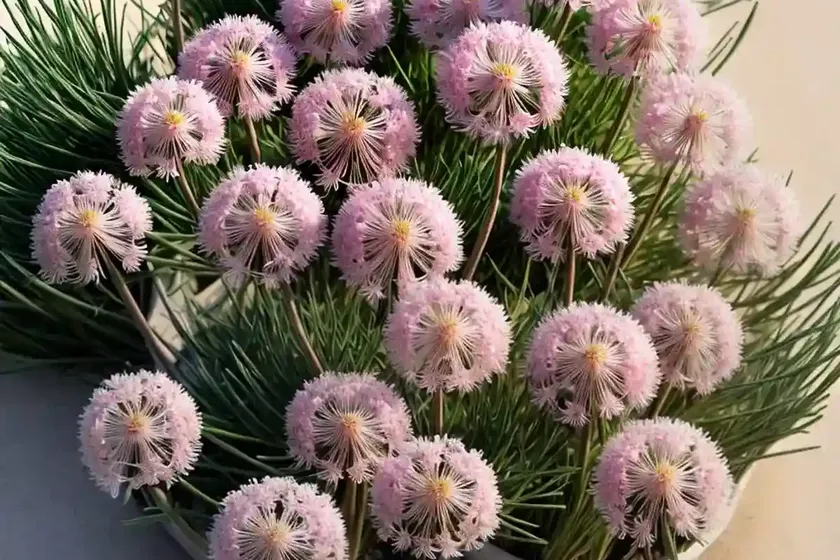
Sea Thrift, scientifically known as Armeria maritima, is a charming and resilient perennial plant that belongs to the Plumbaginaceae family. This plant is native to the coastal regions of Europe and thrives in coastal areas, making it a popular choice for seashore gardens, coastal landscapes, and even container gardening. Sea Thrift is characterized by its tufted grass-like foliage and vibrant, globe-shaped flower clusters, which emerge on slender stems rising above the foliage.
Key Takeaways – Sea Thrift (Armeria maritima)
Before delving into the specifics of caring for Sea Thrift, let’s start with some key takeaways about this remarkable plant:
- Botanical Name: Armeria maritima
- Common Name: Sea Thrift, Sea Pink
- Plant Type: Perennial
- Native Habitat: Coastal regions of Europe
- Hardiness Zones: 3-9
- Mature Height: 6-12 inches
- Exposure: Full sun
- Soil Needs: Well-draining, sandy or rocky soil
- Watering: Low to moderate
- Flowering Season: Late spring to early summer
Now that we have an overview of Sea Thrift, let’s explore the aspects of cultivating and caring for this coastal gem.
Culture
Uses
Sea Thrift, with its low-growing habit and striking flowers, has a range of uses in the landscape and beyond:
- Coastal Gardens: Its natural habitat reflects its suitability for coastal gardens.
- Rock Gardens: Adds an exquisite touch to rock gardens and alpine plantings.
- Container Gardening: Ideal for container gardening, especially in coastal or seaside-themed arrangements.
- Erosion Control: Due to its ability to form dense clusters, it can be utilized for erosion control on slopes.
- Cut Flowers: The charming flower heads are often used in floral arrangements due to their delicate appearance and long vase life.
Sunlight
Sea Thrift thrives in full sun. It requires at least 6-8 hours of direct sunlight each day to ensure the best growth and prolific flowering. In areas with scorching afternoon sun, partial shade during the hottest part of the day might be beneficial to prevent stress on the plant.
Water
Water Requirements
Sea Thrift is well-adapted to coastal conditions and has low to moderate water needs. While it can tolerate some drought once established, it’s crucial to provide regular, consistent moisture, especially during dry spells or prolonged periods without rainfall, to support healthy growth and prolific blooming.
Drought Tolerance
Once established, Sea Thrift exhibits excellent drought tolerance due to its ability to store water in its fleshy leaves and a deep root system, making it a fantastic addition to dry, sunny landscapes or xeriscapes.
Fertilizer
Fertilizer Requirements
Sea Thrift is not demanding in terms of fertilization. It can thrive in nutrient-poor soil, but a light application of balanced, slow-release fertilizer in spring can promote healthy growth and enhance flowering. Avoid excessive fertilization, particularly with high-nitrogen fertilizers, as this can lead to overly lush foliage at the expense of flowering.
Soil
Soil Requirements
The right soil is paramount for the successful cultivation of Sea Thrift. It thrives in well-draining, sandy, or rocky soil, replicating its native coastal habitat. Soil with a slightly alkaline to neutral pH is preferred, and it’s essential to ensure that the soil does not become waterlogged, as this can lead to root rot and other issues.
Pruning
Pruning Techniques
Sea Thrift is relatively low-maintenance when it comes to pruning. After the flowering period, spent flower stems can be trimmed back to encourage tidy, compact growth and potentially spur a second flush of blooms. Additionally, removing any dead or damaged foliage can help maintain the plant’s vigor and overall appearance.
Propagation
Propagation Methods
Sea Thrift can be propagated through several methods:
- Division: Divide mature clumps every few years in early spring to maintain vigor and promote new growth.
- Seed Propagation: Collect and sow seeds in late winter or early spring, providing bottom heat for germination.
Container
Container Gardening
Sea Thrift is exceptionally well-suited to container gardening, making a captivating addition to seaside-themed or coastal planters. When cultivating Sea Thrift in containers, prioritize using a well-draining potting mix and ensure that the container has adequate drainage holes to prevent waterlogging. Place the containers in a sunny location and water regularly, allowing excess water to drain freely to keep the soil evenly moist.
Popularity
Sea Thrift’s popularity stems from its charming appearance, adaptability to coastal conditions, and its ability to thrive in various settings, from traditional garden beds to coastal landscapes, containers, and rock gardens. Its resilience, low maintenance, and captivating visual appeal have made it a favorite among gardeners seeking to introduce a touch of coastal beauty into their landscapes.
Common Diseases
Disease Diagnosis
Sea Thrift can face certain diseases, particularly when grown in poorly-draining soil or subjected to prolonged wet conditions. Common diseases that may affect Sea Thrift include:
- Crown Rot: This can occur in waterlogged or poorly-drained soil, leading to the plant’s decline and death.
- Powdery Mildew: Fungal growth on the foliage, often caused by humidity or poor air circulation, leading to a decline in plant health and appearance.
Common Pests
Pest Management
While Sea Thrift is generally resistant to pests due to its resilience and slightly salty foliage, it may occasionally encounter pest issues, such as:
- Aphids: These sap-sucking insects can distort new growth and reduce overall plant vigor.
- Spider Mites: Infestations can cause stippling and webbing on the foliage, leading to a decline in plant health.
Botanist’s Tips
- Choose a planting location with well-draining soil and ample sunlight, replicating its native coastal habitat.
- Water young plants regularly to aid in their establishment, reducing frequency as they mature.
- Maintain good air circulation and avoid overcrowding to minimize the risk of disease and pest issues.
- Periodically divide mature clumps to rejuvenate the plant and promote healthy growth.
Fun Facts
- The evergreen foliage of Sea Thrift provides year-round interest, while the charming flowers steal the spotlight in the spring and early summer.
- Sea Thrift holds the prestigious Royal Horticultural Society’s Award of Garden Merit, a testament to its outstanding performance in gardens.
- Coastal folklore often associates Sea Thrift with protection and good fortune, making it a symbolic and cherished plant in maritime regions.
Now, armed with a comprehensive understanding of Sea Thrift, from its cultural requirements to its popularity and resilience, gardeners can confidently incorporate this coastal gem into their landscapes, whether it be in traditional coastal gardens, contemporary containers, or unique rock garden compositions.
For further exploration and detailed information about Sea Thrift, consider delving into the following external resources that provide valuable insights, tips, and inspiration for cultivating and appreciating this captivating plant:
By tapping into these resources, individuals can enrich their knowledge and appreciation of Sea Thrift, gaining a deeper insight into its care, benefits, and potential applications in various landscapes.
In conclusion, Sea Thrift, with its resilience, striking appearance, and versatile uses, stands out as a coastal treasure that has captivated gardeners and plant enthusiasts for generations. Whether it’s adorning coastal cliffs, enhancing seaside gardens, or gracing containers with coastal allure, this perennial gem continues to make its mark in the plant world, proving itself as a timeless favorite that embodies the beauty and spirit of the coast.
References:
- “Armeria maritima (Sea Thrift)” Royal Horticultural Society, www.rhs.org.uk
- “Armeria maritima” Missouri Botanical Garden, www.missouribotanicalgarden.org
- “Armeria maritima” American Horticultural Society, ahsgardening.org