Armeria Maritima (Sea Thrift)
Armeria maritima, commonly known as Sea Thrift, is a charming flowering plant that adds coastal splendor to gardens. This perennial plant is revered for.
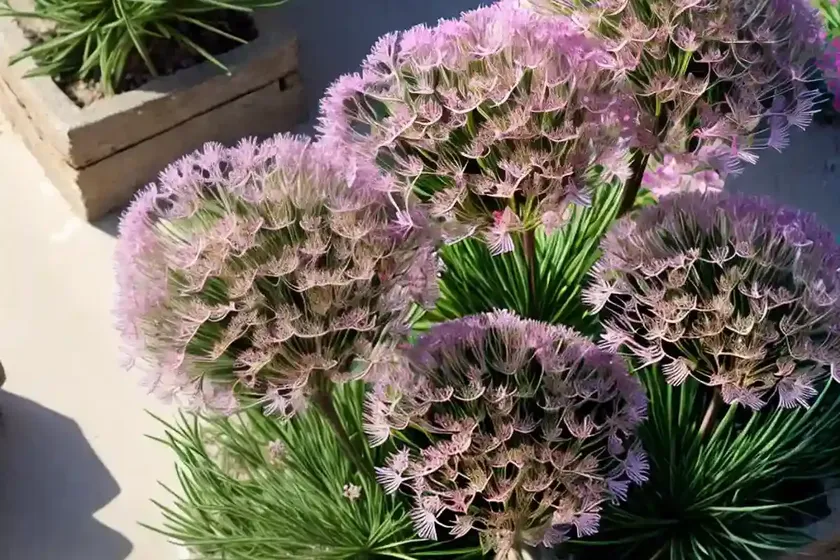
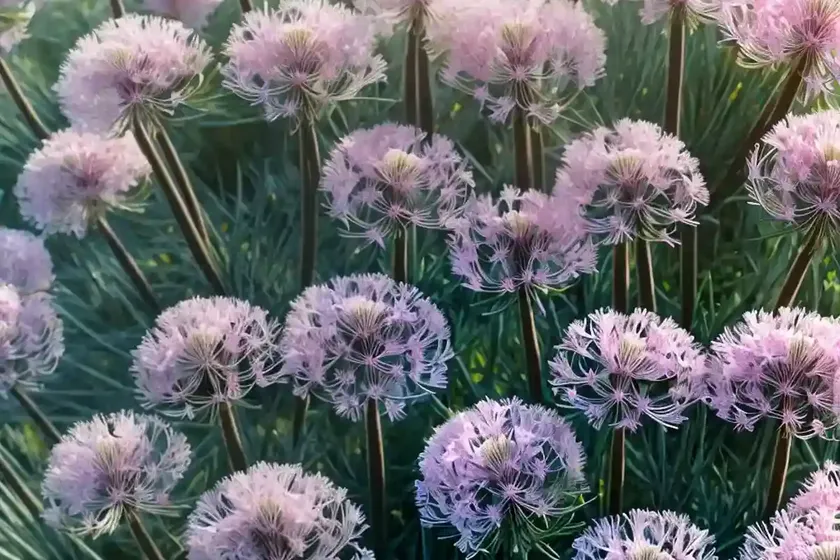
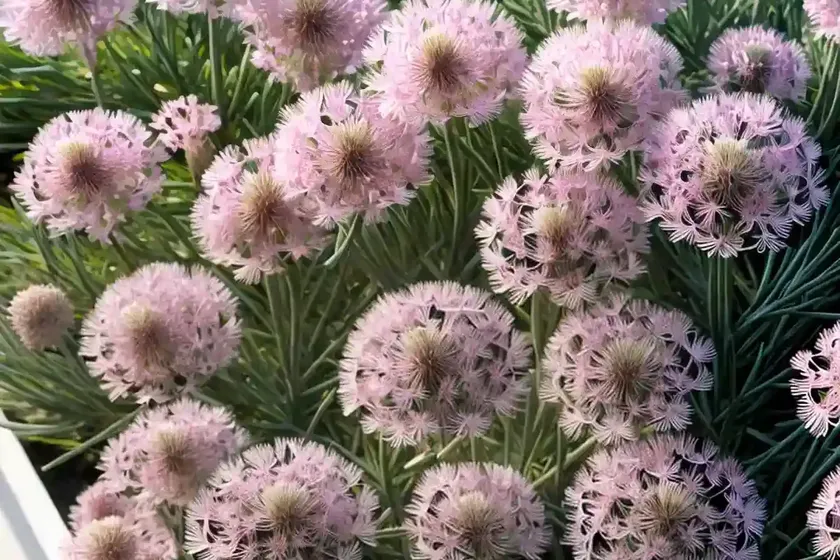
Armeria maritima, commonly known as Sea Thrift, is a charming flowering plant that adds coastal splendor to gardens. This perennial plant is revered for its compact size, grass-like foliage, and globe-shaped blooms, making it a delightful addition to rock gardens, borders, and seaside landscapes. In this comprehensive guide, we will dive deep into the world of Armeria maritima, exploring its culture, uses, care requirements, common diseases, pests, and much more. Whether you are a seasoned gardener or a beginner looking to add a touch of coastal beauty to your outdoor space, this guide will equip you with all the essential knowledge to cultivate and cherish the Sea Thrift.
What is Armeria maritima (Sea Thrift)?
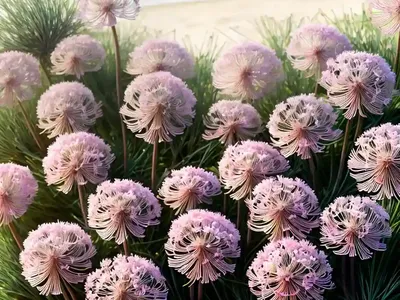
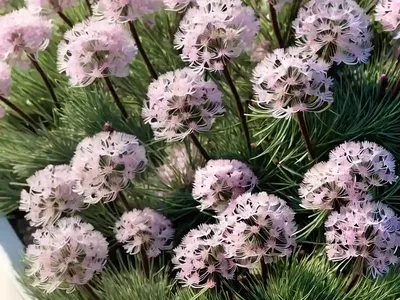
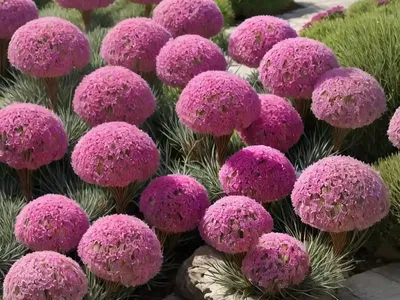
Armeria maritima, a member of the Plumbaginaceae family, is a low-growing, evergreen perennial native to coastal regions of the Northern Hemisphere. With its tufted, grass-like foliage and captivating, globe-shaped flower clusters atop slender stems, Sea Thrift is a sight to behold. The plant typically blooms from late spring through summer, gracing the landscape with an array of pink, red, or white flowers, depending on the cultivated variety.
Key Takeaways – Armeria maritima (Sea Thrift)
Before delving into the specifics of Armeria maritima, let’s highlight some of the key takeaways:
- Culture: Sea Thrift thrives in coastal regions and well-drained soil, exhibiting remarkable tolerance to salt spray and winds.
- Uses: It is commonly used as a ground cover, in rock gardens, borders, and seaside landscapes.
- Water: Moderate watering is sufficient, and the plant showcases drought tolerance once established.
- Sunlight: Full sun to partial shade is ideal for robust growth and prolific blooming.
- Fertilizer: Minimal fertilizer is needed, and excessive nutrients may lead to leggy growth.
- Soil: Well-drained, sandy, or loamy soil with neutral to slightly acidic pH is preferable.
- Pruning: Deadheading spent flower clusters promotes continuous blooming and maintains a tidy appearance.
- Propagation: Propagated through seed sowing, division, or stem cuttings, depending on the desired method.
- Container Popularity: Sea Thrift is well-suited for container gardening, especially in coastal or rock garden-themed designs.
- Common Diseases: It may be susceptible to fungal diseases such as powdery mildew and rust in humid conditions.
- Common Pests: Aphids and slugs are potential pests that may affect Sea Thrift.
- Botanist’s Tips: Plant Sea Thrift in well-drained, sandy soil, and provide ample sunlight for healthy growth.
Now that we have a snapshot of what Sea Thrift entails, let’s explore each aspect in detail to gain a comprehensive understanding of this coastal gem.
Culture
Habitat and Native Range
Armeria maritima naturally thrives in coastal habitats, including sea cliffs, dunes, and salt marshes. Its native range encompasses coastal regions of Europe, North America, and Asia, where it graces the landscape with its resilient presence and charming blooms. This coastal native exhibits remarkable tolerance to salt spray, making it an ideal candidate for seaside landscapes and gardens subjected to maritime conditions.
Environmental Adaptability
The adaptability of Armeria maritima to coastal environments makes it a sought-after plant for gardens prone to salt exposure and strong winds. Additionally, its ability to thrive in well-drained, sandy soil makes it a valuable asset in regions with such soil composition. The plant’s capacity to withstand drought once established further underscores its resilience, making it an excellent choice for water-wise gardens.
Landscape Applications
Sea Thrift is widely celebrated for its versatility in landscaping applications. The compact growth habit and globe-shaped blooms enhance its appeal for various uses, including:
- Ground Cover: The low-growing nature of Sea Thrift makes it an excellent ground cover, effectively carpeting bare spaces with its tufted foliage and vibrant blooms.
- Rock Gardens: Its affinity for well-drained, rocky soil and coastal aesthetics makes it a perfect fit for rock gardens, accentuating the natural beauty of these landscapes.
- Borders: Along garden borders and pathways, Sea Thrift introduces a delightful pop of color and texture, creating an inviting and picturesque environment.
- Seaside Landscapes: Given its natural inclination towards coastal habitats, Sea Thrift effortlessly integrates into seaside landscapes, lending an authentic touch of coastal flora.
The culture of Armeria maritima is deeply rooted in its ability to thrive in coastal environments while offering aesthetic value and functional benefits in various landscaping scenarios.
Uses
Aesthetic Appeal
Armeria maritima is primarily valued for its aesthetic contributions to outdoor spaces. The captivating globe-shaped flower clusters, available in shades of pink, red, or white, serve as an eye-catching display amidst the tufted, grass-like foliage. When in bloom, Sea Thrift becomes a focal point, drawing attention and admiration with its charming blooms.
Erosion Control
In coastal areas and landscapes with sandy or loose soil, Sea Thrift plays a significant role in erosion control. Its fibrous root system helps stabilize the soil, preventing erosion caused by wind and water. By anchoring the soil particles effectively, this plant contributes to the preservation of coastal landscapes.
Wildlife Habitat
The nectar-rich blooms of Sea Thrift attract various pollinators, including bees and butterflies, adding vibrancy and movement to the garden. As a result, it supports the local ecosystem by providing a nectar source for these beneficial insects. Furthermore, the dense foliage of Sea Thrift offers shelter for small fauna, contributing to the overall biodiversity of the landscape.
Medicinal Uses
In traditional medicine, parts of Armeria maritima have been used for their perceived medicinal properties. While contemporary scientific evidence supporting medicinal applications may be limited, historical uses have included treatments for respiratory ailments and as a diuretic. It is advisable to consult a healthcare professional before considering any medicinal applications of this plant.
Armeria maritima stands as a multifaceted plant, offering not only ornamental appeal but also functional benefits in landscaping and potential historical uses in traditional medicine.
Water
Watering Needs
As a coastal plant with origins in maritime environments, Armeria maritima has adapted to moderate water availability and exhibits considerable drought tolerance once established. When initially establishing Sea Thrift in the garden or container, it benefits from regular watering to encourage root development and establishment. However, once the plant has settled in and developed a strong root system, it can thrive with minimal supplemental watering.
Drought Tolerance
The remarkable drought tolerance of Armeria maritima further enhances its appeal in water-wise landscapes and gardens with sporadic water availability. This characteristic makes it an excellent choice for regions with arid or semi-arid climates, where the plant can thrive without excessive reliance on irrigation. Its ability to thrive in coastal environments with intermittent access to water underscores its resilience and adaptability.
Watering Tips
When watering Sea Thrift, it is essential to strike a balance between providing adequate moisture for establishment and avoiding excessive water retention around the roots. Here are a few watering tips for cultivating Armeria maritima:
- Initial Establishment: During the initial establishment period, provide regular watering to promote root development. Ensure that the soil is moist but not waterlogged.
- Established Plants: Once the plant is established, reduce the frequency of watering, allowing the soil to dry out partially between waterings. This encourages the development of a robust and deep root system.
By understanding the water needs of Armeria maritima and adhering to appropriate watering practices, gardeners can support the healthy growth and resilience of Sea Thrift.
Sunlight
Sun Exposure
Armeria maritima thrives in full sun to partial shade, with a preference for ample sunlight to stimulate robust growth and prolific blooming. In coastal landscapes, the plant often receives abundant sunlight, and it has adapted to capitalize on these light conditions for optimal photosynthesis and energy production. When cultivated in gardens, providing sufficient sunlight is key to unlocking the plant’s full potential.
Optimal Light Conditions
By positioning Sea Thrift in locations with the proper light exposure, gardeners can ensure the plant’s vigor and flowering performance. Here are key considerations for optimizing sunlight exposure for Armeria maritima:
- Full Sun: In regions with mild to moderate temperatures, placing Sea Thrift in a spot that receives full sun for the majority of the day promotes robust growth and bountiful blooming.
- Partial Shade: In hotter climates or areas with intense sunlight, offering partial shade during the peak of the day can prevent stress and sunburn, especially in the afternoon.
Sunlight Tips
When considering the sunlight needs of Armeria maritima, it is important to:
- Observe Local Conditions: Assess the specific sunlight patterns in the intended planting area, considering the duration and intensity of sunlight throughout the day.
- Adapt to Climate: Tailor the sunlight exposure based on the prevailing climate, making adjustments to protect the plant from excessive heat or sun exposure.
By providing the appropriate sunlight exposure, gardeners can harness the full potential of Sea Thrift, ensuring healthy growth and abundant flowering.
Fertilizer
Nutrient Requirements
Armeria maritima exhibits minimal nutrient requirements and is adapted to thrive in relatively nutrient-poor soils. Excessive fertilizer application may lead to leggy growth and decreased flowering, underscoring the plant’s preference for lean conditions. Given its native habitat in coastal environments and sandy soils, Sea Thrift has acclimated to thriving without an abundance of nutrients, making it a low-maintenance plant in terms of fertilizer needs.
Feeding Practices
In most cases, Sea Thrift does not necessitate regular fertilization, especially when grown in well-drained soil with minimal nutrient content. However, in instances when the soil lacks organic matter or essential nutrients, a light application of a balanced, slow-release fertilizer may be beneficial during the growing season to support healthy growth and flowering.
Fertilizer Tips
When considering fertilization for Armeria maritima, it is essential to adhere to the following tips:
- Conservative Approach: Opt for a conservative approach to fertilization, erring on the side of minimal applications to prevent nutrient overload.
- Observation: Monitor the plant’s growth and flowering to assess its response to the existing soil conditions and adjust fertilization practices accordingly.
By adopting a balanced approach to fertilization and respecting the plant’s preference for minimal nutrients, gardeners can promote healthy growth and ensure the natural resilience of Sea Thrift.
Soil
Soil Type
Armeria maritima thrives in well-drained soil, with a preference for sandy or loamy compositions that resemble its native coastal habitat. The plant’s affinity for well-drained soil is crucial in preventing waterlogging, especially in regions with high rainfall or irrigation. Additionally, Sea Thrift demonstrates resilience in soil with neutral to slightly acidic pH, allowing it to adapt to various soil conditions within its preferred range.
Coastal Adaptation
The adaptability of Sea Thrift to coastal environments underscores its inclination towards sandy, well-drained soil often found in coastal regions. Its ability to withstand salt spray and tolerate drought stresses in such soil types makes it an exemplary coastal plant, well-suited for gardens subjected to maritime conditions.
Soil Preparation
When cultivating Armeria maritima, it is important to prepare the soil to meet the plant’s requirements. Here are some essential considerations for soil preparation:
- Drainage: Ensure that the soil offers efficient drainage, preventing waterlogged conditions that can compromise the plant’s health.
- Composition: Incorporate sand or organic matter to improve soil structure and drainage, mimicking the preferred soil type of Sea Thrift in its natural habitat.
By aligning the soil composition with the preferences of Armeria maritima, gardeners can create an environment conducive to the plant’s growth and longevity.
Pruning
Deadheading
Deadheading, the practice of removing spent flower clusters, promotes continuous blooming and maintains the aesthetic appeal of Armeria maritima. This simple yet effective pruning technique channels the plant’s energy into producing new blooms rather than setting seeds, resulting in a prolonged flowering season.
Pruning Time
The ideal time for deadheading Sea Thrift is after the initial flowering period, typically in late spring or early summer. By promptly removing faded flowers, gardeners can stimulate the development of new flower clusters, extending the ornamental display throughout the season.
Maintenance Pruning
Apart from deadheading, Sea Thrift generally requires minimal pruning for maintenance. However, to tidy up the plant and encourage lush, compact growth, any dead or yellowing foliage can be carefully removed to maintain a clean and attractive appearance.
Pruning Tips
When engaging in pruning practices for Armeria maritima, consider the following tips:
- Precision: Use clean, sharp pruning shears to make precise cuts when deadheading or tidying up the plant, minimizing stress and potential damage to the stems.
- Regular Inspection: Periodically inspect the plant for faded flowers and any signs of disease or pest damage that may necessitate pruning.
By incorporating deadheading and maintenance pruning into the care routine, gardeners can promote the health and vibrancy of Sea Thrift, ensuring a profusion of charming blooms throughout the growing season.
Propagation
Seed Sowing
Armeria maritima can be propagated through seeds, making it an accessible option for gardeners seeking to propagate new plants. Seed sowing is typically carried out in early spring or late summer for successful germination and establishment.
Division
Dividing established clumps of Sea Thrift is a reliable method of propagation, especially when seeking to rejuvenate crowded or aging plants. Dividing the clumps into smaller sections and replanting them in suitable locations allows for the propagation of new, vigorous plants.
Stem Cuttings
Taking stem cuttings, especially in the early summer when the plant is actively growing, provides an expedited method of propagation, resulting in new plants with genetic continuity to the parent plant.
Propagation Tips
When embarking on the propagation of Armeria maritima, it is valuable to consider the following tips:
- Quality Seeds: Opt for high-quality, viable seeds for successful germination and establishment of seedlings.
- Healthy Divisions: When dividing established plants, ensure that each division contains a sufficient root system and healthy foliage to support successful establishment.
By exploring various propagation methods and adhering to best practices, gardeners can multiply the charm of Sea Thrift in their outdoor spaces, ensuring a continuous display of its captivating blooms.
Container Popularity
Container Gardening
Armeria maritima is well-suited for container gardening, particularly in coastal or rock garden-themed designs. The compact growth habit and low-maintenance nature of Sea Thrift make it an excellent candidate for container cultivation, offering an avenue to introduce coastal beauty to small outdoor spaces and urban gardens.
Coastal Containers
In coastal regions and environments with maritime conditions, cultivating Sea Thrift in containers extends its decorative value to outdoor areas where traditional planting in the ground may be impractical. Container-grown Sea Thrift can adorn patios, balconies, and terraces, bringing a touch of coastal flair to these spaces.
Container Care
When growing Armeria maritima in containers, it is essential to consider the following care aspects:
- Well-Drained Soil: Use a well-draining potting mix to ensure optimal soil conditions for the plant, mimicking its preference for well-drained, sandy soil.
- Sunlight Exposure: Position the container in an area that receives ample sunlight, aligning with the plant’s preference for full sun to partial shade.
- Watering: Monitor the moisture levels in the container, providing adequate watering while allowing excess water to drain freely from the container.
By embracing Sea Thrift in container gardening and implementing appropriate care measures, gardeners can elevate the beauty of outdoor spaces with the enduring charm of this coastal plant.
Common Diseases
Fungal Diseases
Armeria maritima may be susceptible to fungal diseases, particularly in humid or poorly ventilated conditions. Common fungal issues that may affect Sea Thrift include:
- Powdery Mildew: A whitish, powdery growth on the foliage, often accompanied by distorted growth and leaf drop.
- Rust: Characterized by orange or brown pustules on the leaves and stems, rust can compromise the plant’s health and appearance.
Disease Prevention
Preventing fungal diseases in Armeria maritima involves creating an environment that discourages the proliferation of pathogens. Key preventive measures include:
- Air Circulation: Ensure proper air circulation around the plant, avoiding overcrowding and promoting airflow to reduce humidity and dampness.
- Pruning: Remove any affected foliage and maintain a tidy plant appearance through regular pruning and sanitation practices.
By prioritizing disease prevention and implementing proactive measures, gardeners can safeguard the health and vigor of Sea Thrift, minimizing the risk of fungal diseases.
Common Pests
Aphids
Aphids are common pests that may affect Armeria maritima, often congregating on the tender shoots and flower clusters, sucking sap and potentially causing deformities or weakening the plant’s vigor.
Slugs
In moist or humid conditions, slugs may pose a threat to Sea Thrift, feeding on the foliage and leaving behind ragged edges and holes.
Pest Control
Managing pests on Armeria maritima relies on early detection and proactive intervention. Effective pest control measures include:
- Manual Removal: Handpick aphids and slugs from the plant and drop them into a soapy water solution to deter their activity.
- Natural Predators: Encourage the presence of natural predators such as ladybugs and lacewings, which feed on aphids and help control their populations.
By monitoring for potential pest infestations and implementing targeted pest control strategies, gardeners can uphold the health and aesthetics of Sea Thrift, ensuring its resilience against common pests.
Botanist’s Tips
Planting Tips
When cultivating Armeria maritima, consider the following tips for successful establishment and growth:
- Well-Drained Soil: Ensure the planting site offers well-drained, sandy or loamy soil to mimic the plant’s coastal habitat and promote optimal root health.
- Sunlight Exposure: Position the plant in an area that receives full sun to partial shade to support vigorous growth and prolific blooming.
- Watering Practices: Balance watering to encourage root establishment initially and transition to minimal water requirements once the plant is established.
No Fuss Care
Sea Thrift is celebrated for its low-maintenance nature and adaptability to coastal and rock garden environments. Embrace its no-fuss care requirements by providing the essentials and letting its natural resilience shine through with minimal intervention.
Resilience
Appreciate the resilience of Armeria maritima in coastal landscapes and gardens, recognizing its ability to withstand maritime conditions and thrive in lean, well-drained soil with minimal interference.
Fun Facts
Here are some intriguing and captivating fun facts about Armeria maritima:
- Symbolism: In the language of flowers, Sea Thrift symbolizes admiration and warmth, making it a meaningful addition to gift bouquets and garden designs.
- Coastal Affinity: Sea Thrift’s natural affinity for coastal environments and its resilience in maritime conditions underline its intrinsic connection to the coast.
- Historical Uses: Armeria maritima has historical uses in traditional medicine and continues to captivate with its potential