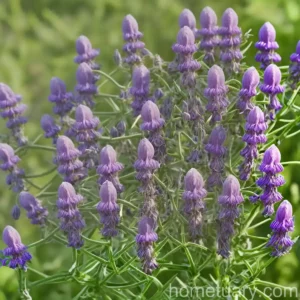
Argentine Senna (Senna Corymbosa) – A Comprehensive Guide
What is a Plant?
Plants are living organisms belonging to the kingdom Plantae and play a crucial role in the ecological balance of the planet. They are known for their ability to produce their food through the process of photosynthesis, utilizing energy from the sun, water, and carbon dioxide. With an incredible diversity of over 390,000 known species, plants come in various shapes, sizes, and forms, ranging from small mosses to towering trees. They are dispersed across different habitats, from deserts to rainforests, and have a significant impact on the environment and human life.
Argentine Senna (Senna Corymbosa)
Argentine Senna, scientifically known as Senna corymbosa, is an enchanting flowering plant that belongs to the Fabaceae family. It is native to South America and is prized for its vibrant yellow flowers and lush foliage. Argentine Senna is popular for its ornamental value and is well-loved by both novice and experienced gardeners due to its ease of care and stunning appearance. In this comprehensive guide, we will delve into every aspect of growing and caring for Argentine Senna, encompassing its culture, uses, requirements, and much more.
Key Takeaways – Argentine Senna (Senna Corymbosa)
Here are the key takeaways that we will be exploring in detail throughout this guide:
- Argentine Senna is a member of the Fabaceae family and is native to South America.
- This plant is renowned for its stunning yellow flowers and lush foliage, making it a popular choice for ornamental gardening.
- Argentine Senna is relatively low-maintenance and can thrive in various growing conditions, making it suitable for both beginner and experienced gardeners.
- The plant has potential medicinal uses and is known for its traditional applications in natural medicine.
- Argentine Senna requires adequate sunlight, well-draining soil, and regular watering to flourish.
- While it is generally resistant to pests and diseases, some care should be taken to prevent potential issues.
With these key points in mind, let’s explore the detailed care and cultivation practices essential for growing Argentine Senna successfully.
Culture
Uses
Argentine Senna holds numerous uses, ranging from ornamental and medicinal to environmental applications.
-
Ornamental: Its vibrant yellow flowers and dense foliage make Argentine Senna an attractive addition to gardens, landscapes, and even indoor spaces. It is often utilized to create striking visual displays and to attract pollinators such as bees and butterflies.
-
Medicinal: In traditional medicine, Argentine Senna is employed for its potential laxative and purgative properties. The plant contains anthraquinone glycosides, compounds known for their laxative effects, and is used in herbal remedies to support digestive health.
-
Environmental: As a native plant, Argentine Senna may also play a role in environmental conservation and habitat restoration. Its ecological benefits include providing nectar and pollen for pollinators, aiding in soil stabilization, and contributing to local biodiversity.
Water
Adequate water is crucial for the healthy growth and development of Argentine Senna. While the plant prefers well-draining soil, it requires regular watering, especially during the initial stages of establishment and during periods of drought.
-
Establishment: During the initial phase after planting, Argentine Senna should be watered deeply to ensure that the roots receive sufficient moisture. This is essential for promoting healthy root development and ensuring the plant’s ability to withstand environmental stressors.
-
Maintenance: Once established, Argentine Senna generally requires moderate watering. It is important to monitor the soil moisture levels and adjust the watering frequency based on the prevailing weather conditions.
Sunlight
Argentine Senna exhibits a preference for full sun to partial shade, thriving in bright and sunny locations. Adequate sunlight is vital for promoting flowering and maintaining the plant’s overall vigor.
-
Full Sun: Plant Argentine Senna in a location that receives at least 6-8 hours of direct sunlight daily, ensuring optimal exposure to the sun’s rays.
-
Partial Shade: While Argentine Senna prefers full sun, it can tolerate partial shade, particularly in regions with intense midday sun or during the peak of summer.
Fertilizer
In cultivation, Argentine Senna benefits from periodic fertilization to support its growth and enhance its overall health. The application of a balanced, slow-release fertilizer can provide the necessary nutrients for robust development and prolific flowering.
-
Fertilizer Type: Employ a balanced, slow-release fertilizer that ensures a steady supply of essential nutrients over an extended period. Look for formulations with a balanced ratio of nitrogen, phosphorus, and potassium, as well as micronutrients.
-
Application Frequency: Apply fertilizer to Argentine Senna in early spring as new growth begins, and consider additional applications during the growing season if necessary. Opt for a controlled-release fertilizer to minimize the risk of over-fertilization.
Soil
The right soil composition is pivotal for the successful cultivation of Argentine Senna, as it directly impacts the plant’s growth, flowering, and overall performance. Well-draining and fertile soil is essential for maintaining healthy root systems and preventing waterlogging.
-
Drainage: Argentine Senna thrives in well-draining soil and is susceptible to root rot if subjected to waterlogged conditions. Ensure that the planting site or container provides adequate drainage to prevent water accumulation.
-
Composition: Employ a loamy, well-draining soil mix with good moisture retention. Amend heavy clay soils with organic matter to enhance drainage and improve soil structure, promoting a healthy root environment for Argentine Senna.
Pruning
Regular pruning can benefit Argentine Senna by promoting a bushy growth habit, controlling its size, and enhancing flowering. Pruning also helps to remove dead or damaged foliage, rejuvenate the plant, and shape it according to preferences.
-
Timing: Prune Argentine Senna in late winter or early spring before the onset of new growth. This allows the plant to recover and initiate a fresh growth cycle during the active growing season.
-
Techniques: Use clean, sharp pruning shears to remove spent flowers, shape the plant, and eliminate any undesirable growth. Ensure that cuts are made above leaf nodes or at a slight angle to promote new growth.
Propagation
Argentine Senna can be propagated through various methods, including seeds, cuttings, and division. Each approach offers a means of expanding the plant’s presence in the garden or sharing it with other gardening enthusiasts.
-
Seed Propagation: Argentine Senna seeds can be collected from mature pods and sown in well-draining soil indoors or directly in the garden. Germination typically occurs within a few weeks, and young seedlings can be transplanted once they have developed several sets of true leaves.
-
Cutting Propagation: Stem cuttings can also be utilized to propagate Argentine Senna. Select healthy, non-flowering stems and root them in a moist, well-draining medium to encourage the development of new plants.
-
Division: Through division, established Argentine Senna plants can be separated into smaller clumps, each with its own roots and shoots. This technique can be employed to rejuvenate overgrown specimens and create new plantings.
Container Popularity
The versatility and ornamental appeal of Argentine Senna make it well-suited for container gardening, offering a range of creative possibilities for plant enthusiasts. When grown in containers, Argentine Senna can adorn patios, balconies, and outdoor living spaces, adding a touch of natural beauty to any setting. Its adaptability also enables indoor cultivation, making it an attractive choice for those seeking to incorporate greenery within their homes.
Container Common Diseases
While Argentine Senna is relatively resilient to pests and diseases, certain issues may arise, particularly when the plant is grown in containers. Understanding common diseases and their prevention methods is essential for promoting the long-term health of Argentine Senna in container environments.
Disease Diagnosis
When caring for Argentine Senna in containers, it is important to monitor the plant regularly and be attentive to any signs of disease. Common symptoms of diseases in Argentine Senna may include:
-
Leaf spots or discoloration: Irregular spots or patches on the leaves, often accompanied by changes in texture and color.
-
Wilting or drooping: Uncharacteristic wilting, drooping, or general loss of turgor in the foliage.
-
Stunted growth: Reduced growth, limited flowering, or visibly impaired overall vigor.
By promptly identifying and addressing any signs of disease, including conducting thorough visual inspections and seeking professional assistance if necessary, it is possible to mitigate potential health concerns and preserve the plant’s well-being.
Common Pests
In addition to diseases, Argentine Senna may also encounter various pests that can impact its growth and vitality when grown in containers. Common pests affecting Argentine Senna include:
-
Aphids: Small, sap-sucking insects that may appear on the tender new growth of Argentine Senna, causing distortion and stunting.
-
Caterpillars: Certain caterpillar species may feed on the foliage of Argentine Senna, leading to visible damage and defoliation.
-
Spider Mites: These tiny arachnids can infest the underside of leaves, causing stippling, discoloration, and a decline in the plant’s overall health.
Vigilance is crucial in managing pests, as early detection allows for timely intervention through targeted control measures and the preservation of the plant’s well-being.
Botanist’s Tips
Enhance your Argentine Senna care with these valuable tips gathered from botanists and experienced gardeners:
-
Mulching: Apply a layer of organic mulch around the base of Argentine Senna to conserve soil moisture, suppress weed growth, and promote a conducive root environment.
-
Companion Planting: Consider companion planting with compatible species to create diverse and harmonious garden ecosystems that benefit Argentine Senna and its neighboring plants.
-
Pollinator Support: Cultivate Argentine Senna to attract and support essential pollinators, contributing to the ecological balance and sustainability of local ecosystems.
-
Seasonal Care: Tailor your care regimen to account for seasonal changes, adjusting watering, fertilization, and protection measures as needed to accommodate shifts in environmental conditions.
-
Observation: Regularly observe your Argentine Senna for any changes in growth, flowering patterns, or signs of stress, allowing you to adapt your care practices accordingly and ensure the plant’s long-term health.
Fun Facts
Uncover intriguing and lesser-known facts about Argentine Senna that add to its charm and appeal:
-
Attracts Wildlife: Argentine Senna’s vibrant flowers and abundant nectar draw various pollinators, such as butterflies and bees, enriching garden ecosystems and fostering biodiversity.
-
Traditional Uses: Throughout history, Argentine Senna has been employed in traditional medicine for its potential medicinal properties, particularly in promoting gastrointestinal health and alleviating constipation.
-
Adaptability: Argentine Senna showcases adaptability to diverse growing conditions, displaying resilience in fluctuating environments and enhancing its appeal to gardeners of varying experience levels.
-
Native Habitat: In its native habitat of South America, Argentine Senna contributes to the natural landscape, adding beauty and ecological value to its surroundings.
-
Lifecycle: Argentine Senna undergoes remarkable changes throughout its lifecycle, from the emergence of new growth in spring to the dazzling display of blossoms in summer, offering a captivating spectacle for plant enthusiasts.
By embracing these fun facts, you can deepen your appreciation for Argentine Senna and gain a greater understanding of its significance in the natural world and horticultural pursuits.
Links to External Resources
Explore the following external resources for additional insights, expertise, and inspiration related to Argentine Senna:
- Senna Corymbosa: A Review on Botany, Ethnobotany, Phytochemistry, and Pharmacological Activities
- Guide to Growing Senna (Cassia)
- Medicinal Plants: Chemistry and Properties
These external resources offer valuable information from research, gardening organizations, and botanical experts, enriching your knowledge of Argentine Senna and its diverse aspects.
Conclusion
Argentine Senna, with its captivating flowers, ecological significance, and potential medicinal uses, stands as a remarkable botanical treasure deserving of admiration and care. By incorporating the insights and recommendations outlined in this comprehensive guide, you can cultivate Argentine Senna with confidence, ensuring its well-being, vitality, and enduring beauty in your garden or landscape. Embrace the journey of nurturing Argentine Senna, and revel in the joy of witnessing its growth, flowering, and contributions to the natural world.