Arbequina Olive (Olea Europaea ‘Arbequina’)
Introduction Olea europaea, commonly known as the olive tree, is an evergreen tree or shrub native to the Mediterranean, Asia, and Africa. Among the.
Introduction
Olea europaea, commonly known as the olive tree, is an evergreen tree or shrub native to the Mediterranean, Asia, and Africa. Among the various cultivars of olive trees, the Arbequina olive tree (Olea europaea ‘Arbequina’) is a significant and commercially important variety. Its unique flavor, adaptability to various growing conditions, and versatility make it a popular choice among growers. This comprehensive guide will explore the Arbequina olive tree, its cultivation, uses, potential drawbacks, and provide valuable insights for enthusiasts and horticulturists.
What is the Arbequina Olive Tree?
The Arbequina olive tree, scientifically known as Olea europaea ‘Arbequina’, is a cultivar originating from Spain. This variety is particularly revered for its high-quality oil and exceptional flavor profile. It thrives in a diverse range of climates and is a relatively small, compact tree, making it an attractive option for home gardeners and commercial growers. Its adaptability and early fruit-bearing nature further contribute to its popularity.
Culture
Uses
The Arbequina olive tree has multi-faceted uses, with its olives being primarily cultivated for oil production. The oil extracted from Arbequina olives is highly prized for its delicate, fruity flavor and is a favored choice for culinary applications. Additionally, the olives can also be used for table consumption, adding to the versatility of this cultivar.
Water
Arbequina olive trees have moderate water needs and should be irrigated regularly, particularly during the flowering and fruit setting stages. Adequate moisture is essential for optimal fruit development and oil production. However, it is crucial to avoid waterlogged conditions, as the roots are susceptible to rot in excessively wet soils.
Sunlight
These trees thrive in full sunlight, requiring a minimum of six hours of direct sunlight daily. Adequate sunlight is crucial for fruit production and the overall health and vigor of the tree.
Fertilizer
A balanced fertilizer regimen is beneficial for the growth and productivity of Arbequina olive trees. It is advisable to conduct a soil test to determine the specific nutrient requirements and to avoid over-fertilization, which can lead to excessive vegetative growth at the expense of fruit production.
Soil
Arbequina olive trees are adaptable to various soil types, including loamy, sandy, and well-draining soils. However, they perform best in deep, fertile, and well-drained soils with a slightly acidic to alkaline pH ranging from 6.0 to 7.5.
Pruning
Regular pruning is essential to maintain the shape, promote air circulation, and facilitate sunlight penetration within the canopy. Additionally, pruning helps to manage the size of the tree and encourages fruit production. Pruning should be conducted during the dormant season, typically in late winter or early spring.
Propagation
Arbequina olive trees can be propagated through various methods such as hardwood cuttings, softwood cuttings, and grafting. Each method has its advantages and challenges, and the choice of propagation technique often depends on the specific requirements and expertise of the grower.
Container Popularity
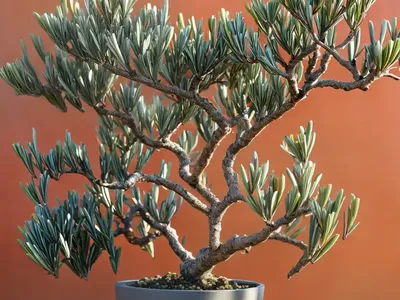
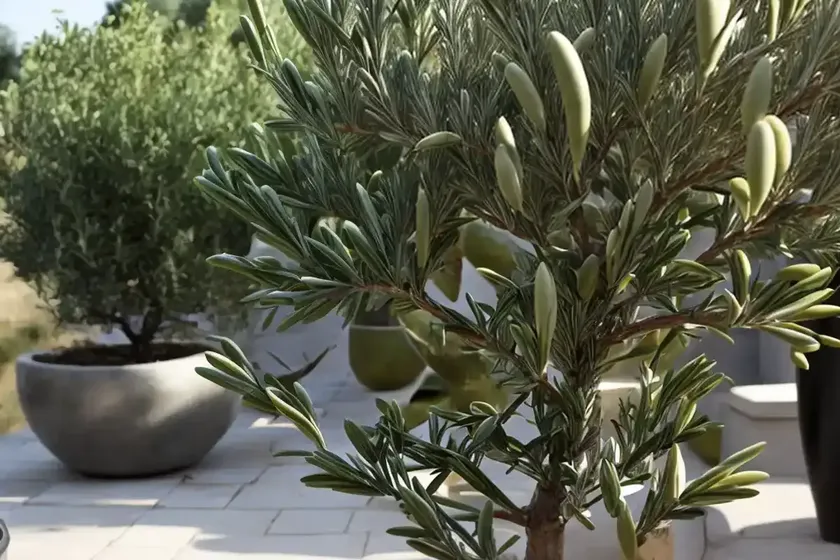
The compact nature of the Arbequina olive tree makes it well-suited for container cultivation, allowing individuals with limited space to enjoy the benefits of growing their own olives. Container-grown olive trees require careful attention to watering and root development but can be an attractive addition to patios, balconies, or small gardens.
Common Diseases
Arbequina olive trees are susceptible to certain diseases, including anthracnose, olive knot, and Verticillium wilt. Regular monitoring, proper cultural practices, and timely intervention with organic or chemical controls can help mitigate the impact of these diseases.
Disease Diagnosis
Diagnosing diseases in olive trees can be complex, and it often requires a combination of visual inspection, symptom analysis, and laboratory testing. Experienced professionals or diagnostic laboratories can assist in accurately identifying the underlying cause of the symptoms and formulating an effective management strategy.
Common Pests
The most common pests that affect Arbequina olive trees include the olive fruit fly, olive psyllid, and scale insects. Monitoring for early signs of pest infestations, implementing cultural controls, and utilizing targeted insecticides when necessary are integral components of a pest management program.
Conclusion
In conclusion, the Arbequina olive tree exemplifies the remarkable diversity and resilience of Olea europaea cultivars. Its adaptability to various climates, compact size, and exceptional fruit quality make it a sought-after choice for growers and enthusiasts worldwide. By following the guidelines for cultivation, pest and disease management, and harvesting, individuals can successfully cultivate and enjoy the bountiful harvests and culinary delights associated with the Arbequina olive tree. Whether for oil production, table olives, or landscape appeal, this cultivar continues to captivate and inspire a deep appreciation for the art and science of olive cultivation.
The comprehensive coverage of the Arbequina olive tree in this guide aims to provide valuable insights, practical recommendations, and a deeper understanding of the cultural, culinary, and botanical significance of this revered cultivar. Embracing the art of olive cultivation and olive oil production offers a rich tapestry of experiences, from the vibrant groves to the savory delights that grace the kitchen table. As we celebrate the timeless legacy of the olive tree, the Arbequina variety stands as a shining emblem of tradition, innovation, and the enduring allure of the Mediterranean’s golden fruit.
Through this guide, readers are invited to embark on a journey infused with the essence of the Arbequina olive tree, encompassing its heritage, cultivation, and the distinctive flavors and aromas that have enraptured generations. As we delve into the multifaceted realm of the Arbequina olive, we unveil the intricacies of its horticultural prowess, its culinary splendor, and its enduring legacy that continues to flourish across diverse landscapes and cultures.
References
- “Arbequina Olive Tree – Tips on Planting Arbequina Olive Trees.” Gardening Know How, https://www.gardeningknowhow.com/edible/fruits/olive/growing-arbequina-olives.htm.
- Lodolini, Enrico Maria, et al. “Long-Term Trends in the Variability of Arbequina Olive Oil Composition in Different Growing Areas of Southern Chile.” Journal of Agricultural and Food Chemistry, vol. 68, no. 22, 2020, pp. 6063–6072.
- Moutier, Nicolas, et al. “Effect of Cultivar and Altitude on the Sensory and Nutritional Properties of Olive Oils in Northern Morocco.” Food Chemistry, vol. 334, 2021, 127578.
- “Growing Olive Trees in the Arizona Desert.” University of Arizona Cooperative Extension, https://extension.arizona.edu/pubs/growing-olive-trees-arizona-desert.
- Sada, Barbara, et al. “From the Barrel to the Pan. Biphasic Olive Oils Offer New Perspectives for Olive Oil Use.” Foods, vol. 9, no. 6, 2020, 719.
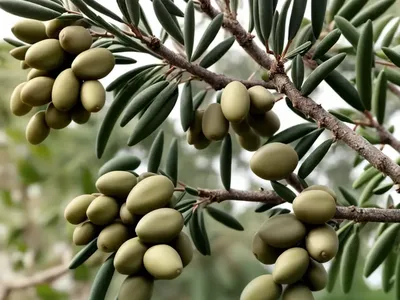
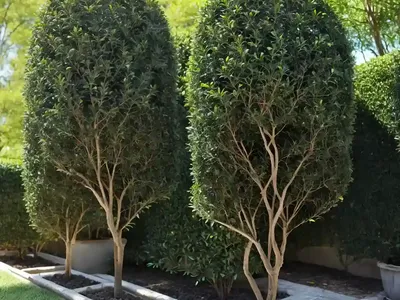
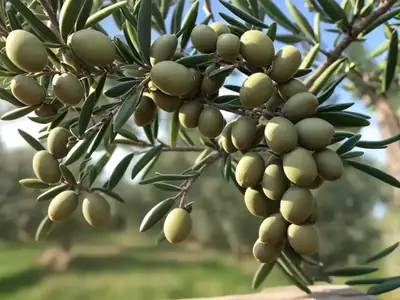
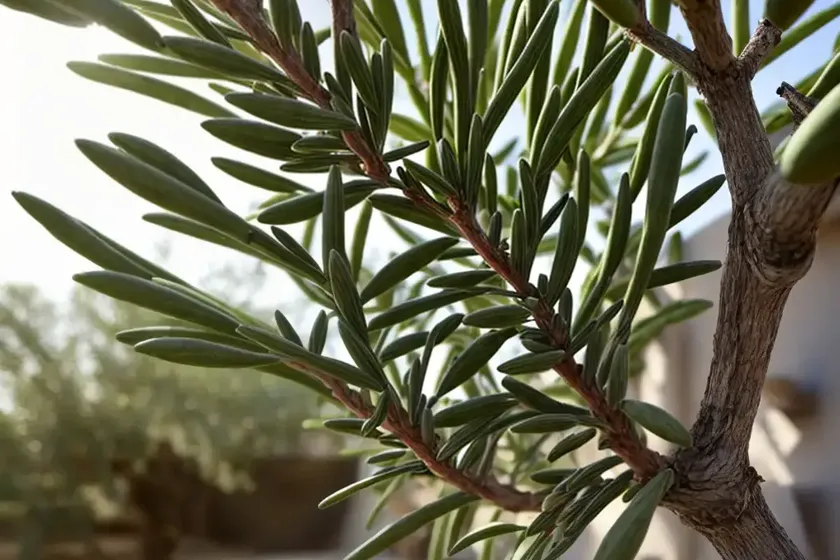
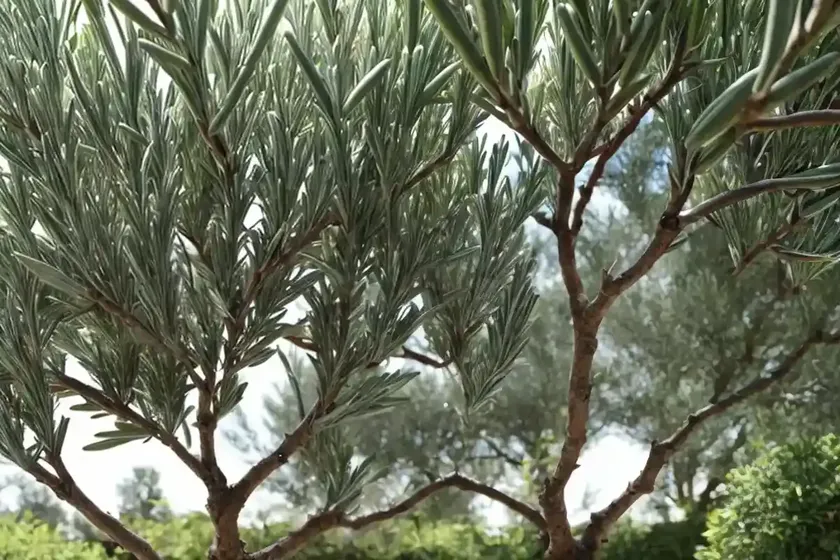
An image of a flourishing Arbequina Olive Tree.