Aquilegia ‘McKana Hybrid’ (Columbine)
Plants have a unique way of capturing our attention and adding beauty to our surroundings. Among the diverse range of plant species, the Aquilegia ‘McKana.
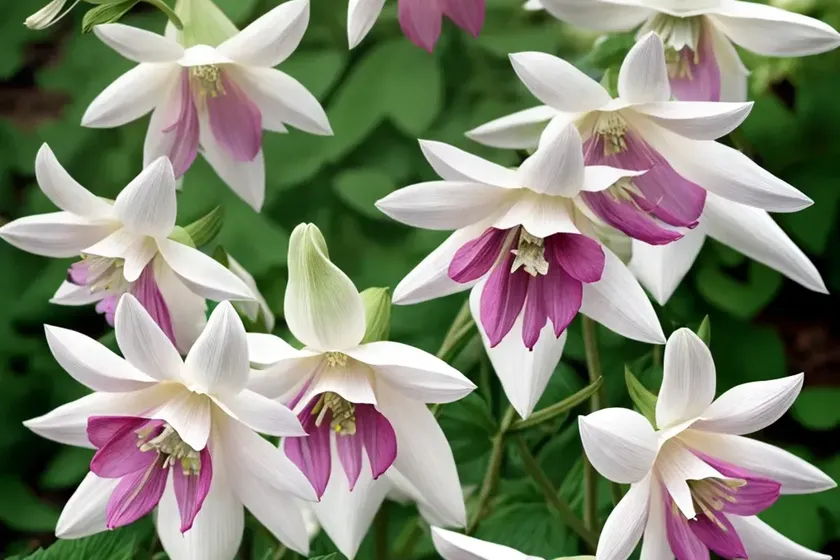
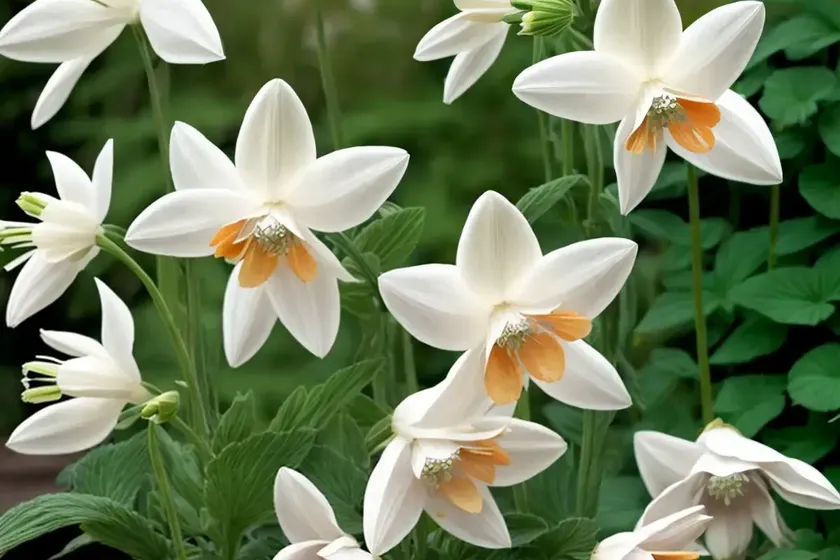
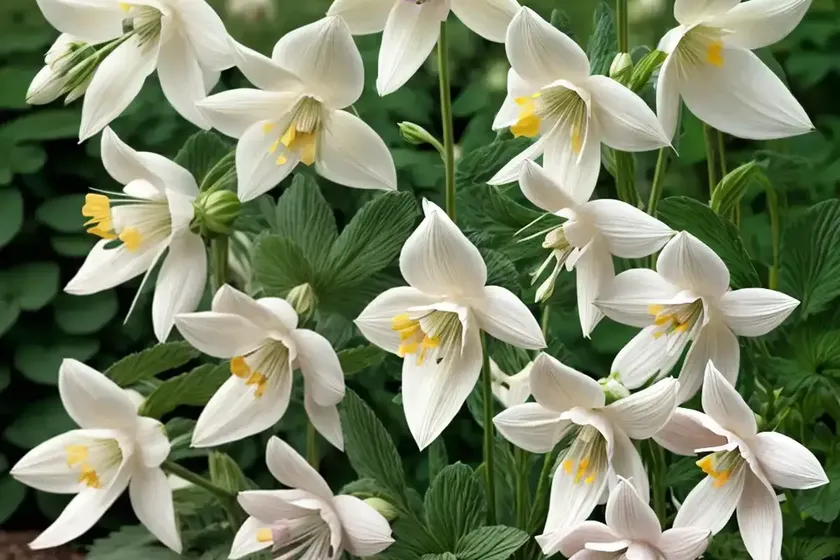
Plants have a unique way of capturing our attention and adding beauty to our surroundings. Among the diverse range of plant species, the Aquilegia ‘McKana Hybrid’ (Columbine) stands out due to its distinctive and vibrant flowers. In this comprehensive guide, we will delve into the cultivation, care, and various aspects of this stunning perennial.
What is Aquilegia ‘McKana Hybrid’ (Columbine)?
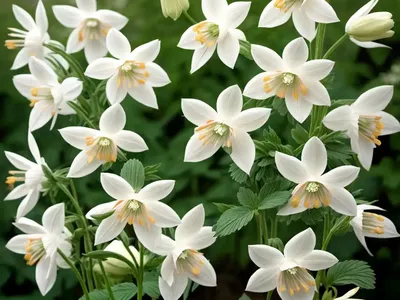
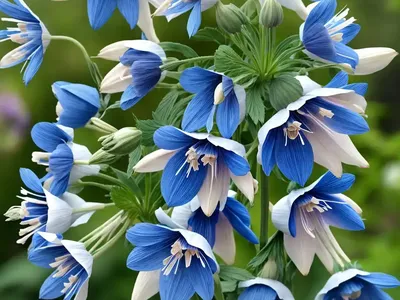
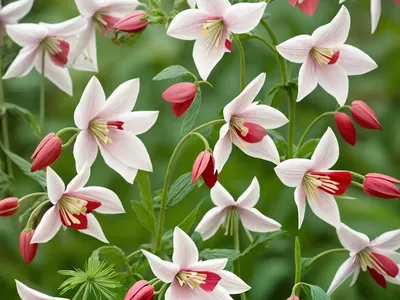
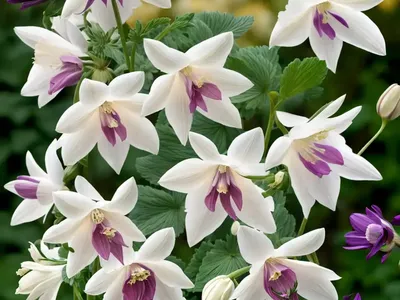
Aquilegia ‘McKana Hybrid’, commonly known as Columbine, is a perennial plant that belongs to the Ranunculaceae family. This exquisite plant is revered for its delicate, bell-shaped flowers that bloom in an array of colors, including blue, pink, purple, red, white, and yellow. The unique shape of its flowers, akin to a cluster of doves, further enhances its allure.
The Columbine plant typically reaches a height of 18-24 inches (45-60 cm) and spreads about 15-18 inches (37-45 cm) wide. Its fern-like foliage adds to its visual appeal, making it an ideal choice for gardens, borders, and containers.
Key Takeaways – Aquilegia ‘McKana Hybrid’ (Columbine)
Before we delve into the specifics of cultivating and caring for this captivating plant, let’s outline the key takeaways that will be covered in this comprehensive guide:
- Culture: Understanding the natural habitat and growth habits of Aquilegia ‘McKana Hybrid’.
- Uses: Exploring the ornamental and practical uses of Columbine in landscaping and gardens.
- Water: Unveiling the watering needs and best practices for maintaining optimal soil moisture.
- Sunlight: Delving into the sunlight requirements and ideal growing conditions for Columbine.
- Fertilizer: Identifying the nutritional needs of Aquilegia ‘McKana Hybrid’ and how to provide essential nutrients.
- Soil: Exploring the preferred soil type and composition for cultivating healthy Columbine plants.
- Pruning: Techniques for maintaining the shape, health, and vigor of the plant through appropriate pruning.
- Propagation: Understanding the various methods for propagating Aquilegia ‘McKana Hybrid’.
- Container Popularity: Insights into growing Columbine in containers, along with best practices.
- Common Diseases: Identifying prevalent diseases and effective measures to prevent and address them.
- Disease Diagnosis: Understanding the symptoms and diagnostic steps for diseases affecting Columbine.
- Common Pests: Exploring the common pests that pose a threat to Aquilegia ‘McKana Hybrid’ and methods for control.
- Botanist’s Tips: Expert recommendations and insights to ensure successful cultivation of Columbine.
- Fun Facts: Engaging and intriguing facts about Aquilegia ‘McKana Hybrid’ that add to its appeal.
Now, let’s embark on a detailed journey through the world of Aquilegia ‘McKana Hybrid’, where we will uncover the secrets to cultivating and caring for this captivating perennial.
Culture
Understanding the natural habitat and growth habits of the Aquilegia ‘McKana Hybrid’ (Columbine) is crucial for successfully cultivating and caring for this beautiful plant. Columbine is native to woodland and meadow habitats of North America, Europe, and Asia. It thrives in areas with partial shade and well-draining soil, with a preference for cooler temperatures.
Growing Conditions
Hardiness Zones: Columbine is generally suitable for hardiness zones 3-9, with some variations within specific cultivars.
Soil Type: Well-draining, loamy soil is ideal for Columbine. It prefers slightly acidic to neutral soil pH (6.0-7.0).
Light: Partial shade to full sun is recommended, especially in regions with warmer climates. In warmer areas, providing morning sun and afternoon shade can help protect the plant from excessive heat.
Temperature: Columbine thrives in cooler temperatures. It can withstand light frosts, making it a suitable perennial for regions with varying seasonal climates.
Uses
The Aquilegia ‘McKana Hybrid’ (Columbine) is cherished for its ornamental value and diverse applications in landscaping and gardens. Its striking flowers, diverse colors, and graceful foliage make it a popular choice for various landscaping purposes.
Ornamental Value
The distinctive and intricate flowers of Columbine make it a captivating addition to any garden or landscape. Its bell-shaped blossoms, often with contrasting hues and delicate spurs, add an enchanting allure. Whether used as a standalone specimen, a mass planting, or combined with other perennials, Columbine lends a touch of elegance and visual interest to outdoor spaces.
Pollinator Attraction
Another notable benefit of growing Aquilegia ‘McKana Hybrid’ lies in its ability to attract pollinators, particularly hummingbirds and bees. The nectar-rich flowers and their unique structure make them a valuable food source for these beneficial creatures, contributing to the overall biodiversity and ecological balance of the garden.
Herbal and Medicinal Uses
In addition to its ornamental appeal, certain species of Aquilegia have been historically used for medicinal purposes. However, it’s crucial to note that Columbine contains toxic compounds and should not be ingested, as it can cause adverse effects if consumed. Therefore, any historical or traditional uses of the plant in herbal remedies should be approached with caution and under the guidance of healthcare professionals.
Water
Proper watering is essential for the healthy growth and blooming of Aquilegia ‘McKana Hybrid’. Understanding the specific watering needs and practices for this perennial is crucial for maintaining optimal soil moisture and overall plant health.
Watering Needs
Columbine prefers slightly moist soil, and regular watering is crucial, especially during dry spells or periods of prolonged heat. However, it’s important to avoid waterlogged conditions, as excessive moisture can lead to root rot and other complications. Striking a balance by ensuring adequate moisture without waterlogging is key to successful cultivation.
Best Practices
-
Regular Monitoring: Regularly inspect the soil moisture levels, especially during warmer months. Adjust the frequency and volume of watering based on the plant’s needs and environmental conditions.
-
Deep Watering: When watering, ensure that the soil is thoroughly moistened to encourage deep root development. This is particularly important during the establishment phase and periods of drought.
-
Mulching: Applying a layer of organic mulch around the base of Columbine plants can help retain soil moisture, minimize evaporation, and reduce the frequency of watering.
-
Avoiding Overhead Watering: As the foliage of Columbine can be prone to fungal diseases, it is advisable to water the plant at the base to minimize moisture on the leaves.
Sunlight
Understanding the sunlight requirements and ideal growing conditions for Aquilegia ‘McKana Hybrid’ is essential for ensuring its healthy and vigorous development.
Sunlight Preferences
Columbine thrives in partial shade to full sun, with a preference for partial shade in regions with warmer climates. In cooler areas, it can tolerate more sun exposure, provided that the soil moisture is adequately maintained to prevent stress due to excessive heat.
Ideal Growing Conditions
To provide optimal growing conditions for Columbine, consider the following:
-
Morning Sun: In regions with warmer climates, providing morning sun and afternoon shade can help protect the plant from excessive heat stress. This balance of sunlight exposure can promote healthy growth and prolific flowering.
-
Filtered Light: In partial shade, Columbine can benefit from the dappled or filtered light that is characteristic of woodland settings. The gentle, indirect light can support robust growth and vibrant bloom production.
-
Protection from Harsh Afternoon Sun: In areas with intense afternoon sun, planting Columbine in locations where it receives shade during the hottest part of the day can prevent foliage scorch and dehydration.
By catering to the sunlight preferences of Aquilegia ‘McKana Hybrid’, gardeners can ensure that the plant thrives and showcases its distinctive flowers to their fullest potential.
Fertilizer
Providing essential nutrients through proper fertilization is integral to promoting the healthy growth and flowering of Aquilegia ‘McKana Hybrid’. Understanding the nutritional needs of Columbine and adopting appropriate fertilization practices can significantly contribute to its vigor and visual appeal.
Nutritional Requirements
Columbine generally benefits from a balanced and slow-release fertilizer that provides essential macronutrients and micronutrients. It is advisable to use a fertilizer with a higher proportion of phosphorus to encourage robust root development and prolific flowering.
Fertilization Guidelines
-
Timing: Apply fertilizer in early spring, as new growth emerges. A second application in late spring or early summer can provide additional nourishment to support active flowering.
-
Dilution and Application: Dilute the fertilizer according to the manufacturer’s instructions, and apply it around the base of the plant to ensure that the nutrients reach the root zone. Avoid direct contact with the foliage to prevent potential leaf burn.
-
Organic Options: For those preferring organic fertilizers, compost and well-decomposed organic matter can serve as valuable sources of nutrients for Columbine. They also contribute to soil structure and microbial activity.
-
Avoid Over-Fertilization: Over-fertilizing can lead to excessive vegetative growth at the expense of flower production. Adhere to the recommended dosage and frequency, and monitor the plant’s response to ensure balanced growth.
By providing adequate and balanced nutrition, gardeners can support the vitality and enduring charm of Columbine, allowing it to flourish and grace their gardens with its enchanting blooms.
Soil
The composition and quality of the soil play a pivotal role in the successful cultivation and robust growth of Aquilegia ‘McKana Hybrid’. Understanding the preferred soil type and implementing appropriate soil management practices are essential for ensuring the health and vigor of Columbine.
Preferred Soil Type
Columbine thrives in well-draining, loamy soil with a slightly acidic to neutral pH. The following soil characteristics are optimal for cultivating healthy and resilient Columbine plants:
-
Drainage: Good drainage is crucial, as Columbine is susceptible to root rot in waterlogged conditions. Amending heavy or compacted soils with organic matter can improve drainage and aeration.
-
Texture: A loamy soil texture, characterized by a balanced combination of sand, silt, and clay, provides an ideal growing medium for Columbine. It promotes root development and supports the uptake of essential nutrients.
-
pH Level: The preferred soil pH for Columbine ranges from 6.0 to 7.0. Conducting a soil test can help determine the existing pH and guide the necessary amendments for creating an optimal growing environment.
Soil Amendment and Preparation
In preparation for planting or maintaining established Columbine, consider the following soil management practices:
-
Organic Matter: Incorporating organic matter, such as well-rotted compost or aged manure, can enrich the soil, improve its structure, and enhance its water retention capacity.
-
Mulching: Applying a layer of organic mulch around the base of Columbine helps regulate soil temperature, retain moisture, and suppress weed growth. Organic mulches also contribute to the gradual improvement of soil structure over time.
-
Soil Testing: Periodic soil testing can provide valuable insights into the fertility and pH of the soil, enabling gardeners to make informed decisions regarding soil amendments and fertilization.
By catering to the specific soil preferences of Columbine and implementing appropriate soil management strategies, gardeners can create an optimal growing environment that supports the enduring beauty and resilience of this captivating perennial.
Pruning
Pruning is a fundamental aspect of maintaining the health, shape, and vigor of Aquilegia ‘McKana Hybrid’. By adopting appropriate pruning techniques, gardeners can promote flowering, manage plant size, and address potential issues such as disease or pest infestations.
Pruning Techniques
The following are key pruning techniques and considerations for the effective care of Columbine:
-
Deadheading: Removing spent flowers through deadheading encourages continuous blooming and prevents seed formation, redirecting the plant’s energy into flower production.
-
Thinning: Thinning out overcrowded or weak stems can improve air circulation, reduce the risk of fungal diseases, and enhance the overall appearance of the plant.
-
Cleanup: Removing any damaged, discolored, or diseased foliage is essential to prevent the spread of diseases and maintain the aesthetic appeal of Columbine.
-
Division: Periodic division of established clumps can rejuvenate the plant, promote new growth, and prevent overcrowding. Dividing Columbine every few years also allows for the propagation of new plants.
Timing of Pruning
Pruning tasks for Columbine can be carried out at specific times to maximize their effectiveness and minimize potential negative impacts:
-
Deadheading: Regular deadheading during the flowering season, along with intermittent removal of spent flowers, supports prolonged and prolific blooming.
-
Thinning and Cleanup: Thinning and cleanup tasks can be performed as needed, especially if the plant exhibits signs of congestion, disease, or decline in overall vigor.
-
Division: Division of established clumps is typically undertaken in early spring or fall, when the plant is not actively flowering, to minimize stress and facilitate rapid establishment of the divided segments.
By incorporating these pruning techniques into the regular maintenance routine, gardeners can ensure that Aquilegia ‘McKana Hybrid’ maintains its vitality, graceful form, and continuous flowering, enhancing its presence in the garden.
Propagation
Understanding the various methods for propagating Aquilegia ‘McKana Hybrid’ is essential for expanding its presence in the garden or sharing its beauty with others. Columbine can be propagated through seeds, division, or root cuttings, each method offering unique advantages and considerations.
Seed Propagation
Propagating Columbine from seeds enables gardeners to cultivate new plants with a diverse range of flower colors and characteristics. The following steps outline the process of propagating Aquilegia ‘McKana Hybrid’ from seeds:
-
Seed Collection: Harvest mature seeds from the spent flowers of Columbine once they have dried and turned brown. Gently remove the seeds and allow them to air dry for a few days.
-
Germination: Start seeds indoors in late winter or early spring, providing a germination substrate with good drainage. Columbine seeds typically germinate within 20-30 days when kept at a temperature of around 60-68°F (15-20°C).
-
Seedling Care: Transplant the seedlings into individual containers when they develop their first true leaves. Provide adequate light, moisture, and nutrition to support healthy seedling growth.
-
Outdoor Planting: Once the threat of frost has passed, transplant the well-established seedlings into the desired garden locations, ensuring proper spacing and soil preparation.
Division
Division of established Columbine plants is a reliable method for propagating new individuals and promoting the rejuvenation of mature clumps. The division process involves separating the plant into smaller segments, each containing roots and growing points, and transplanting them to new locations.
Root Cuttings
Propagating Columbine through root cuttings involves taking small sections of root from a healthy parent plant and encouraging them to develop into independent plants. This method is particularly useful for propagating specific cultivars and ensuring genetic integrity in the offspring.
By exploring the diverse propagation methods and applying them in accordance with specific goals and preferences, gardeners can expand the presence of Aquilegia ‘McKana Hybrid’ in their gardens and share its enchanting beauty with others.
Container Popularity
The allure of Aquilegia ‘McKana Hybrid’ extends to container gardening, where its captivating flowers and graceful foliage can embellish outdoor spaces, patios, and balconies. Cultivating Columbine in containers presents unique opportunities and considerations that contribute to its widespread popularity in container gardening.
Container Selection
When choosing containers for Columbine, consider the following factors:
-
Size: Select containers that provide ample room for root growth and establishment. Opt for containers with a diameter and depth that accommodate the mature size of the plant.
-
Drainage: Ensure that the containers have adequate drainage holes to prevent waterlogging and allow excess moisture to escape. Lining the base of the container with a layer of coarse gravel or broken pottery shards can further enhance drainage.
-
Aesthetics: Choose containers that complement the visual appeal of Columbine, whether by harmonizing with its flower colors or providing an attractive contrast.
Soil and Maintenance
When cultivating Columbine in containers, the following soil and maintenance practices are crucial for its health and vigor:
-
Potting Mix: Utilize well-draining, high-quality potting mix with a balanced composition of organic matter and mineral components. Amend the potting mix with perlite or coarse sand for improved aeration and drainage.
-
Watering: Monitor the moisture levels closely, as containers can experience faster drying of the soil. Regular watering is essential, especially during warm weather, to maintain optimal soil moisture.
-
Fertilization: Apply a balanced, slow-release fertilizer to container-grown Columbine in accordance with the recommended guidelines. Ensure even distribution and avoid direct contact with the foliage to prevent potential leaf burn.
-
Deadheading and Pruning: Regular deadheading and occasional pruning of container-grown Columbine help maintain continuous flowering and manage the plant’s size and form within the confined space.
By embracing the versatility and charm of Aquilegia ‘McKana Hybrid’ in container gardening, enthusiasts can enjoy its captivating blooms and elegant foliage in diverse outdoor settings, creating a picturesque display that enriches the surroundings.
Common Diseases
Aquilegia ‘McKana Hybrid’ is generally a resilient plant that exhibits good disease resistance under favorable growing conditions. However, certain environmental stressors and inadequacies in care can render it susceptible to various diseases. Understanding common diseases affecting Columbine and implementing preventive measures is crucial for maintaining its health and vitality.
Disease Susceptibility
The following diseases are among the common afflictions that may affect Aquilegia ‘McKana Hybrid’:
-
Powdery Mildew: This fungal disease manifests as a powdery, white coating on the foliage, leading to stunted growth and diminished ornamental value.
-
Leaf Spot: Leaf spot diseases cause the formation of dark spots on the foliage, often accompanied by leaf yellowing and premature defoliation.
-
Crown Rot: Excessive soil moisture and poor drainage can lead to the development of crown rot, resulting in the wilting and decay of the crown and roots.
-
Botrytis Blight: This fungal disease, also known as gray mold, causes grayish patches on the foliage and flowers, often leading to their deterioration.
Prevention and Management
Implementing the following measures can help prevent and manage common diseases affecting Aquilegia ‘McKana Hybrid’:
-
Proper Air Circulation: Ensure adequate spacing between plants to promote air circulation, reduce humidity around the foliage, and minimize the risk of fungal diseases.
-
Moderate Watering: Avoid overwatering, as excessive soil moisture can predispose Columbine to fungal diseases. Water at the base of the plant and in the morning to allow foliage to dry quickly.
-
Sanitation: Regularly remove and dispose of any affected foliage or plant debris to prevent the spread of diseases. Clean and disinfect tools to prevent cross-contamination.
-
Fungicidal Treatments: Application of fungicidal sprays, following the manufacturer’s recommendations, can help control and suppress fungal diseases when necessary. Ensure proper coverage and timing for effective protection.
By taking proactive measures to address potential disease threats and promote a healthy growing environment, gardeners can safeguard the charm and resilience of Aquilegia ‘McKana Hybrid’, ensuring its enduring presence in the garden.