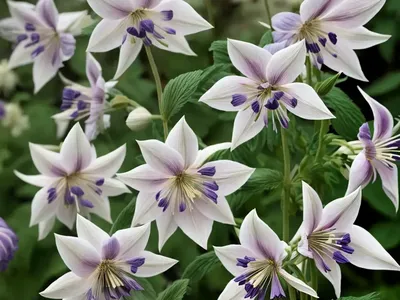
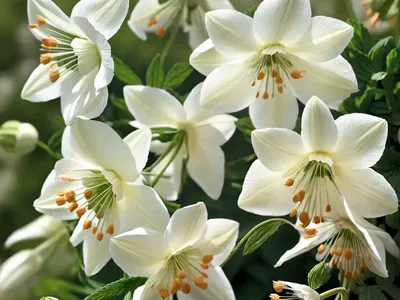
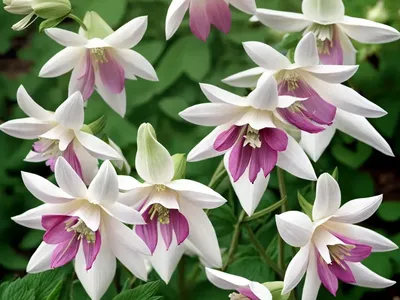
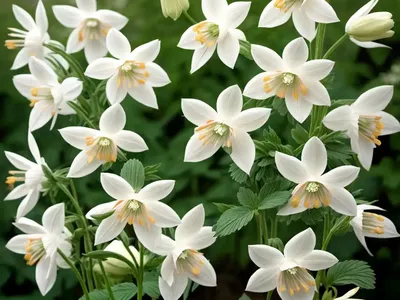
Aquilegia Formosa (Western Columbine)
Aquilegia formosa, commonly known as Western Columbine, is a delicate and beautiful flowering plant native to the western regions of North America. This.
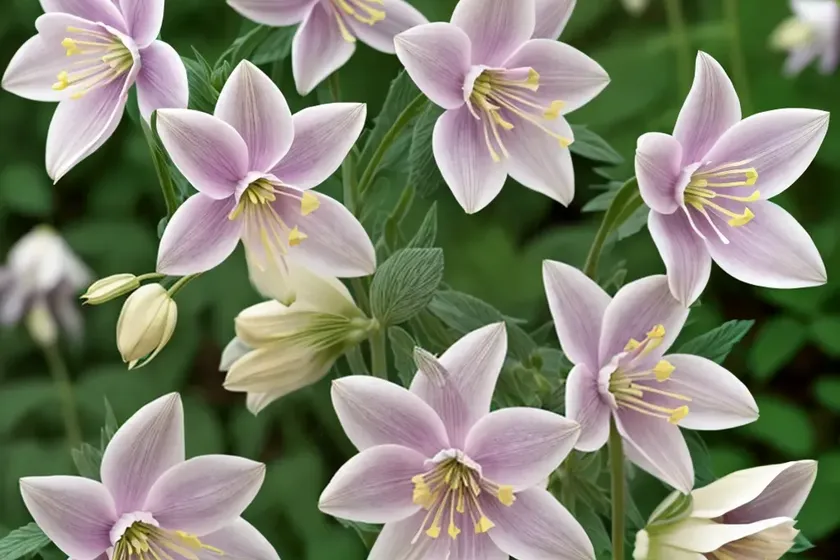
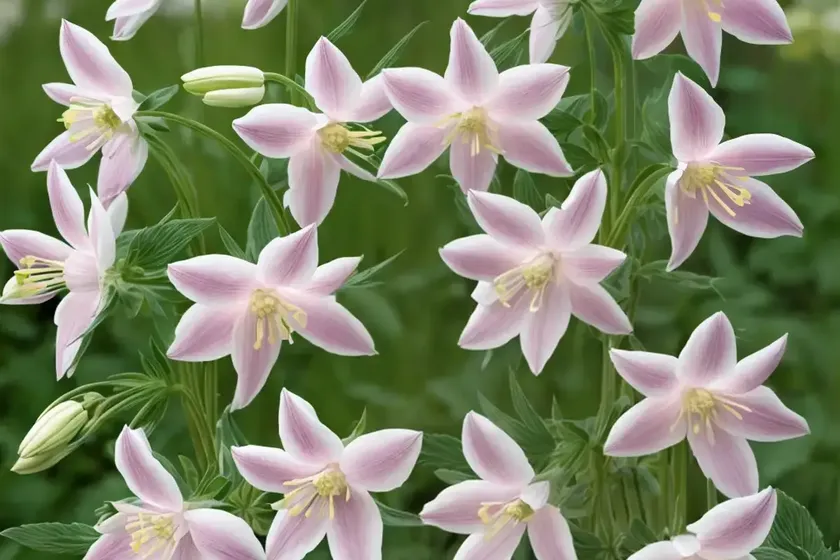
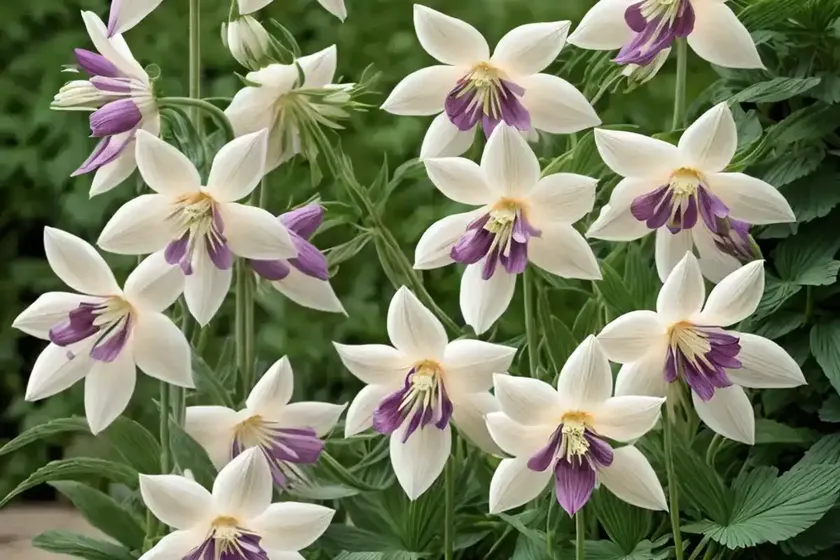
Aquilegia formosa, commonly known as Western Columbine, is a delicate and beautiful flowering plant native to the western regions of North America. This plant is favored for its distinct, bell-shaped flowers in an array of vibrant colors and has long been a favorite in gardens and natural landscapes. With its unique characteristics and versatile uses, Aquilegia formosa has become a sought-after plant for enthusiasts and horticulturists alike.
In this comprehensive guide, we will explore the various aspects of Aquilegia formosa, including its characteristics, care requirements, propagation methods, cultural significance, and much more. Whether you’re a seasoned gardener, a plant enthusiast, or simply curious about this charming species, this guide will provide valuable insights into the world of Aquilegia formosa.
What is Aquilegia formosa (Western Columbine)?
Aquilegia formosa, belonging to the Ranunculaceae family, is a herbaceous perennial plant that is native to the western parts of North America, including regions such as California, Oregon, and Washington. It is known for its distinctive flowers, which typically feature spurred petals in a variety of colors, ranging from red and yellow to orange and pink. The name “Aquilegia” is derived from the Latin word “aquila,” which means “eagle,” referring to the shape of the flower’s petals that are believed to resemble an eagle’s talons. “Formosa” translates to “beautiful,” reflecting the plant’s captivating appearance.
Key Takeaways – Aquilegia formosa (Western Columbine)
Before delving into the specific aspects of Aquilegia formosa, let’s take a moment to explore the key takeaways that will be covered in this guide:
- Characteristics of Aquilegia formosa
- Plant Care for Western Columbine
- Growing Tips for Aquilegia formosa
- Varieties of Aquilegia formosa
- Significance of Western Columbine Flowers
- Planting Tips for Aquilegia formosa
- Propagation Methods for Western Columbine
- Fascinating Facts about Western Columbine
- Habitat of Aquilegia formosa
- Optimal Conditions for Growing Aquilegia formosa
- Medicinal Uses of Aquilegia formosa
- Native Range of Western Columbine
- Blooming Season of Aquilegia formosa
- Cultivation of Western Columbine
- Natural Habitats of Aquilegia formosa
- Designing Gardens with Aquilegia formosa
- Landscaping Ideas with Western Columbine
- Wildlife Benefits of Aquilegia formosa
- Companion Plants for Western Columbine
- Pest Control for Aquilegia formosa
- Pruning Techniques for Western Columbine
- Gardening Tips for Aquilegia formosa
- Container Gardening with Western Columbine
- Soil Requirements for Aquilegia formosa
- Water Needs of Western Columbine
- Sun Exposure for Aquilegia formosa
- Shade Tolerance of Western Columbine
- Plant Diseases Affecting Aquilegia formosa
- Common Problems with Western Columbine
- Seasonal Care for Aquilegia formosa
- Symbolism of Western Columbine Flowers
- Pollinator-Friendly Nature of Aquilegia formosa
- Identifying Different Species of Western Columbine
- Garden Uses of Aquilegia formosa
- Ornamental Features of Western Columbine
- Naturalizing Aquilegia formosa
- Favorite Cultivars of Western Columbine
- Creating Wildlife-Friendly Gardens with Aquilegia formosa
- Local Conservation Efforts for Western Columbine
- Historical Uses of Aquilegia formosa
- Folklore Surrounding Western Columbine
- Garden Maintenance for Aquilegia formosa
- Eco-Friendly Gardening with Western Columbine
- Using Aquilegia formosa in Garden Borders
- Incorporating Western Columbine into Rock Gardens
- Choosing Plant Companions for Aquilegia formosa
- Endangered Status of Western Columbine
- Landscape Design with Aquilegia formosa
- Drought Tolerance of Western Columbine
With our roadmap established, let’s embark on a journey through the captivating world of Aquilegia formosa.
Characteristics of Aquilegia formosa
Aquilegia formosa is known for its distinctive features, setting it apart from other plants in the flora of its native habitat. Understanding the characteristics of this species is crucial in appreciating its allure and in successfully cultivating it in various settings.
Plant Description
- Habit: Aquilegia formosa is a herbaceous perennial, meaning it completes its life cycle over the course of multiple years, typically regrowing each spring.
- Foliage: The plant features delicate, fern-like leaves that are bluish-green in color, lending an airy and graceful appearance to the foliage.
- Flowers: The most striking feature of Aquilegia formosa is its unique flowers, which are pendulous and nodding, with elongated, spurred petals that give them a distinctive shape.
Flower Colors and Variations
- Color Range: Western Columbine typically exhibits a wide range of colors, including red, pink, yellow, and orange, often with spectacularly contrasting combinations and patterns.
- Varietal Diversity: Numerous cultivated varieties of Aquilegia formosa have been developed, each with its own color combinations and subtle variations in petal shape and size. These variations contribute to the plant’s popularity in horticulture.
Size and Growth
- Height: Aquilegia formosa generally grows to a height of 1 to 3 feet, with its height being influenced by environmental conditions and the plant’s specific genetic makeup.
- Spread: The plants can spread to approximately 1 to 1.5 feet, creating attractive clumps in garden settings.
Blooming Season
- Timing: Aquilegia formosa typically blooms in late spring to early summer, producing an abundance of flowers that add a vibrant touch to the landscape during this season.
- Duration: The blooming period can last several weeks, providing a sustained display of color and attracting pollinators.
Western Columbine Plant Care
Successful cultivation and maintenance of Aquilegia formosa rely on a thorough understanding of the plant’s care requirements. These encompass a range of factors, including water, sunlight, soil, and fertilizer needs, as well as considerations for pruning and disease management.
Water Requirements
- Moisture Levels: Aquilegia formosa thrives in well-draining, consistently moist soil conditions. While it appreciates ample moisture, it is crucial to avoid waterlogging the soil, as excessive standing water can lead to root rot and other issues.
- Watering Schedule: In the absence of regular rainfall, it is essential to water the plant deeply but infrequently, allowing the soil to partially dry out between waterings to prevent waterlogged conditions.
Sunlight Preferences
- Light Exposure: While Aquilegia formosa can tolerate partial shade, it generally prefers a location with dappled sunlight or partial sun, where it can receive a few hours of direct sunlight each day. Excessive shade can lead to reduced flowering and make the plant more susceptible to disease.
Fertilization
- Nutrient Needs: Aquilegia formosa benefits from a moderate level of nutrients. Applying a balanced, slow-release fertilizer in early spring can help support healthy growth and robust flowering.
- Frequency: It is advisable to fertilize the plants once a year, generally in early spring, to provide the necessary nutrients for the upcoming growing season.
Soil Requirements
- Type: Well-draining, fertile soil is ideal for Aquilegia formosa. The addition of organic matter, such as compost or aged manure, can help improve soil structure and fertility, promoting vigorous growth and blooming.
- pH Range: The plant thrives in a slightly acidic to neutral soil pH, typically within the range of 6.0 to 7.0.
Pruning Practices
- Timing: Pruning should be conducted after the blooming period to remove spent flowers and encourage the development of new growth.
- Method: Deadheading, or the removal of faded flowers, can promote prolonged blooming and prevent the plant from expending energy on seed production. Additionally, cutting back the plant by a third of its height after flowering can tidy its appearance and stimulate healthy regrowth.
Propagation Methods for Aquilegia formosa
Aquilegia formosa can be propagated through various techniques, allowing enthusiasts to expand their plant collection or share the beauty of this species with others. Understanding the methods of propagation is essential for successfully producing new plants from existing ones.
Seed Propagation
- Collecting Seeds: Aquilegia formosa produces distinctive, elongated seed pods that form after the flowers have faded. Collecting the mature seeds from these pods provides a source for propagation.
- Sowing Seeds: The seeds can be sown directly in the garden in the fall or early spring, or they can be started indoors several weeks before the last projected frost date in the region.
Division
- Process: Established clumps of Aquilegia formosa can be divided into smaller sections, each with its own set of roots and foliage, during the plant’s dormant season.
- Benefits: Division not only facilitates the propagation of new plants but also rejuvenates older clumps, promoting better growth and flowering in the long run.
Offset Propagation
- Nature of Offsets: Aquilegia formosa often produces offsets, or small plantlets, around the base of the main clump. These offsets can be carefully separated and replanted to establish new plants.
- Timing: It is best to carry out offset propagation in early spring when the plants are beginning to emerge from dormancy.
Aquilegia formosa: Cultural Significance and Uses
Beyond its role as an ornamental plant in gardens and landscapes, Aquilegia formosa holds cultural significance and offers a range of practical and aesthetic uses. Understanding these aspects adds depth to our appreciation of this captivating species.
Historical and Medicinal Uses
- Traditional Context: Historically, Native American tribes in the plant’s native regions have utilized various parts of Aquilegia formosa for medicinal purposes, employing it to treat ailments such as fever and dysentery.
- Caution: While the plant has been used medicinally in traditional contexts, it is important to exercise caution and consult reliable sources before considering any medicinal uses of Aquilegia formosa due to potential toxic properties within the plant.
Ecological Value
- Wildlife Support: Aquilegia formosa, like many native plants, plays a critical role in supporting local ecosystems by providing nectar and pollen for pollinators such as bees, hummingbirds, and butterflies. It also serves as a host plant for certain butterfly species.
Aesthetic Purposes
- Garden Ornament: Highly valued for its charming and distinct flowers, Aquilegia formosa is a popular choice for borders, woodland gardens, and naturalistic settings, introducing elements of vibrancy and elegance to outdoor spaces.
- Cut Flowers: The attractive blooms of Aquilegia formosa make it a delightful choice for cut flower arrangements, adding a touch of natural beauty to indoor spaces as well.
Aquilegia formosa: Native Range and Habitat
Understanding the native range and natural habitat of Aquilegia formosa provides insights into its ecological niche and the environmental conditions that support its growth and reproduction.
Native Distribution
- Geographic Range: Aquilegia formosa is native to the western regions of North America, primarily occurring in states such as California, Oregon, Washington, and parts of British Columbia, Canada.
- Habitat Types: It can be found in a variety of habitats, including open woodlands, meadows, and along the edges of forests, typically favoring locations with well-draining soils and moderate moisture levels.
Wild Populations
- Ecological Role: In its natural habitat, Aquilegia formosa contributes to the biodiversity of plant species and supports a range of pollinators and wildlife, enriching local ecosystems with its presence.
- Conservation Status: While the species is not considered globally endangered, localized threats such as habitat loss and invasive species can impact its populations in certain areas.
Optimal Conditions for Growing Aquilegia formosa
To cultivate Aquilegia formosa successfully, it is essential to create conditions that closely align with its native habitat and fulfill its specific requirements for growth and flowering.
Soil and Drainage
- Loose Texture: The soil should be loose and well-draining, preventing water from pooling around the plant’s roots. Adding organic matter can improve soil structure and water retention while ensuring adequate drainage.
- Moisture Levels: Maintaining consistent moisture levels is crucial, as the plant thrives in soil that is moist but not waterlogged.
Sunlight and Shade
- Partial Sun: Providing a location with partial sun or dappled shade is ideal, as it balances the plant’s need for sunlight with its tolerance for some degree of shade.
- Protection from Harsh Afternoon Sun: In regions with intense afternoon sunlight, providing protection from the intense heat can prevent stress and sunburn on the foliage.
Climate Considerations
- Hardiness Zones: Aquilegia formosa typically thrives in USDA hardiness zones 4 to 8, encompassing a range of temperate climates with distinct seasonal changes.
- Adaptability: While the plant has its preferred climatic conditions, it can exhibit a degree of adaptability, especially when provided with the appropriate care and growing conditions.
Aquilegia formosa: Growing Tips and Garden Uses
Cultivating Aquilegia formosa in home gardens or public landscapes can be a rewarding experience, given the right approach to care and an understanding of how to best incorporate it into garden designs.
Garden Design Suggestions
- Woodland Gardens: Aquilegia formosa’s affinity for partial shade makes it an excellent choice for woodland gardens, where it can be planted alongside ferns, hostas, and other shade-loving plants.
- Naturalistic Plantings: In naturalistic or wildflower plantings, Aquilegia formosa adds a touch of charm, enhancing the visual interest and biodiversity of the landscape.
Companion Plants
- Foliage Contrasts: Pairing Aquilegia formosa with plants that exhibit contrasting foliage textures and colors can create dynamic and visually appealing combinations.
- Seasonal Succession: Planting complementary species that bloom at different times can extend the visual interest in the garden and ensure a continuous display of color and blooms.
Wildlife-Friendly Gardens
- Supporting Pollinators: By incorporating Aquilegia formosa and other pollinator-friendly plants into the garden, it is possible to create a welcoming environment for bees, butterflies, and other beneficial insects.
- Butterfly Gardens: Given its role as a host plant for certain butterfly species, including it in butterfly gardens can help sustain and attract these delicate insects.
Aquilegia formosa: Pests and Disease Management
Despite its overall resilience, Aquilegia formosa can be susceptible to certain pests and diseases, requiring vigilant management to maintain its health and vitality.
Common Diseases
- Leaf Spot: Fungal diseases such as leaf spot can affect the foliage, leading to the development of dark, irregular spots and potential defoliation if left unchecked.
- Powdery Mildew: Like many ornamental plants, Aquilegia formosa can be prone to powdery mildew, a fungal disease characterized by a powdery white coating on the leaves and stems.
Disease Diagnosis and Treatment
- Visual Symptoms: Identifying signs of disease early, such as spotted or discolored foliage, can aid in prompt intervention and treatment to prevent further spread.
- Treatment Options: Applying fungicidal treatments and improving air circulation around the plants can help manage and prevent fungal diseases.
Common Pests
- Aphids: These soft-bodied insects can cluster on the stems and undersides of leaves, sapping the plant’s vitality and excreting honeydew, which can attract other pests.
- Columbine Sawfly: The larvae of sawflies can feed on Aquilegia foliage, causing damage that affects the plant’s overall vigor and appearance.
Pest Control Measures
- Natural Predators: Encouraging the presence of natural predators such as ladybugs and lacewings can help keep aphid populations in check, reducing the need for chemical interventions.
- Handpicking Larvae: When feasible, physically removing sawfly larvae from the plants can be an effective and environmentally friendly control method.
Botanist’s Tips for Aquilegia formosa
Drawing from botanical expertise and first-hand observations, botanists offer valuable insights and recommendations for the successful cultivation and enjoyment of Aquilegia formosa.
Soil Preparation
- Amending Soil: Prior to planting, thoroughly incorporate organic matter such as compost or well-rotted manure into the soil to improve its fertility and structure.
- Mulching: Applying a layer of organic mulch can help conserve soil moisture, suppress weeds, and provide a favorable environment for beneficial soil organisms.
Monitoring Watering
- Observing Soil Moisture: Regularly assess the moisture levels in the soil to ensure that it remains consistently moist, especially during dry periods or in regions with low precipitation.
- Adjusting Watering: Fine-tune the watering schedule as needed, taking into account variations in temperature, humidity, and rainfall patterns.
Vigilance Against Pests and Diseases
- Early Intervention: Routine inspection of the plants for signs of pests and diseases can facilitate early intervention, preventing mild issues from escalating into more severe problems.
- Integrated Pest Management: Emphasizing a holistic approach to pest and disease management can reduce reliance on chemical controls and promote ecological balance in the garden.
Observing Blooming Patterns
- Record-Keeping: Maintaining a record of the plant’s blooming patterns each year can reveal valuable insights into its response to environmental conditions and cultural practices.
- Optimizing Display: By strategically placing Aquilegia formosa in the garden, it is possible to make the most of its blooming period and create visually appealing compositions.
Fun Facts About Aquilegia formosa
In addition to its practical and aesthetic qualities, Aquilegia formosa boasts a range of interesting and lesser-known facts, enriching the narrative surrounding this captivating species.
- Attractive to Hummingbirds: The nectar-rich flowers of Aquilegia formosa are known to attract hummingbirds, adding an element of dynamic beauty and ecological significance to the garden.
- Long-Lived Flowers: Individual flowers of Aquilegia formosa can remain in bloom for an extended period, often lasting several weeks, contributing to their enduring appeal in garden settings.
- Hybridization Potential: As a member of the Aquilegia genus, Aquilegia formosa has the potential to hybridize with other species, giving rise to a diverse array of cultivated hybrids and selections.
- Cultural Stories: Aquilegia species, including Aquilegia formosa, have been subjects of folklore and cultural