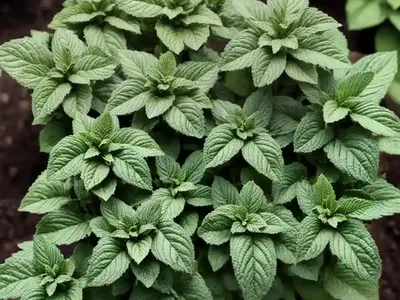
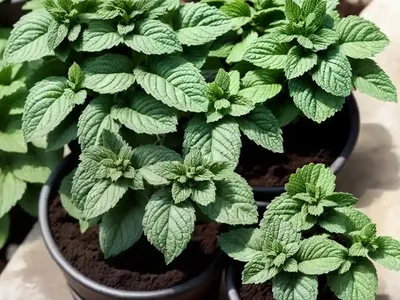
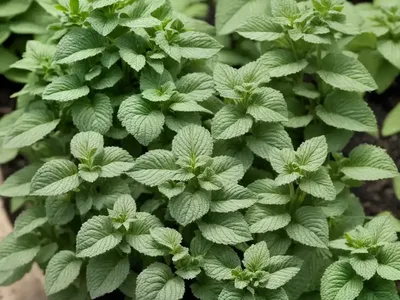
Apple Mint (Mentha Suaveolens)
Plants are an integral part of our lives, providing us with sustenance, beauty, and even medicinal properties. One such intriguing plant is the apple mint.
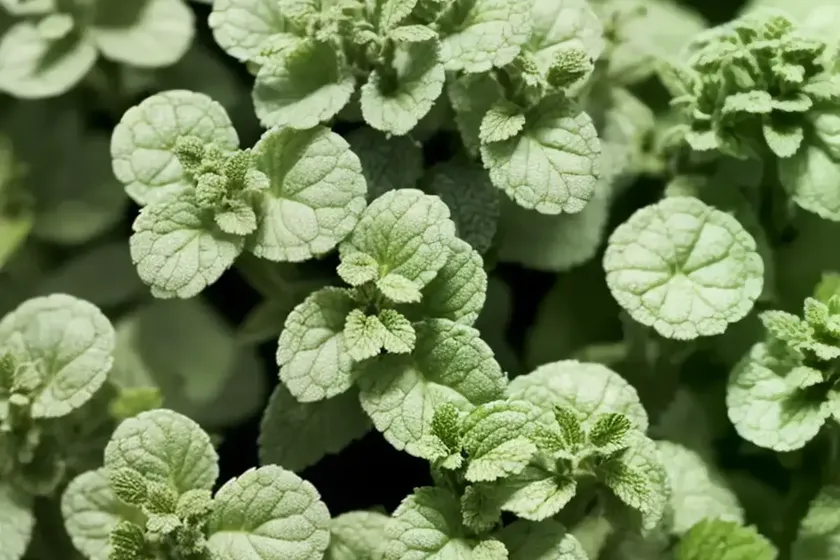
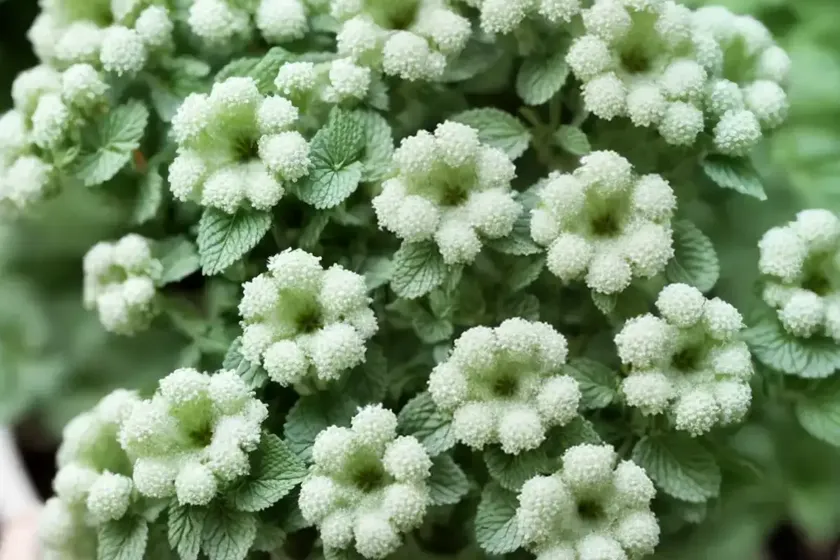
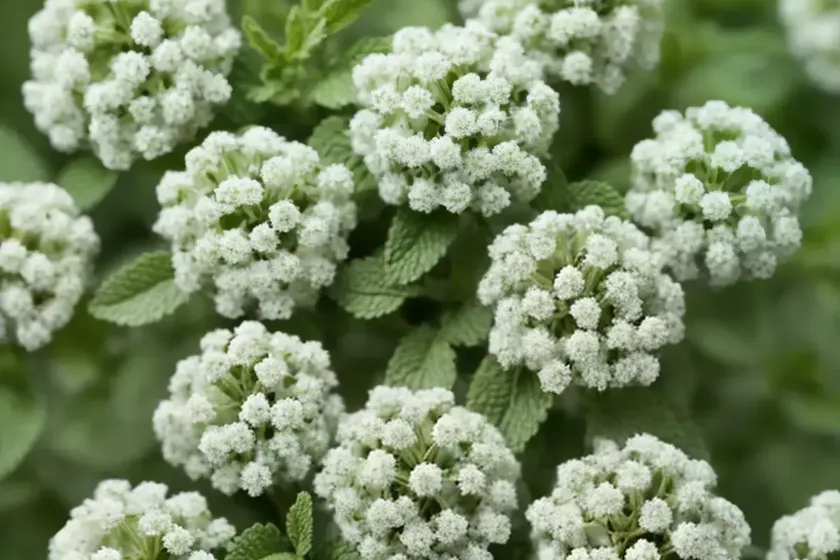
Plants are an integral part of our lives, providing us with sustenance, beauty, and even medicinal properties. One such intriguing plant is the apple mint, scientifically known as Mentha suaveolens. In this comprehensive guide, we will delve into every aspect of apple mint, from its culture to its culinary and medicinal uses.
What is Apple Mint (Mentha suaveolens)?
Apple mint, a perennial herb belonging to the Lamiaceae family, is characterized by its delightful fragrance and distinct flavor. The plant’s botanical name, Mentha suaveolens, reflects its charming scent (“suaveolens” translates to “fragrant” in Latin). Originating from Southern and Western Europe, apple mint has been cultivated for centuries due to its versatile uses, which range from culinary applications to therapeutic benefits.
Key Takeaways
Before we embark on our in-depth exploration of apple mint, let’s briefly highlight the key takeaways that will be covered in this guide:
- Culture: Understanding the cultural requirements for successfully growing apple mint.
- Uses: Exploring the diverse uses of apple mint, including culinary and medicinal applications.
- Water: Discussing the optimal watering practices for apple mint.
- Sunlight: Determining the sunlight preferences for growing healthy apple mint plants.
- Fertilizer: Providing insights into the fertilization needs of apple mint.
- Soil: Identifying the ideal soil conditions for cultivating thriving apple mint.
- Pruning: Learning how to effectively prune and maintain apple mint plants.
- Propagation: Exploring various methods for propagating apple mint.
- Container: Discovering the potential of growing apple mint in containers.
- Popularity: Examining the popularity and demand for apple mint.
- Common Diseases: Identifying prevalent diseases that affect apple mint.
- Disease Diagnosis: Understanding how to diagnose and address diseases in apple mint plants.
- Common Pests: Recognizing common pests that can infest apple mint.
- Botanist’s Tips: Gaining valuable insights and tips from botanists for successful apple mint cultivation.
- Fun Facts: Uncovering intriguing and lesser-known facts about apple mint.
- Links to External Resources: Providing access to external sources for further exploration.
Now that we’ve outlined the roadmap, let’s embark on our journey of unraveling the captivating world of apple mint.
Culture
Understanding the cultural requirements of a plant is paramount for nurturing its growth and ensuring its overall well-being. Apple mint, with its distinct characteristics, demands specific cultural practices for optimal development.
Water
Proper watering is crucial for the health of apple mint plants. The soil should be consistently moist but not waterlogged. As a rule of thumb, it’s advisable to water the plants when the top inch of the soil feels dry to the touch. During hot and dry periods, more frequent watering may be necessary to prevent the soil from drying out completely.
Sunlight
Apple mint thrives in partial shade to full sun. It generally requires at least 4-6 hours of direct sunlight each day for healthy growth. However, in regions with scorching summers, providing partial shade during the hottest part of the day can prevent the plants from wilting or getting scorched.
Fertilizer
When it comes to fertilization, apple mint appreciates a balanced approach. Applying a slow-release organic fertilizer in the spring can provide the necessary nutrients for robust growth. Additionally, incorporating compost into the soil during planting or top-dressing with compost during the growing season can contribute to the overall health and productivity of the plants.
Soil
The soil requirements for apple mint are relatively straightforward. It thrives in well-draining, fertile soil with a slightly acidic to neutral pH (6.0-7.0). Loamy or sandy loam soils are ideally suited for apple mint cultivation. It’s essential to ensure that the soil allows excess water to drain away, as waterlogging can lead to root rot and other complications.
Pruning
Pruning is essential for managing the growth and vigor of apple mint. Regularly trimming the plant can help maintain its shape, prevent it from becoming leggy, and encourage bushier growth. Additionally, removing any dead or diseased parts is crucial to prevent the spread of infections and maintain the overall health of the plant.
Uses
The utilization of apple mint extends beyond mere ornamental purposes. This versatile herb offers an array of both culinary and medicinal applications.
Culinary Uses
Apple mint leaves, with their refreshing and slightly fruity flavor, are a delightful addition to various culinary creations. From garnishing salads and desserts to flavoring beverages and sauces, apple mint can elevate the sensory experience of a wide range of dishes. Its aromatic leaves can also be used to infuse teas and drinks, adding a delightful twist to traditional beverages.
Medicinal Properties
In addition to its culinary allure, apple mint boasts medicinal properties that have been valued for centuries. The plant is known for its digestive benefits, with its essential oils aiding in soothing digestive discomfort and promoting healthy digestion. Moreover, apple mint exhibits calming properties that can help alleviate stress and support overall well-being.
To further explore the medicinal potential of apple mint, let’s delve into its specific benefits and applications.
Apple Mint Medicinal Properties
-
Digestive Health: Apple mint is renowned for its ability to ease digestive issues, such as indigestion and bloating. The natural compounds present in the leaves can help relax the digestive tract and alleviate discomfort.
-
Respiratory Support: The soothing aroma of apple mint can provide relief from respiratory congestion and discomfort. Inhaling the scent of apple mint leaves or enjoying its soothing tea can help ease breathing difficulties.
-
Stress Relief: The calming nature of apple mint makes it an excellent choice for alleviating stress and promoting relaxation. Its aromatic properties can have a calming effect on the mind, offering a natural way to unwind and de-stress.
-
Antioxidant Benefits: The leaves of apple mint contain antioxidants that help combat oxidative stress in the body, contributing to overall health and well-being.
How to Grow Apple Mint Plants
Growing apple mint plants is a gratifying endeavor, especially considering the rewarding outcomes that follow. To embark on this journey, one must understand the best conditions for nurturing apple mint and the essential steps for successful cultivation.
Best Conditions for Growing Apple Mint
Apple mint thrives in a temperate climate characterized by moderate temperatures and adequate sunlight. As we have previously discussed, it prefers well-draining, fertile soil and requires consistent moisture without being waterlogged. A combination of partial shade and direct sunlight is optimal for the healthy growth of apple mint plants.
Varieties of Mentha suaveolens
The diversity within the Mentha suaveolens species presents an array of varieties, each with its distinct characteristics. Some notable varieties of apple mint include:
-
Variegated Apple Mint (Mentha suaveolens ‘Variegata’): This variety displays striking variegated leaves with creamy-white margins, adding visual interest to garden landscapes and culinary arrangements.
-
Ginger Mint (Mentha x gracilis ‘Variegata’): While technically a hybrid of apple mint and corn mint, ginger mint exhibits a delightful blend of flavors, incorporating the mild essence of apple mint with a subtle hint of ginger.
-
Pineapple Mint (Mentha suaveolens ‘Variegata’): This cultivar features leaves with a fruity, pineapple-like fragrance, offering a unique aromatic experience.
-
Woolly Apple Mint (Mentha suaveolens ‘Laevigata’): With its soft, downy leaves and delightful scent, woolly apple mint is distinct in appearance and fragrance.
Understanding the different varieties can enrich the experience of cultivating apple mint, allowing enthusiasts to explore a spectrum of flavors and aromas.
Apple Mint Care Guide
Caring for apple mint involves a balance of attention to its cultural needs, active maintenance, and an understanding of its growth patterns. Taking a proactive approach to care ensures the vitality and longevity of apple mint plants.
Apple Mint Planting Tips
When planting apple mint, it’s advisable to allocate sufficient space for its growth, as the plant has a tendency to spread vigorously. Additionally, regular pruning and thinning of the plant can help maintain its growth in a controlled manner, preventing it from becoming invasive and overwhelming other nearby vegetation.
Apple Mint Harvesting Techniques
Harvesting apple mint is a gratifying process, offering an abundant supply of fragrant leaves that can enrich culinary delights and therapeutic creations. When harvesting the leaves, it’s recommended to do so in the morning when the essential oils are most concentrated. This ensures the highest quality and most potent flavors for culinary and medicinal applications.
Apple Mint Propagation Methods
Propagating apple mint can be achieved through various methods, including division, stem cuttings, or root cuttings. Each technique offers its unique advantages and is suited to different contexts and preferences.
-
Division: Dividing an established clump of apple mint into smaller sections allows for the creation of multiple plants, facilitating the expansion of an apple mint garden.
-
Stem Cuttings: Taking cuttings from healthy, mature stems and rooting them in moist soil or water presents a straightforward method for propagating apple mint.
-
Root Cuttings: Extracting and planting root sections from the parent plant can also result in successful propagation, particularly when the plant’s rhizomes have developed new shoots.
Exploring these propagation methods offers enthusiasts the freedom to multiply their apple mint collection and share the joys of cultivating this remarkable herb.
Growing Apple Mint in Containers
The prospect of growing apple mint in containers presents a convenient and flexible option for both gardening enthusiasts and individuals with limited outdoor spaces. Whether placed on balconies, patios, or kitchen windowsills, containers offer an adaptable setting for flourishing apple mint plants.
Container
When choosing a container for apple mint, select one with sufficient depth and a wide top surface to accommodate the plant’s extensive root system and enable its lateral growth. Additionally, the container should have adequate drainage holes to prevent waterlogging, allowing excess moisture to escape. Opting for a portable container also grants the flexibility to relocate the plant to the most favorable conditions as needed.
Popularity
The popularity of apple mint stems from its delightful fragrance, distinctive flavor, and multifaceted applications. As more individuals embrace the joys of culinary exploration, herbal remedies, and therapeutic practices, apple mint has garnered increased attention and admiration. Its versatility and accessibility contribute to its widespread appeal among gardening enthusiasts and health-conscious individuals alike.
Common Diseases and Pests
While apple mint is generally resilient, it is susceptible to certain diseases and pests that can impact its vitality and growth. Understanding these potential threats is crucial for effective prevention and prompt intervention.
Common Diseases
-
Powdery Mildew: This fungal disease manifests as a powdery white coating on the leaves, inhibiting photosynthesis and weakening the plant. Providing adequate air circulation and avoiding overhead watering can help mitigate this issue.
-
Rust: Characterized by orange, rust-like spots on the leaves, rust is another fungal disease that can compromise the health of apple mint. Promptly removing and disposing of affected foliage can prevent the spread of the infection.
Disease Diagnosis
Identifying and diagnosing diseases in apple mint plants require vigilance and attentiveness to changes in their appearance and growth patterns. Regularly inspecting the foliage for discoloration, distortion, or unusual textures can aid in early detection and intervention, preventing the escalation of diseases.
Common Pests
-
Aphids: These small, sap-sucking pests can weaken the plant and distort its growth. Natural predators, such as ladybugs, can help control aphid populations. Additionally, rinsing the plants with a strong jet of water can dislodge and deter aphids.
-
Spider Mites: These minuscule arachnids can inflict significant damage to apple mint by piercing and feeding on the leaves. To manage spider mite infestations, regularly misting the plant with water and maintaining adequate humidity levels can discourage their proliferation.
Botanist’s Tips
Drawing insights from seasoned botanists and horticulturists can offer invaluable guidance for cultivating apple mint with finesse and expertise. Let’s explore some expert tips for successful apple mint cultivation.
-
Companion Planting: Pairing apple mint with companion plants, such as basil, rosemary, and thyme, can promote mutually beneficial interactions and support the overall well-being of the garden ecosystem.
-
Seasonal Considerations: Tailoring care practices and maintenance efforts to correspond with seasonal variations allows for the optimization of apple mint growth throughout the year. Adapting to seasonal nuances can yield enhanced results and resilient, flourishing plants.
-
Integrated Pest Management: Adopting an integrated approach to managing pests, encompassing natural predators, cultural practices, and biological controls, establishes a harmonious equilibrium in the garden, minimizing the reliance on chemical interventions.
Fun Facts
Uncovering intriguing and captivating facts about apple mint enriches the experience of engaging with this exceptional herb. Let’s explore some fascinating fun facts about apple mint that celebrate its allure and charisma.
-
Historical Significance: Apple mint has a rich historical legacy, with references to its uses in ancient civilizations, folklore, and traditional medicinal practices.
-
Insect Repellent: The aromatic nature of apple mint renders it effective as a natural insect repellent, deterring pests while enhancing the ambiance of outdoor spaces.
-
Culinary Marvel: Apple mint’s exceptional flavor and fragrance have earned it a place of honor in the culinary realm, where it elevates diverse dishes and culinary creations with its distinctive essence.
Conclusion
With its captivating aroma, versatile uses, and enriching properties, apple mint stands as a remarkable herb that adds depth and vibrancy to various facets of our lives. Whether gracing culinary endeavors with its delightful flavor, enriching therapies with its medicinal benefits, or enhancing gardens and landscapes with its charm, apple mint remains an indispensable botanical treasure.
As we have meticulously navigated through the cultural insights, culinary and medicinal applications, and expert tips pertaining to apple mint, we have unveiled the captivating allure and potential of this exceptional herb. By embracing the art of apple mint cultivation and harnessing its multifaceted attributes, we embark on a journey of sensory delights, wellness enrichment, and botanical marvels.
In our exploration, we have barely skimmed the surface of the abundant offerings that apple mint presents. Its tranquil presence in gardens, its aromatic embrace in culinary creations, and its therapeutic contributions invite us to further delve into the depths of its captivating essence, fostering a deeper appreciation for its remarkable nature and the boundless possibilities it unfolds.
As we bid farewell to this comprehensive guide, let us carry the essence of apple mint with us, nurturing a newfound admiration and reverence for this remarkable herb that enchants, enriches, and endears itself to our lives.
Links to External Resources
For further exploration and in-depth insights into the captivating world of apple mint, the following external resources offer an array of valuable knowledge and inspiration:
- Royal Horticultural Society – Growing Mint
- National Center for Home Food Preservation – Mint and Fruit Infusions
- University of Maryland Medical Center – Peppermint
- Plants for a Future – Mentha suaveolens
These resources serve as invaluable reservoirs of wisdom and insights, offering diverse perspectives and enriching knowledge to further illuminate the captivating realm of apple mint.