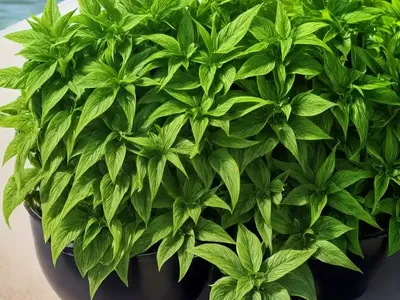
Dog Mercury (Mercurialis Perennis)
Dog mercury (Mercurialis perennis) is a fascinating plant with a rich history of folklore, traditional uses, and ecological significance. From its native.
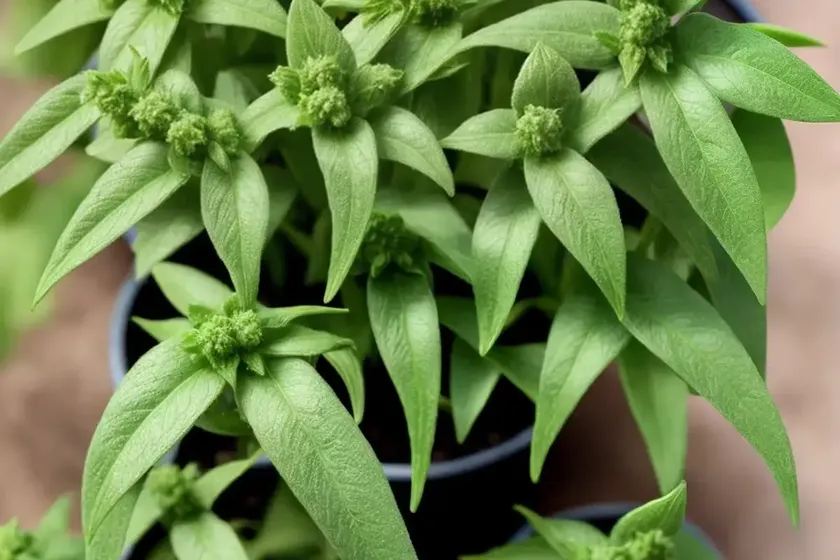
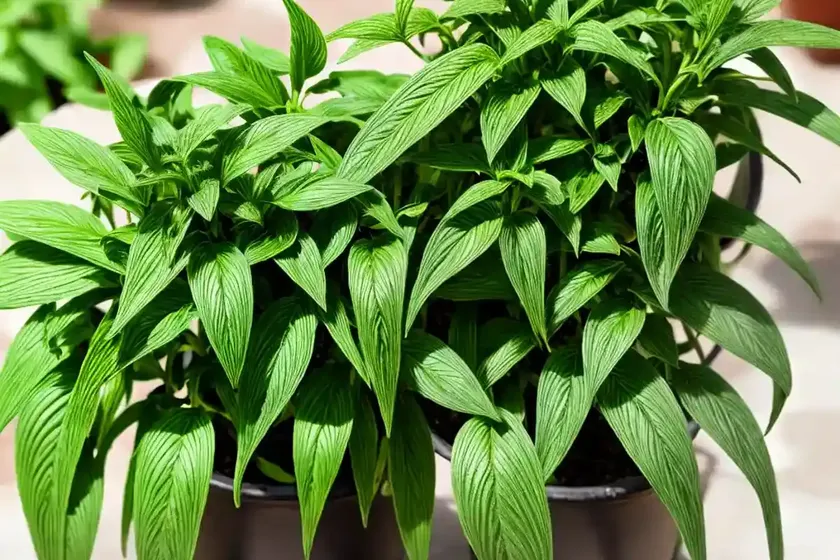
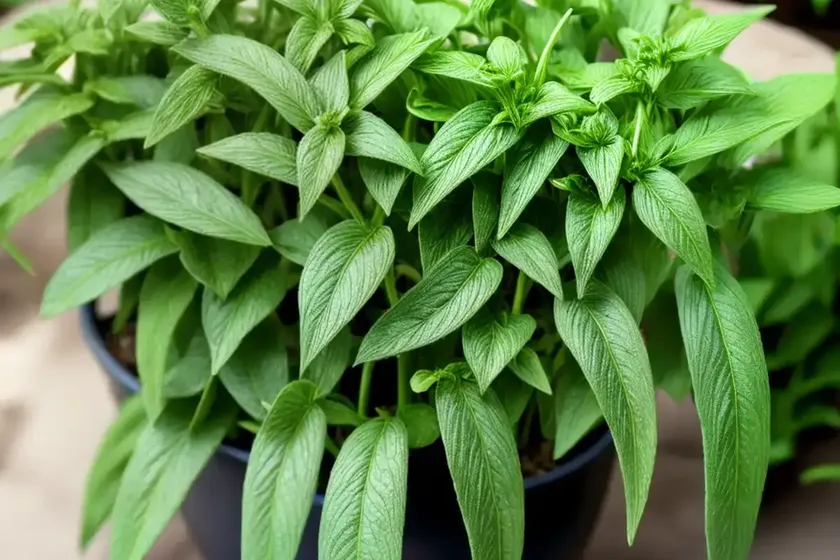
Dog mercury (Mercurialis perennis) is a fascinating plant with a rich history of folklore, traditional uses, and ecological significance. From its native habitats to its propagation methods and gardening tips, this comprehensive guide will delve into every aspect of dog mercury, providing invaluable insights for plant enthusiasts, gardeners, and botany enthusiasts.
What is Dog Mercury (Mercurialis perennis)?
Dog mercury, scientifically known as Mercurialis perennis, is a perennial plant species that belongs to the Euphorbiaceae family. This herbaceous plant is native to Europe, Western Asia, and North Africa. It is distinguished by its delicate green leaves and small, green flowers that bloom in the spring.
Key Takeaways
Here are some key takeaways about dog mercury:
- Scientific Name: Mercurialis perennis
- Common Name: Dog mercury
- Family: Euphorbiaceae
- Habitat: Native to Europe, Western Asia, and North Africa
- Flowering Period: Spring
- Growth Habit: Perennial herb
Culture
Understanding the cultural needs of dog mercury is essential for its successful growth and development. From sunlight requirements to soil preferences, the following sections will explore the cultural aspects of this plant in detail.
Uses
Dog mercury has various uses, including landscaping, traditional medicine, and ecological restoration. Its ability to thrive in shaded areas makes it an excellent choice for groundcover in gardens and natural habitats. Furthermore, its historical significance in traditional medicine and folklore adds to its cultural value.
Water
Dog mercury thrives in moist, well-drained soil. It requires regular watering, especially during dry periods, to maintain adequate soil moisture. However, it is essential to avoid waterlogging, as this can lead to root rot and other water-related issues.
Sunlight
This plant prefers shaded or partially shaded locations, making it well-suited for woodland gardens and areas with dappled light. It can also tolerate full shade, making it an ideal choice for underplanting in tree canopies.
Fertilizer
Dog mercury generally does not require heavy fertilizer applications. However, incorporating organic matter into the soil during planting can provide essential nutrients for its initial growth. Additionally, a light application of balanced fertilizer in the spring can support its overall health and vigor.
Soil
The ideal soil for dog mercury is humus-rich, moist, and well-drained. It thrives in slightly acidic to neutral soil conditions. Incorporating organic matter, such as leaf mold or compost, can improve soil structure and fertility, creating an optimal environment for the plant to thrive.
Pruning
Minimal pruning is required for dog mercury. Removing any dead or damaged foliage and flowers can help maintain its appearance and promote healthy growth. Additionally, thinning out overcrowded areas can prevent diseases and ensure adequate air circulation.
Propagation
Understanding the propagation methods of dog mercury is essential for expanding its population and incorporating it into new garden areas. The following section will explore various propagation techniques for this plant.
Container Popularity
Dog mercury is well-suited for container gardening, particularly in shaded or partially shaded areas. Its low maintenance requirements and ornamental foliage make it a popular choice for adding greenery to outdoor spaces, balconies, and patios.
Common Diseases
Dog mercury is generally resistant to most diseases when grown in suitable conditions. However, it may be susceptible to issues such as powdery mildew, especially in overcrowded or poorly ventilated areas.
Disease Diagnosis
Diagnosing diseases in dog mercury involves carefully observing the plant for symptoms such as powdery white patches on leaves and stems, which are indicative of powdery mildew. Additionally, wilting, yellowing, or distorted foliage may signal other underlying health issues.
Common Pests
While dog mercury is relatively resistant to pests, it may occasionally attract insects such as aphids and spider mites. Regular monitoring and prompt action can help prevent these pests from causing significant damage to the plant.
Botanist’s Tips
As a plant scientist, I offer the following tips for cultivating and appreciating dog mercury:
- Natural Habitat: Understanding the plant’s natural habitat can guide its placement in gardens and landscapes, ensuring that it thrives in conditions similar to those found in the wild.
- Conservation: Emphasizing the ecological role and conservation status of dog mercury can raise awareness about its importance in natural ecosystems and the need to protect its native habitats.
- Folklore and Symbolism: Exploring the folklore and symbolism associated with dog mercury can foster a deeper appreciation for its cultural significance and historical uses.
Fun Facts
To add an element of intrigue and fascination, here are some intriguing fun facts about dog mercury:
- Dog mercury has historical associations with magic, protection, and purification in European folklore.
- The name “mercury” is believed to be derived from the Roman god Mercury, known for his role as a messenger and guide to the underworld.
Links to External Resources
For additional information and resources about dog mercury, consider exploring the following links:
In conclusion, dog mercury (Mercurialis perennis) is a plant of immense cultural, ecological, and horticultural significance. By delving into its characteristics, traditional uses, and propagation methods, we gain a deeper appreciation for the intricacies of this enchanting plant. Whether used as groundcover in woodland gardens, explored for its historical folklore, or studied for its natural habitat interactions, dog mercury continues to captivate and inspire plant enthusiasts and researchers alike.
By delving into the botanical, horticultural, and cultural aspects of dog mercury, we gain a deeper appreciation for the intricacies of this enchanting plant. Whether used as groundcover in woodland gardens, explored for its historical folklore, or studied for its natural habitat interactions, dog mercury continues to captivate and inspire plant enthusiasts and researchers alike.