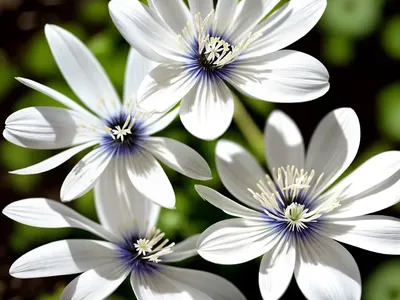
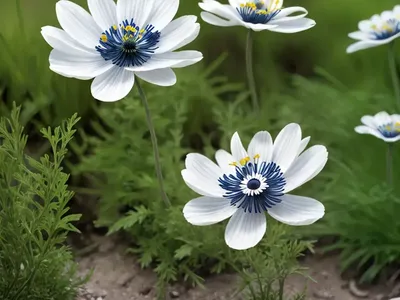
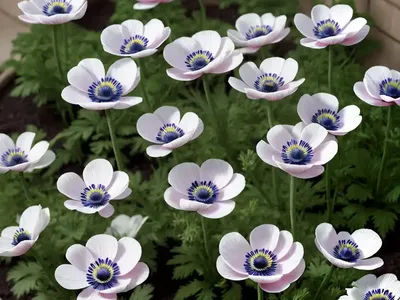
Anemone Blanda ‘Pink Charmer’ (Grecian Windflower)
Anemone blanda ‘Pink Charmer’, also known as Grecian Windflower, is a charming low-growing perennial that produces daisy-like, pink-colored flowers. It is.
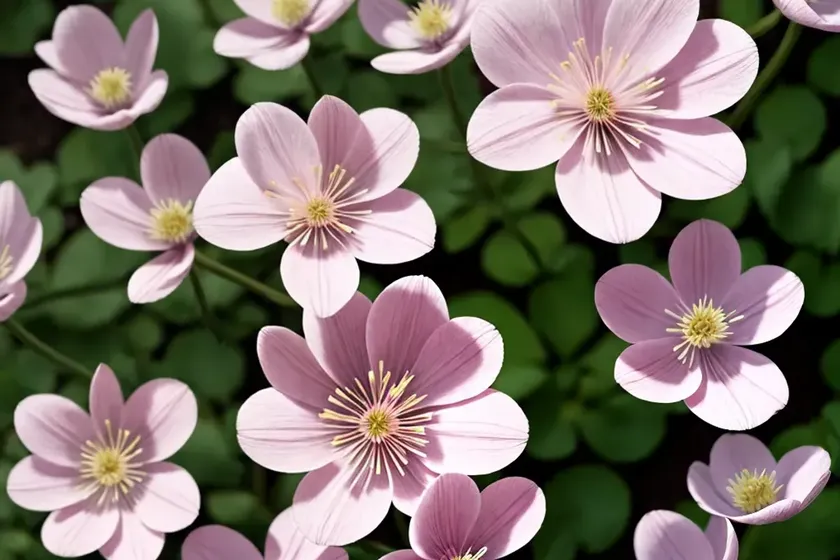
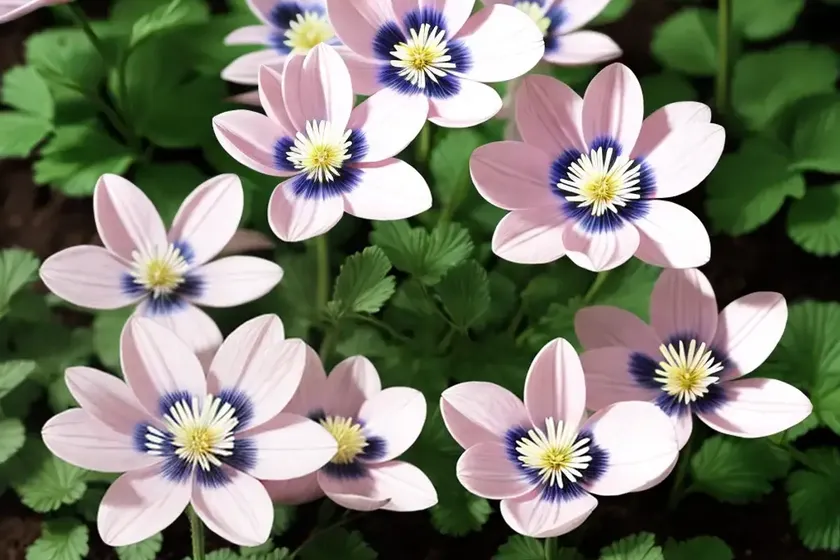
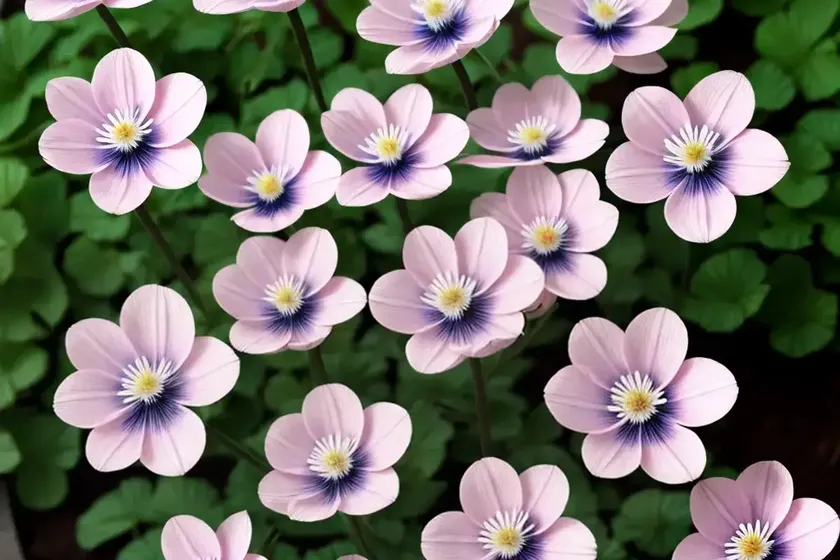
Anemone blanda ‘Pink Charmer’, also known as Grecian Windflower, is a charming low-growing perennial that produces daisy-like, pink-colored flowers. It is a delightful addition to gardens and landscapes, offering beautiful blooms and easy maintenance. In this comprehensive guide, we will delve into the description, cultivation, care tips, and much more for this stunning plant.
What is Anemone blanda ‘Pink Charmer’?
Anemone blanda ‘Pink Charmer’ is a member of the Ranunculaceae family and is native to southeastern Europe and Turkey. It is a herbaceous perennial that typically grows to a height of 5-6 inches and spreads slowly via rhizomes to form a lush carpet of foliage and flowers.
The plant produces attractive, deeply-lobed, dark green leaves that provide a striking backdrop for its delicate, soft pink flowers. The blooms emerge in early spring, creating a captivating display that brightens up the garden after the winter months. This lovely variety is an excellent choice for rock gardens, woodland settings, and as a ground cover.
Key Takeaways – Anemone blanda ‘Pink Charmer’ (Grecian Windflower)
Before we dive into the detailed aspects of Anemone blanda ‘Pink Charmer’, let’s take a quick look at the key takeaways for this beautiful plant:
- Plant Name: Anemone blanda ‘Pink Charmer’ (Grecian Windflower)
- Family: Ranunculaceae
- Common Names: Grecian Windflower, Balkan Anemone
- Plant Type: Herbaceous perennial
- Flower Color: Pink
- Growth Habit: Low-growing, mat-forming
- Bloom Time: Early spring
- Sunlight: Partial shade to full sun
- Soil Type: Well-draining, fertile soil
- Watering: Regular watering; avoid waterlogged conditions
- Hardiness Zones: 4-8
- Landscape Uses: Rock gardens, woodland gardens, borders, containers
Now, let’s explore each aspect of Anemone blanda ‘Pink Charmer’ in detail to understand how to grow and care for this exquisite plant.
Anemone blanda ‘Pink Charmer’ Description
Anemone blanda ‘Pink Charmer’ is esteemed for its charming and delicate appearance. Here’s a detailed description of its key characteristics:
Flowers
- Soft Pink Color: The flowers of Anemone blanda ‘Pink Charmer’ are a delicate shade of pink, adding a gentle touch of color to the early spring garden.
- Daisy-like Blooms: The blossoms feature a classic daisy-like form, with a cheerful demeanor that brightens up the landscape.
- Bloom Time: Typically, the flowers emerge in early spring, creating a captivating display when many other plants are still dormant.
Foliage
- Deeply-lobed Leaves: The plant’s dark green, deeply-lobed leaves provide an attractive contrast to the pink flowers, enhancing the overall visual appeal of the plant.
- Low-Growing Habit: Anemone blanda ‘Pink Charmer’ forms a mat of foliage close to the ground, creating a lush carpet effect.
Growing Anemone blanda ‘Pink Charmer’
Culture
Anemone blanda ‘Pink Charmer’ thrives in cool, moist conditions with well-draining soil. It is best suited for cultivation in USDA hardiness zones 4-8, where it can enjoy the necessary winter chilling for optimal growth and flowering.
Uses
This delightful plant offers a range of uses in the garden, including:
- Rock Gardens: Anemone blanda ‘Pink Charmer’ is the perfect addition to rock gardens, where its low-growing habit and early spring blooms create a stunning visual impact.
- Woodland Settings: In naturalized woodlands or shaded areas, the plant provides a charming touch of color and an informal, naturalistic appearance.
- Borders and Containers: It can also be used to edge borders and as a delightful addition to containers, lending its grace to patio displays and window boxes.
Water
- Adequate Moisture: Anemone blanda ‘Pink Charmer’ appreciates regular moisture, especially during the growing season. However, it’s essential to avoid waterlogged conditions, as this can lead to root rot.
- Mulching: Applying a layer of organic mulch around the plants can help to conserve soil moisture and maintain a more even soil temperature.
Sunlight
- Partial Shade to Full Sun: While Anemone blanda ‘Pink Charmer’ prefers partial shade, it can also tolerate full sun, especially if the soil remains consistently moist. In warmer climates, some afternoon shade can be beneficial.
Fertilizer
- Minimal Fertilization: Anemone blanda ‘Pink Charmer’ does not have high fertilizer requirements. A light application of a balanced, general-purpose fertilizer in early spring can support healthy growth and flowering.
- Organic Amendments: Incorporating organic matter such as compost into the soil during planting can provide the plant with essential nutrients and improve the soil structure.
Soil
- Well-Draining Soil: It is crucial to plant Anemone blanda ‘Pink Charmer’ in soil that drains well to prevent waterlogging, which can lead to root rot.
- Fertile and Loamy: The plant thrives in fertile, loamy soil that retains moisture without becoming waterlogged.
Pruning
Maintenance
- Removing Faded Blooms: Deadheading the faded flowers promotes a tidier appearance and can encourage the plant to produce additional blooms.
- After Blooming: Once the plant has finished blooming, cutting back the foliage helps to maintain a neat and compact appearance.
- Dormant Season: During the dormant season, the plant may benefit from a light clean-up to remove any dead or damaged foliage.
Propagation
Anemone blanda ‘Pink Charmer’ can be propagated through division or by seeds.
Division
- Spring or Fall: The plant can be divided in early spring or fall, when it is not in active growth or bloom.
- Establishing New Plants: Dividing the clumps carefully and replanting the divisions allows for the creation of new plants and the rejuvenation of existing ones.
Seeds
- Seed Collection: Anemone blanda ‘Pink Charmer’ produces seeds after flowering. Collect the seeds when they are mature and sow them in a suitable growing medium.
- Stratification: Some gardeners opt to subject the seeds to a period of cold stratification to mimic natural conditions and encourage germination.
Container Popularity
Anemone blanda ‘Pink Charmer’ is well-suited for container cultivation, offering a charming display of flowers and foliage that can enhance patios, balconies, and other outdoor spaces. The compact growth habit of the plant makes it a delightful addition to containers of various sizes, ranging from small pots to larger planters.
Container Culture
- Well-Draining Media: When planting Anemone blanda ‘Pink Charmer’ in containers, ensure the use of well-draining potting soil to prevent waterlogging and root rot.
- Adequate Watering: Containers may require more frequent watering, especially during hot or dry periods. It’s important to monitor the soil moisture and provide water as needed.
- Overwintering: In regions with cold winters, containers can be moved to a sheltered location or insulated to protect the plant’s roots from freezing temperatures.
Common Diseases
Anemone blanda ‘Pink Charmer’ is generally resistant to many common plant diseases, but it can occasionally be affected by certain issues.
Disease Diagnosis
- Crown Rot: Prolonged periods of excessive moisture or poor drainage can lead to crown rot, characterized by the browning and decay of the plant’s crown.
- Fungal Leaf Spots: In humid conditions, fungal leaf spots may develop on the foliage. These are often characterized by dark, water-soaked lesions with a yellow halo.
Preventive Measures
- Cultural Practices: Maintaining good cultural practices, such as adequate spacing, proper watering, and soil improvement, can help prevent disease issues.
- Fungicidal Treatments: In severe cases, fungicidal treatments may be employed to control fungal diseases. These should be used according to label instructions.
Common Pests
While Anemone blanda ‘Pink Charmer’ is relatively resistant to pest infestations, it can be susceptible to certain pests under unfavorable conditions.
Common Pests
- Aphids: These tiny insects may occasionally infest the plant, clustering on the new growth and undersides of the leaves.
- Slugs and Snails: These pests can damage the plant by feeding on the foliage and flowers, especially in moist and shaded environments.
Integrated Pest Management
- Physical Barriers: Using physical barriers such as copper tape or diatomaceous earth around the plant can help deter slugs and snails.
- Natural Predators: Encouraging natural predators such as ladybugs and lacewings can help control aphid populations without the need for chemical intervention.
Botanist’s Tips
As a botanist with a passion for Anemone blanda ‘Pink Charmer’, I have a few tips to share for successfully growing and enjoying this delightful plant:
- Select a Site Thoughtfully: Choose a planting location that provides the plant with the right balance of sunlight, moisture, and soil conditions for optimal growth and flowering.
- Consider Companion Planting: Pair Anemone blanda ‘Pink Charmer’ with other early spring bloomers such as crocuses and daffodils for a dynamic and colorful display in the garden.
- Embrace Naturalization: Allow the plant to naturalize in suitable areas, such as woodland edges, where it can spread and create a naturalistic carpet of blooms.
Fun Facts
- The genus name “Anemone” is derived from the Greek word for “wind,” which is a reference to the delicate, windblown appearance of the flowers.
- Anemone blanda ‘Pink Charmer’ is an excellent choice for pollinator-friendly gardens, attracting early-season pollinators such as bees and butterflies.
Links to External Resources
For further information on Anemone blanda ‘Pink Charmer’ and related topics, consider exploring the following resources:
- The Royal Horticultural Society (RHS) – The RHS provides valuable insights into plant cultivation and gardening, including specific guidance on Anemone blanda ‘Pink Charmer’.
- University Extension Websites – Many university extension websites offer detailed information on gardening, plant care, and pest management, serving as valuable resources for gardeners and enthusiasts.
With its elegant blooms, adaptable nature, and ease of maintenance, Anemone blanda ‘Pink Charmer’ is a wonderful addition to any garden. By providing the right growing conditions and care, you can enjoy the delightful display of soft pink flowers and vibrant foliage that this charming plant offers. Whether planted in woodland settings, rock gardens, or containers, Grecian Windflower brings an enchanting appeal to the early spring landscape.