Anemone Blanda ‘White Splendour’ (Grecian Windflower)
Anemone blanda ‘White Splendour,’ commonly known as Grecian Windflower, is a delicate and delightful spring-flowering plant that belongs to the.
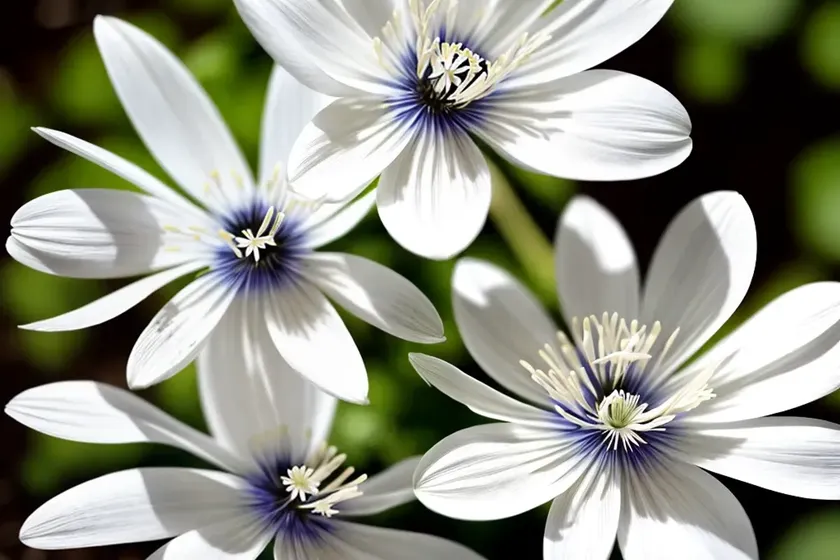
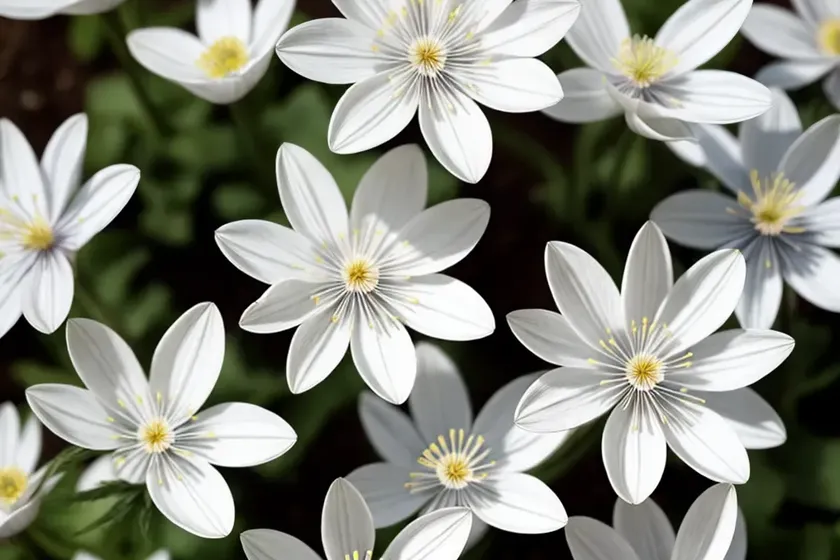
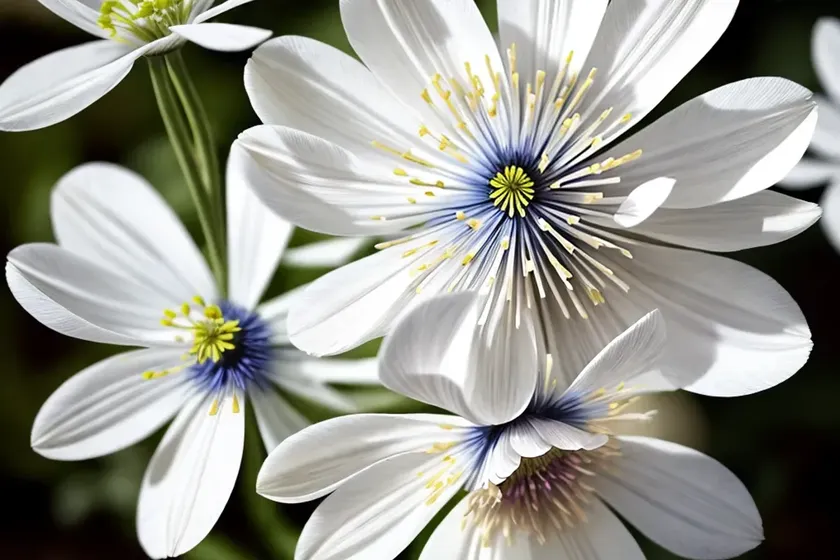
Anemone blanda ‘White Splendour,’ commonly known as Grecian Windflower, is a delicate and delightful spring-flowering plant that belongs to the Ranunculaceae family. This charming perennial is native to southeastern Europe, particularly in Greece, hence its common name. Renowned for its daisy-like blossoms and ability to carpet the ground with its foliage, Anemone blanda ‘White Splendour’ is a popular choice for gardens, landscapes, and container plantings. In this comprehensive guide, we will explore the cultivation, uses, maintenance, and interesting facts about the Grecian Windflower.
What is Anemone blanda ‘White Splendour’?
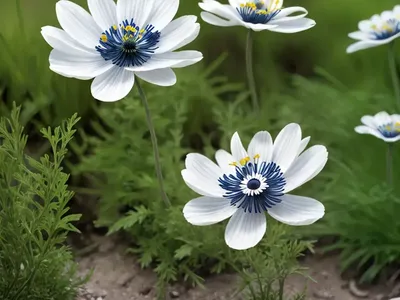
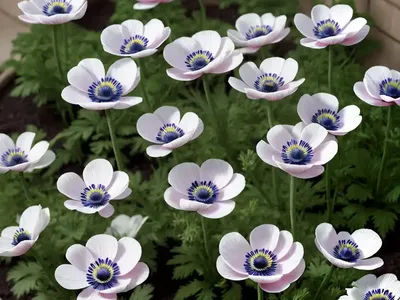
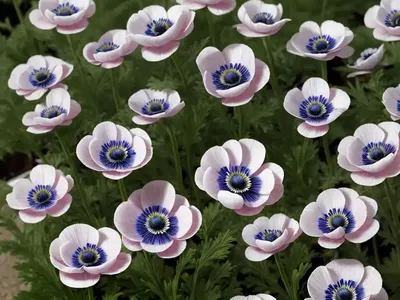
Anemone blanda ‘White Splendour’ is a low-growing perennial plant that reaches a height of about 6 inches (15 cm) and spreads to form a charming ground cover. It is celebrated for its lobed, palmate leaves and showy, solitary, daisy-like flowers that appear in early spring. The ‘White Splendour’ variety is named for its pristine white blossoms with a bright yellow center, adding a touch of elegance to any garden or landscape.
Key Takeaways – Anemone blanda ‘White Splendour’
Before delving into the specific aspects of cultivating and caring for Anemone blanda ‘White Splendour,’ let’s highlight the key takeaways about this beautiful plant.
- Plant Type: Perennial
- Family: Ranunculaceae
- Common Names: Grecian Windflower, White Splendour Anemone
- Height: Approximately 6 inches (15 cm)
- Blossom Color: White with yellow center
- Blossom Season: Early Spring
- Growth Habit: Spreading ground cover
- Uses: Gardens, landscapes, container plantings
- Special Features: Attractive foliage and showy flowers
Now, let’s dive into the details of how to cultivate, care for, and make the most of Anemone blanda ‘White Splendour’ in various settings.
Culture
Water
Anemone blanda ‘White Splendour’ thrives in well-draining soil and prefers moderate moisture levels. During the growing season, it is essential to keep the soil consistently moist, but not waterlogged. Adequate irrigation is particularly crucial during dry periods to support healthy growth and flowering. However, it is vital to avoid overwatering, as this can lead to root rot and other complications.
Sunlight
When it comes to sunlight requirements, Grecian Windflowers prefer partial shade to full sun. In regions with hot summers, providing some protection from the intense midday sun is beneficial. Partial shade can help prevent the delicate blossoms from withering prematurely and prolong the flowering period.
Fertilizer
Anemone blanda ‘White Splendour’ does not have high fertilizer requirements, especially when planted in nutrient-rich soil. A balanced, general-purpose fertilizer can be applied in early spring as new growth emerges. However, it is crucial not to over-fertilize, as this can lead to excessive foliage at the expense of floral display.
Soil
The soil requirements for Anemone blanda ‘White Splendour’ are well-draining, humus-rich, and slightly acidic to neutral. A loamy soil texture is ideal for promoting healthy root development and overall growth. Additionally, the soil should be free of any compaction, as this can hinder the spread of the plant and impact its overall vigor.
Pruning
Pruning requirements for Anemone blanda ‘White Splendour’ are minimal. After the flowering period, any dead or yellowing foliage can be gently removed to maintain a tidy appearance. However, it is essential to avoid heavy pruning, as the plant relies on its foliage to replenish energy reserves for the following year’s growth and blossoming.
Propagation
Anemone blanda ‘White Splendour’ can be propagated through division or seed. Division is typically carried out in early autumn when the plant is entering dormancy. The clumps can be carefully lifted and divided into smaller sections, each containing both roots and shoots. These divisions can then be replanted in suitable locations or pots to establish new growth.
Container Popularity
Due to its compact size and spreading habit, Anemone blanda ‘White Splendour’ is well-suited for container plantings. It adds a delightful touch to containers, window boxes, and hanging baskets, where its charming blossoms and lush foliage can be enjoyed up close. When planting in containers, it is important to ensure proper drainage and provide sufficient room for the plant to spread and multiply.
Common Diseases
Anemone blanda ‘White Splendour’ is generally resistant to most diseases when grown in suitable conditions. However, it can be susceptible to certain issues, including:
-
Powdery Mildew: This fungal disease can affect the foliage, leading to a powdery white coating and eventual decline in plant health.
-
Root Rot: Overly wet or waterlogged soil can cause root rot, impacting the plant’s ability to absorb nutrients and water effectively.
Disease Diagnosis
When encountering potential diseases affecting Anemone blanda ‘White Splendour,’ careful observation and timely intervention are essential. Early signs of powdery mildew, such as white patches on the foliage, should prompt measures such as improving air circulation, avoiding overhead watering, and, if necessary, applying fungicidal treatments. In the case of root rot, addressing any drainage issues and adjusting the watering regimen can help prevent further damage and support the plant’s recovery.
Common Pests
While Anemone blanda ‘White Splendour’ is relatively resistant to pest infestations, it may occasionally encounter the following pests:
-
Aphids: These small, sap-sucking insects can colonize the growing tips and undersides of the foliage, leading to stunted growth and distorted leaves.
-
Slugs and Snails: These mollusks are known to feed on the tender foliage and flowers, causing unsightly damage.
Botanist’s Tips
To ensure the optimal health and performance of Anemone blanda ‘White Splendour,’ consider the following tips from a plant expert:
- Mulching: Applying a layer of organic mulch around the base of the plants can help conserve soil moisture, suppress weeds, and offer some insulation during temperature fluctuations.
- Regular Monitoring: Periodic inspection of the foliage and growing tips can help detect and address potential pest or disease issues early, promoting overall plant vitality.
- Companion Planting: Pairing Anemone blanda ‘White Splendour’ with compatible companion plants, such as early-blooming bulbs or low-growing perennials, can enhance visual appeal and create dynamic garden displays.
Fun Facts
- Anemone blanda ‘White Splendour’ is often used in naturalistic or woodland garden settings, where its understated charm and easy-going nature can shine.
- This plant has been awarded the prestigious Award of Garden Merit (AGM) by the Royal Horticultural Society (RHS), attesting to its outstanding performance in garden settings.
Links to External Resources
For further information on Anemone blanda ‘White Splendour’ and related topics, explore the following resources:
- The Royal Horticultural Society (RHS) – Anemone blanda
- Missouri Botanical Garden – Anemone blanda ‘White Splendour’
- North Carolina State University – Anemone blanda Fact Sheet
- University of Florida IFAS Extension – Ranunculaceae Family Profile
With its delicate blooms, reliable performance, and versatility in various settings, Anemone blanda ‘White Splendour’ is a treasure in the spring garden. By understanding its specific needs and leveraging its innate beauty, gardeners can enjoy the enchanting elegance of this Grecian Windflower throughout the early spring season.