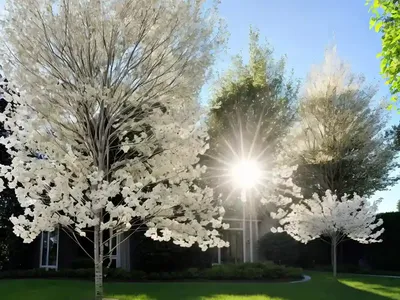
American Basswood (Tilia Americana)
In the world of plant science and forestry, American Basswood (Tilia Americana) holds a special place due to its myriad uses and ecological significance..
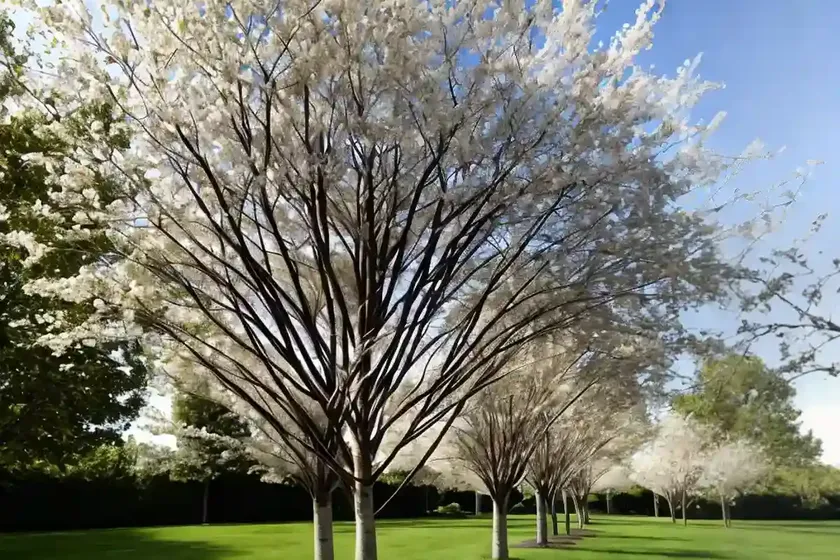
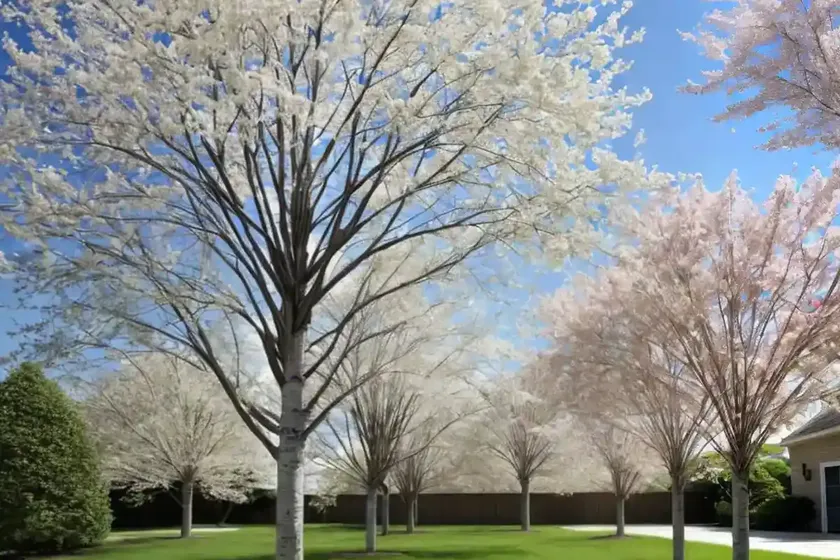
In the world of plant science and forestry, American Basswood (Tilia Americana) holds a special place due to its myriad uses and ecological significance. This blog post is dedicated to exploring the various aspects of the American Basswood tree, also known as Tilia Americana, covering its growth habits, characteristics, habitat, uses, care guide, folklore, environmental significance, native range, and much more.
What is American Basswood (Tilia Americana)?
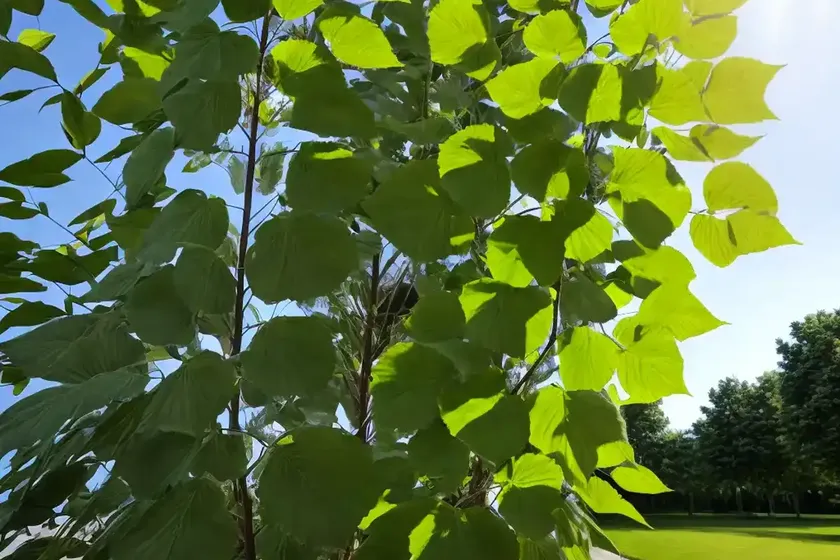
American Basswood, scientifically known as Tilia Americana, is a deciduous tree that belongs to the Tiliaceae family. This tree is native to eastern North America, including the Great Lakes region and the Appalachian Mountains. It is known for its large, heart-shaped leaves and fragrant, pale yellow flowers.
The American Basswood tree is renowned for its tall, straight trunk and is a valuable timber species. It is also an essential part of the ecosystem, providing food and habitat for various wildlife species.
The Tilia Americana tree has been a significant part of various cultures and has been used for a variety of purposes, ranging from medicinal remedies to woodworking projects. As a plant scientist, I have delved deep into the various facets of this remarkable tree, and I am eager to share my findings with you.
Key Takeaways – American Basswood (Tilia Americana)
Before delving into the specifics of American Basswood, let’s take a quick look at some key takeaways that we will explore in detail in the subsequent sections:
- Growth Habits: Understanding the growth patterns and habits of the American Basswood tree.
- Characteristics: Exploring the physical and ecological traits of Tilia Americana.
- Tree Facts: Uncovering fascinating facts and statistics about the American Basswood.
- Habitat: Examining the natural habitat and geographical distribution of the Tilia Americana tree.
- Uses: Discovering the diverse uses, both traditional and modern, of American Basswood.
- Benefits: Understanding the ecological and environmental benefits of Tilia Americana.
- Planting Tips: A guide to planting and caring for American Basswood trees.
- Medicinal Properties: Exploring the medicinal properties and historical uses of Tilia Americana.
- Folklore: Unraveling the folklore and cultural significance associated with the American Basswood tree.
- Symbolism: Understanding the symbolic value and importance of Tilia Americana.
- Landscaping Ideas: Exploring creative landscaping ideas involving American Basswood.
- Ecosystem Importance: Understanding the role of Tilia Americana in the broader ecosystem.
- Native Range: Exploring the natural range and distribution of the American Basswood tree.
- Timber Properties: Understanding the wood characteristics and commercial uses of Tilia Americana.
- Leaf Identification: Identifying the unique features of American Basswood leaves.
- Pollinators: Examining the pollination process and the role of pollinators in Tilia Americana.
- Wildlife Support: Understanding how Tilia Americana supports and sustains wildlife.
- Flowering Season: Exploring the timing and significance of the American Basswood flowering season.
- Environmental Significance: Understanding the broader environmental impact and significance of Tilia Americana.
- Pruning Techniques: Exploring best practices for pruning American Basswood trees.
- Wood Carving Uses: Discovering the artistic and practical uses of Tilia Americana wood.
- Forest Conservation: Understanding the conservation efforts and importance of preserving American Basswood forests.
- Endangered Status: Assessing the conservation status and potential threats to Tilia Americana.
- Herbal Remedies: Exploring traditional and contemporary herbal remedies derived from the American Basswood tree.
- Root System: Understanding the structure and functions of the root system of Tilia Americana.
- Tree Diseases: Identifying common diseases that affect American Basswood trees.
- Shade Value: Understanding the shade-providing capabilities of Tilia Americana.
- Cultural Importance: Exploring the cultural and historical significance of the American Basswood tree.
- Seed Propagation: Understanding the propagation and regeneration of Tilia Americana through seeds.
- Leaf Tea Recipe: Uncovering the process and benefits of making tea from American Basswood leaves.
- Wood Properties: Understanding the physical and mechanical properties of Tilia Americana wood.
- Landscape Design: Exploring innovative design concepts involving American Basswood trees.
- Wildlife Habitat: Understanding the role of American Basswood in providing habitat for diverse wildlife.
- Nectar Source: Examining the nectar-producing capabilities of Tilia Americana.
- Tree Care Tips: Providing comprehensive care guidelines for maintaining healthy American Basswood trees.
- Leaf Shape: Identifying the distinct shapes and patterns of American Basswood leaves.
- Windbreak Benefits: Understanding the role of Tilia Americana in providing windbreaks and shelter.
- Woodworking Projects: Exploring creative and practical woodworking projects using American Basswood.
- Urban Planting: Assessing the potential for urban cultivation and landscaping with Tilia Americana.
- Traditional Uses: Understanding the traditional uses and cultural practices associated with the American Basswood tree.
- Leaf Arrangement: Identifying the unique leaf arrangements of Tilia Americana.
- Historical Significance: Exploring the historical context and legacy of the American Basswood tree.
- Leaf Color Variations: Understanding the diverse colors and variations in American Basswood leaves.
- Insect Interactions: Examining the interactions between American Basswood and various insect species.
- Tree Size: Understanding the typical size and growth patterns of Tilia Americana.
- Bark Characteristics: Identifying the distinct traits and features of American Basswood bark.
- Wood Decay Resistance: Assessing the resistance of Tilia Americana wood to decay and deterioration.
- Leaf Health Indicators: Understanding how the health of American Basswood leaves reflects overall tree health.
- Timber Harvesting Techniques: Exploring sustainable harvesting methods for Tilia Americana timber.
Now that we have a comprehensive overview of the key aspects we will cover, let’s delve into the details of the American Basswood tree.
Culture
Before diving into detailed specifics, let’s look at the general culture and botanical features of the American Basswood tree.
Botanical Classification
The American Basswood (Tilia Americana) belongs to the following botanical classifications:
- Kingdom: Plantae
- Clade: Angiosperms
- Clade: Eudicots
- Clade: Rosids
- Order: Malvales
- Family: Malvaceae
- Genus: Tilia
- Species: Americana
Morphological Characteristics
American Basswood is a medium to large-sized tree, typically reaching heights between 60 to 120 feet. It has a broad, rounded crown and a straight, cylindrical trunk. The leaves are heart-shaped, measuring 5 to 12 cm in length, with serrated edges and an asymmetrical base. The fragrant flowers are small, pale yellow, and arranged in clusters. The fruit is a small, round nutlet enclosed in a ribbed, papery bract.
Growth Habits
Tilia Americana is a relatively fast-growing tree, especially in its early years. It prefers moist, well-drained soils and is often found in mixed hardwood forests and along riverbanks. The tree is capable of producing root sprouts, which allows it to regenerate and spread vegetatively.
Uses
The American Basswood tree holds immense cultural, ecological, and economic significance, being valued for various uses. Let’s explore the diverse applications of Tilia Americana.
Traditional Uses
- Woodworking: The light and easily workable wood of Tilia Americana has been historically used for carving, furniture making, and musical instruments. Its straight grain and fine texture make it ideal for intricate carving and turning.
- Medicinal Purposes: Native American tribes utilized various parts of the American Basswood tree for medicinal remedies. The inner bark was brewed into a tea for treating coughs and colds, while the flowers were used for making herbal infusions with sedative properties.
- Cultural Symbolism: The American Basswood tree has been revered by indigenous cultures and is often associated with symbolism, representing strength, healing, and resilience.
Modern Applications
- Timber: The wood of Tilia Americana is still highly valued for its lightweight and pale cream color, making it suitable for a wide range of products including carvings, plywood, musical instruments, and woodenware.
- Landscaping: Due to its attractive foliage, fragrant flowers, and tolerance for urban conditions, American Basswood is commonly planted as an ornamental tree in parks and residential areas.
- Honey Production: The fragrant flowers of Tilia Americana are a rich source of nectar, making it a valuable tree for beekeeping and honey production.
- Environmental Benefits: The broad canopy of the American Basswood provides shade and reduces soil erosion, while its flowers attract pollinators, contributing to biodiversity and ecosystem health.
Water
The water requirements for American Basswood trees are relatively moderate, with an emphasis on consistent moisture, especially during dry periods. This is particularly important during the tree’s early establishment and in urban environments where soil compaction and impervious surfaces can limit water infiltration.
- Establishment: Newly planted American Basswood trees require regular watering to ensure adequate moisture for root development. This is especially crucial during the first year of growth.
- Soil Moisture: The soil around the American Basswood tree should be kept consistently moist but not waterlogged. Mulching can help retain soil moisture and reduce water stress.
- Drought Tolerance: While Tilia Americana prefers moist soils, mature trees exhibit a degree of drought tolerance once their root systems are established.
Sunlight
American Basswood trees are classified as moderately shade-tolerant, but they thrive best in full sun to partial shade conditions. Understanding the tree’s sunlight requirements is crucial for ensuring optimal growth and health.
- Full Sun: Tilia Americana performs best when exposed to full sunlight, especially in regions with cooler climates.
- Partial Shade: In hotter climates or during the tree’s early establishment, providing some shading or protection from intense afternoon sun can benefit the American Basswood tree.
- Canopy Management: Pruning to thin the canopy can help improve sunlight penetration, particularly in densely populated forest stands.
Fertilizer
The nutrient requirements of American Basswood are relatively modest, and the tree can thrive in a variety of soil conditions. However, providing appropriate fertilization can support healthier growth and development, especially in urban settings or degraded soils.
- Soil Testing: Conducting a soil test can help determine the existing nutrient levels and guide appropriate fertilization practices.
- Balanced Fertilizer: Application of a balanced, slow-release fertilizer in spring can provide essential nutrients without causing rapid, excessive growth.
- Organic Amendments: Incorporating organic matter such as compost into the soil can enhance nutrient retention and microbial activity, promoting overall soil health and tree vigor.
Soil
Understanding the soil preferences and characteristics of American Basswood is essential for successful cultivation and management. Tilia Americana thrives in moist, well-drained soils, and its adaptation to various soil types makes it a versatile species.
- Soil Type: American Basswood trees prefer loamy, well-drained soils but can adapt to a variety of soil textures, including sandy and clayey soils.
- Soil pH: Tilia Americana tolerates a wide range of soil pH levels, from slightly acidic to slightly alkaline, but tends to perform best in neutral to slightly acidic soils.
- Compaction: Soil compaction, common in urban and construction areas, can negatively impact the growth of American Basswood trees, leading to restricted root development and poor nutrient uptake.
Pruning
Pruning is an essential management practice for American Basswood trees, promoting structural integrity, canopy health, and aesthetic appeal. Proper pruning techniques can help improve the tree’s overall health and vitality.
- Timing: Pruning is best conducted during the dormant season to minimize sap loss and stress on the tree. However, dead or damaged branches can be pruned at any time of the year.
- Objective: Pruning aims to remove dead, diseased, or crossing branches, as well as to shape the canopy and manage overall tree form.
- Tools: The use of sharp, clean pruning tools is essential to prevent unnecessary damage, and pruning cuts should be made just outside the branch collar to encourage proper healing.
Propagation
Propagating American Basswood can be achieved through various methods, including seed propagation and vegetative propagation. Understanding the propagation techniques for Tilia Americana can facilitate tree regeneration and support conservation efforts.
Seed Propagation
- Harvesting: Collect mature American Basswood seeds in the fall when the bracts begin to open, revealing the enclosed seeds.
- Preparation: Clean the seeds and stratify them for at least 90 days at low temperatures to break dormancy.
- Sowing: Plant the stratified seeds in well-prepared seedbeds or containers, ensuring adequate moisture and protection from predators.
Vegetative Propagation
- Root Cuttings: American Basswood can be propagated using root cuttings, where sections of root are collected and planted to develop new plants.
- Suckers: The tree’s ability to produce root sprouts or suckers allows for natural vegetative regeneration, which can be encouraged and managed to establish new trees.
Container Popularity
American Basswood trees are also cultivated in containers, particularly in urban and residential settings where space is limited. The adaptability and attractive characteristics of Tilia Americana make it a popular choice for container gardening and landscape design.
- Ornamental Value: The broad, heart-shaped leaves and fragrant flowers of American Basswood make it an appealing ornamental tree for container cultivation.
- Urban Planting: Container-grown Tilia Americana offers a practical solution for greening urban spaces, providing shade, aesthetic enhancement, and environmental benefits.
- Management Considerations: Regular watering and occasional root pruning are essential for maintaining healthy American Basswood trees in containers, as restricted root space can impact tree growth and vigor.
Common Diseases
While American Basswood trees are relatively resilient, they can be susceptible to certain diseases and pests. Understanding the common diseases affecting Tilia Americana is crucial for proactive management and control.
Leaf Blight
- Symptoms: This fungal disease causes irregular brown spots on American Basswood leaves, which can lead to premature defoliation and reduced tree vigor.
- Management: Pruning to improve air circulation, reducing leaf wetness, and applying fungicidal sprays can help manage leaf blight.
Canker Diseases
- Symptoms: Canker diseases cause localized lesions on the trunk or branches of American Basswood, leading to dieback and structural weakness.
- Prevention: Proper pruning, maintaining tree vitality, and avoiding mechanical injuries can help prevent canker diseases.
Powdery Mildew
- Symptoms: Powdery mildew manifests as a white, powdery growth on American Basswood leaves, impacting tree aesthetics and reducing photosynthetic efficiency.
- Control: Providing adequate air circulation, managing humidity, and using fungicidal treatments can help mitigate powdery mildew infections.
Disease Diagnosis
Diagnosing diseases in American Basswood trees requires careful observation and consideration of specific symptoms, along with potential environmental and cultural factors that may contribute to disease development.
Symptoms
- Leaf Lesions: Irregular spots or discoloration on American Basswood leaves can indicate fungal infections or leaf blight.
- Canker Formation: Sunken or swollen areas on the trunk or branches of Tilia Americana may signify canker diseases.
- Powdery Residue: The presence of white, powdery growth on leaves can indicate powdery mildew infections.
Environmental Factors
- Moisture Levels: Excessive moisture or prolonged leaf wetness can contribute to the development of fungal diseases in American Basswood trees.
- Air Circulation: Poor air circulation and dense canopy growth can create conditions favorable for disease development, particularly leaf blight and powdery mildew.
- Nutrient Imbalance: Nutrient deficiencies or imbalances can weaken American Basswood trees, making them more susceptible to disease.
Common Pests
American Basswood trees are relatively resistant to most pests, but certain insects can pose a threat to their health and vigor. Understanding the common pests affecting Tilia Americana is crucial for implementing targeted control measures.
Japanese Beetles
- Damage: Japanese beetles can defoliate American Basswood trees, weakening their overall health and growth.
- Control: Manual removal of beetles, insecticidal sprays, and cultural practices such as maintaining healthy soil can help manage Japanese beetle infestations.
Aphids
- Symptoms: Aphids can cause leaf distortion, honeydew secretion, and sooty mold growth on American Basswood trees, impacting their aesthetic appeal.
- Control: Natural predators, such as ladybugs and lacewings, can help manage aphid populations without the need for chemical intervention.
Scale Insects
- Damage: Scale insects can feed on the sap of American Basswood, leading to weakened growth and overall decline.
- Management: Horticultural oils or insecticidal soaps can be used to target scale insects while minimizing impacts on beneficial insects and the broader ecosystem.
Botanist’s Tips
Based on extensive research and field experience, here are some practical tips for cultivating and managing American Basswood trees:
- Soil Preparation: Prior to planting, ensure that the soil is well-drained and amended with organic matter to support healthy root development.
- Regular Monitoring: Periodic observation for signs of diseases, pests, or nutrient deficiencies can help in timely intervention and management.
- Pruning Guidance: Aim for ‘natural’ pruning and maintain the tree’s natural form, focusing on removing dead or diseased wood and enhancing structural integrity.
- Watering Practices: Pay attention to soil moisture, especially during dry periods, and avoid overwatering while ensuring consistent moisture.
Fun Facts
To add a touch of fascination to our exploration of American Basswood, here are some intriguing fun facts about Tilia Americana:
- The wood of American Basswood is valued by woodcarvers and sculptors for its softness and workability, making it an ideal choice for intricate carvings.
- In folklore and Native American traditions, the American Basswood tree is often associated with themes of healing, protection, and spiritual significance.
- The fragrant flowers of Tilia Americana are a favorite among beekeepers and honey enthusiasts, yielding a light, delicately flavored honey.
Links to External Resources
To further enhance your understanding of American Basswood and delve deeper into its diverse aspects, here are some valuable external resources: