American Angelica (Angelica Atropurpurea)
American Angelica, also known as Angelica Atropurpurea, is a striking and versatile plant that has long been valued for its cultural, medicinal, and.
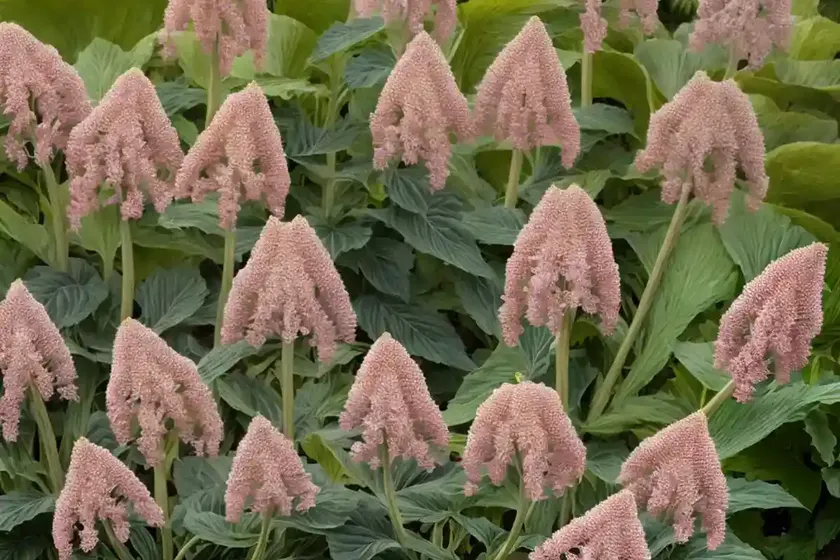
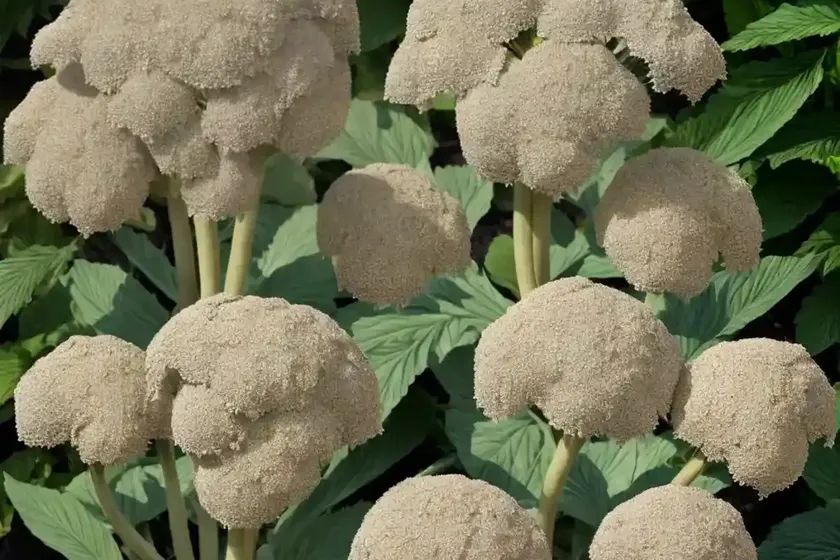
American Angelica, also known as Angelica Atropurpurea, is a striking and versatile plant that has long been valued for its cultural, medicinal, and ornamental uses. As a plant scientist with a passion for exploring the intricacies of plant life, I am excited to delve into the world of American Angelica and share an in-depth guide to understanding and cultivating this remarkable species.
In this comprehensive guide, we will explore the cultural significance, uses, ideal growing conditions, maintenance tips, propagation methods, common diseases and pests, as well as fascinating folklore associated with American Angelica. Whether you are an avid gardener, an herbal enthusiast, or simply someone intrigued by the beauty of nature, this guide aims to provide valuable insights into the world of Angelica Atropurpurea.
What is American Angelica (Angelica Atropurpurea)?
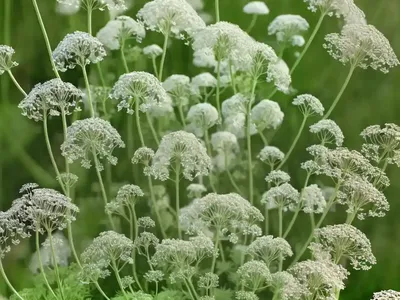
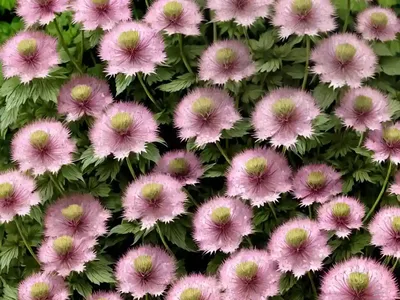
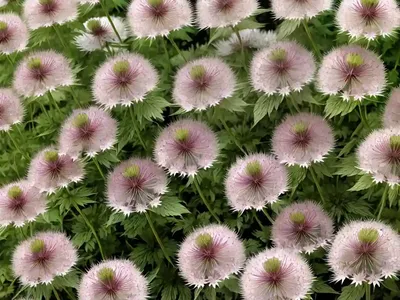
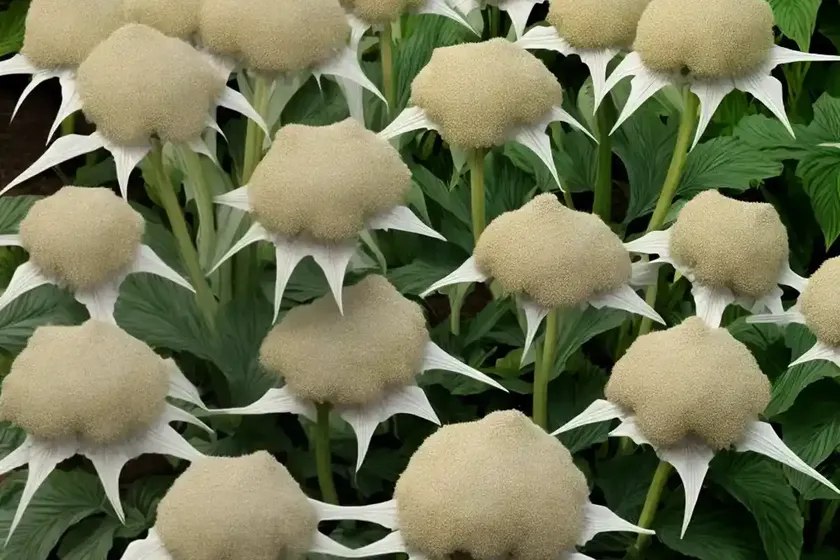
American Angelica, scientifically known as Angelica Atropurpurea, is a perennial herbaceous plant belonging to the Apiaceae family. This striking plant is native to North America and is characterized by its tall, stout stems, clusters of tiny greenish-white flowers, and large, glossy, deep purplish-red leaves. The plant’s botanical name “Angelica” is derived from the Latin word “angelus,” which translates to “angel” or “messenger.”
Key Takeaways – American Angelica (Angelica Atropurpurea)
Before we delve into the details of cultivating American Angelica, let’s take a moment to highlight some key takeaways that will be covered in this comprehensive guide:
-
Cultural Significance: Exploring the historical and cultural uses of Angelica Atropurpurea.
-
Medicinal Properties: Understanding the medicinal and herbal benefits of American Angelica.
-
Growing Conditions: Ideal water, sunlight, soil, and fertilizer requirements for cultivating Angelica Atropurpurea.
-
Maintenance Tips: Tips for pruning, propagation, and caring for American Angelica.
-
Common Diseases and Pests: Identifying and managing potential diseases and pests that may affect Angelica Atropurpurea.
-
Folklore and Traditions: Exploring the fascinating folklore and traditional beliefs associated with American Angelica.
Now, let’s embark on a journey to discover the allure of American Angelica and gain insights into its cultivation, folklore, and beneficial properties.
Cultural Significance of American Angelica
American Angelica holds a significant place in cultural and traditional practices across various communities. With a rich history of ethnobotanical uses, Angelica Atropurpurea has been revered for its diverse applications, ranging from medicinal remedies to culinary and spiritual practices.
Uses
The uses of American Angelica span across different domains, reflecting its versatility and cultural significance:
-
Medicinal Purposes: American Angelica has been traditionally used in herbal medicine for its purported health-promoting properties, which encompass digestive support, respiratory health, and immune-boosting effects.
-
Culinary Applications: The stems and roots of Angelica Atropurpurea have been employed in culinary preparations, adding a unique flavor to dishes and often used in candied form as a confectionery ingredient.
-
Cultural and Spiritual Symbolism: In various cultures, American Angelica has held symbolic significance, often associated with protection, purification, and guidance.
-
Aromatic Qualities: The plant’s pleasant scent has been utilized in perfumery and aromatherapy, contributing to its aromatic appeal and potential therapeutic applications.
Water
When discussing the cultural significance of American Angelica, it’s important to consider the plant’s water requirements for optimal growth and development. Angelica Atropurpurea thrives in consistently moist soil, making it well-suited to environments with adequate access to water. However, it is crucial to avoid waterlogged conditions, which can lead to root rot and other detrimental effects.
Sunlight
In terms of sunlight preferences, American Angelica tends to flourish in partial shade to full sun exposure. This adaptable nature makes it suitable for cultivation in various light conditions, allowing it to thrive in diverse garden settings.
Fertilizer
While American Angelica is relatively low-maintenance, providing occasional organic fertilizer during the growing season can support its vigor and overall health. An organic, well-balanced fertilizer can be applied in early spring to provide essential nutrients for robust growth.
Soil
The choice of soil is a crucial factor in cultivating American Angelica. The plant thrives in rich, moist, and well-draining soil, with a preference for loamy or sandy loam soil types. Additionally, maintaining a slightly acidic to neutral pH level in the soil is conducive to the plant’s development.
Pruning
Pruning can play a key role in maintaining the health and aesthetics of American Angelica. Regular removal of dead, damaged, or overgrown foliage can promote air circulation and prevent disease incidence, contributing to the overall vitality of the plant.
Propagation
Propagation of American Angelica can be achieved through various methods, including seed sowing, division, or root cuttings. Each method offers its own advantages and considerations, allowing for flexibility in expanding the presence of Angelica Atropurpurea in a garden or natural setting.
Container Popularity
Given its height and striking appearance, American Angelica can be an appealing choice for container gardening, adding a bold and dramatic element to outdoor spaces. Its adaptability to container cultivation broadens its appeal for gardeners seeking to incorporate unique and visually captivating elements into their landscapes.
Common Diseases and Pests
While American Angelica is generally resilient, it can be susceptible to certain diseases and pests. By being vigilant and taking preventive measures, such as proper sanitation and maintenance practices, it is possible to mitigate potential issues and preserve the health of the plant.
Disease Diagnosis
Diseases that may affect American Angelica include fungal infections, such as powdery mildew or leaf spot diseases. Early detection and appropriate management strategies, such as targeted fungicidal treatments or cultural practices, can help maintain the plant’s vitality and resilience.
Common Pests
Pests that may pose a threat to American Angelica include aphids, caterpillars, and certain beetles. Regular monitoring and the implementation of integrated pest management techniques are effective approaches to safeguarding the plant from pest-related damage.
Botanist’s Tips
To nurture and appreciate the distinct qualities of American Angelica, it is essential to consider the plant’s growth habits, native habitat, and its interactions within the ecosystem. Understanding and respecting these factors can enhance our stewardship of this captivating species.
Fun Facts
Uncovering the captivating aspects of American Angelica can reveal intriguing and surprising facts that add depth to our understanding and appreciation of this remarkable plant. Fun facts can provide valuable insights into the plant’s ecology, ethnobotanical significance, and unique characteristics.
Now, let’s dive into the multi-faceted world of Angelica Atropurpurea, exploring its folklore, beneficial properties, and its role in supporting biodiversity.
Exploring American Angelica: Folklore, Traditions, and Botanical Features
Folklore and Legends
American Angelica has been woven into a tapestry of folklore and traditions, captivating the imagination and serving as a source of inspiration across various cultures. Its association with mythical tales, folk medicine, and symbolic meanings has contributed to its enduring legacy.
Botanical Features
The botanical features of American Angelica encompass a combination of distinct attributes and adaptations that define its ecological niche and botanical significance. From its towering stature to its intricate floral structure, the plant’s botanical characteristics offer a window into its evolutionary traits and ecological relationships.
Scent
The aromatic allure of American Angelica adds a sensory dimension to its appeal, with its sweet and earthy scent permeating the air in garden settings. This olfactory charm has contributed to its historical use in perfumery and its potential as an aromatic additive in various products.
Companion Planting
American Angelica’s role as a companion plant extends beyond its ornamental value, as it can contribute to the ecological balance of garden ecosystems and support the health and well-being of neighboring plants. Understanding its potential as a companion plant can inform strategic garden designs and foster sustainable cultivation practices.
Ethnobotanical Uses
The ethnobotanical uses of American Angelica encompass a wide spectrum of applications rooted in traditional knowledge and cultural practices. From herbal remedies to spiritual rituals, the plant’s ethnobotanical significance reflects its enduring relevance in human societies.
Wildlife Habitat
American Angelica’s presence in natural habitats provides valuable resources for a diverse array of wildlife, including bees, butterflies, and other pollinators. Protecting and promoting the plant’s role in supporting wildlife habitat can contribute to broader conservation efforts and ecological stewardship.
Natural Dye
The deep, rich hue of American Angelica’s foliage has historically been utilized as a natural dye, offering an eco-friendly and sustainable alternative for coloring textiles and other materials. Exploring the plant’s potential as a natural dye source highlights its multifaceted utility.
Culinary Applications
In the culinary realm, the stems and roots of American Angelica have been revered for their distinctive flavor, with applications ranging from confectionery to savory dishes. Exploring the culinary potential of Angelica Atropurpurea can inspire creative culinary pursuits and innovative uses in gastronomy.
Herbal Remedies and Essential Oil
The medicinal properties of American Angelica have long been recognized, with traditional herbal remedies harnessing its purported benefits for digestive health, respiratory support, and overall well-being. The production of essential oil from the plant further amplifies its therapeutic potential and aromatic allure.
Traditional Uses
American Angelica’s presence in traditional remedies and healing practices reflects its enduring legacy as a plant valued for its multifaceted contributions to human health and well-being. Exploring its traditional uses can provide insights into the plant’s historical and cultural significance.
Gardening Tips
Navigating the practical aspects of cultivating American Angelica can benefit from valuable gardening tips that encompass its specific growing requirements, maintenance needs, and potential design considerations. Incorporating effective gardening tips can enhance the success of cultivating this captivating plant.
Habitat and Range
A deeper understanding of American Angelica’s natural habitat and native range offers insights into the plant’s ecological adaptations and its conservation relevance. Examining its habitat and range can inform strategies for promoting its ecological resilience and preserving its biodiversity.
Angelica Atropurpurea: Medicinal Properties and Herbal Applications
Immune Support and Respiratory Health
In traditional and herbal medicine, American Angelica has been valued for its purported benefits in promoting immune support, particularly in the context of respiratory health. Its potential as an ally for maintaining respiratory well-being underscores its historical significance as a medicinal plant.
Digestive Health and Herbal Remedies
The use of American Angelica for digestive health aligns with traditional herbal remedies that have leveraged its properties to support digestive comfort and overall gastrointestinal wellness. Exploring its role in herbal remedies reveals its potential contributions to fostering digestive health.
Anxiety Relief and Wellness
The soothing qualities of American Angelica have been associated with potential benefits for anxiety relief and overall emotional well-being. Its historical use as a source of comfort and relaxation highlights its broader implications for promoting mental and emotional wellness.
Skincare and Beauty
The aromatic and aromatic properties of American Angelica have extended to the realm of skincare and beauty, with its potential as a natural skincare ingredient offering opportunities for harnessing its beneficial qualities for personal care and cosmetic applications.
Herbal Infusions and Culinary Delights
The infusion of American Angelica in herbal teas and culinary creations provides an avenue for experiencing its unique flavors and potentially tapping into its traditional uses as a culinary and wellness-enhancing ingredient.
Herbal Recipes and Culinary Exploration
Exploring herbal recipes that feature American Angelica as a key ingredient can inspire culinary exploration and creative endeavors in the realm of gastronomy. The plant’s diverse applications in culinary settings offer opportunities for engaging with its distinctive flavors and potential health-promoting qualities.
Folklore and Symbolism
The folklore and symbolism associated with American Angelica offer a glimpse into the plant’s enduring significance in cultural narratives and its symbolic resonance across different traditions. Unraveling its folklore and symbolism can weave a rich tapestry of cultural meanings and associations.
Insect Repellent and Ethnobotanical Practices
The repellent properties of American Angelica have been leveraged in traditional ethnobotanical practices, reflecting its potential role in supporting natural pest management and contributing to broader ecological balance.
Menstrual Health and Traditional Remedies
The historical use of American Angelica in traditional remedies related to menstrual health underscores its enduring relevance in supporting women’s wellness and offering potential benefits for menstrual comfort and vitality.
Native American Culture and Traditional Knowledge
In Native American culture, American Angelica has held cultural significance and has been integrated into traditional knowledge systems, underscoring its indelible connection to indigenous narratives and healing traditions.
Traditional Chinese Medicine and Botanical Wisdom
The incorporation of American Angelica in traditional Chinese medicine reflects its historical recognition within the realm of botanical wisdom and medicinal traditions that have valued its potential contributions to holistic health.
Propagation Methods and Ethnobotanical Conservation
The propagation of American Angelica aligns with efforts to preserve and propagate its presence within ethnobotanical contexts, supporting its conservation and the continuation of its cultural and medicinal heritage.
American Angelica’s Influence on Biodiversity and Ecology
Habitat Conservation and Ecological Stewardship
By recognizing American Angelica’s role in supporting biodiversity and contributing to the ecological tapestry, efforts in habitat conservation and ecological stewardship can be enhanced to safeguard its presence and values within natural ecosystems.
Wildlife Support and Pollinator Habitat
The appeal of American Angelica to wildlife, including bees and butterflies, underscores its potential as a source of resources for supporting pollinator habitat and contributing to the health and diversity of ecosystems.
Ecological Resilience and Native Plants
Embracing American Angelica as a part of native plant landscapes can bolster ecological resilience, fostering connections to the region’s natural history and contributing to the preservation of indigenous flora.
Ethnobotanical Heritage and Cultural Conservation
The conservation of American Angelica’s ethnobotanical heritage aligns with efforts to honor and preserve cultural knowledge, traditional practices, and the diversity of uses associated with this revered plant species.
Floral Diversity and Ecosystem Health
The inclusion of American Angelica within garden and natural settings offers opportunities for enhancing floral diversity and promoting overall ecosystem health by integrating a species with unique ecological values.
Ethical Harvesting and Sustainable Practices
Engaging in ethical harvesting practices and promoting sustainable approaches to sourcing and utilizing American Angelica can foster a balanced relationship with the plant and contribute to its sustainable management.
Conclusion
American Angelica, with its botanical allure, rich history, and diverse contributions to culture, medicine, and ecology, emerges as a compelling emblem of botanical fascination and cultural significance. Its intricate botanical features, beneficial properties, and versatile applications intersect with folklore and traditions, weaving a narrative of resilience and enduring relevance.
In the realm of horticulture, American Angelica’s capacity for adaptation, its role as a companion plant, and its potential as an ornamental species offer a canvas for creative expressions in garden designs and sustainable landscapes. Embracing its ethnobotanical heritage and acknowledging its contributions to biodiversity can deepen our appreciation for the intertwining threads of nature, culture, and tradition embodied by this remarkable plant.
As we conclude our journey through the world of American Angelica, it becomes evident that its charm extends beyond its physical presence, resonating with cultural stories and ecological connections that speak to its enduring symbolism and ecological significance. By cultivating an understanding of American Angelica’s botanical features, its folklore, and its ecological role, we foster a deeper appreciation for the intricate tapestry of nature’s beauty and cultural richness.
With its harmonious blend of historical legacy, botanical grace, and environmental contributions, American Angelica stands as a testament to the enduring allure of plant life and the captivating narratives woven by the natural world.
Thank you for joining me on this exploration of American Angelica, and may the legacy of this remarkable plant continue to inspire curiosity, reverence, and stewardship in the realms of culture, medicine, and horticulture.
References:
- University of Maryland Medical Center. “Angelica.” link
- North Carolina State University Extension. “Growing Herbs for Cooking or Pleasure.” link
- United States Department of Agriculture, Natural Resources Conservation Service. “Plant Guide: Purplestem Angelica (Angelica atropurpurea).” link