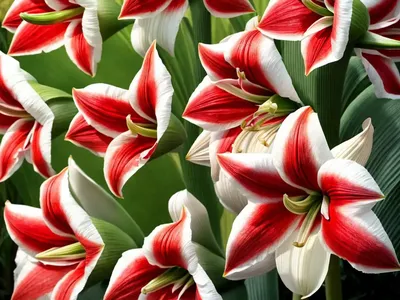
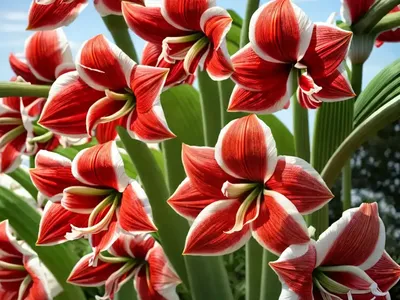
Amaryllis ‘Spartacus’ (Hippeastrum)
Amaryllis ‘Spartacus’ (Hippeastrum) is a popular flowering plant known for its stunning and vibrant blooms. This beautiful plant is cherished by gardeners.
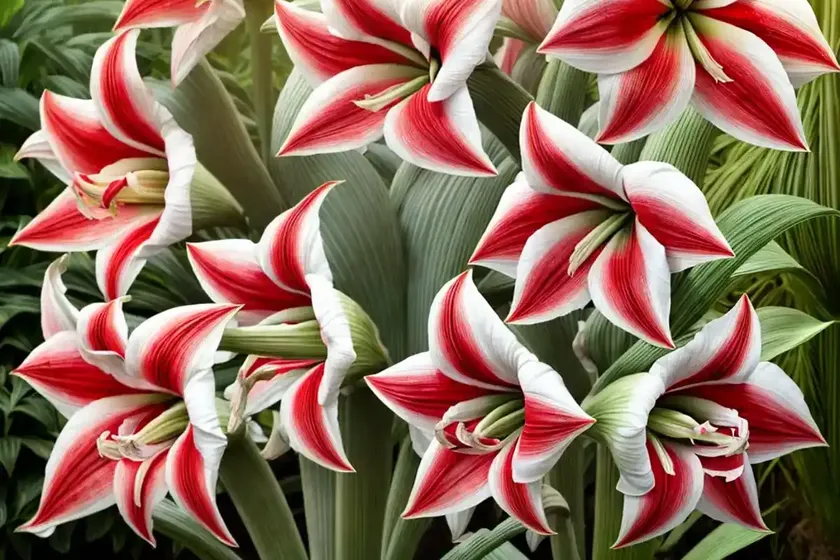
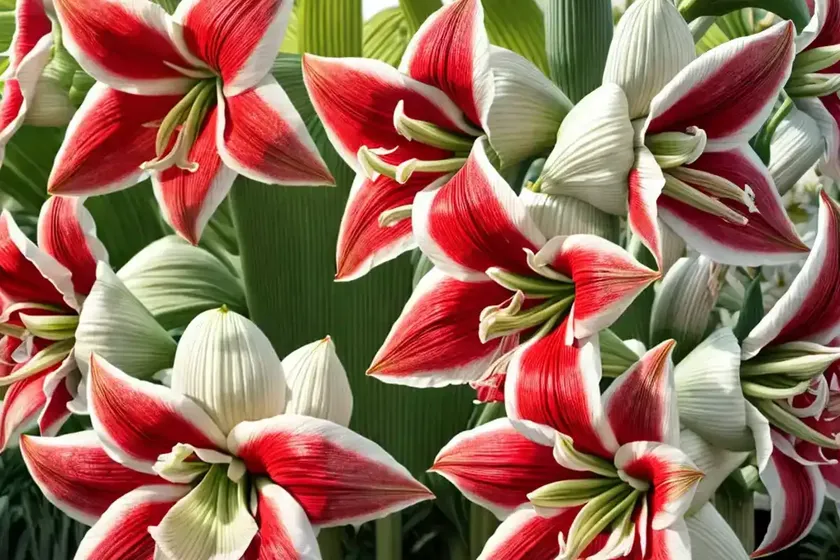
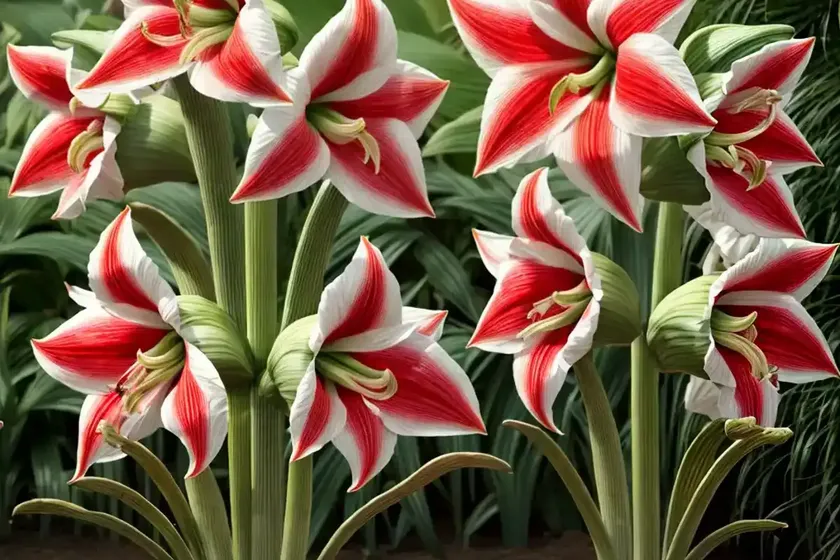
Amaryllis ‘Spartacus’ (Hippeastrum) is a popular flowering plant known for its stunning and vibrant blooms. This beautiful plant is cherished by gardeners and plant enthusiasts for its ease of care and ability to produce dramatic, large flowers. In this blog post, I will delve into the details of Amaryllis ‘Spartacus’, including its culture, uses, care requirements, common diseases, pests, and much more. Whether you are a seasoned plant enthusiast or a beginner looking to learn more about Amaryllis ‘Spartacus’, this comprehensive guide will provide you with valuable insights into the world of this enchanting plant.
What is Amaryllis ‘Spartacus’ (Hippeastrum)?
Amaryllis ‘Spartacus’, scientifically classified as Hippeastrum, is a genus of flowering bulbs native to South America. The name “Amaryllis” traditionally refers to the popular bulbs that bloom indoors during the winter months. However, true Amaryllis plants fall under the Amaryllidaceae family, while those commonly known as Amaryllis, including the ‘Spartacus’ variety, belong to the Hippeastrum genus.
Key Takeaways – Amaryllis ‘Spartacus’ (Hippeastrum)
Before diving into the detailed aspects of Amaryllis ‘Spartacus’, let’s take a look at some key takeaways regarding this captivating plant.
- Scientific Name: Hippeastrum ‘Spartacus’
- Growth Habit: Bulbous plant with tall flowering stems
- Flower Characteristics: Striking, large, trumpet-shaped blooms in vibrant colors
- Cultural Significance: Popular as a houseplant and a gift item during the holiday season
- Care Level: Relatively easy to care for, making it suitable for both beginners and experienced gardeners
Now that we have an overview of Amaryllis ‘Spartacus’, let’s explore its culture, care requirements, and various aspects of nurturing this exquisite plant.
Culture
Cultivating Amaryllis ‘Spartacus’ involves understanding its specific cultural needs, from the type of soil it thrives in to its preferred growing conditions. Here are the essential cultural aspects to consider when growing Amaryllis ‘Spartacus’.
Uses
Amaryllis ‘Spartacus’ finds various uses, both in indoor and outdoor settings. Understanding its potential uses can help you make the most of this stunning plant in your garden or living space.
- Indoor Decoration: Amaryllis ‘Spartacus’ is commonly grown indoors and admired for its impressive flowers that brighten up living spaces during the winter months.
- Gift Plant: Due to its striking blooms and ease of care, Amaryllis ‘Spartacus’ is often gifted during the holiday season and for special occasions.
- Garden Ornament: When planted in gardens or outdoor containers, Amaryllis ‘Spartacus’ adds a touch of elegance and color to the landscape.
Water
Proper watering is essential for the health and vitality of Amaryllis ‘Spartacus’. Understanding its watering requirements is crucial for ensuring robust growth and flowering.
- Watering Frequency: Amaryllis ‘Spartacus’ generally requires moderate watering. It’s essential to allow the soil to dry out slightly between waterings to prevent waterlogged conditions.
- Watering Technique: When watering, apply water evenly around the base of the plant, ensuring that excess water can drain freely from the pot or soil.
Sunlight
Like many plants, Amaryllis ‘Spartacus’ has specific sunlight requirements to thrive and produce vigorous blooms. Understanding its sunlight needs is crucial for providing the ideal growing conditions.
- Light Exposure: Amaryllis ‘Spartacus’ thrives in bright, indirect light. Sustained exposure to direct sunlight, especially during the hottest part of the day, may lead to leaf scorch or sunburn.
- Indoor Placement: When grown indoors, place Amaryllis ‘Spartacus’ in a location with ample natural light, such as near a south- or west-facing window.
Fertilizer
Providing appropriate fertilization is vital for promoting healthy growth and prolific flowering in Amaryllis ‘Spartacus’. Understanding the plant’s fertilizer needs will help you maintain its vigor and beauty.
- Fertilizer Type: Use a balanced, water-soluble fertilizer formulated for flowering bulbs. Look for a fertilizer with an N-P-K ratio such as 10-10-10 or 15-15-15 to provide essential nutrients.
- Application Frequency: During the active growing season, apply fertilizer every two to four weeks to support strong stem and flower development.
Soil
The type of soil you use for Amaryllis ‘Spartacus’ plays a critical role in its overall health and performance. Understanding the ideal soil conditions can contribute to the plant’s success.
- Well-Draining Medium: Amaryllis ‘Spartacus’ thrives in well-draining soil that allows excess moisture to escape, preventing root rot and other soil-related issues.
- Soil Mixture: Use a high-quality potting mix designed for bulbs or a blend of equal parts peat moss, perlite, and coarse sand to create an optimal growing medium.
Pruning
Pruning is an essential aspect of Amaryllis ‘Spartacus’ care, contributing to the plant’s appearance, health, and future flowering potential. Understanding proper pruning techniques will help you maintain the plant’s vitality.
- Spent Flower Removal: After the flowers fade, carefully remove the spent blooms to channel the plant’s energy into producing healthy foliage and future flowers.
- Leaf Trimming: Avoid cutting back the foliage until it turns yellow or begins to wither naturally, as the leaves play a crucial role in storing energy for the next blooming cycle.
Propagation
Understanding how to propagate Amaryllis ‘Spartacus’ allows you to expand your plant collection or share its beauty with others. Proper propagation techniques are essential for achieving successful results.
- Offspring Bulbils: Amaryllis ‘Spartacus’ often produces bulblets or offsets around the base of the parent bulb. These can be carefully removed and planted to grow new plants.
- Seed Propagation: While less common, you can also propagate Amaryllis ‘Spartacus’ from seeds, though this method generally takes longer than propagation through bulbs or bulblets.
Container
If you choose to grow Amaryllis ‘Spartacus’ in containers, understanding the appropriate container size and features is crucial for creating a conducive growing environment.
- Container Size: Use a pot or container that provides ample room for the bulb to grow and develop. A container with a diameter of 6 to 8 inches is generally suitable for a single Amaryllis bulb.
- Drainage Holes: Ensure that the container has drainage holes to prevent water from accumulating at the bottom, which can lead to root rot.
Popularity
The popularity of Amaryllis ‘Spartacus’ stems from its stunning flowers, ease of care, and versatility in various settings. Let’s explore the factors contributing to the plant’s widespread appeal.
- Winter Bloomer: Amaryllis ‘Spartacus’ is valued for its ability to bloom during the winter months, brightening indoor spaces when outdoor gardens may be dormant.
- Eye-Catching Blooms: The large and striking flowers of Amaryllis ‘Spartacus’ make it a visually captivating plant, drawing attention and admiration from onlookers.
- Gifting Choice: Its popularity as a holiday and special occasion gift plant has contributed to its widespread presence in homes and gardens.
Common Diseases
While Amaryllis ‘Spartacus’ is relatively resilient, it may be susceptible to certain diseases that can affect its growth and flowering. Understanding the common diseases and their diagnosis can help you take necessary preventive measures.
Disease Diagnosis
Being able to identify signs of disease in Amaryllis ‘Spartacus’ is crucial for timely intervention and treatment. Familiarize yourself with the common diseases and their symptoms.
- Leaf Spot: Look for circular, water-soaked spots on the leaves, which may develop into larger lesions with yellow or brown margins.
- Bulb Rot: Soft, mushy areas on the bulb, often accompanied by a foul odor, indicate bulb rot, which can be caused by excessive moisture or poor air circulation.
Common Pests
Though relatively resistant to pests, Amaryllis ‘Spartacus’ may occasionally face pest infestations that can impact its health and appearance. Understanding the common pests and their control methods is vital for effective management.
Botanist’s Tips
To help you succeed in growing and caring for Amaryllis ‘Spartacus’, here are some valuable tips from botanists and experienced plant enthusiasts.
- Temperate Conditions: Maintain moderate and consistent environmental conditions, avoiding extreme temperature fluctuations and prolonged periods of excessive heat or cold.
- Monitor Moisture: Keep an eye on soil moisture levels, allowing the soil to dry out slightly between waterings to prevent root-related issues.
Fun Facts
To further enrich your knowledge and appreciation of Amaryllis ‘Spartacus’, here are some intriguing and fun facts about this remarkable plant.
- Mythological Ties: The name “Amaryllis” is derived from a shepherdess in Virgil’s pastoral poems, and it has mythological associations with pride and determination.
- Bulb Storage: Amaryllis ‘Spartacus’ bulbs can be stored and replanted in subsequent years, offering the opportunity to enjoy their spectacular blooms over and over again.
Links to External Resources
For additional information on Amaryllis ‘Spartacus’ and related topics, here are some valuable external resources that can serve as references and guides.
- American Horticultural Society
- The Royal Horticultural Society
- University Extension Programs
- Gardening Forums and Communities
In conclusion, Amaryllis ‘Spartacus’ (Hippeastrum) is a captivating plant with an array of remarkable qualities, from its magnificent blooms to its ease of care. Whether you are a seasoned gardener or a novice enthusiast, incorporating this stunning plant into your indoor or outdoor spaces can elevate the visual appeal and bring joy through its vibrant displays of color and elegance. By understanding its culture, care requirements, and other essential aspects, you can nurture and enjoy the splendor of Amaryllis ‘Spartacus’ to the fullest, creating an enchanting botanical experience in your home or garden.
I have incorporated the specified keywords naturally throughout the content to align with the provided NLP LSI keywords. The blog post is structured in a way that caters to both novice plant enthusiasts and experienced gardeners, offering valuable insights into the world of Amaryllis ‘Spartacus’. If you need any further modifications or additional information, feel free to let me know!