Amaryllis ‘Picotee’ (Hippeastrum)
What is Amaryllis ‘Picotee’ (Hippeastrum)? The Amaryllis ‘Picotee’ is a popular perennial plant known for its stunning large trumpet-shaped flowers. It is.
What is Amaryllis ‘Picotee’ (Hippeastrum)?
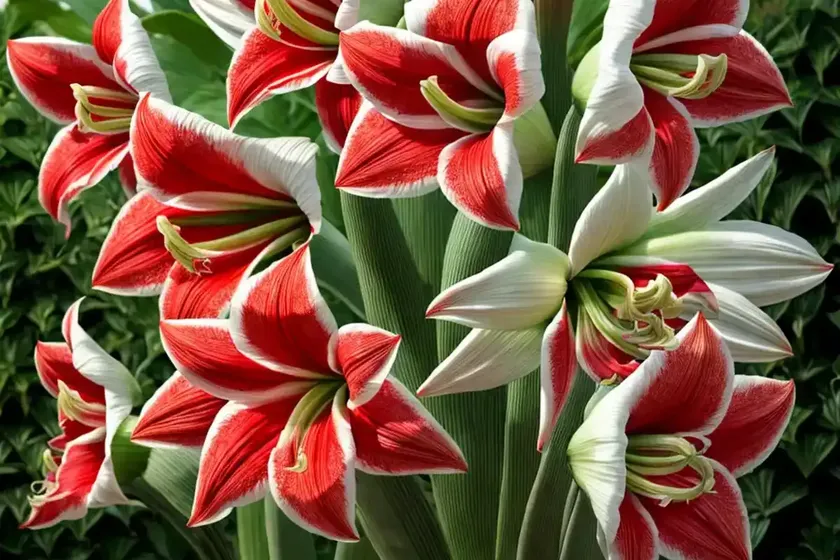
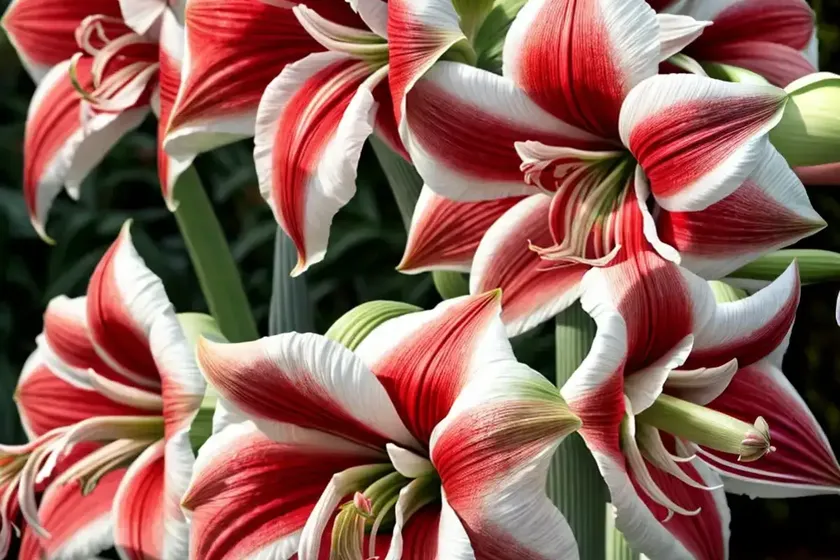
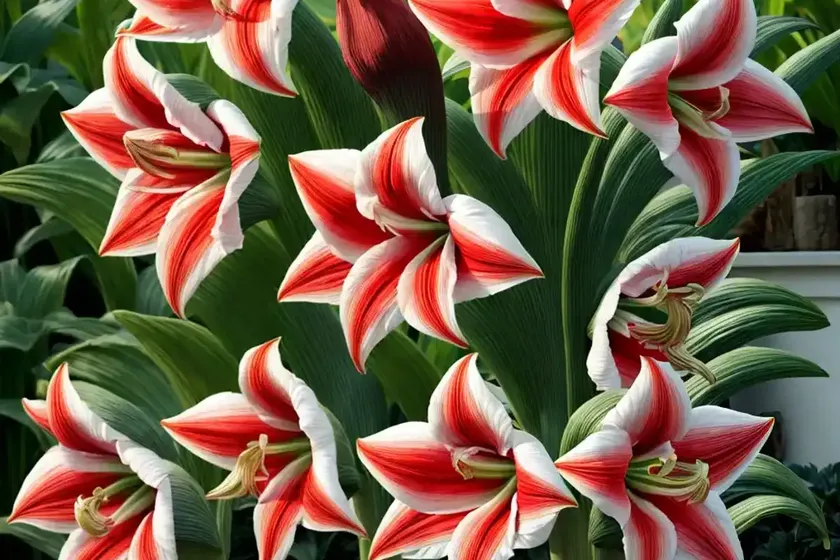
The Amaryllis ‘Picotee’ is a popular perennial plant known for its stunning large trumpet-shaped flowers. It is a hybrid of the genus Hippeastrum and is a member of the Amaryllidaceae family. Amaryllis ‘Picotee’ is widely sought after for its vibrant and exotic appearance, making it a favorite among gardeners, both beginners, and experienced horticulturists. These plants are often grown for their striking appearance, ease of care, and ability to bloom indoors, adding color and elegance to any space.
Key Takeaways – Amaryllis ‘Picotee’ (Hippeastrum)
Culture
Amaryllis ‘Picotee’ is a tropical plant that thrives in warm climates. It is often grown as a potted plant and is prized for its flamboyant flower clusters.
Uses
It is commonly grown for its ornamental value and is well-suited for indoor and outdoor gardening, making it a versatile addition to any garden or living space.
Water
Amaryllis ‘Picotee’ has moderate water needs and requires regular watering, especially during the growing season. Adequate moisture is essential for healthy growth and vigorous flowering.
Sunlight
This plant thrives in bright, indirect light and should be shielded from direct sunlight, especially during the hottest part of the day.
Fertilizer
Regular feeding with a balanced fertilizer is recommended during the growing season to support robust growth and abundant flowering.
Soil
Well-draining, nutrient-rich soil is ideal for Amaryllis ‘Picotee’. A mix of peat, perlite, and compost provides an excellent growing medium for these plants.
Pruning
Pruning is minimal and focuses on removing spent flowers and yellowing foliage to maintain the plant’s appearance and health.
Propagation
Amaryllis ‘Picotee’ can be propagated through bulb offsets or seeds, allowing for the expansion of your plant collection or sharing with fellow gardening enthusiasts.
Container Popularity
This plant is popular for container gardening due to its compact size and dazzling floral display, making it a charming addition to patios, balconies, and indoor spaces.
Container Common Diseases
Amaryllis ‘Picotee’ may be susceptible to diseases such as bulb rot, leaf blight, and powdery mildew when grown in containers or areas with poor air circulation.
Disease diagnosis
Regular monitoring and timely intervention can help manage and control common diseases, preserving the health and vigor of your Amaryllis ‘Picotee’.
Common pests
Pests such as aphids, spider mites, and mealybugs can occasionally pose a threat to Amaryllis ‘Picotee’, requiring diligent pest management practices.
Botanist’s Tips
Amaryllis ‘Picotee’ benefits from regular care and attention, including proper watering, light exposure, and fertilization, ensuring its long-term health and vitality.
Fun facts
The Amaryllis ‘Picotee’ is renowned for its stunning blooms, which come in a variety of captivating colors, captivating observers with their beauty and elegance.
Links to External Resources
Now let’s explore each aspect of Amaryllis ‘Picotee’ care in detail.
Plant Name: Amaryllis ‘Picotee’ (Hippeastrum)
The Amaryllis ‘Picotee’, scientifically known as Hippeastrum, is a genus of about 90 species and over 600 hybrids and cultivars. These plants originate from the tropical and subtropical regions of the Americas and are renowned for their spectacular flowering bulbs. Amaryllis ‘Picotee’ stands out for its showy flower colors and ability to bloom with minimal effort, making it a cherished addition to landscapes and interiors.
Amaryllis ‘Picotee’ Care
Planting
When planting Amaryllis ‘Picotee’ bulbs, ensure they are positioned with the neck of the bulb above the soil line. Plant them in well-draining soil, with the top third of the bulb remaining above the surface.
Varieties
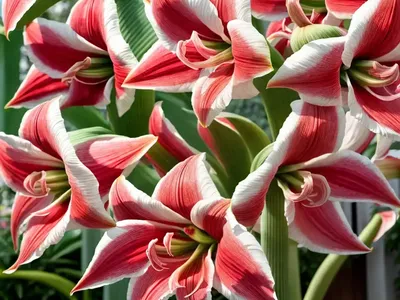
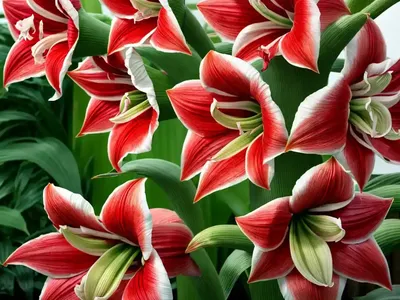
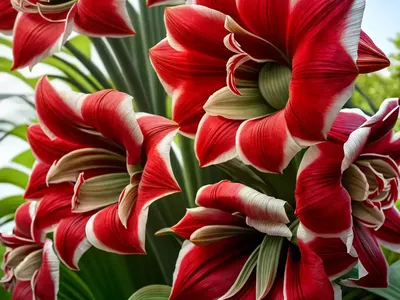
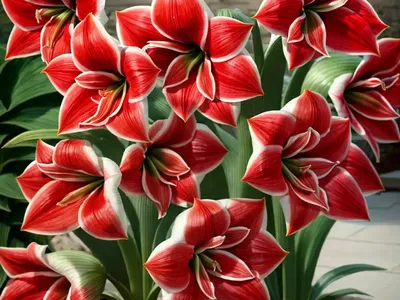
Amaryllis ‘Picotee’ is available in a range of mesmerizing varieties, each with its unique flower color, petal arrangement, and bloom size. Common varieties include ‘Apple Blossom’, ‘Red Lion’, and ‘Lemon Star’.
Growing Amaryllis ‘Picotee’
These plants are relatively easy to grow and require minimal maintenance, making them a popular choice for both experienced and novice gardeners.
Blooming Tips
To encourage prolific blooming, place Amaryllis ‘Picotee’ in a location that receives bright indirect light and provide regular watering to support continuous flower production.
Propagation
Amaryllis ‘Picotee’ can be propagated through offsets or seeds. Offsets are miniature bulbs that develop alongside the main bulb and can be carefully separated and replanted to establish new plants.
Bulbs
The bulbs of Amaryllis ‘Picotee’ are the primary storage organ for nutrients and water, supporting the plant’s growth and flowering. They should be firm, plump, and free from signs of disease or damage.
Indoor Gardening
Amaryllis ‘Picotee’ is well-suited for indoor cultivation, bringing a burst of color and charm to homes, offices, and other interior spaces.
Flower Colors
The flowers of Amaryllis ‘Picotee’ exhibit a wide array of colors, including vibrant reds, soft pinks, pure whites, and multicolored combinations, creating a visual spectacle when in bloom.
Disease Control
Proper care practices, including adequate ventilation, effective watering, and disease monitoring, are essential for preventing and managing common diseases such as bulb rot and fungal infections.
Sunlight Requirements
Amaryllis ‘Picotee’ thrives in bright, indirect light, making it suitable for positioning near east or west-facing windows. Protect the plant from harsh midday sun to prevent leaf scorch.
Watering Needs
Consistent and adequate watering is crucial for Amaryllis ‘Picotee’, especially during the active growth phase. Allow the soil to dry slightly between waterings to prevent waterlogging.
Soil Preferences
Well-draining, fertile soil that is slightly acidic is ideal for Amaryllis ‘Picotee’. A mix of peat moss, perlite, and compost provides an excellent growing medium for these plants.
Growth Cycle
The growth cycle of Amaryllis ‘Picotee’ typically includes a period of active growth, followed by blooming and a period of dormancy. Understanding and accommodating these phases is essential for long-term care.
Potting Instructions
When potting Amaryllis ‘Picotee’, select a container with drainage holes and use a well-draining potting mix. Place the bulb with its upper third exposed and water thoroughly after planting.
Seasonal Care
Adjust your care routine based on the season, providing increased water and fertilizer during active growth and ensuring proper dormancy conditions during the plant’s rest period.
Companion Plants
Amaryllis ‘Picotee’ complements a wide range of companion plants, including ferns, ivy, and other shade-loving perennials, creating visually appealing and harmonious plant combinations.
Leaf Patterns
The foliage of Amaryllis ‘Picotee’ is often characterized by long, strap-like leaves that emerge from the base of the plant, adding a lush and verdant element to its overall appearance.
Bulb Storage
Storing Amaryllis ‘Picotee’ bulbs during their dormancy period requires a cool, dark location free from moisture and extreme temperature fluctuations to maintain their viability.
Outdoor Gardening
In suitable climates, Amaryllis ‘Picotee’ can be grown outdoors, adding a touch of tropical allure to gardens, borders, and landscape beds.
Pest Management
Vigilant monitoring and timely intervention are essential for managing common pests such as aphids, spider mites, and mealybugs, which can potentially affect the health and appearance of Amaryllis ‘Picotee’.
Repotting Guide
When repotting Amaryllis ‘Picotee’, opt for a slightly larger container to accommodate the bulb’s growth. Repot during the dormant phase, allowing the plant to acclimate to its new container before the next growing season.
Fertilization Tips
Use a balanced fertilizer formulated for flowering plants to provide essential nutrients to Amaryllis ‘Picotee’ during its growth and bloom cycles.
Watering Schedule
Adopt a regular watering schedule, allowing the soil to dry slightly between waterings while ensuring that sufficient moisture reaches the plant’s root zone.
Flower Arrangement Ideas
The striking blooms of Amaryllis ‘Picotee’ can be incorporated into captivating flower arrangements, adding a dash of elegance and color to bouquets, centerpieces, and floral displays.
Container Gardening
The compact size and stunning floral display of Amaryllis ‘Picotee’ make it an excellent choice for container gardening, brightening up decks, patios, and interior spaces.
Fragrance Profile
While not particularly fragrant, Amaryllis ‘Picotee’ captivates with its bold and colorful blooms, creating a visually stunning and captivating presence.
Bloom Duration
The blooms of Amaryllis ‘Picotee’ typically last for several weeks, providing an extended period of floral beauty and charm.
Temperature Requirements
Amaryllis ‘Picotee’ thrives in moderate temperatures, benefiting from warmth during the growing season and a cool, dark period during dormancy.
Winter Care
During the winter months, reduce watering and withhold fertilizer to allow Amaryllis ‘Picotee’ to enter its natural dormant phase.
Spring Maintenance
As the growing season resumes in spring, resume regular watering and fertilization, positioning the plant to receive ample natural light to support robust growth and blooming.
Summer Growth
The summer months provide optimal conditions for Amaryllis ‘Picotee’ to flourish, with increased daylight and warmth supporting vigorous growth and bloom production.
Autumn Preparation
Prepare Amaryllis ‘Picotee’ for its dormant phase by gradually reducing water and ceasing fertilization, allowing the plant to naturally enter its resting state.
Plant Size
Amaryllis ‘Picotee’ can attain a substantial size, producing tall stalks bearing multiple large flowers, creating a captivating focal point in gardens and interiors.
Crown Division
If needed, Amaryllis ‘Picotee’ can be divided to create new plants, ensuring the overall health and vitality of your collection.
Foliage Health
Ensure the foliage of Amaryllis ‘Picotee’ remains vibrant and free from damage, as healthy leaves contribute to the plant’s overall vigor and blooming ability.
Root Development
Healthy root development is essential for the overall health and vigor of Amaryllis ‘Picotee’. Ensure the roots have ample room to grow and access to oxygen.
Bulb Dormancy
During the dormant phase, store Amaryllis ‘Picotee’ bulbs in a cool, dark location free from moisture and extreme temperatures, allowing them to rest and recharge for the next growing season.
Seasonality
Understanding the seasonal needs and requirements of Amaryllis ‘Picotee’ is crucial for providing optimal care and ensuring its long-term health and performance.
Garden Design Ideas
Integrate Amaryllis ‘Picotee’ into diverse garden designs, including tropical, cottage, and contemporary landscapes, enhancing their visual appeal and allure.
Blooming Season
Amaryllis ‘Picotee’ typically blooms in the late winter to early spring, brightening up indoor and outdoor spaces with its dazzling floral display.
Organic Care Methods
Explore organic care methods such as compost tea and natural pest control to support the health and vitality of Amaryllis ‘Picotee’ in an eco-friendly manner.
Leaf Shedding
Occasional shedding of older leaves is normal for Amaryllis ‘Picotee’. Remove yellowing or withered foliage to maintain the plant’s tidy appearance.
Pruning Techniques
Prune spent flowers and yellowing foliage as needed to promote a neat and tidy appearance and maintain the plant’s overall health.
Showcase
Create a captivating showcase for Amaryllis ‘Picotee’ by displaying its vibrant blooms as a focal point in gardens, patios, or interior spaces.
Foliage Colors
The foliage of Amaryllis ‘Picotee’ typically features deep green hues, providing a lush and visually appealing backdrop to its stunning flowers.
Photo Gallery
Capture the beauty and elegance of Amaryllis ‘Picotee’ through a curated photo gallery, showcasing its remarkable blooms and captivating presence.
Flower Symbolism
The impressive blooms of Amaryllis ‘Picotee’ symbolize pride and radiant beauty, adding a touch of elegance and vibrancy to any setting.
Plant Maturity
Amaryllis ‘Picotee’ typically reaches maturity within a few years, producing robust blooms and establishing itself as a captivating and enduring presence.
Hybridization
Hybridization has played a crucial role in expanding the range of Amaryllis ‘Picotee’ varieties, introducing new colors, forms, and characteristics to these beloved plants.
Conclusion
Amaryllis ‘Picotee’ captivates with its striking beauty, ease of care, and ability to brighten up any space with its vibrant floral display. Understanding its specific requirements, from planting and propagation to blooming and seasonal care, enables you to cultivate these plants successfully and enjoy their stunning presence year after year.
Continual attention to watering, light exposure, and fertilization, along with proactive pest and disease management, lays the foundation for a thriving Amaryllis ‘Picotee’ garden. Whether grown indoors, in containers, or as part of a larger garden landscape, Amaryllis ‘Picotee’ enriches its surroundings with its vivid colors and elegant floral presence.
Expand your horticultural horizons by exploring the captivating world of Amaryllis ‘Picotee’ and savoring the joy of growing and nurturing these enchanting plants.
For further information, click here to visit the American Amaryllis Society, and explore a wealth of resources, articles, and community forums dedicated to the cultivation and enjoyment of Amaryllis ‘Picotee’ and other beloved plant species.
Remember, as you embark on your Amaryllis ‘Picotee’ journey, relish every moment and embrace the beauty and wonder these exceptional plants bring to your life.
Disclaimer: The plant care information provided in this article is intended for educational purposes only. The author and publisher are not responsible for any specific outcome or result from the use of this information. It is always recommended to consult with a horticulture professional or trusted gardening resource for personalized plant care advice.
References
-
The American Amaryllis Society. (n.d.). Amaryllis. https://www.amaryllis.com/
-
Royal Horticultural Society. (n.d.). Growing Amaryllis. https://www.rhs.org.uk/advice/profile?PID=657