Amaryllis ‘Nymph’ (Hippeastrum)
The Amaryllis ‘Nymph’ (Hippeastrum) is a beautiful and popular flowering plant known for its large, showy blooms and ease of care. In this comprehensive.
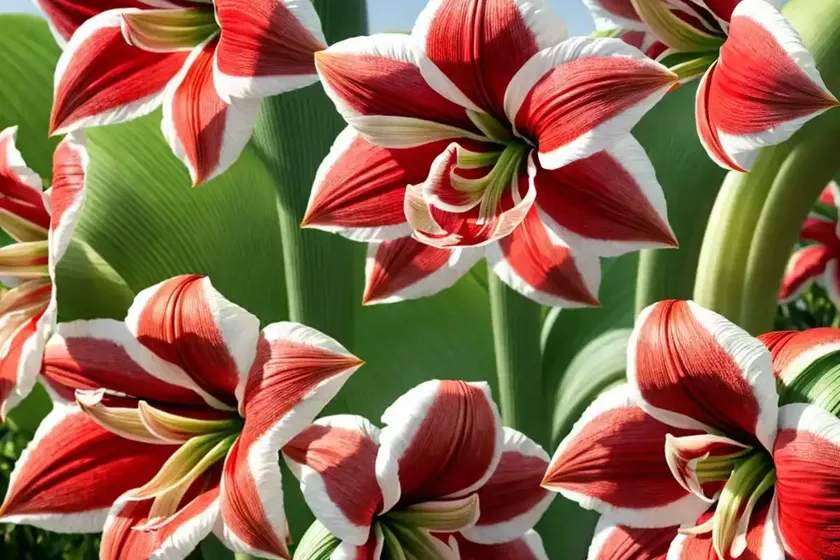
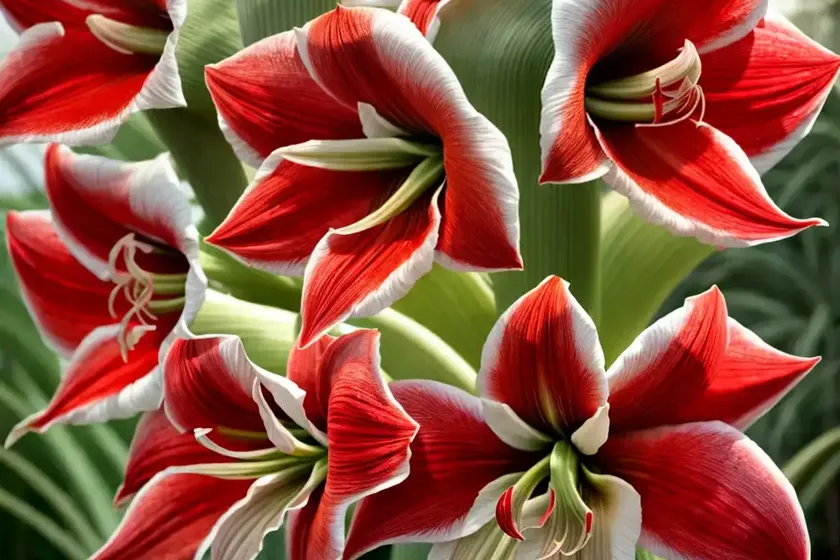
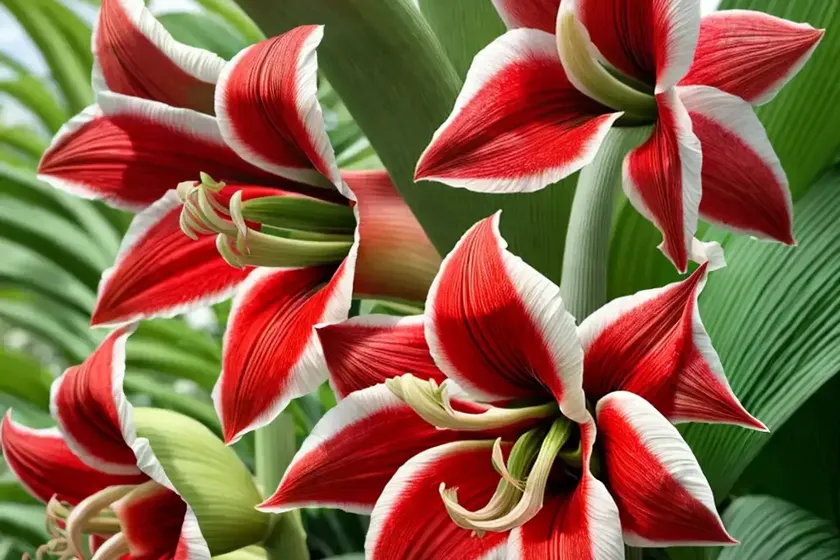
The Amaryllis ‘Nymph’ (Hippeastrum) is a beautiful and popular flowering plant known for its large, showy blooms and ease of care. In this comprehensive guide, we will explore every aspect of caring for Amaryllis ‘Nymph’, from its cultural requirements to its uses, propagation, common diseases, and more. Whether you are a seasoned gardener or a beginner looking to add a touch of elegance to your indoor or outdoor space, this guide will provide you with all the information you need to successfully grow and maintain these stunning plants.
What is Amaryllis ‘Nymph’ (Hippeastrum)?
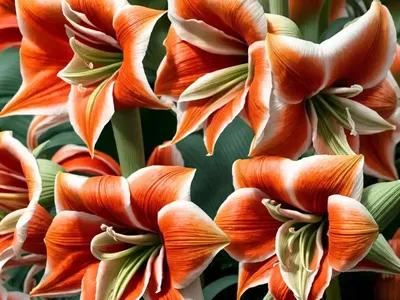
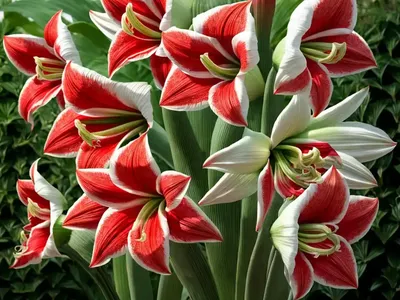
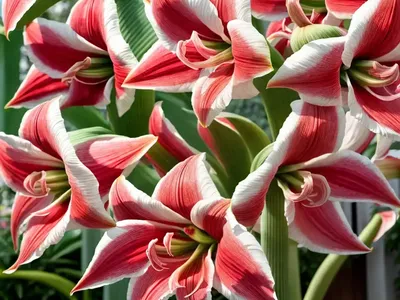
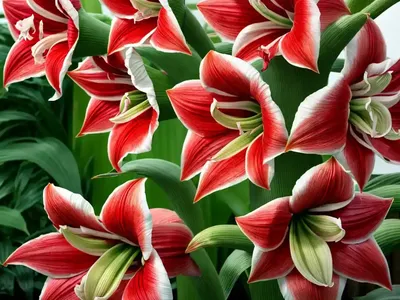
The Amaryllis ‘Nymph’ (Hippeastrum) is a member of the Amaryllidaceae family and is native to the tropical and subtropical regions of the Americas. It is a bulbous plant with strap-shaped leaves and large trumpet-shaped flowers that bloom in a variety of colors, including red, pink, white, and more. The bulbs of the Amaryllis ‘Nymph’ are commonly grown indoors, although they can also be cultivated outdoors in suitable climates.
Key Takeaways – Amaryllis ‘Nymph’ (Hippeastrum)
Before delving into the specifics of caring for Amaryllis ‘Nymph’, let’s first highlight the key takeaways of this beautiful plant:
- Amaryllis ‘Nymph’ (Hippeastrum) is a bulbous plant known for its large, showy flowers.
- It is popular for both indoor and outdoor cultivation.
- The plant is relatively low-maintenance and can be easily propagated.
- Amaryllis ‘Nymph’ is susceptible to certain diseases and pests, which can be managed with proper care and maintenance.
- The plant has a range of cultural requirements, including water, sunlight, fertilizer, soil, and more, which we will explore in detail.
Now that we have a brief overview of the Amaryllis ‘Nymph’, let’s delve into the specific aspects of its care and maintenance.
Culture
Cultivating Amaryllis ‘Nymph’ successfully requires an understanding of its cultural requirements. This includes providing the right environment, water, sunlight, soil, and more to ensure the plant thrives. Let’s explore each cultural aspect in detail:
Uses
The Amaryllis ‘Nymph’ is primarily grown for its stunning ornamental value. The large, trumpet-shaped blooms make it an ideal choice for adding a touch of elegance to indoor spaces such as homes, offices, and restaurants. Additionally, the plant can be grown outdoors in gardens, borders, and containers to adorn patios, decks, and other outdoor areas.
Water
Proper watering is essential for the health and vitality of Amaryllis ‘Nymph’. The key considerations for watering the plant include:
- Frequency: Water the plant thoroughly when the soil is dry to the touch, but avoid overwatering, as this can lead to bulb rot.
- Watering method: Ensure that the water drains effectively from the pot or soil to prevent waterlogging, which can cause root rot.
- Water quality: Use room-temperature water to avoid shocking the plant, and avoid water with high chemical or mineral content, as this can harm the plant.
Sunlight
Adequate sunlight is crucial for the Amaryllis ‘Nymph’ to produce healthy foliage and vibrant blooms. Here are some key points to consider regarding sunlight:
- Light requirements: The plant thrives in bright, indirect light, making it suitable for indoor locations near windows or outdoor areas with partial shade.
- Sun exposure: Protect the plant from direct sunlight, especially during the hottest part of the day, as this can lead to leaf scorch and heat stress.
Fertilizer
Proper fertilization can significantly impact the growth and flowering of Amaryllis ‘Nymph’. Consider the following guidelines when fertilizing the plant:
- Fertilizer type: Use a balanced, water-soluble fertilizer formulated for flowering plants.
- Fertilizing frequency: Fertilize the plant every 2-4 weeks during the growing and blooming seasons, following the manufacturer’s recommendations for dilution and application.
Soil
The right soil composition is vital for the overall health and development of Amaryllis ‘Nymph’. Here’s what to keep in mind when selecting or preparing the soil for the plant:
- Well-draining soil: Use a well-draining, nutrient-rich potting mix with good aeration to encourage healthy root development and prevent waterlogging.
- Soil pH: Aim for a slightly acidic to neutral pH range (6.0-7.0) for optimal nutrient uptake and overall plant health.
Pruning
Pruning plays a role in maintaining the appearance and health of Amaryllis ‘Nymph’. Consider the following when pruning the plant:
- Deadheading: Remove spent flowers promptly to encourage additional blooming and prevent seed formation, which can divert the plant’s energy from flower production.
- Leaf maintenance: Trim yellowing or damaged foliage as needed to maintain a tidy appearance and prevent the spread of diseases.
Propagation
Amaryllis ‘Nymph’ can be propagated by dividing bulbs or growing from seeds. Here’s a brief overview of each propagation method:
- Bulb division: Dividing mature bulbs during the dormant season allows for the creation of new plants. Each division should have a portion of the basal plate and healthy roots.
- Seed propagation: Growing Amaryllis ‘Nymph’ from seeds requires patience and specific propagation techniques. Seeds can be collected from spent flower heads and sown in a suitable growing medium following proper planting guidelines.
Container Popularity
Amaryllis ‘Nymph’ is a popular choice for container gardening, both indoors and outdoors. The plant’s showy blooms and relatively compact growth habit make it well-suited for growing in pots, containers, and planters. When selecting a container for Amaryllis ‘Nymph’, consider the following factors:
- Size: Choose a container that provides ample room for the bulb to grow and develop a healthy root system. A depth of at least 6-8 inches is recommended.
- Drainage: Select a container with drainage holes to prevent water from pooling at the bottom, which can lead to root rot.
Common Diseases
Despite being relatively low-maintenance, Amaryllis ‘Nymph’ is susceptible to certain diseases, especially when grown in unfavorable conditions. Common diseases that may affect the plant include:
- Leaf blight: Characterized by yellow or brown spots on the leaves, often caused by overwatering or poor air circulation.
- Bulb rot: This can occur due to waterlogged soil or excessive moisture, leading to the decay of the bulb.
- Botrytis blight: A fungal disease that causes brown spots and mold on flowers and foliage, particularly in humid conditions.
Disease Diagnosis
Diagnosing and addressing diseases promptly is crucial for preventing their spread and minimizing damage to the plant. Here are some steps to take when diagnosing diseases in Amaryllis ‘Nymph’:
- Visual inspection: Regularly examine the leaves, flowers, and bulbs for any signs of discoloration, spots, or abnormal growth.
- Isolation: If a disease is suspected, consider isolating the affected plant to prevent the spread of pathogens to healthy plants.
- Treatment: Based on the specific disease symptoms, apply appropriate treatments such as fungicides or adjusting the plant’s cultural conditions to mitigate the disease.
Common Pests
While relatively resilient, Amaryllis ‘Nymph’ can attract certain pests that may impact its health and appearance. Common pests that may affect the plant include:
- Aphids: Small, soft-bodied insects that feed on the plant’s sap, often found on the undersides of leaves.
- Spider mites: These tiny pests can cause stippling and webbing on the foliage, leading to weakened plant vigor.
- Mealybugs: White, cottony pests that may congregate at leaf joints and leaf undersides, sapping the plant’s energy.
Botanist’s Tips
As a plant scientist with a deep appreciation for Amaryllis ‘Nymph’, I’m pleased to offer some expert tips to ensure the successful growth and care of this beautiful plant:
- Monitor moisture levels: Avoid overwatering by allowing the soil to dry out slightly between waterings, especially during the plant’s dormancy period.
- Provide adequate support: Due to the large, showy blooms, it may be necessary to provide additional support for the flowering stems to prevent them from bending or breaking.
- Regular inspection: Periodically inspect the plant for any signs of pests, diseases, or stress, and take prompt action to address any issues that arise.
Fun Facts
Before concluding our comprehensive guide, let’s explore some interesting and lesser-known facts about Amaryllis ‘Nymph’:
- The genus name Hippeastrum is derived from the Greek words “hippeus” and “astron,” meaning “knight’s star,” a fitting description for the plant’s striking blooms.
- Amaryllis ‘Nymph’ is often associated with the holiday season and is a popular choice for festive decorations, gift-giving, and winter bloom displays.
Links to External Resources
For further information and resources on Amaryllis ‘Nymph’ care, propagation, and cultivation, consider exploring the following external sources:
- The American Amaryllis Society: A valuable resource for Amaryllis enthusiasts, offering information on cultivation, care tips, and a photo gallery of different varieties.
- Royal Horticultural Society – Hippeastrum: An in-depth guide from the Royal Horticultural Society covering various aspects of growing and caring for Hippeastrum species, including ‘Nymph’.
In conclusion, the Amaryllis ‘Nymph’ (Hippeastrum) is a delightful and rewarding plant to grow, offering vibrant blooms and minimal maintenance requirements. By understanding and meeting its cultural needs, as well as taking proactive measures to address potential pests and diseases, you can enjoy the beauty of Amaryllis ‘Nymph’ in your home or garden with confidence. Whether you’re a seasoned gardener or a beginner, this guide serves as a valuable reference for successfully cultivating and caring for this stunning flowering plant.