Alstroemeria ‘Saturne’ (Peruvian Lily)
Alstroemeria, commonly known as the Peruvian Lily, is a genus of flowering plants that are native to South America. Among the many stunning varieties.
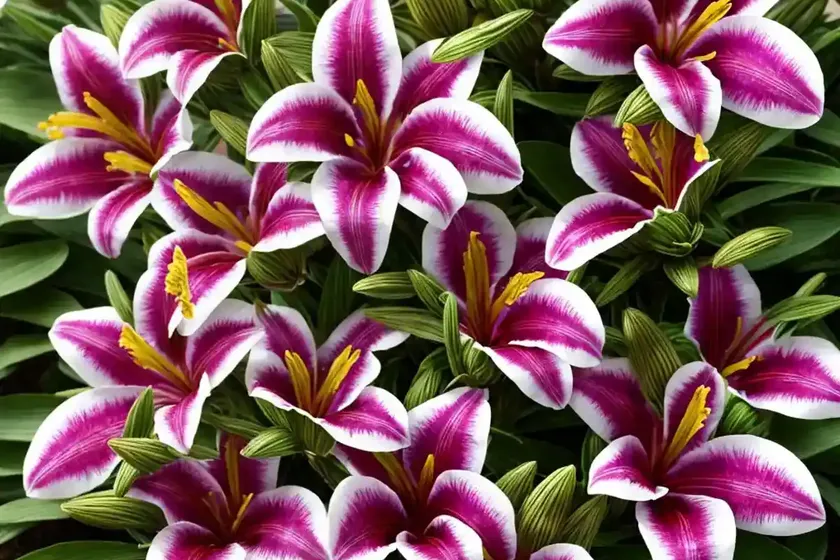
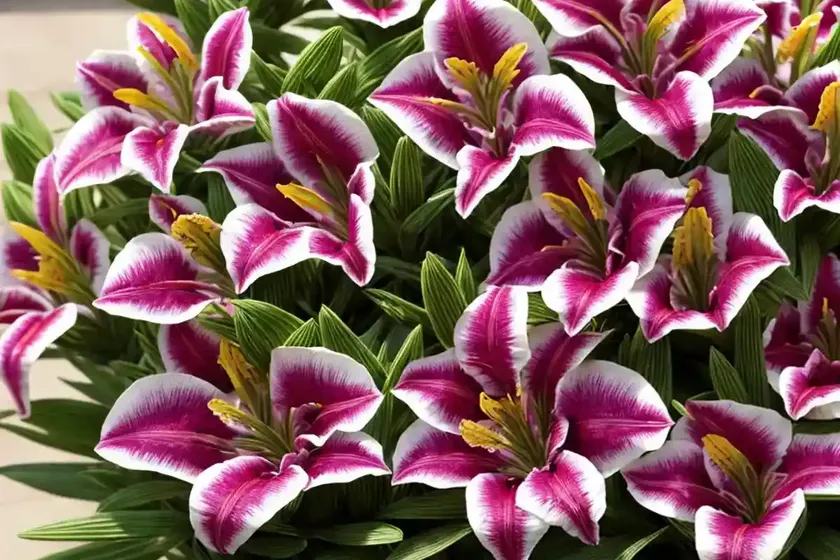
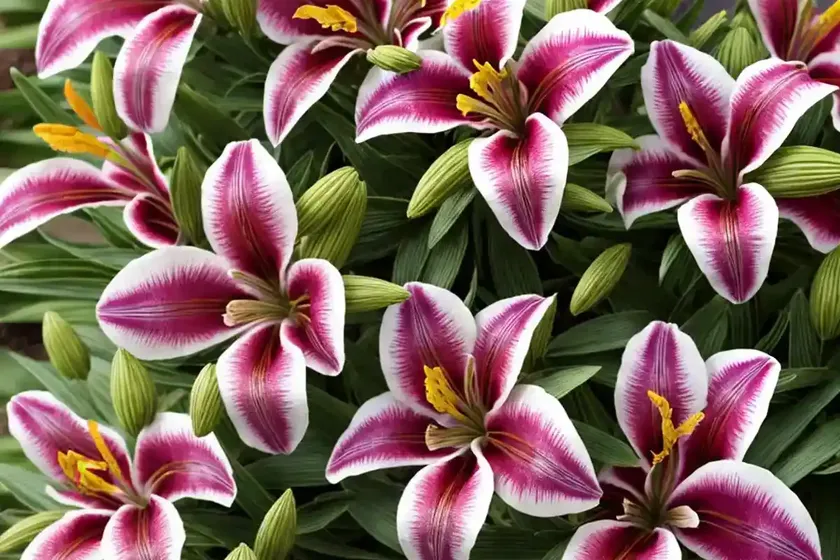
Alstroemeria, commonly known as the Peruvian Lily, is a genus of flowering plants that are native to South America. Among the many stunning varieties within the Alstroemeria genus, ‘Saturne’ is particularly notable for its vibrant colors and elegant appearance. In this comprehensive guide, we will delve into all aspects of caring for and growing Alstroemeria ‘Saturne’, from its cultural requirements to its common pests and diseases, offering tips and insights for both seasoned gardeners and beginners.
What is Alstroemeria ‘Saturne’?
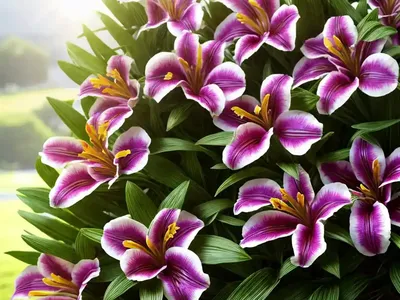
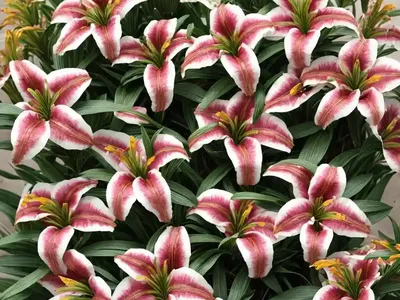
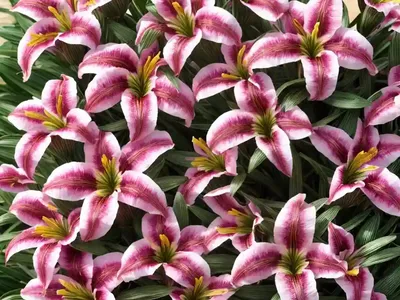
Alstroemeria ‘Saturne’ is a stunning perennial plant that belongs to the Alstroemeriaceae family. This particular variety is characterized by its captivating, multicolored blooms and graceful foliage, making it a sought-after addition to garden beds, borders, and containers. Its long-lasting flowers and low-maintenance nature have made it a popular choice among avid gardeners and flower enthusiasts.
Key Takeaways – Alstroemeria ‘Saturne’
Before delving into the specifics of caring for Alstroemeria ‘Saturne’, let’s highlight some key takeaways about this exquisite plant.
- Scientific Name: Alstroemeria ‘Saturne’
- Common Name: Peruvian Lily
- Plant Type: Perennial
- Bloom Time: Late spring to early summer
- Height: 12-18 inches
- Spread: 12-24 inches
- Hardiness Zone: 7-10
- Watering Needs: Moderate
- Sunlight Requirements: Full sun to partial shade
- Soil Type: Well-draining, fertile soil
- Fertilization: Balanced fertilizer during blooming season
- Special Features: Long-lasting cut flowers, vibrant blooms, low maintenance
- Propagation: Division of rhizomes or tubers
Now that we have gained a broad understanding of the key features of Alstroemeria ‘Saturne’, let’s explore the specific cultural requirements for nurturing this spectacular plant.
Culture
Caring for Alstroemeria ‘Saturne’ involves understanding its specific cultural needs, including water, sunlight, fertilizer, soil, and pruning, among other factors. Let’s delve into each of these aspects individually to ensure that we provide the best conditions for this beautiful perennial.
Water
Watering Requirements
Alstroemeria ‘Saturne’ thrives in moderately moist soil, and it’s important to maintain a balance, as overwatering can lead to root rot and other issues. During the growing season, it’s advisable to water the plant regularly, allowing the top inch of the soil to dry out slightly between waterings. However, during hot summer months, extra care should be taken to prevent the soil from drying out completely, as this can stress the plant and lead to a decline in flowering.
In colder months or during the plant’s dormancy period, reduce watering frequency to prevent waterlogged conditions, which can be detrimental to the plant’s overall health. Overall, moderate and consistent moisture levels are key to keeping Alstroemeria ‘Saturne’ flourishing throughout the year.
Sunlight
Sunlight Preferences
In terms of sunlight, Alstroemeria ‘Saturne’ thrives in full sun to partial shade. While it can tolerate partial shade, the plant tends to produce more flowers and maintain a compact, robust growth habit when grown in full sun. Therefore, when selecting a planting location, ensure that the site receives at least 6-8 hours of direct sunlight to promote optimal blooming and overall vigor.
In regions with extremely hot and intense summers, providing some protection from the harsh afternoon sun can be beneficial. This can be achieved by planting the Peruvian Lily where it receives morning sun and partial shade in the afternoon, or by utilizing natural shade from nearby trees or structures.
Fertilizer
Soil Requirements
Alstroemeria ‘Saturne’ thrives in fertile, well-draining soil that is rich in organic matter. Prior to planting, it’s beneficial to amend the soil with compost or well-rotted manure to enhance its fertility and structure. Additionally, incorporating a balanced and slow-release fertilizer into the soil can provide the necessary nutrients for the plant’s establishment and ongoing growth.
Fertilization
During the active growing season, which typically spans from spring to summer, it’s advisable to feed Alstroemeria ‘Saturne’ with a balanced, all-purpose fertilizer to support the development of robust foliage and an abundance of flowers. This can be applied in accordance with the manufacturer’s instructions, ensuring that the plant receives the necessary nutrients without the risk of overfertilization.
In regions with naturally nutrient-rich soil, minimal fertilization may be required, and it’s important to monitor the plant’s growth and overall health to determine the specific needs in a particular garden or landscape.
Soil
Soil Type
As mentioned earlier, Alstroemeria ‘Saturne’ prefers well-draining soil with a rich organic content. The soil should also be slightly acidic to neutral, with a pH range between 6.0 and 6.5, which promotes optimal nutrient uptake and overall plant health. When planting or transplanting this perennial, it’s essential to ensure that the soil drains well, as waterlogged conditions can lead to root rot and other moisture-related issues.
If the native soil in a particular garden doesn’t meet these criteria, it’s beneficial to amend it with organic matter and horticultural grit to improve its drainage and nutrition levels. This not only sets the stage for successful growth but also reduces the risk of soil-related problems down the line.
Pruning
Pruning Techniques
Pruning is an essential aspect of caring for Alstroemeria ‘Saturne’, as it helps maintain the plant’s shape, remove spent blooms, and encourage the production of new flowers. After the blooming period has concluded, deadheading the spent flowers by cutting the stems back to the base of the plant can promote additional flowering and prevent the formation of seed pods, which can divert energy away from the production of new blooms.
Furthermore, removing yellowing or damaged foliage throughout the growing season can enhance the plant’s appearance and divert its resources toward healthy growth and flower production. However, it’s important to avoid excessive pruning, as cutting the stems too close to the base can compromise the plant’s regrowth and overall vigor.
Propagation
Propagation Techniques
Alstroemeria ‘Saturne’ can be propagated through division, which involves separating the rhizomes or tubers of an established plant to create new, identical specimens. This process is typically carried out in late winter to early spring, when the plant is still dormant and before the onset of new growth.
To propagate Alstroemeria ‘Saturne’ through division, carefully lift the plant from the soil and gently separate the rhizomes, ensuring that each division possesses healthy roots and sufficient growing points. The divisions can then be replanted in prepared soil at the same depth as the parent plant, and they should be watered in thoroughly to facilitate their establishment.
Container-grown Alstroemeria ‘Saturne’ can also be divided with relative ease, provided that appropriate care is taken to minimize root disturbance and establish the new divisions in well-draining potting mix.
Container
Container Gardening Tips
Alstroemeria ‘Saturne’ is well-suited for container gardening, making it an excellent choice for individuals with limited garden space or those looking to adorn patios, balconies, or other outdoor areas with its colorful blooms. When growing this perennial in containers, several key considerations can enhance its performance and overall appeal.
-
Pot Size: Select a spacious container that accommodates the plant’s mature size and allows room for its rhizomatous roots to spread and thrive. A depth of at least 12 inches is recommended to support the plant’s growth and stability.
-
Well-Draining Soil: Fill the container with well-draining potting mix that is formulated for flowering plants, ensuring that excess moisture can escape freely from the container. Incorporating a small amount of perlite or horticultural grit can further enhance the soil’s drainage capacity.
-
Watering: Container-grown Alstroemeria ‘Saturne’ may require more frequent watering, especially during hot and dry periods, as the limited soil volume can lead to rapid moisture loss. It’s important to monitor the soil moisture levels and provide consistent hydration to prevent drying out.
-
Sunlight: Place the container in a location that receives ample sunlight, ideally 6-8 hours of direct sunlight per day. If necessary, move the container to a slightly shadier spot during exceptionally hot afternoons to prevent stress on the plant.
By adhering to these container gardening tips, enthusiasts can successfully cultivate Alstroemeria ‘Saturne’ in containers and enjoy its striking beauty in various outdoor settings.
Popularity
Popularity in Landscaping and Gardens
Alstroemeria ‘Saturne’ holds a prominent place in landscaping and gardens, revered for its enduring blooms, vibrant colors, and overall adaptability. Whether featured in perennial borders, mixed plantings, or as a standalone specimen, this variety of Peruvian Lily adds a touch of elegance and charm to any outdoor space.
Its popularity extends to diverse garden styles, including cottage gardens, formal landscapes, and contemporary designs, where its cheerful flowers and lush foliage create captivating focal points and contribute to the seasonal tapestry of colors.
Moreover, the enduring popularity of Alstroemeria ‘Saturne’ is evident in its widespread availability at nurseries and garden centers, where it is sought after by gardening enthusiasts looking to enhance their outdoor environments with its exceptional beauty and resilience.
Common Diseases
Disease Diagnosis
Though Alstroemeria ‘Saturne’ is known for its overall hardiness, it can be susceptible to certain diseases, with proper diagnosis being critical to implementing timely and effective treatment measures. Some of the common diseases that may affect Alstroemeria ‘Saturne’ include:
-
Anthracnose: This fungal disease can cause dark lesions on the foliage and stems, leading to wilting and dieback. It’s often exacerbated by wet and humid conditions, making proper ventilation and preventive fungicidal sprays essential.
-
Botrytis Blight: This fungal disease manifests as grayish-brown lesions on the plant’s flowers and foliage, often in the form of fuzzy growth. Removing affected plant parts and ensuring adequate air circulation can help manage its spread.
-
Root Rot: Excessive moisture or poorly draining soil can lead to root rot, causing the plant to exhibit wilting, yellowing foliage, and overall decline. Adjusting watering practices and improving soil drainage can help mitigate this issue.
By monitoring the plant regularly for signs of disease, enthusiasts can take proactive measures to prevent the spread of these conditions and ensure the long-term health of their Alstroemeria ‘Saturne’.
Common Pests
Tips for Pest Control
Alstroemeria ‘Saturne’ may encounter certain pests that can impact its growth and flower production. Therefore, knowing how to identify and address these common pests is essential for fostering the plant’s optimal health. Some of the typical pests that may affect Alstroemeria ‘Saturne’ include:
-
Aphids: These small, soft-bodied insects can congregate on the plant’s new growth, where they feed on sap, causing distortion and yellowing of the foliage. Regularly inspecting the plant and employing organic insecticidal soaps can effectively manage aphid populations.
-
Spider Mites: These tiny arachnids can cause stippling and webbing on the plant’s leaves, especially under hot and dry conditions. Maintaining adequate moisture levels and employing horticultural oils can help control and eliminate spider mite infestations.
-
Snails and Slugs: These mollusks are known for feeding on the plant’s tender foliage and flowers, leaving behind characteristic holes and damage. Employing physical barriers, such as copper tape, and handpicking these pests can help safeguard the plant from their destructive feeding habits.
By practicing vigilance and implementing integrated pest management strategies, gardeners can protect Alstroemeria ‘Saturne’ from the detrimental effects of common pests and contribute to its overall vitality and beauty.
Botanist’s Tips
Helpful Insights from Botanists
Incorporating insights from botanists and horticultural experts can provide valuable guidance for cultivating and caring for Alstroemeria ‘Saturne’. From planting tips to ongoing maintenance, the following pointers offer helpful advice for those seeking to nurture this exquisite perennial.
-
Planting Depth: When establishing Alstroemeria ‘Saturne’, ensure that the rhizomes are planted at a depth of approximately 4-6 inches, allowing them to establish a secure foothold while promoting healthy growth and flowering.
-
Mulching: Application of a layer of organic mulch around the base of the plant can help conserve soil moisture, suppress weed growth, and provide a protective layer during winter months, enhancing the plant’s resilience.
-
Support for Stems: As the plant matures and produces an abundance of flowers, providing gentle support for the stems can prevent them from bending or breaking, allowing the blooms to be displayed to their full advantage.
-
Regular Inspection: Routinely inspecting Alstroemeria ‘Saturne’ for signs of disease, pests, or nutrient deficiencies allows for early intervention and ensures that any issues are promptly addressed, promoting the plant’s long-term health.
By incorporating these botanist-approved tips into their gardening practices, enthusiasts can create an environment that supports the flourishing and enchanting display of Alstroemeria ‘Saturne’.
Fun Facts
Intriguing Tidbits about Alstroemeria ‘Saturne’
Exploring the lesser-known aspects and fun facts about Alstroemeria ‘Saturne’ adds an additional layer of fascination to this beloved plant. With its remarkable qualities and captivating attributes, the following fun facts shed light on the charm and magnetism of Alstroemeria ‘Saturne’.
-
Symbolic Meanings: Alstroemeria ‘Saturne’ is often associated with friendship, mutual support, and unending devotion, making it a popular choice for gift bouquets and floral arrangements intended to convey heartfelt sentiments.
-
Medicinal Uses: In traditional herbal medicine, certain species within the Alstroemeria genus have been utilized for their potential medicinal properties, with applications ranging from treating inflammation to managing respiratory ailments.
-
Long-Lasting Blooms: The flowers of Alstroemeria ‘Saturne’ are renowned for their longevity, retaining their vivid colors and graceful appearance for up to two weeks as cut flowers, making them an enduring favorite for creating striking floral displays.
-
Attracting Pollinators: The nectar-rich flowers of Alstroemeria ‘Saturne’ attract a variety of pollinators, including bees, butterflies, and hummingbirds, contributing to the overall biodiversity and ecological value of the garden.
These fun facts not only highlight the allure of Alstroemeria ‘Saturne’ but also provide a deeper appreciation for its cultural significance and ecological contributions in various settings.
Links to External Resources
Further Exploration and Information
For individuals seeking in-depth knowledge, additional resources, and specialized insights about Alstroemeria ‘Saturne’, the following external links offer valuable information and perspectives from reputable sources.
- Royal Horticultural Society – Alstroemeria Cultivation
- University of California – Alstroemeria Growing Guide
- American Society for the Prevention of Cruelty to Plants – Peruvian Lily Care Tips
- Gardening Know How – Alstroemeria ‘Saturne’ Planting Guide
- The Spruce – Growing Alstroemeria in Containers
By exploring these external resources, enthusiasts can access a wealth of information, expert advice, and practical guidance to enrich their understanding of Alstroemeria ‘Saturne’ and optimize their cultivation practices.
In conclusion, Alstroemeria ‘Saturne’, with its captivating blooms, enduring charm, and resilient nature, is an exceptional addition to gardens, landscapes, and floral arrangements. By adhering to its specific cultural requirements, engaging in proactive m Last but not least, noting the salient characteristics of this variety and the engaging Alstroemeria ‘Saturne’ care tips can inform and inspire both novice and seasoned enthusiasts, elevating their appreciation of this perennial beauty.