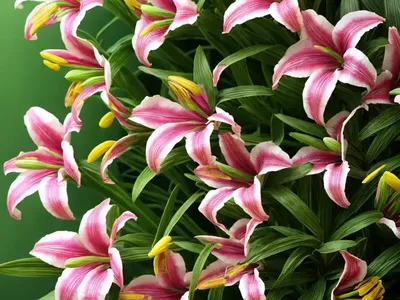
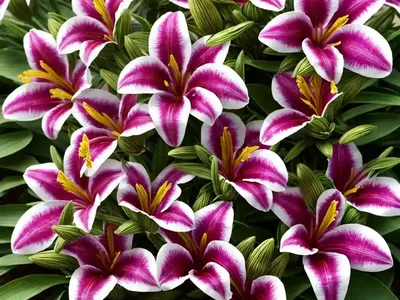
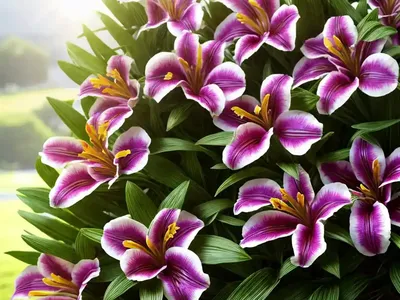
Alstroemeria ‘Princess Mathilde’ (Peruvian Lily)
Alstroemeria ‘Princess Mathilde’, commonly known as Peruvian Lily, is a captivating and vibrant flowering plant that has gained popularity among gardeners.
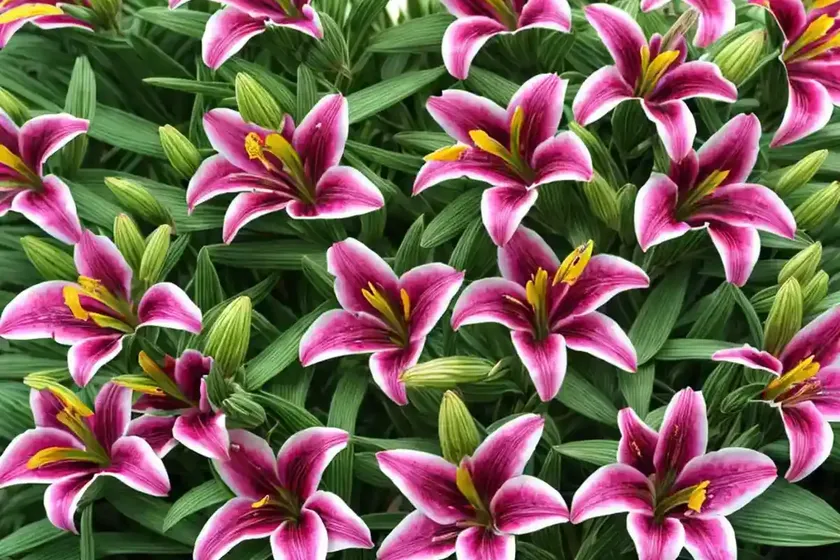
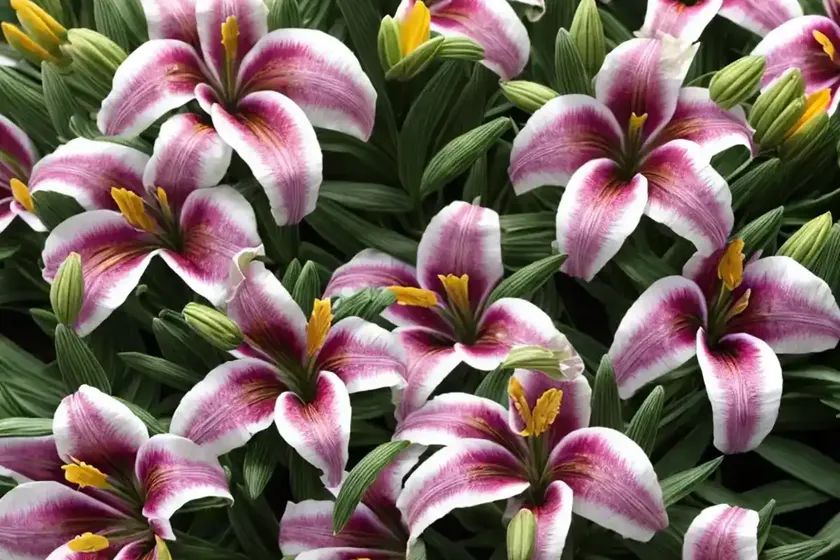
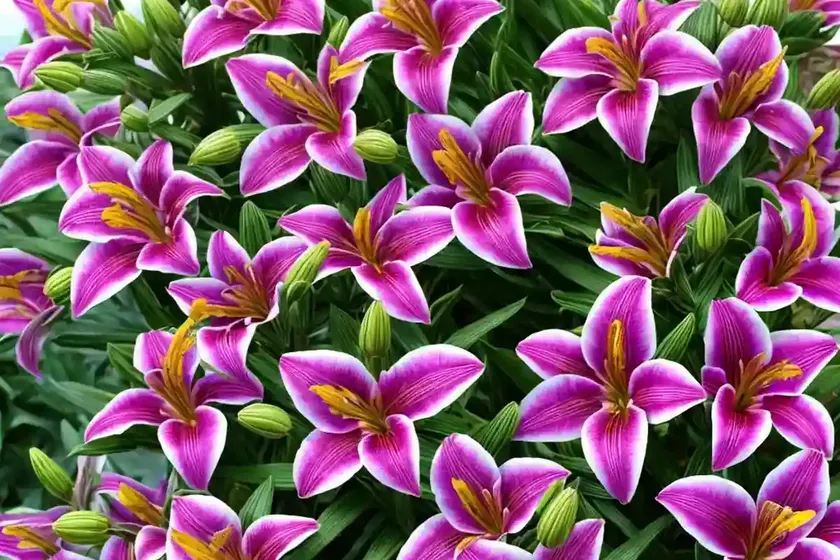
Alstroemeria ‘Princess Mathilde’, commonly known as Peruvian Lily, is a captivating and vibrant flowering plant that has gained popularity among gardeners and plant enthusiasts. This comprehensive guide aims to provide valuable insights into the culture, uses, care, and maintenance of Alstroemeria ‘Princess Mathilde’, making it an invaluable resource for anyone looking to cultivate and appreciate this stunning plant.
What is Alstroemeria ‘Princess Mathilde’?
Alstroemeria ‘Princess Mathilde’ is a charming perennial plant that belongs to the Alstroemeriaceae family and is native to South America. Known for its resplendent and intricate flowers, this plant is a favorite among gardeners for adding flair and color to gardens, containers, and floral arrangements. The ‘Princess Mathilde’ cultivar is cherished for its striking display of blooms, which makes it a desirable addition to any garden landscape and is also a popular choice for cut flowers.
Key Takeaways – Alstroemeria ‘Princess Mathilde’
Before diving into the specific details of Alstroemeria ‘Princess Mathilde’ care and cultivation, let’s highlight some key takeaways that will be explored in-depth throughout this guide:
- Culture: Understanding the cultural requirements for successful growth and development of Alstroemeria ‘Princess Mathilde’.
- Uses: Exploring the various uses and applications of this captivating plant.
- Water: An in-depth look at the watering needs of Alstroemeria ‘Princess Mathilde’ to ensure optimal health.
- Sunlight: Understanding the sunlight requirements and its impact on the plant’s growth and blooming.
- Fertilizer: Choosing the right fertilization approach to promote healthy growth and abundant flowering.
- Soil: Exploring the soil preferences and understanding the significance of well-draining soil.
- Pruning: Mastering the art of pruning Alstroemeria ‘Princess Mathilde’ for sustained vitality and prolific blooming.
- Propagation: Exploring different propagation methods for expanding your Alstroemeria ‘Princess Mathilde’ collection.
- Container Popularity: Understanding the appeal of cultivating Alstroemeria ‘Princess Mathilde’ in containers.
- Common Diseases: Identifying and addressing potential diseases that can affect the plant’s health.
- Common Pests: Understanding common pests that may pose a threat to Alstroemeria ‘Princess Mathilde’.
- Botanist’s Tips: Expert advice and tips from seasoned botanists for successful cultivation.
- Fun Facts: Uncovering intriguing and interesting facts about Alstroemeria ‘Princess Mathilde’.
Now, let’s delve into each of these aspects and gain a comprehensive understanding of the magnificent Alstroemeria ‘Princess Mathilde’ and how to care for it.
Culture
Cultivating Alstroemeria ‘Princess Mathilde’ successfully involves understanding its specific cultural requirements, including its water, sunlight, soil, and fertilization needs. By catering to these requirements, you can ensure that the plant thrives and produces an abundance of splendid blooms.
Water
Alstroemeria ‘Princess Mathilde’ thrives in moist but well-drained soil. When established, it displays a moderate drought tolerance, making it a suitable choice for regions with varying precipitation levels. However, consistent and adequate moisture is essential, especially during the growing season and flowering period.
Watering Tips for Alstroemeria ‘Princess Mathilde’
- Regular Monitoring: Keep a close eye on soil moisture and ensure that the plant receives sufficient water, particularly during dry spells.
- Avoid Waterlogging: Prevent waterlogging, as excessively wet soil can lead to root rot and other detrimental conditions.
- Mulching: Apply a layer of organic mulch around the plant to help retain moisture and regulate soil temperature.
Sunlight
Proper sunlight exposure is crucial for the healthy growth and flowering of Alstroemeria ‘Princess Mathilde’. It thrives in full sun to partial shade, making it adaptable to a variety of garden settings.
Sunlight Requirements for Alstroemeria ‘Princess Mathilde’
- Full Sun: In regions with mild climate conditions, providing the plant with full sun can promote vigorous growth and profuse blooming.
- Partial Shade: In areas with intense heat, partial shade can protect the plant from excessive sun exposure and prevent stress.
Fertilizer
Fertilizing Alstroemeria ‘Princess Mathilde’ is essential for promoting robust growth and prolific flowering. Using a balanced and controlled-release fertilizer can provide the necessary nutrients for sustained vitality.
Fertilization Guidelines for Alstroemeria ‘Princess Mathilde’
- Balanced Fertilizer: Choose a balanced fertilizer with an equal ratio of nitrogen, phosphorus, and potassium to support overall plant health and flowering.
- Application Frequency: Apply fertilizer during the growing season, following the manufacturer’s recommendations for dosage and frequency.
- Avoid Overfertilization: Refrain from overfertilizing, as excessive nutrients can lead to lush foliage at the expense of flowering.
Soil
Alstroemeria ‘Princess Mathilde’ thrives in well-drained, fertile soil that provides a conducive environment for root development and overall plant vigor. Understanding the soil preferences and making suitable amendments can significantly impact the plant’s performance.
Soil Preferences for Alstroemeria ‘Princess Mathilde’
- Well-Draining Soil: Ensure that the soil has excellent drainage to prevent waterlogging, which can be detrimental to the plant’s root system.
- Fertile Soil: Incorporate organic matter such as compost or well-rotted manure to enrich the soil and provide essential nutrients.
- pH Level: Alstroemeria ‘Princess Mathilde’ prefers slightly acidic to neutral soil with a pH range of 6.0 to 7.0.
Pruning
Pruning Alstroemeria ‘Princess Mathilde’ is an essential aspect of maintenance that can enhance its appearance, promote flowering, and prevent overcrowding. Understanding the appropriate pruning techniques allows you to harness the plant’s full potential.
Pruning Techniques for Alstroemeria ‘Princess Mathilde’
- Deadheading: Remove spent blooms to encourage continuous flowering and prevent the plant from diverting energy into seed production.
- Thinning: Thin out overcrowded stems and remove any diseased or damaged foliage to maintain overall plant health.
- Division: Periodically divide the plant to rejuvenate older clumps and promote vigorous growth.
Propagation
Expanding your collection of Alstroemeria ‘Princess Mathilde’ can be achieved through various propagation methods such as division, seeds, or rhizome cuttings. Each technique offers an opportunity to propagate and cultivate new plants with the same captivating characteristics.
Propagation Methods for Alstroemeria ‘Princess Mathilde’
- Division: Divide mature clumps during the dormant season and replant the divisions to establish new plants.
- Rhizome Cuttings: Extract rhizome cuttings from healthy plants and propagate them in a suitable growing medium to encourage root development.
- Seeds: Collect and sow seeds to grow new plants, keeping in mind that seed-grown Alstroemeria may exhibit variations in flower color and traits.
Container Popularity
Alstroemeria ‘Princess Mathilde’ exhibits exceptional versatility as a container plant, making it a popular choice for those with limited garden space or a preference for container gardening. Cultivating this plant in containers offers a range of possibilities for showcasing its beauty and enhancing outdoor or indoor spaces.
Container Gardening Tips for Alstroemeria ‘Princess Mathilde’
- Container Selection: Choose a spacious and well-draining container that accommodates the plant’s growth and allows for sufficient root development.
- Potting Mix: Use a high-quality potting mix that provides adequate drainage and includes organic matter for nutrition.
- Watering: Monitor the moisture levels in the container and adjust watering frequency based on environmental conditions and plant needs.
Uses
Alstroemeria ‘Princess Mathilde’ offers a multitude of uses, ranging from ornamental purposes to floral arrangements and landscape design. Understanding the diverse applications of this plant can inspire creative expressions and enhance its presence in various settings.
Ornamental Value
- Garden Borders: Plant Alstroemeria ‘Princess Mathilde’ along garden borders or as edging to add vibrant colors and a touch of elegance.
- Mixed Plantings: Incorporate this plant into mixed plantings to create striking combinations and visually appealing landscapes.
Cut Flowers
- Floral Arrangements: Harvest the long-lasting blooms for stunning floral arrangements, bouquets, and indoor displays.
- Market Potential: Alstroemeria ‘Princess Mathilde’ is a popular choice for cut flower production and has a strong market demand due to its alluring flowers.
Landscape Design
- Mass Plantings: Create captivating displays by mass planting Alstroemeria ‘Princess Mathilde’ in specific areas, adding a focal point to the landscape.
- Color Complement: The vibrant and varied flower colors of ‘Princess Mathilde’ make it an ideal choice for complementing and enhancing other plantings within the landscape.
Common Diseases
Despite being a resilient plant, Alstroemeria ‘Princess Mathilde’ may be susceptible to certain diseases that can impact its health and vigor. Understanding common diseases and their symptoms empowers you to implement proper preventive measures and interventions.
Disease Diagnosis and Management
- Botrytis Blight: Gray mold, caused by Botrytis cinerea, can affect the foliage and flowers, leading to a decline in plant health. Prune affected parts and improve air circulation to prevent its spread.
- Leaf Spot: Fungal leaf spot diseases can manifest as circular lesions on the foliage. Provide adequate spacing between plants to enhance air circulation and consider fungicidal treatments if necessary.
Common Pests
Alstroemeria ‘Princess Mathilde’ is generally resistant to most pests due to its toxic compounds that deter herbivores. However, occasional pest infestations may occur, necessitating vigilance and prompt action to mitigate their impact.
Potential Pests and Control Measures
- Aphids: Monitor for aphid infestations and employ natural predators or insecticidal soaps to manage their populations.
- Slugs and Snails: These pests can cause damage to the tender foliage and flowers. Implement physical barriers and organic control methods to protect the plants.
Botanist’s Tips
Experienced botanists and horticulturists have valuable insights and recommendations for successful cultivation and care of Alstroemeria ‘Princess Mathilde’. Drawing from their expertise can elevate your gardening practices and contribute to the thriving of this captivating plant.
Expert Recommendations
- Overwintering: In regions with harsh winters, provide a protective mulch layer to safeguard the plant’s rhizomes from freezing temperatures.
- Companion Planting: Select companion plants that complement Alstroemeria ‘Princess Mathilde’ and contribute to a harmonious garden composition.
- Regular Monitoring: Continuously monitor the plant for signs of stress, diseases, or nutrient deficiencies, and take proactive measures as needed.
Fun Facts
Uncovering intriguing and fascinating facts about Alstroemeria ‘Princess Mathilde’ adds depth to your appreciation of this remarkable plant. From historical significance to unique characteristics, these fun facts enrich the allure of ‘Princess Mathilde’ and deepen your connection with it.
Fascinating Tidbits
- Symbolism: Alstroemeria is often associated with friendship, mutual support, and enduring bonds, making it a meaningful gift for friends and loved ones.
- Species Diversity: The Alstroemeria genus encompasses a diverse range of species and cultivars, each with distinct flower colors and patterns, showcasing the plant’s remarkable diversity.
Conclusion
Alstroemeria ‘Princess Mathilde’ stands as an exceptional addition to gardens, landscapes, and floral arrangements, offering a symphony of colors and ornamental allure. By embracing the insights and recommendations outlined in this comprehensive guide, you can embark on a rewarding journey of nurturing and appreciating the captivating beauty of ‘Princess Mathilde’.
Links to External Resources
For further information and in-depth exploration of Alstroemeria ‘Princess Mathilde’, these external resources offer valuable perspectives and additional insights:
– Royal Horticultural Society (RHS) – Alstroemeria Growing Guide
– University of California Agriculture & Natural Resources – Integrated Pest Management for Alstroemeria
– American Society for the Prevention of Cruelty to Animals (ASPCA) – Non-Toxic Plants: Alstroemeria
– The Spruce – Growing Peruvian Lilies in the Garden
– Missouri Botanical Garden – Alstroemeria ‘Princess Mathilde’ Plant Profile
– Gardening Know How – Alstroemeria Care Guide
By engaging with these resources, you can expand your knowledge and gain valuable insights that complement the comprehensive guide provided here.
The captivating Alstroemeria ‘Princess Mathilde’ (Peruvian Lily) invites you to embark on a rewarding journey of appreciation and cultivation, offering a symphony of colors and ornamental allure that enriches any garden or floral display.
As you explore the nuances of caring for this remarkable plant, you’ll discover its resilience, charm, and remarkable adaptability, reaffirming its status as a cherished and invaluable addition to any horticultural endeavor. Whether grown in garden beds, containers, or as cut flowers, Alstroemeria ‘Princess Mathilde’ exudes a timeless elegance that captivates the senses and enriches the landscape with its vibrant presence.
Now that you have this comprehensive guide at your fingertips, you’re well-equipped to embark on a rewarding journey of nurturing and cultivating the captivating beauty of Alstroemeria ‘Princess Mathilde’ with confidence and enthusiasm. Happy gardening!
Written by: [Your Name]
Plant Scientist & Horticultural Enthusiast
Date: [Date of Completion]