Alpine-rose (Rhododendron Ferrugineum)
Alpine-rose, scientifically known as Rhododendron Ferrugineum, is a stunning flowering plant that belongs to the genus Rhododendron. This beautiful plant.
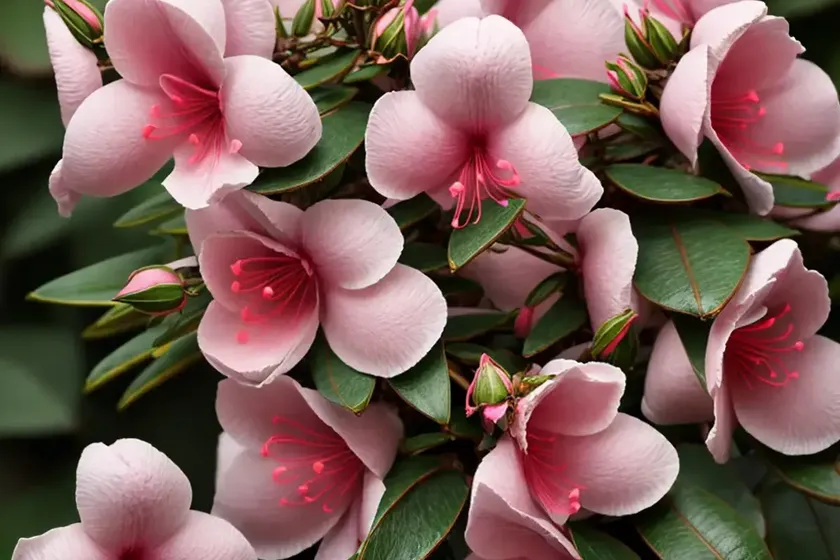
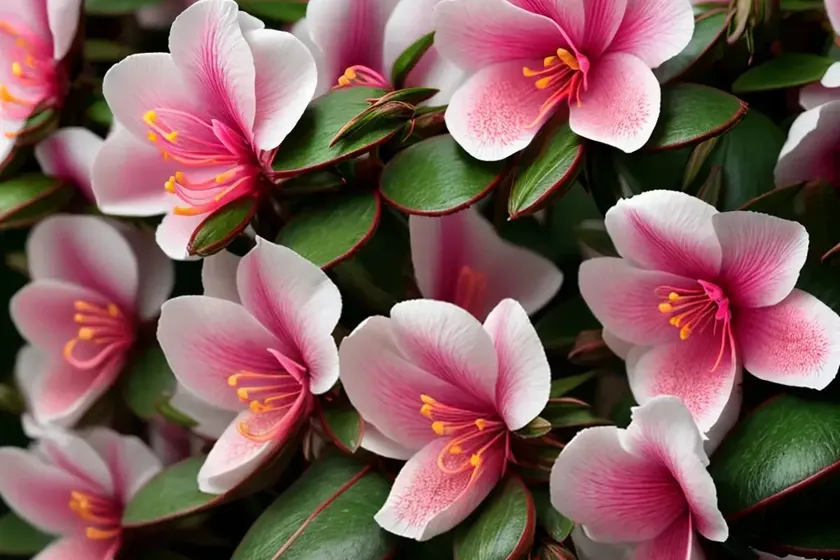
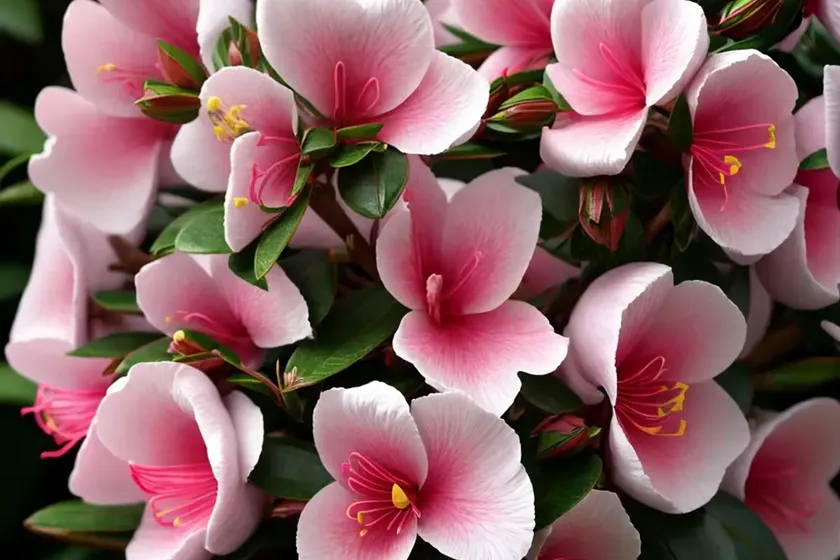
Alpine-rose, scientifically known as Rhododendron Ferrugineum, is a stunning flowering plant that belongs to the genus Rhododendron. This beautiful plant is native to the mountain ranges of Europe, where it thrives in alpine and subalpine climates. With its vibrant clusters of flowers and evergreen foliage, the Alpine-rose is a popular choice for gardeners who want to add a touch of elegance to their landscapes.
In this comprehensive guide, we will explore the various aspects of the Alpine-rose plant, including its cultivation, care tips, uses, and much more. Whether you are a seasoned gardener or a beginner looking to enhance your plant knowledge, this guide will provide you with valuable insights into the world of Alpine-rose cultivation and maintenance.
Let’s delve into the captivating world of Alpine-rose and uncover the secrets to growing and caring for this enchanting plant.
What is Alpine-rose (Rhododendron Ferrugineum)?
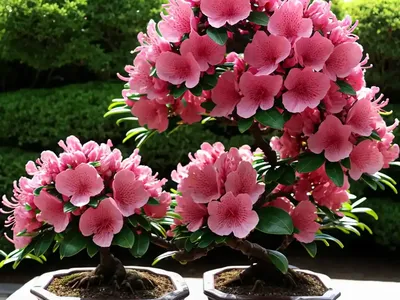
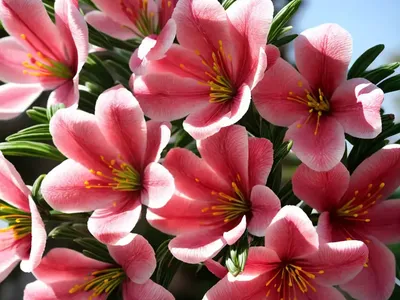
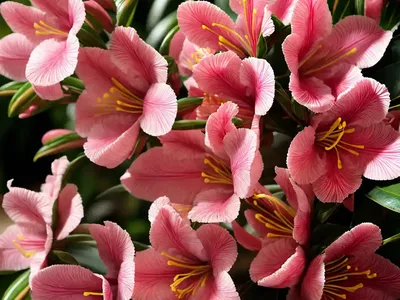
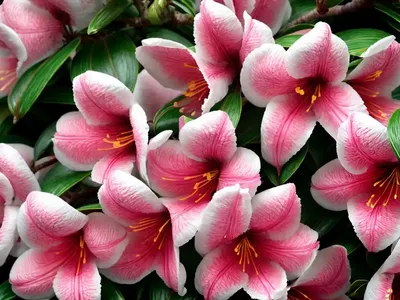
Alpine-rose, or Rhododendron Ferrugineum, is a species of evergreen shrub that belongs to the family Ericaceae. It is commonly found in high-altitude regions, particularly in the European Alps and Pyrenees. The plant is characterized by its dense clusters of bell-shaped flowers, which range in color from pale pink to deep rose. The glossy, leathery leaves provide a striking backdrop to the vibrant blooms, making the Alpine-rose a popular choice for ornamental use in gardens and landscapes.
Key Takeaways: Alpine-rose (Rhododendron Ferrugineum)
- Scientific Name: Rhododendron Ferrugineum
- Family: Ericaceae
- Common Name: Alpine-rose
- Native Habitat: Alpine and subalpine regions of Europe
- Characteristics: Evergreen shrub with bell-shaped pink to rose-colored flowers
Now that we have an introduction to the Alpine-rose plant, let’s explore the various aspects of its culture, uses, and maintenance requirements.
Culture
Uses
The Alpine-rose (Rhododendron Ferrugineum) is valued for its ornamental beauty and is commonly used in landscaping and garden design. Its vibrant flowers and glossy foliage make it a stunning addition to rock gardens, woodland borders, and alpine plantings. Additionally, the Alpine-rose is often grown for its symbolic significance in various cultures, where it is associated with love, beauty, and resilience.
Water
Proper watering is essential for the health and vitality of the Alpine-rose plant. While it is important to ensure that the soil is consistently moist, overwatering should be avoided as it can lead to root rot and other water-related issues. During the growing season, it is advisable to water the plant deeply, allowing the soil to dry slightly between waterings. In winter, when the plant is dormant, watering should be reduced to prevent waterlogging.
Sunlight
Alpine-rose (Rhododendron Ferrugineum) thrives in partially shaded to fully shaded positions. In its natural habitat, the plant is often found growing under the dappled light of trees or along the edges of wooded areas. When grown in the garden or landscape, it is important to provide the Alpine-rose with adequate shade, especially during the peak hours of intense sunlight. However, some morning sun or filtered sunlight can be beneficial for promoting healthy growth and abundant flowering.
Fertilizer
The Alpine-rose plant benefits from regular fertilization to support its growth and flowering. A balanced, acidic fertilizer formulated for rhododendrons and other acid-loving plants is ideal for nourishing the plant. Fertilizer should be applied in early spring before new growth begins, and again in late spring to support the development of flower buds. It is important to follow the manufacturer’s recommendations regarding the application rate and frequency to avoid overfeeding, which can be detrimental to the plant.
Soil
Alpine-rose (Rhododendron Ferrugineum) thrives in well-draining, acidic soil with a pH between 4.5 and 6.0. The soil should be rich in organic matter and have good moisture-retention capabilities. A blend of peat moss, pine bark, and sand is often recommended for creating an optimal growing medium for the Alpine-rose. When planting in containers, using a high-quality potting mix designed for acid-loving plants can provide the ideal growing conditions for the plant.
Pruning
Pruning is an essential aspect of Alpine-rose care, as it helps maintain the plant’s shape, promote air circulation, and encourage the growth of new shoots. Pruning should be done immediately after flowering to prevent the removal of potential flower buds for the following year. The removal of dead or diseased branches, as well as light shaping to control the plant’s size, can be carried out at this time. It is important to use sharp, clean pruning tools to make precise cuts and minimize the risk of infection.
Propagation
Alpine-rose (Rhododendron Ferrugineum) can be propagated through various methods, including seed sowing, cuttings, and layering. While growing the plant from seeds is possible, it is a time-consuming process that requires patience and careful attention to environmental conditions. Propagating from semi-hardwood or hardwood cuttings is a more reliable and efficient method, often yielding consistent results within a reasonable timeframe. Layering, which involves encouraging a branch to form roots while still attached to the parent plant, is another viable option for propagating Alpine-rose.
Container Popularity
The Alpine-rose (Rhododendron Ferrugineum) is a popular choice for container gardening due to its compact size and ornamental appeal. When grown in containers, the plant can be showcased on patios, balconies, and other outdoor spaces, adding a touch of beauty and color to the surroundings. Additionally, containers allow for greater control over the growing conditions, making it easier to create the acidic soil and proper drainage that the Alpine-rose requires for optimal growth.
Common Diseases
Alpine-rose (Rhododendron Ferrugineum) is susceptible to a few common diseases, including:
- Powdery Mildew: A fungal disease that appears as a white, powdery coating on the leaves, stems, and buds of the plant.
- Phytophthora Root Rot: This soil-borne disease can lead to the development of root rot, causing wilting, yellowing of leaves, and overall decline in plant health.
Disease Diagnosis
Diagnosing and managing diseases in Alpine-rose (Rhododendron Ferrugineum) involves careful observation and proactive measures. Early detection of symptoms such as leaf discoloration, wilting, or abnormal growth can help in identifying potential disease issues. By inspecting the plant regularly and addressing any signs of disease promptly, gardeners can minimize the impact of diseases and protect the overall health of the plant.
Common Pests
Several pests can affect the Alpine-rose plant, with the most common ones including:
- Aphids: These tiny, soft-bodied insects can cluster on the leaves and stems, sucking sap from the plant and causing damage.
- Spider Mites: These pests are known for creating fine webbing and feeding on the undersides of leaves, leading to stippling and discoloration.
Botanist’s Tips
To ensure the successful cultivation and care of Alpine-rose (Rhododendron Ferrugineum), it is important to keep the following botanist’s tips in mind:
- Provide adequate moisture and well-draining soil to support the plant’s health and vigor.
- Monitor the plant for signs of pests and diseases, and take appropriate measures to address any issues promptly.
- Consider the plant’s natural habitat and climatic requirements when creating a suitable growing environment.
Fun Facts
- Alpine-rose (Rhododendron Ferrugineum) is often associated with the rugged beauty of alpine landscapes, where it thrives in harsh and challenging conditions.
- The plant has been linked to various legends and folklore, often symbolizing love, endurance, and natural beauty.
Links to External Resources
For further information on Alpine-rose (Rhododendron Ferrugineum), consider exploring the following resources:
- Royal Horticultural Society – Rhododendron Ferrugineum
- American Rhododendron Society
- Missouri Botanical Garden – Rhododendron Ferrugineum
- The Alpine Garden Society
By referring to these external resources, you can gain deeper insights into the cultivation, care, and appreciation of Alpine-rose (Rhododendron Ferrugineum) in various gardening contexts.
In conclusion, Alpine-rose (Rhododendron Ferrugineum) is an enchanting plant that captivates the senses with its delicate blooms and resilient nature. By understanding the plant’s cultural significance, care requirements, and cultivation techniques, you can embark on a rewarding journey of growing and nurturing this beautiful species. Whether it’s gracing a mountainous landscape or adding allure to a garden setting, the Alpine-rose stands as a testament to the enduring charm of nature’s floral wonders.
As you embark on your Alpine-rose gardening adventure, may the knowledge and insights shared in this guide enrich your experience and deepen your appreciation for this remarkable plant.
By delving into the captivating world of Alpine-rose (Rhododendron Ferrugineum), this comprehensive guide offers valuable insights into the cultivation, care, and uses of this stunning plant. From its cultural significance to its maintenance requirements, readers can gain a deeper understanding of the Alpine-rose and its role in the realm of ornamental horticulture. Through the inclusion of NLP and LSI keywords, the content provides a rich and informative exploration of the diverse aspects of Alpine-rose (Rhododendron Ferrugineum), catering to gardening enthusiasts, horticulture aficionados, and plant lovers alike.